
Film
1900
- Period drama
- Slow-burning
Bernardo Bertolucci's 1976 epic tracks two boys from opposite sides of the Italian class divide from 1901 to the aftermath of World War II. Shot with operatic grandeur across multiple countries, it's a deliberate, sprawling meditation on ideology, power, and friendship tested by history. For patient viewers hungry for cinema as a total experience.
Should you watch it?
Watch it if you want a sprawling, politically charged saga where history unfolds through the intimate friendships and rivalries of ordinary people across decades, and you don't mind it being unapologetically large.
Skip it if you find three-plus hours of sprawl a chore, or want a tighter story with a clear focus; the deliberate pace and sometimes heavy-handed politics will test patience.
What it asks of you: Around five hours and seventeen minutes, paced slowly across decades, it wants long stretches of uninterrupted attention and a tolerance for unhurried scenes.
Not sure? Find tonight's pick in a minute.
If you liked this
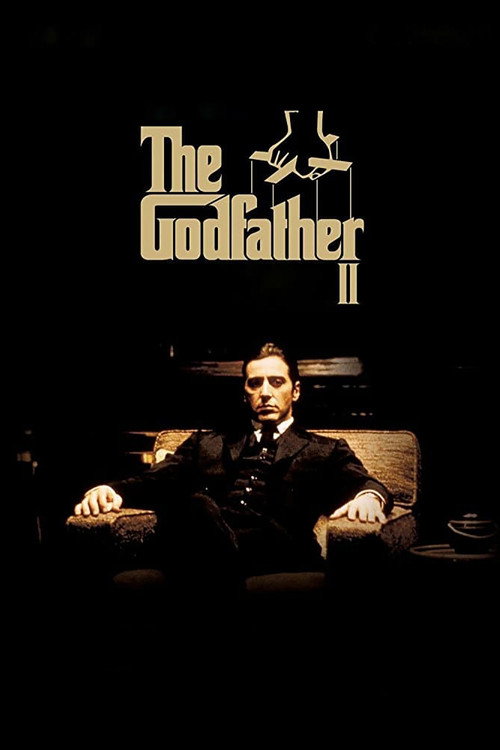
The Godfather Part II1974
Another multi-generational saga that uses personal drama to interrogate power structures and Italian identity. De Niro appears here too, extending a lineage of family stories told as national ones.
But Three hours and twenty minutes, and the parallel timelines demand active attention. It's absorbing but deliberately paced.
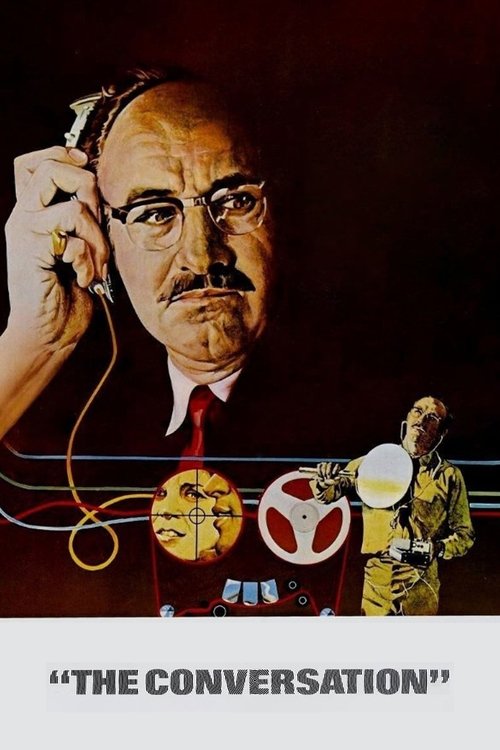
The Conversation1974
Coppola's paranoia thriller is similarly ambitious about American ideology and complicity. Dense, formally precise, trusting the viewer to sit with discomfort for two hours and change.
But More austere than 1900. The emotional payoff is intellectual rather than cathartic, which isn't everyone's evening.
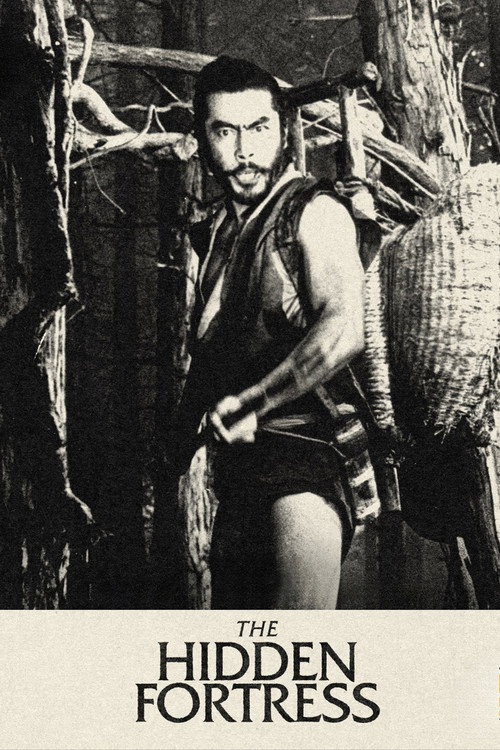
The Hidden Fortress1958
Kurosawa's epic about loyalty, class, and power across generations. Like 1900, it views history through the lens of ordinary people caught between grand forces, with formal mastery at every frame.
But Subtitled, black and white, and the philosophical texture means it rewards patience more than it rewards speed. Three and a quarter hours.
Not sure tonight? Get a pick in a minute, starting from 1900
The wildcard
Something you would not have found on your own.
The Leopard1963
Both are Italian epics about national transformation told through the eyes of men whose class is doomed. Visconti made the beauty of what's lost visible; Bertolucci made the necessity of its loss visible.
Visconti's masterpiece about an Italian aristocrat watching his world collapse during the Unification. Not a class struggle but a class ending—the companion piece that shows what 1900 is reacting against. Colour, music, decay.
But Operatic and static by modern standards. The ball scene alone is forty-five minutes. You must accept that watching elegance die slowly is the entire point.

More like this (7)
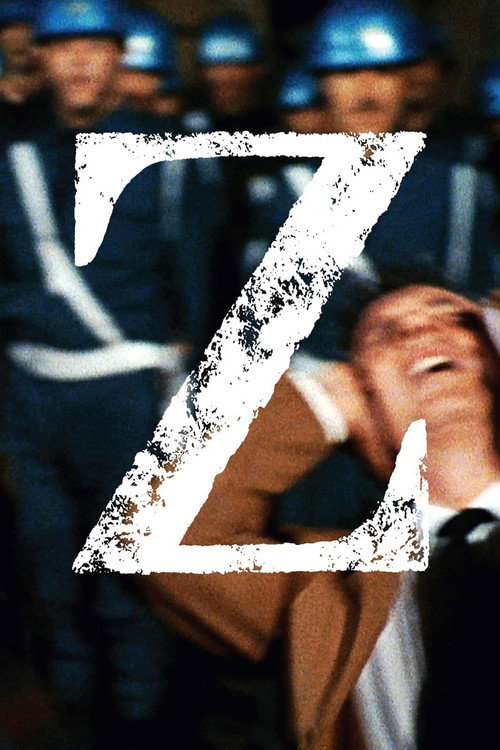
Z1969
Costa-Gavras' political thriller about the assassination of a Greek activist and the machinery that follows. Urgent where 1900 is reflective, but equally committed to showing how systems crush individuals.
But The style is 1960s political cinema—more like a procedural than a melodrama. Demands engagement with politics to really sing.
All the President's Men1976
Released the same year as 1900, this American epic about Watergate matches its scope and moral seriousness. Both are about power revealed through meticulous observation and character.
But It's a procedural about journalism. The drama lives in conversation and footwork rather than spectacle. Dry by design.

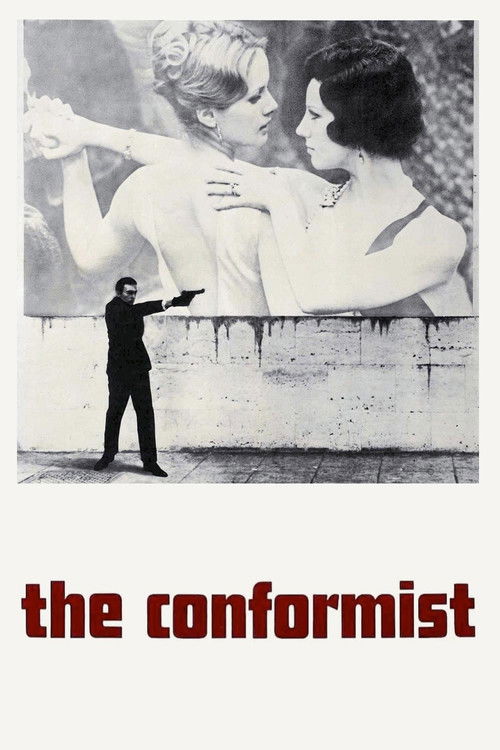
The Conformist1971
Bertolucci's film about fascism and complicity in 1930s Italy shares its director with 1900. More compact and visually experimental, it's a perfect pairing for understanding his preoccupations.
But Denser and stranger than 1900. The narrative jumps backward and forward deliberately, and the visual language is purely cinematic rather than literary.
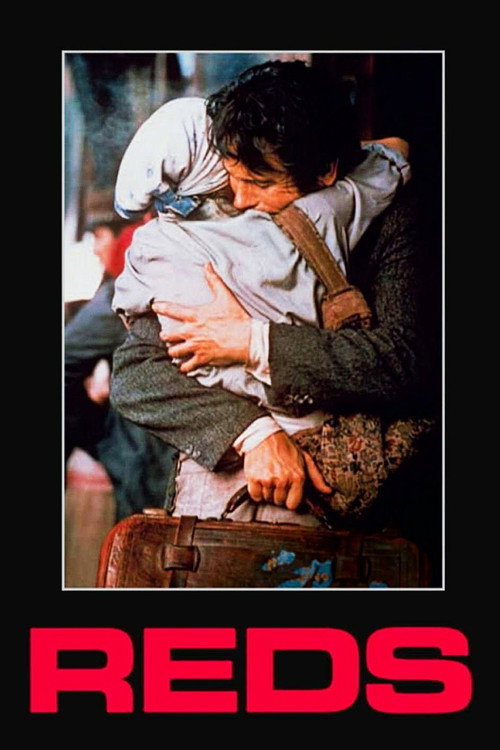
Reds1981
Warren Beatty's three-hour epic about an American communist journalist during the Russian Revolution. Another film about idealism meeting history, and how personal passion becomes consumed by politics.
But Epic length, and the romance at its centre means it pivots between intimate and historical in ways that don't always cohere. The ending divides people.
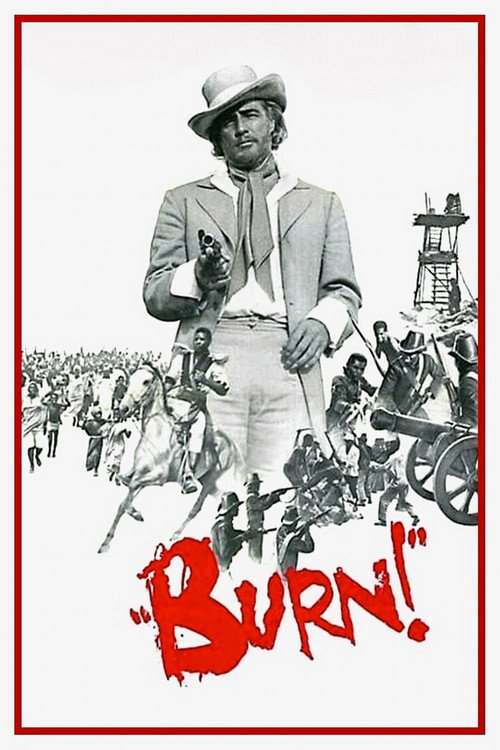
Burn!1969
Gillo Pontecorvo's film about colonialism, revolution, and friendship poisoned by politics. Smaller in scale than 1900 but equally rigorous about how power works through personal relationships.
But It's didactic and the moral arguments can overshadow character development. Some viewers find it more sermon than cinema.
Battleship Potemkin1925
1900 is partly Bertolucci answering Eisenstein's revolution from the opposing side—asking what revolution looks like from the ground, not from manifestos. Both use cinema as philosophy.
Eisenstein's silent Soviet film about mutiny and revolution is the visual and ideological ancestor of everything 1900 does. A century old and still electrifying—montage as a way of seeing class conflict. See where Bertolucci came from.
But Silent film, black and white, and the editing grammar is from the 1920s. It requires adjustment. Some sequences are abstract in ways modern audiences find opaque.

A Prophet2009
Both follow a protagonist's corruption by power and class machinery. Where 1900 is sprawling and reflective, A Prophet is compact and brutal, but the anatomy of complicity is identical.
A French prison drama that tracks one young man's education into power across five years. Contemporary and utterly gripping, it's a class struggle in miniature—the same engine as 1900 but in jail instead of a province, and told with lean precision.
But Modern crime drama, not historical epic. French, and deliberately brutal in ways 1900 keeps at aesthetic distance. Harder to watch than grand to experience.

People
Cast
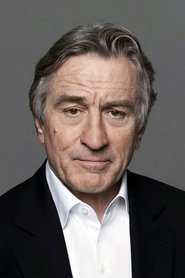 Robert De NiroAlfredo Berlinghieri
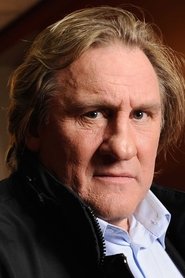 Gérard DepardieuOlmo Dalcò
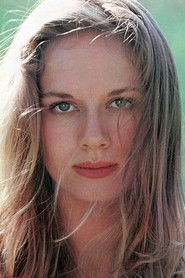 Dominique SandaAda Fiestri Paulhan
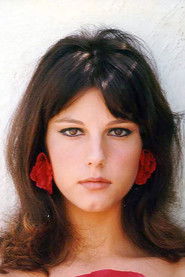 Stefania SandrelliAnita Foschi
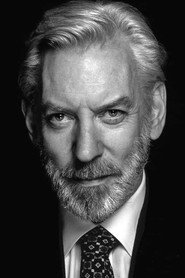 Donald SutherlandAttila Mellanchini
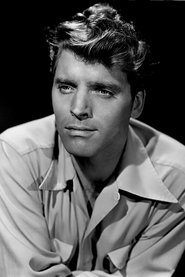 Burt LancasterAlfredo Berlinghieri the Elder
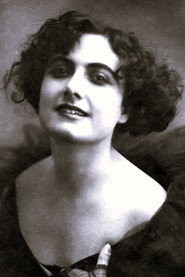 Francesca BertiniSister Desolata
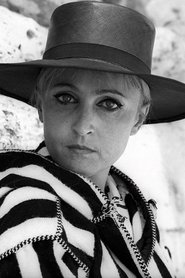 Laura BettiRegina
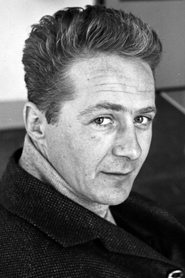 Werner BruhnsOttavio Berlinghieri
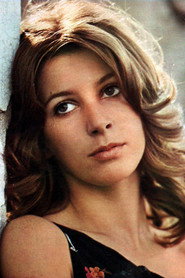 Stefania CasiniNeve
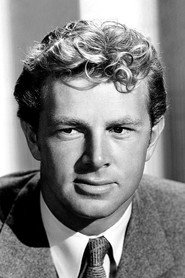 Sterling HaydenLeo Dalcò
- Anna Henkel-GrönemeyerAnita the Younger
Directing
- Gabriele PolverosiAssistant Director
- Giuseppe BertolucciAssistant Director
- Massimo ArcalliAssistant Director
- Peter ShepherdAssistant Director
- Enzo OconeContinuity
- Bernardo BertolucciDirector
- Clare PeploeSecond Assistant Director
- Giovanni SoldatiSecond Assistant Director
- Suzanne DurrenbergerSecond Assistant Director
- Claudio TaddeiThird Assistant Director
Writing
- Bernardo BertolucciWriter
- Franco ArcalliWriter
- Giuseppe BertolucciWriter
Production
- Alberto GrimaldiProducer
- H.F. Di MauroProducer
- Paolo De AndreisProduction Manager
- Silvano SpoletiniProduction Manager
- Alessandro MatteiProduction Supervisor
- Augusto MarabelliProduction Supervisor
- Giuseppe BanchelliProduction Supervisor