
Film
The Age of Shadows
A taut 1920s espionage thriller set during Japanese occupation of Korea. Director Kim Jee-woon orchestrates a meticulous cat-and-mouse game between resistance fighters and colonial police, all moral lines blurred. Gorgeous, tense, and deeply committed to the texture of betrayal. For anyone who loves spy craft over spectacle.
Should you watch it?
Watch it if you like spy-thriller tension built from patient, mistrustful waiting, where a single misplaced glance can matter more than gunfire, and you don't mind history doing the heavy lifting.
Skip it if you want the Hollywood pace of a bomb-plot caper, since much of this is slow setup and tense conversation before the action arrives.
What it asks of you: It asks for close attention across 140 minutes, with a patient rhythm that rewards staying put rather than checking your phone.
Not sure? Find tonight's pick in a minute.
If you liked this
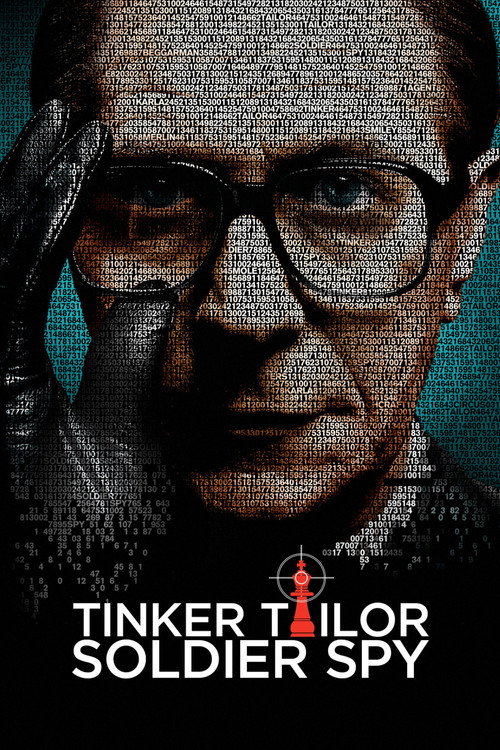
Tinker Tailor Soldier Spy2011
Le Carré's Cold War paranoia translated into glacial, gorgeous surveillance cinema. Like *Age of Shadows*, it prizes atmosphere and the slow erosion of trust over action beats. Every glance means something.
But Glacially paced. If you need plot momentum or clear heroes, this will feel like watching paint dry in a very expensive room.
A Prophet2009
French prison thriller with the same deliberate build of power and corruption. Both films trust you to track moral compromise across time, both feature a protagonist learning to survive by becoming something darker.
But Bleak and deliberately slow. Long stretches have minimal dialogue, which some find contemplative and others find punishing.

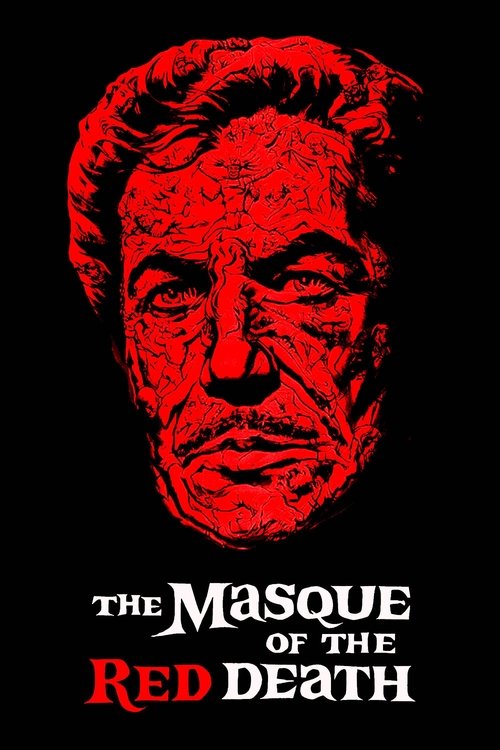
The Masque of the Red Death1964
Corman's Poe adaptation shares *Age of Shadows*' formal control and moral rot—a world where every room conceals danger, where status offers no protection. Stunningly composed and deeply unsettling.
But Very much a 1960s art film. The theatrical pacing and deliberate artificiality won't appeal to anyone wanting naturalism or forward momentum.
Not sure tonight? Get a pick in a minute, starting from The Age of Shadows
The wildcard
Something you would not have found on your own.
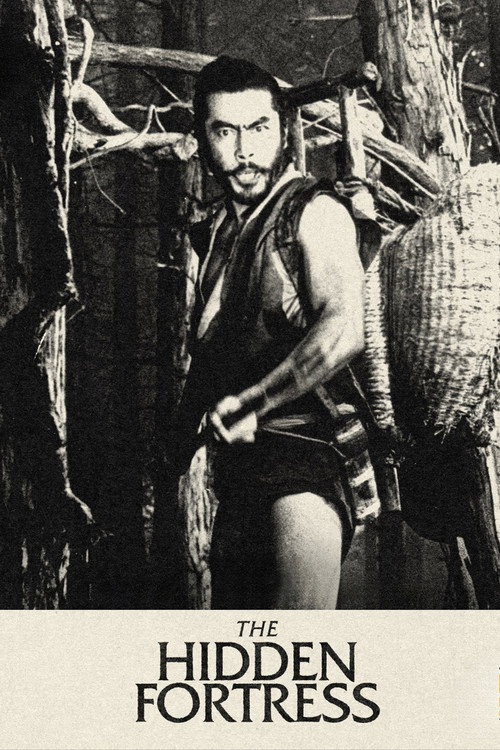
The Hidden Fortress1958
Both are deception-based thrillers about moving contraband through hostile territory, structured as intricate puzzles where every character serves a hidden purpose. Kurosawa proves the template is timeless.
Kurosawa's samurai adventure predates *Age of Shadows* by nearly sixty years but shares its fascination with the mechanics of deception, loyalty, and hidden identity. A masterpiece of plot construction and visual clarity.
But A 1958 Japanese film shot in VistaVision. The theatrical pacing and black-and-white cinematography feel remote from modern spy cinema.
More like this (8)
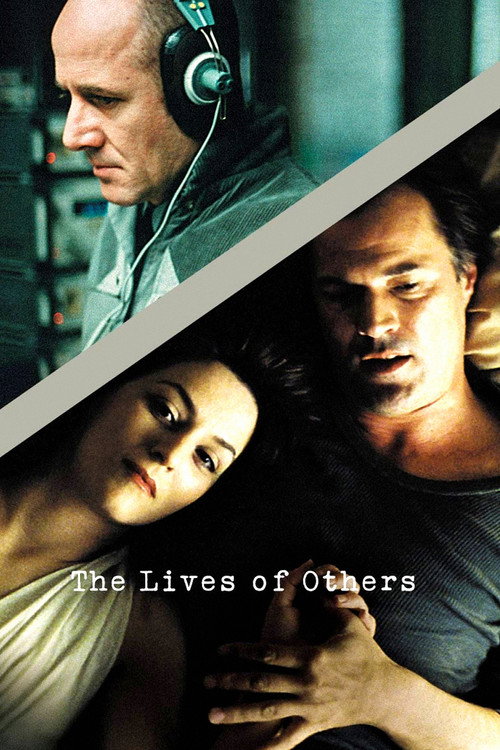
The Lives of Others2006
East German surveillance state paranoia with identical architecture: informants, betrayal, the seduction of duty. Both track how ordinary people become compromised by systems they can't escape. Devastating.
But Emotionally punishing. The film doesn't offer catharsis, only the slow realization that everyone loses something.
In the Mood for Love2000
Wong Kar-wai's Hong Kong chamber piece has the same visual lushness and emotional restraint as *Age of Shadows*—longing expressed through mise-en-scène, the private world suffocating under external pressure.
But Narratively minimal and deliberately opaque. If you need plot clarity or dialogue to understand character, this will frustrate you.

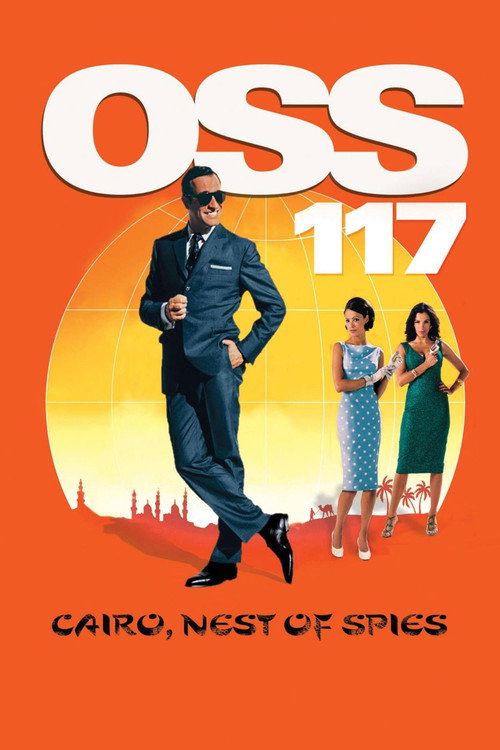
OSS 117: Cairo, Nest of Spies2006
Devilishly fun French spy comedy that understands espionage tradecraft as deeply as *Age of Shadows* does, just with very different intentions. Both films love the material details of deception.
But It's a broad comedy. The tonal whiplash from something genuinely tense might feel jarring if you want to stay in *Age of Shadows*' headspace.
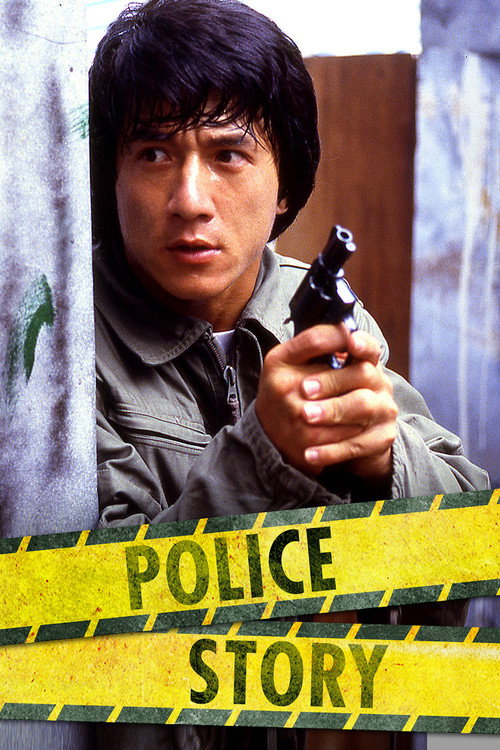
Police Story1985
Jackie Chan's Hong Kong action masterpiece has the same intricate plotting and moral ambiguity—cops and criminals separated by circumstance, not principle. Supremely crafted action with real stakes.
But Action cinema from a different register entirely. The visual language and pacing are entirely unlike *Age of Shadows*, so the shift in tone might feel disorienting.
Mulholland Drive2001
Lynch's Hollywood noir operates in the same register of beautiful surfaces hiding corruption and betrayal. Both films use production design as a character itself, both leave you uncertain who to trust.
But Deliberately confusing and surreal. If you want clarity about what happened and why, Lynch offers none of that comfort.

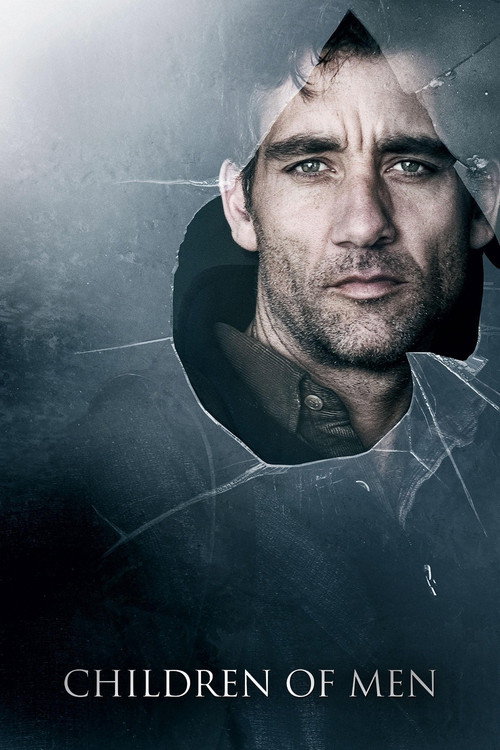
Children of Men2006
Cuarón's dystopian thriller has *Age of Shadows*' commitment to sustained tension and moral complexity. Long takes, no easy answers, a world where survival means compromise at every turn.
But Unrelenting bleakness and violence. The film offers no moments of levity or hope, only the grinding forward momentum of desperation.
Memories of Murder2003
Both use period settings under authoritarian occupation to explore how systems—colonial police, fascist government—corrupt everyone who touches them. Both are formally beautiful in ways that feel obscene given their subject matter.
Bong Joon-ho's serial killer thriller set in 1980s South Korea under military dictatorship. Like *Age of Shadows*, it's a Korean film obsessed with institutional corruption, moral rot, and the powerlessness of individuals within systems designed to crush them.
But Graphically violent and deeply bleak. The film finds no redemption in its investigation, only exhaustion and institutional failure.

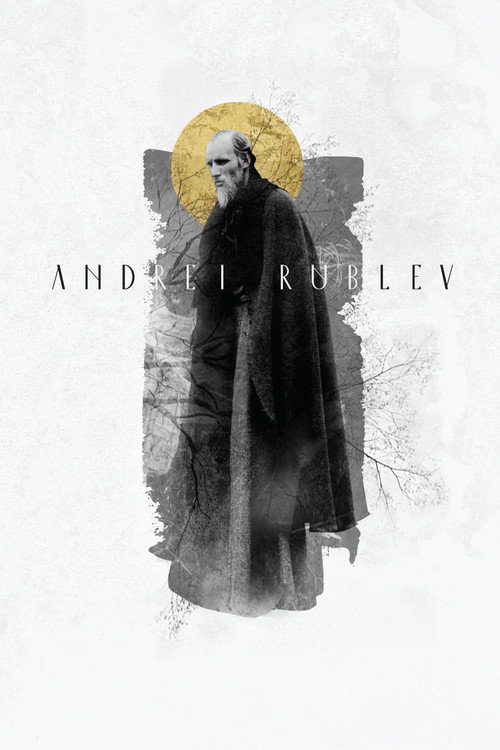
Andrei Rublev1966
Both films are set under foreign occupation and ask whether creating beauty or preserving identity under systematic erasure constitutes resistance, or complicity, or both. Both are masterpieces of visual storytelling that make dialogue almost unnecessary.
Tarkovsky's epic about a 15th-century Russian icon painter during Mongol invasion. Visually overwhelming and structurally unconventional, but it shares *Age of Shadows*' meditation on art and duty under occupation, beauty persisting despite historical atrocity.
But Three hours of deliberate, often wordless Russian cinema. Long takes, minimal plot, demanding emotional patience. This will test anyone's tolerance for slowness.
People
Cast
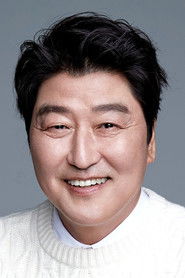 Song Kang-hoLee Jung-chool
 Gong YooKim Woo-jin
 Han Ji-minYun Gye-soon
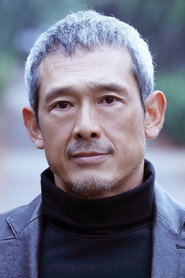 Shingo TsurumiHigashi
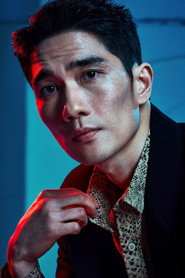 Um Tae-gooHashimoto
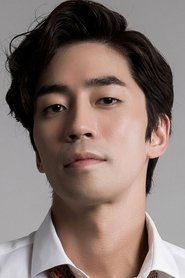 Shin Sung-rokJo Hwe-ryung
 Lee Byung-hunJung Chae-san
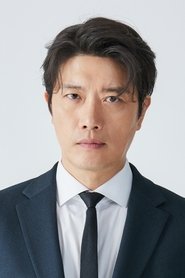 Park Hee-soonKim Jang-ok
 Heo Sung-taeHa Il-soo
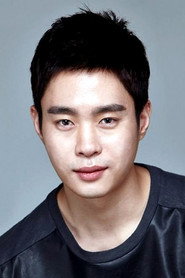 Kim Dong-youngHeo Chul-joo
 Go JoonShim Sang-do
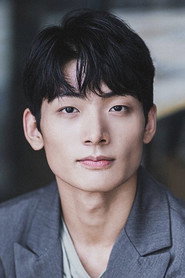 Seo Young-jooJoo Dong-sung
Directing
- Lee Beom-seokAssistant Director
- Kim Jee-woonDirector
Writing
- Kim Jee-woonAdaptation
- Kim Dong-jinNovel
- Lee Ji-minWriter
- Park Jong-daeWriter
Production
- Lee Jin-sookExecutive Producer
- Lee Dong-jinLine Producer
- Choi Jeong-hwaProducer
- Jay ChoiProducer
- Kim Jee-woonProducer