
Film
Let the Bullets Fly
A 1920s China action-comedy where a train bandit accidentally becomes governor and must outwit a criminal kingpin running the town. It's a gleefully anarchic genre film—part Western, part crime drama, part slapstick—that treats gunplay like a punchline and never stops moving. Jiang Wen's direction is intoxicating; the cast (Chow Yun-Fat in particular) are having obvious fun. If you like clever, entertaining films that trust the audience, this one rewards attention.
If you liked this
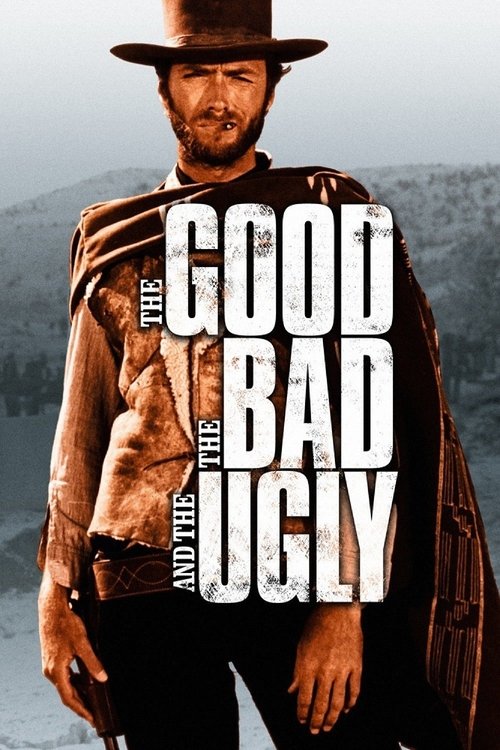
The Good, the Bad and the Ugly1966
The template for everything: outlaws, morality in chaos, visual wit. Sergio Leone's masterpiece moves like this film does—economical, operatic, funny without trying to be. If you loved the swagger here, go to source.
But It's slow by modern standards, and the philosophical weight might feel heavy after Let the Bullets Fly's breakneck glee.
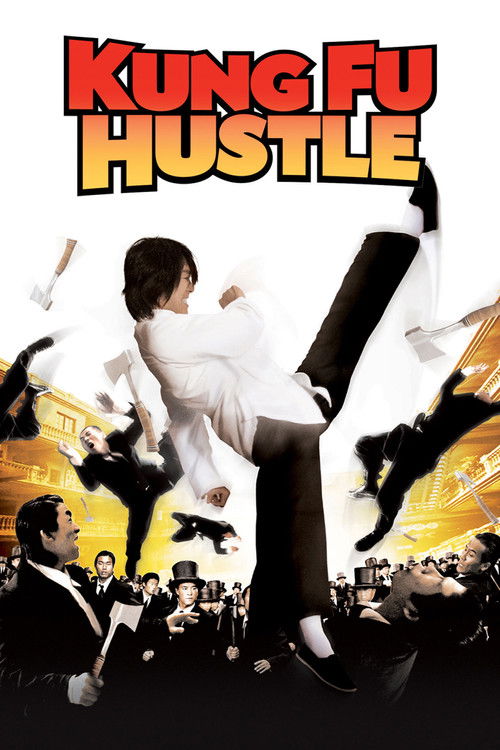
Kung Fu Hustle2004
Stephen Chow's Hong Kong action-comedy has the same DNA: absurdist violence, cartoonish characters, tonal whiplash between laughter and real stakes. Same region, different era, same anarchic energy.
But More overtly comic-book in style. The deeper political satirical edge of Bullets Fly isn't here.
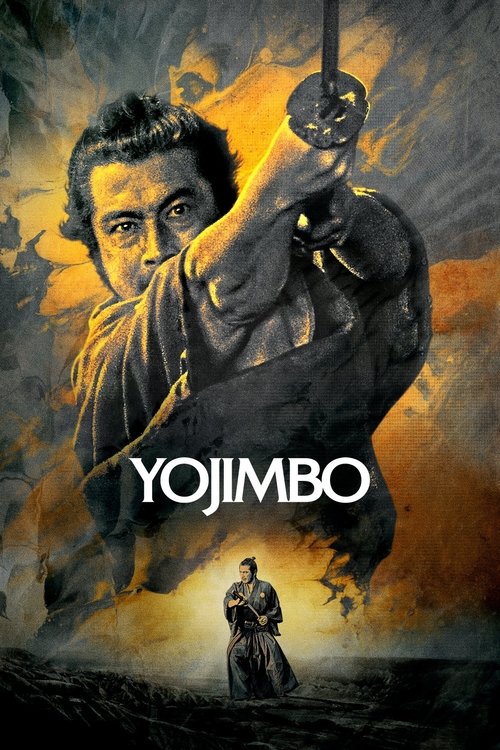
Yojimbo1961
Kurosawa's outlaw-as-town-cleaner story is the ancestor. Same plot shape, same cynical hero playing factions against each other, same dark humor. Toshiro Mifune is mesmerizing.
But Japanese 1961 cinema moves differently—more deliberate, more restrained. It's a meditation, not a firecracker.
Not sure tonight? Get a pick in a minute, starting from Let the Bullets Fly
The wildcard
Something you would not have found on your own.
A Prophet2009
Both are films about how cleverness and moral ambiguity let you survive and master a corrupt system; both trust the audience to follow Byzantine plotting.
A French prison drama that's structurally identical: an outsider becomes powerful through intelligence and will, navigating faction politics in a closed world. It's deadly serious where Bullets Fly is playful, but the engine—rise through reading people—is exactly the same.
But No action sequences. No humor. No romance. It's a slow-burn character study about corruption and survival. The satisfaction is psychological, not visceral.

More like this (8)
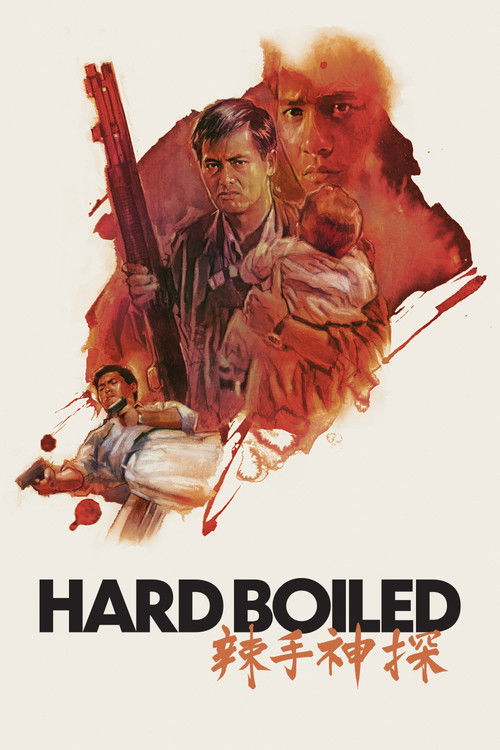
Hard Boiled1992
John Woo at his absolute peak: Chow Yun-Fat (same actor) in firefights of impossible grace and invention. If you came for the action choreography and gunplay aesthetics, this is essential.
But It's a revenge thriller, not a comedy. The tonal register is dead serious, which some find exhausting across 126 minutes.
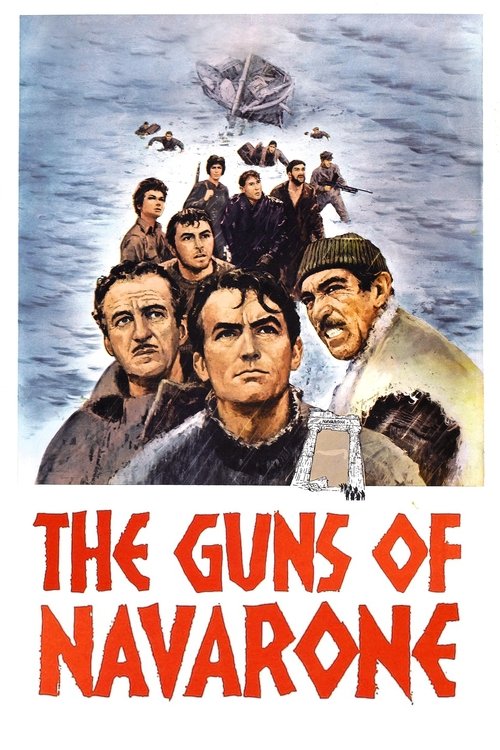
The Guns of Navarone1961
A heist-action film where clever planning matters as much as firepower. Same sense that outmaneuvering enemies is more satisfying than simply overpowering them.
But It's a straight wartime adventure with no comedy or satire. The sensibility is earnest in ways this film decidedly is not.
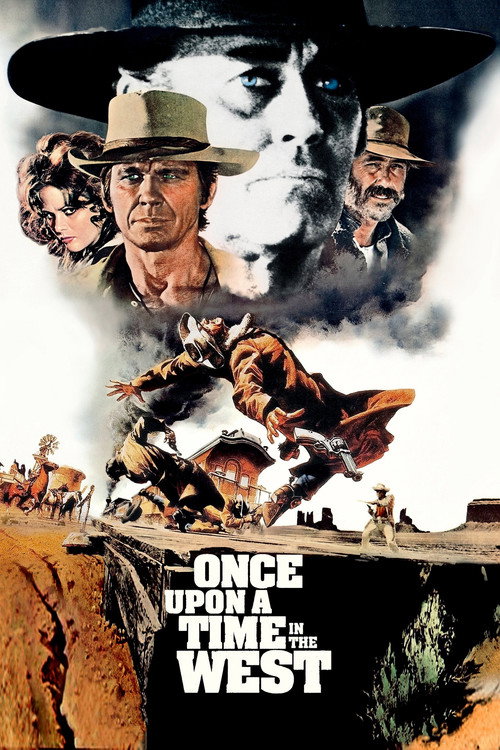
Once Upon a Time in the West1968
Leone again, but slower and more baroque. Henry Fonda as a villain is unforgettable. If you want the Western-as-opera feeling but with a stranger, darker tenor.
But Genuinely hypnotic but also genuinely glacial. Patience required. Some find it beautiful; others find it tedious.
Red Cliff2008
John Woo's historical action epic with similar scale and a cast you recognize. Massive set pieces, political intrigue, the same visual confidence and joy in movement.
But It's an adaptation of a 2000-year-old battle. The plot is subordinate to spectacle, which frustrates plot-driven viewers.
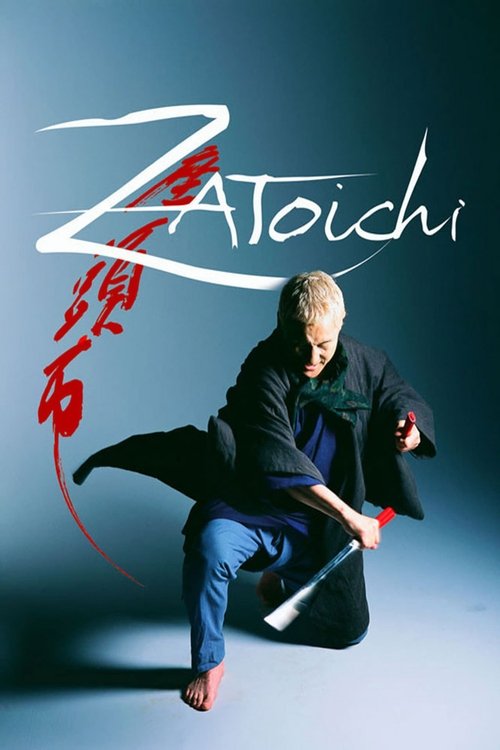
Zatoichi2003
Takeshi Kitano's samurai film about a blind swordsman cleaning up a corrupt town. Same underdog-versus-corruption shape, same tonal flexibility between comedy and violence.
But Kitano's style is deadpan and austere. It's less ebullient than this film—more interested in quiet moments than loud ones.
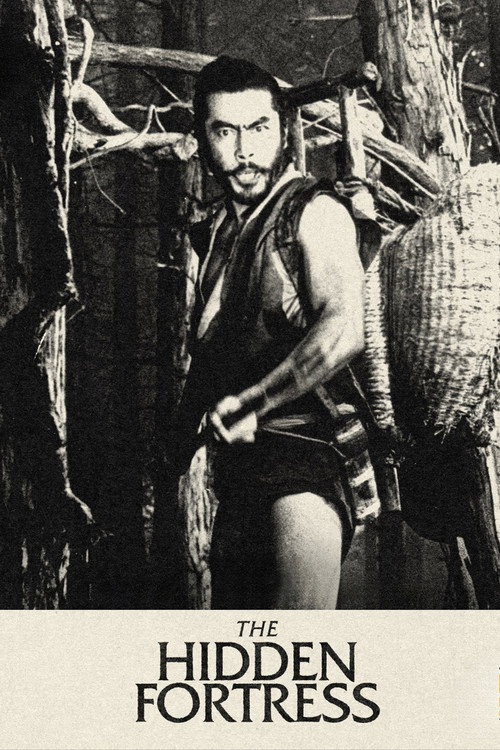
The Hidden Fortress1958
Kurosawa's adventure film about peasants caught in samurai politics. The DNA of all heist-and-con films. If you liked the structure of outmaneuvering through wit, this invented it.
But It's very much a 1958 film. Modern pacing expectations will chafe. The scale is intimate, not epic.
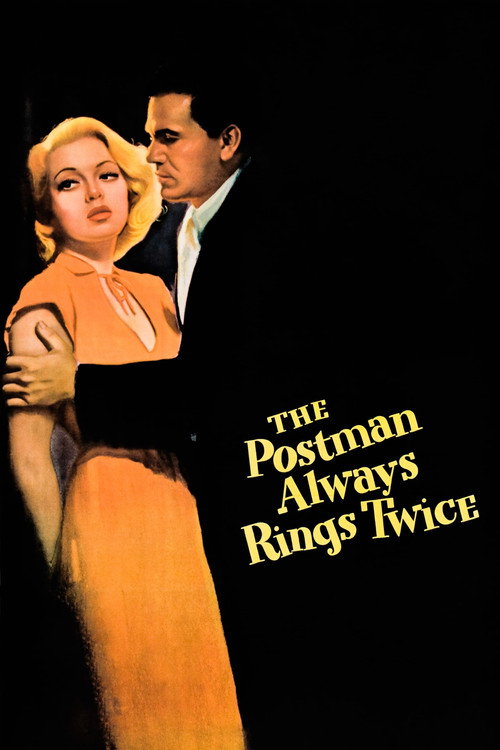
The Postman Always Rings Twice1946
Both films about outsiders using sex, wit, and ruthlessness to overturn a corrupt local order. Both trust moral ambiguity and audience sophistication.
A Hollywood noir about con artists, sexual manipulation, and small-town corruption. Same tonal chemistry—comedy and crime and desperation mixed without apology. Same era (spiritually, at least), same moral sludge.
But Black-and-white, 113 minutes, dialogue-heavy. No action. It's all shadows and innuendo. If you came for gunplay, you'll leave disappointed.
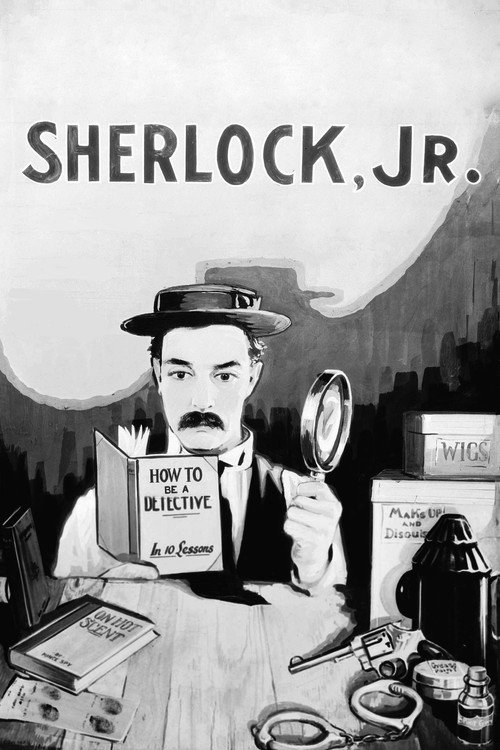
Sherlock Jr.1924
Both celebrate cleverness over strength; both use genre as a playground; both have a protagonist who must out-think rather than out-fight their opponents.
Buster Keaton's silent comedy about a projectionist who dreams himself into a film and has to outsmart criminals. The same pleasure in elaborate cons, physical wit, and narrative games. A century old and still dizzying.
But Silent film, 45 minutes, slapstick rather than gunplay. The humor is physical, not verbal. A completely different grammar of cinema.
People
Cast
 Jiang WenPocky Zhang
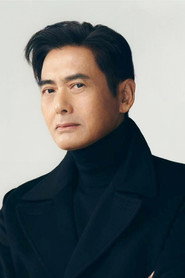 Chow Yun-FatHuang Silang
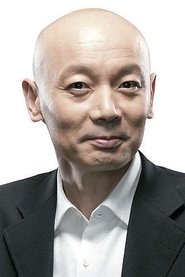 Ge YouOld Tang
 Carina LauMagistrate's wife
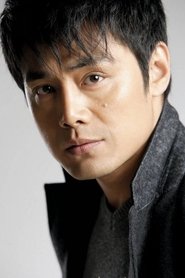 Shao BingThe Second
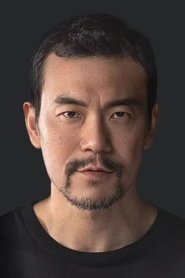 Liao FanThe Third
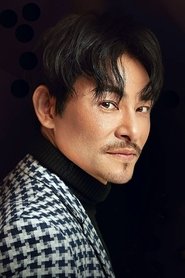 Du YihengThe Four
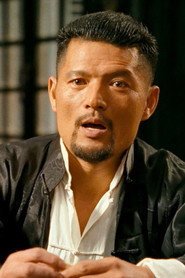 Li JingThe Five
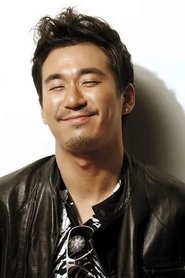 Zhang MoThe Six
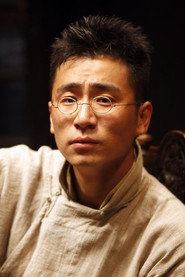 Wei XiaoThe Seven
 Zhou YunSister Hua
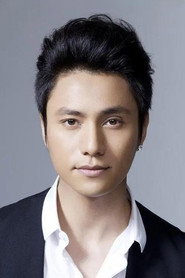 Chen KunHuwan
Directing
- Jiang WenDirector
Writing
Production
- Albert YeungExecutive Producer
- Ma KeExecutive Producer
- Albert LeeProducer
- Barbie Tung Wan-SiProducer
- Homber YinProducer
- Jiang WenProducer
- Zhao HaichengProducer