
Film
Shadow
Other titles called Shadow: the 2011 film.
Zhang Yimou's shadow-play masterpiece transforms a simple substitution plot into a visual and philosophical treatise on power, identity and performance. Drenched in blacks and greys, it moves like a chess game choreographed by someone who has studied both ancient war doctrine and ballet. Visually extraordinary; narratively austere. For those who believe a film can be about ideas while remaining completely gripping.
Should you watch it?
Watch it if you love a deceptive court intrigue wrapped in big battlefield spectacle, where the pleasure is watching a clever double-cross unfold and the handsome two-face performance does the heavy lifting.
Skip it if you want a lean, fast-moving war picture; at 116 minutes the scheming and political maneuvering take real time before the swords and armies truly get going.
What it asks of you: Patience with long stretches of palace talk and layered deception, then a big ornate payoff of combat. It rewards close attention to who is lying to whom, and it is sumptuously staged throughout.
Not sure? Find tonight's pick in a minute.
If you liked this
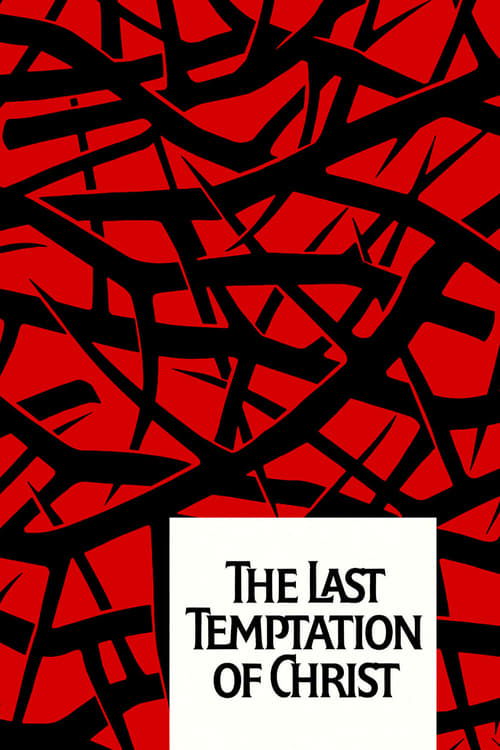
The Last Temptation of Christ1988
Scorsese's unflinching exploration of power, sacrifice and the gap between public performance and private doubt. Like Shadow, it finds spiritual complexity in a figure caught between duty and identity, and treats that struggle as genuinely tragic.
But It's controversial and takes formal risks that can feel punishing—static, philosophical, sometimes glacially paced. If you want catharsis, look elsewhere.
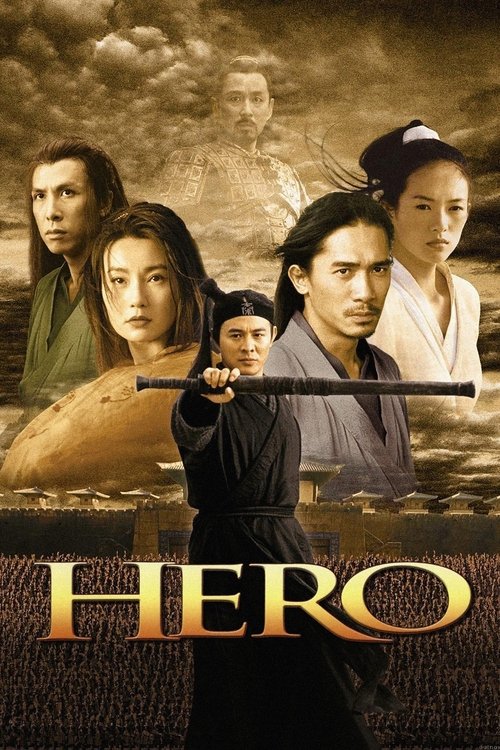
Hero2002
Yimou's earlier masterpiece, similarly drenched in saturated color and geometric choreography. A warrior must play a political role; the film asks what happens when that performance becomes indistinguishable from the self. Essential viewing.
But It's a period wuxia with stylized action that prioritizes image over kinetic momentum. The narrative deliberately refuses Western-style clarity or closure.
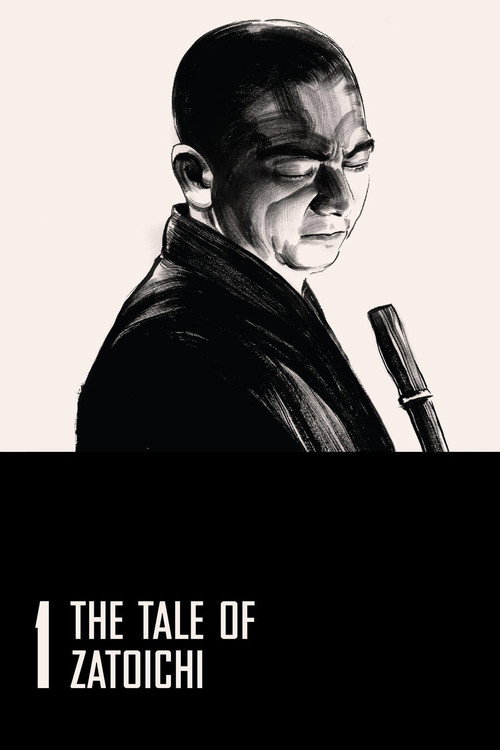
The Tale of Zatoichi1962
Masaki Kobayashi's blind swordsman film uses restraint and shadow as tools of suspense. Moral ambiguity, minimal dialogue, astonishing compositions—it proves that a warrior film can be contemplative without losing tension.
But Post-war Japanese cinema can feel slow to modern viewers. The action sequences are brief and occur in service of character, not spectacle.
Not sure tonight? Get a pick in a minute, starting from Shadow
The wildcard
Something you would not have found on your own.
The Red Shoes1948
Both films use color (or its absence), symmetry and performance as philosophical tools. A character is used as a perfect instrument by someone else, and both films ask whether that use is tragic or ennobling—or both.
Powell and Pressburger's ballet film about a woman caught between love and performance—between being a self and becoming a symbol. Every frame is ravishing; the film moves like Shadow, with geometric precision and operatic emotion. It's about what it costs to be a perfect instrument.
But It's a Technicolor melodrama from 1948, lavishly theatrical. If you need plot economy or emotional restraint, its excess will feel unbearable. The runtime is 133 minutes of pure aesthetic experience, not narrative momentum.

More like this (8)
Harakiri1962
Masaki Kobayashi's masterpiece about performance and the machinery of power. A man stages his own death as political theater; the film is geometrically precise, morally coruscating, unforgettable. Every frame is a painting.
But It's a relentless tragedy with no hope offered. The formal beauty makes the suffering more acute, not less. Expect to feel wrung out.

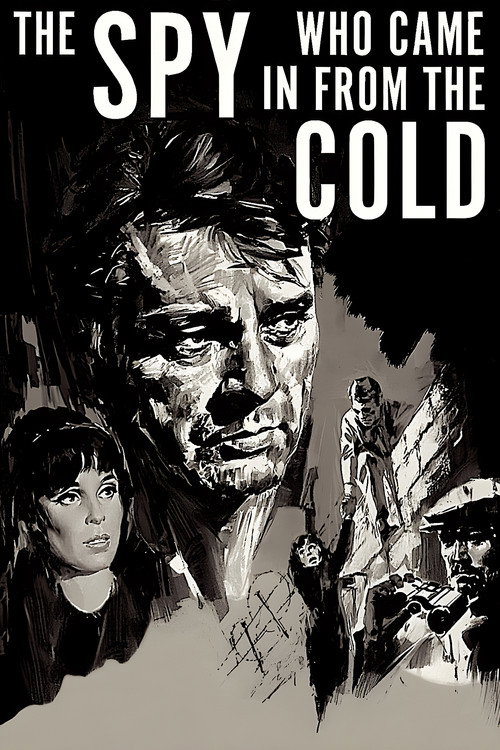
The Spy Who Came In from the Cold1965
le Carré's Cold War machinery, faithfully adapted: a man forced to become a living weapon, caught in systems larger than his will. It has Shadow's intelligence and cynicism, but set in a contemporary grey-on-grey world of bureaucratic cruelty.
But It's deliberately unglamorous and offers no satisfaction to the action-thriller appetite. The pacing is slow, the dialogue is coded, the ending is bleak.
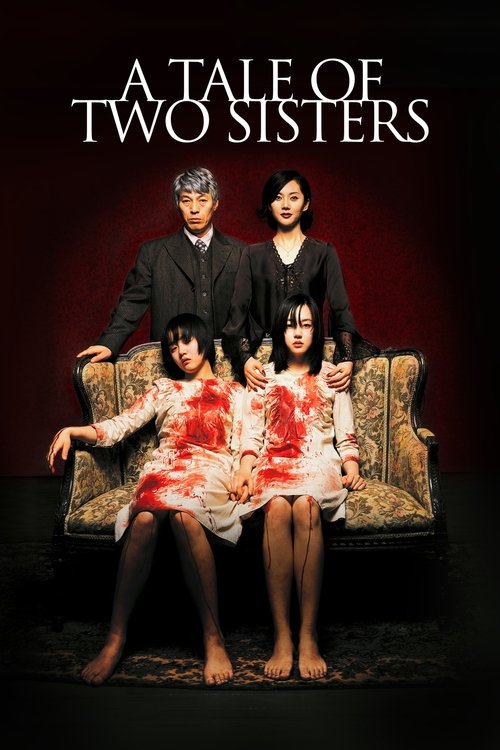
A Tale of Two Sisters2003
Kim Jee-woon's psychological horror film uses geometry, shadow and symmetry as narrative tools. Two daughters, two selves, two realities—it shares Shadow's fascination with performance, doubling and the instability of what we think we see.
But It's deliberately cryptic and resists interpretation. If you need plot clarity and emotional resolution, the repeated viewing it demands will feel like punishment.
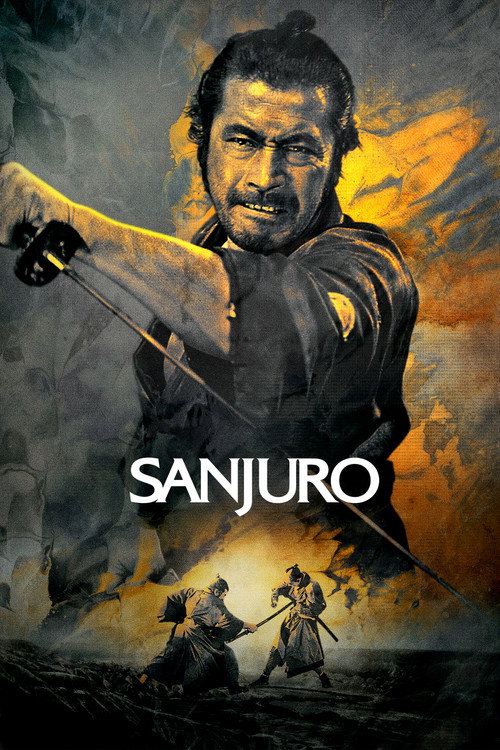
Sanjuro1962
Kurosawa's political thriller about men manipulating a young lord in service of hidden agendas. Taut, darkly comic, and formally inventive—it asks how power actually works in courts and what happens when the apparatus breaks down.
But It's a samurai film in a minor key, more interested in scheming than sword work. The pace is deliberately measured; expect conversation and strategy over action.
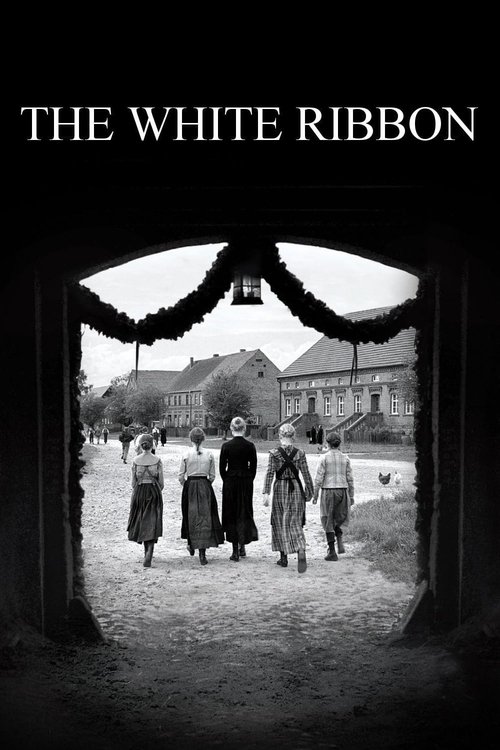
The White Ribbon2009
Haneke's investigation into power, secrets and control in a small Prussian village. Black-and-white, geometrically composed, morally austere. It shares Shadow's belief that evil lives in systems and that the image is never the truth.
But It's three hours of controlled dread with no climactic release. The narrative is deliberately fragmented; you leave with questions, not answers. Some will find this profound; others tedious.
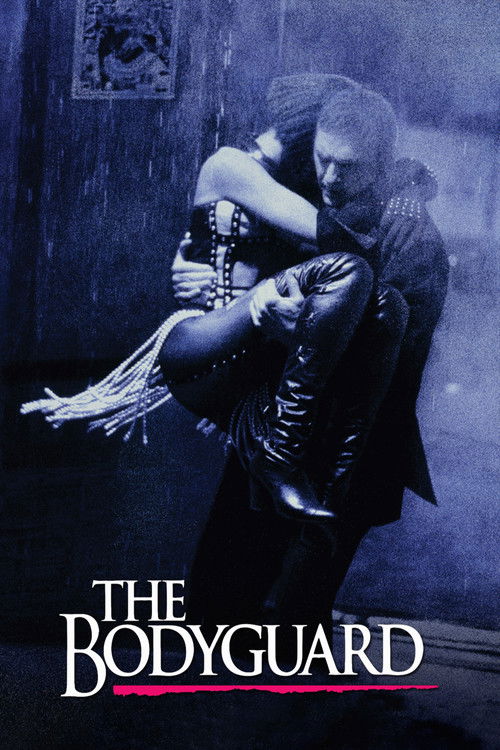
The Bodyguard1992
Andrew Davis's thriller, underrated: a man must become a shadow to protect the first lady, and the film explores how that role begins to consume identity. Tight plotting, genuine suspense, and an actor (Kevin Costner) playing against type—earnest, vulnerable, diminished.
But It's a 90s action film that trades on familiar tropes. If you know the genre, little will surprise you. The emotional notes feel broad compared to Shadow's subtlety.
Stalker1979
Both treat the world as a locked system governed by rules that cannot be bent. Both are about men moving through precisely composed spaces toward a goal that may destroy them. Both use visual beauty as a form of argument, not decoration.
Tarkovsky's science-fiction pilgrimage: a man guides two others through a forbidden zone toward a room that grants wishes. Hypnotic, philosophically rigorous, formally patient—it shares Shadow's belief that cinema can be contemplative without being dull. It moves at its own pace and demands surrender.
But It's a 163-minute Russian film from 1979. The pacing is glacial; dialogue is sparse; the plot is minimal. Modern audiences accustomed to narrative momentum will find it maddening. You cannot skim it.

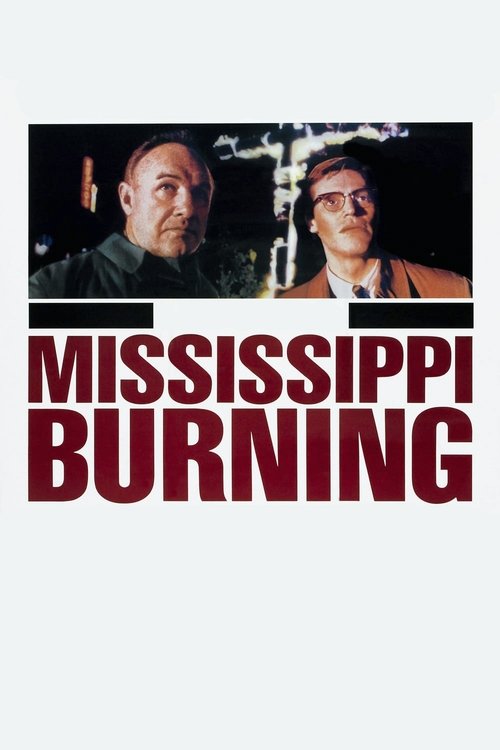
Mississippi Burning1988
Both films make the viewer complicit in watching a performance unfold. Neither tells you what is true; both ask you to observe carefully and draw your own conclusions. Both use formal restraint and visual precision to create moral ambiguity rather than release it.
Lee Chang-dong's mystery-thriller about class, ambition and the unknowability of others. It shares Shadow's cool formalism and refusal to provide certainty—a servant watches a wealthy man and a woman, and the film becomes a study in performance, suspicion and what we cannot see.
But It's a 148-minute slow-burn psychological puzzle with no clear answers. The tone is frigid; the payoff is existential, not cathartic. If you need plot resolution or emotional warmth, this will feel like being locked in a cold room.
People
Cast
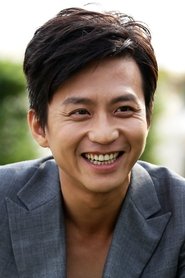 Deng ChaoCommander Zi Yu / Jing Zhou
 Sun LiMadam Xiao Ai
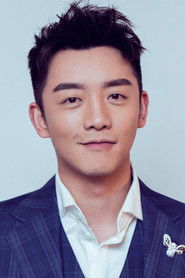 Ryan Zheng KaiKing Pei Liang
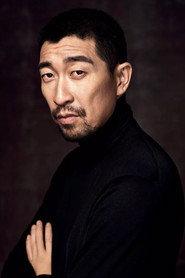 Wang QianyuanCaptain Tian Zhan
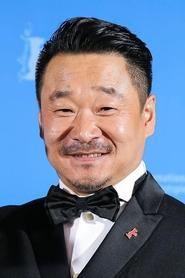 Wang JingchunMinister Lu Yan
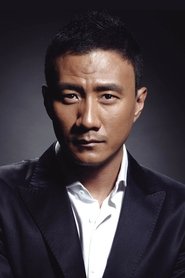 Hu JunGeneral Yang Cang
 Guan XiaotongPrincess Qing Ping
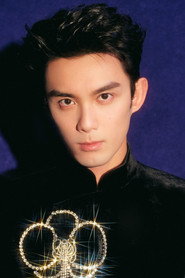 Leo WuYang Ping
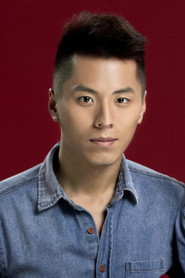
 Li ZhuoyangGuicheng Death Soldier
Directing
- Dee DeeAction Director
- Zhang YimouDirector
Writing
- Zhu SujinOriginal Film Writer
- Li WeiScreenplay
- Zhang YimouScreenplay
Production
- Chen LizhiAssociate Producer
- Dou YuchunAssociate Producer
- Guo KeyuAssociate Producer
- Jim MaAssociate Producer
- Jonah GreenbergAssociate Producer
- Lang DiAssociate Producer
- Liang ShihAssociate Producer
- Michael J. WernerAssociate Producer
- Sherry XieAssociate Producer
- Karine LiCo-Executive Producer
- Mi DaCo-Executive Producer
- Yibin TangCo-Executive Producer
- Yu DongCo-Executive Producer
- Zheng ZhihaoCo-Executive Producer
- Edward ChengExecutive Producer
- Lian JieExecutive Producer
- Zhang ZhaoExecutive Producer
- Anna GaoProducer
- Chen SuProducer
- Chen YingjieProducer
- Ellen EliasophProducer
- Huang ZiyanProducer
- Kang LiProducer
- Liu JunProducer
- Pang LiweiProducer
- Quan WeiProducer
- Wang XiaozhuProducer
- Zhang ZhaoProducer
- Chen MeijingProduction Manager
- Huang BaorongProduction Supervisor
Recommended by
Mulan, Legend of Fei, The Great Wall, The Thousand Faces of Dunjia