
Television series
Blue Eye Samurai
Blue Eye Samurai is Netflix's animated marvel: a hand-drawn, blood-slicked revenge epic set in Edo Japan, following a mixed-race swordswoman hiding in plain sight as a man while she hunts the four foreigners who might be her father. It's gorgeous, brutal, and surprisingly interior — part chanbara thriller, part meditation on identity, shame, and what vengeance actually costs.
If you liked this
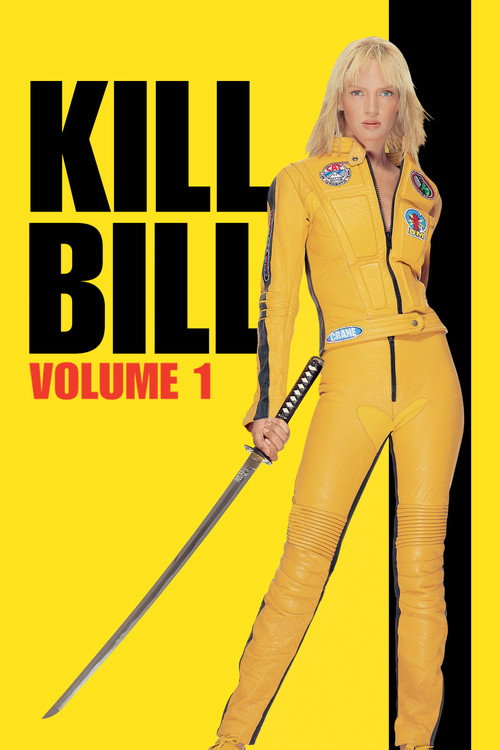
Kill Bill: Vol. 12003
Tarantino's own genre-tribute to Japanese revenge cinema, following a lone woman cutting a bloody, stylised path toward the people who wronged her. It's the obvious cousin to Mizu's story, and just as unapologetically vicious.
But The gleeful cartoon violence and pop-culture magpie style can feel glib next to Blue Eye Samurai's quieter emotional weight.
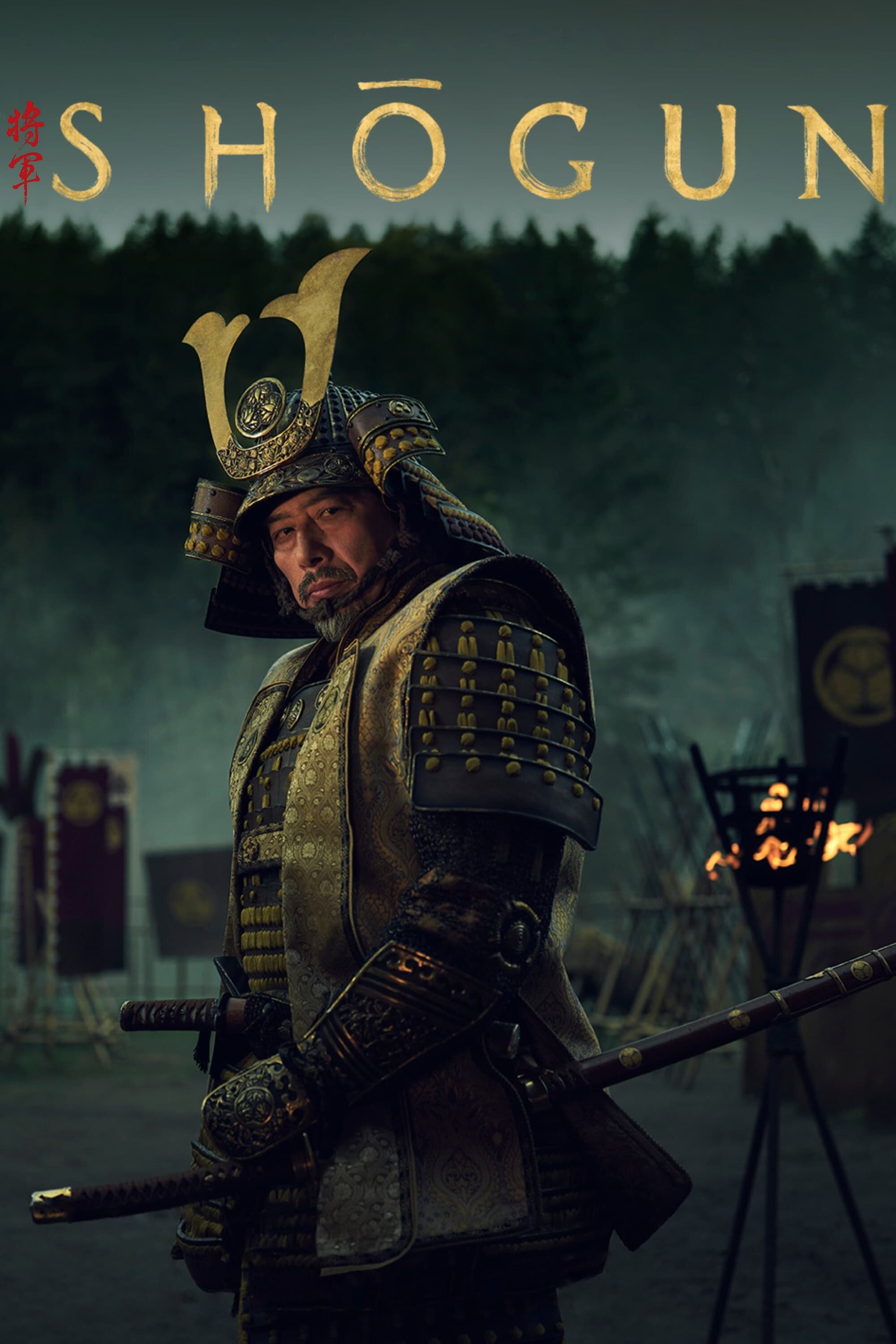
Shōgun2024
A lavish, meticulously researched drama set in the same feudal Japan, trading swordfights for political intrigue and culture clash, with a foreigner navigating a world that both needs and despises him.
But It's slower and talkier — courtroom politics and etiquette rather than blades, so don't expect the same pace of violence.
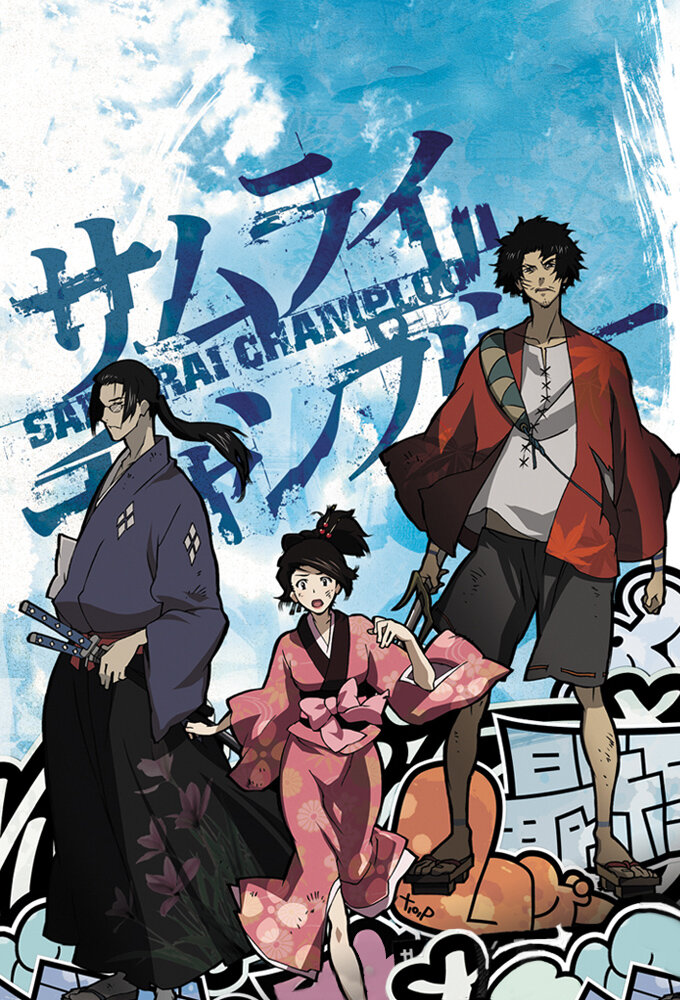
Samurai Champloo2004
An anime road trip through Edo Japan with hip-hop needle drops and wandering swordsmen, mixing anachronism and violence with real tenderness. Shares Blue Eye Samurai's outsider energy and stylistic swagger.
But Looser and more episodic than serialized revenge plotting; if you want tight plot momentum, this meanders more.
The wildcard
Something you would not have found on your own.
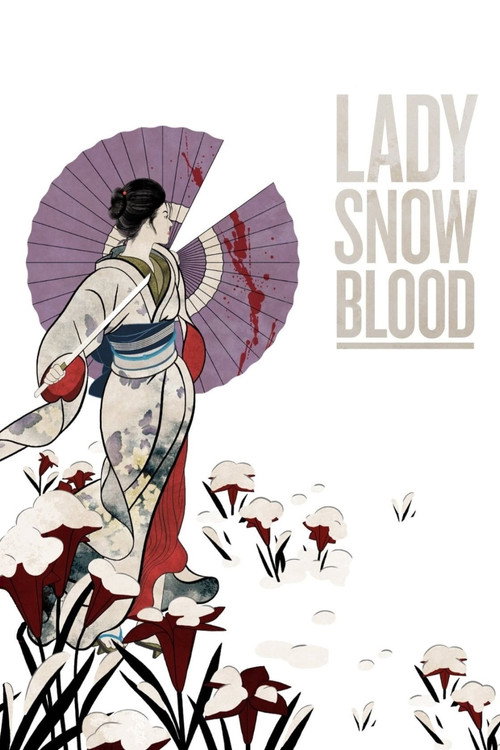
Lady Snowblood1973
The blueprint: a woman engineered from childhood into a weapon of vengeance, moving through a hostile world in disguise. Blue Eye Samurai inherits its aesthetic and its moral question directly.
A woman raised from birth for one purpose — killing the men who destroyed her family — moves through snow-white landscapes turned red with astonishing visual control. Kill Bill stole its DNA wholesale.
But It's pulpy '70s exploitation cinema — melodramatic, cheaply made in places, with none of the modern polish or interiority.
More like this (8)
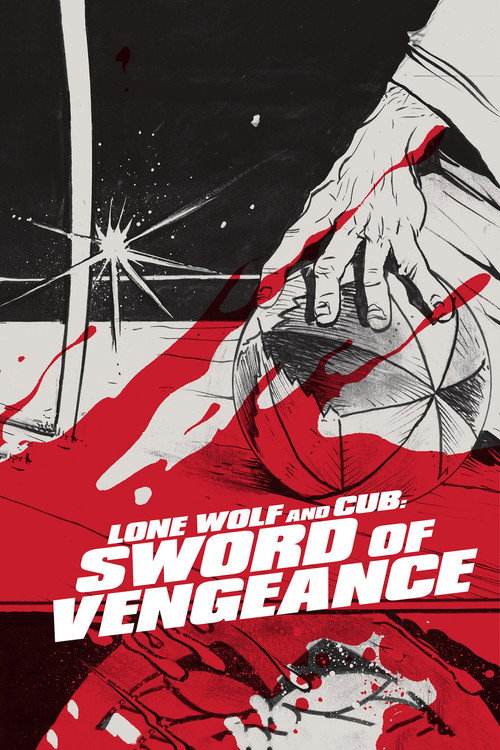
Lone Wolf and Cub: Sword of Vengeance1972
The granddaddy of samurai revenge cinema — a disgraced executioner and his infant son cut a bloody path through feudal Japan. Its cool brutality and moral shading run straight through to Mizu's story.
But It's a product of its era: pacing is deliberate, violence is theatrical rather than kinetic, and it shows its age.
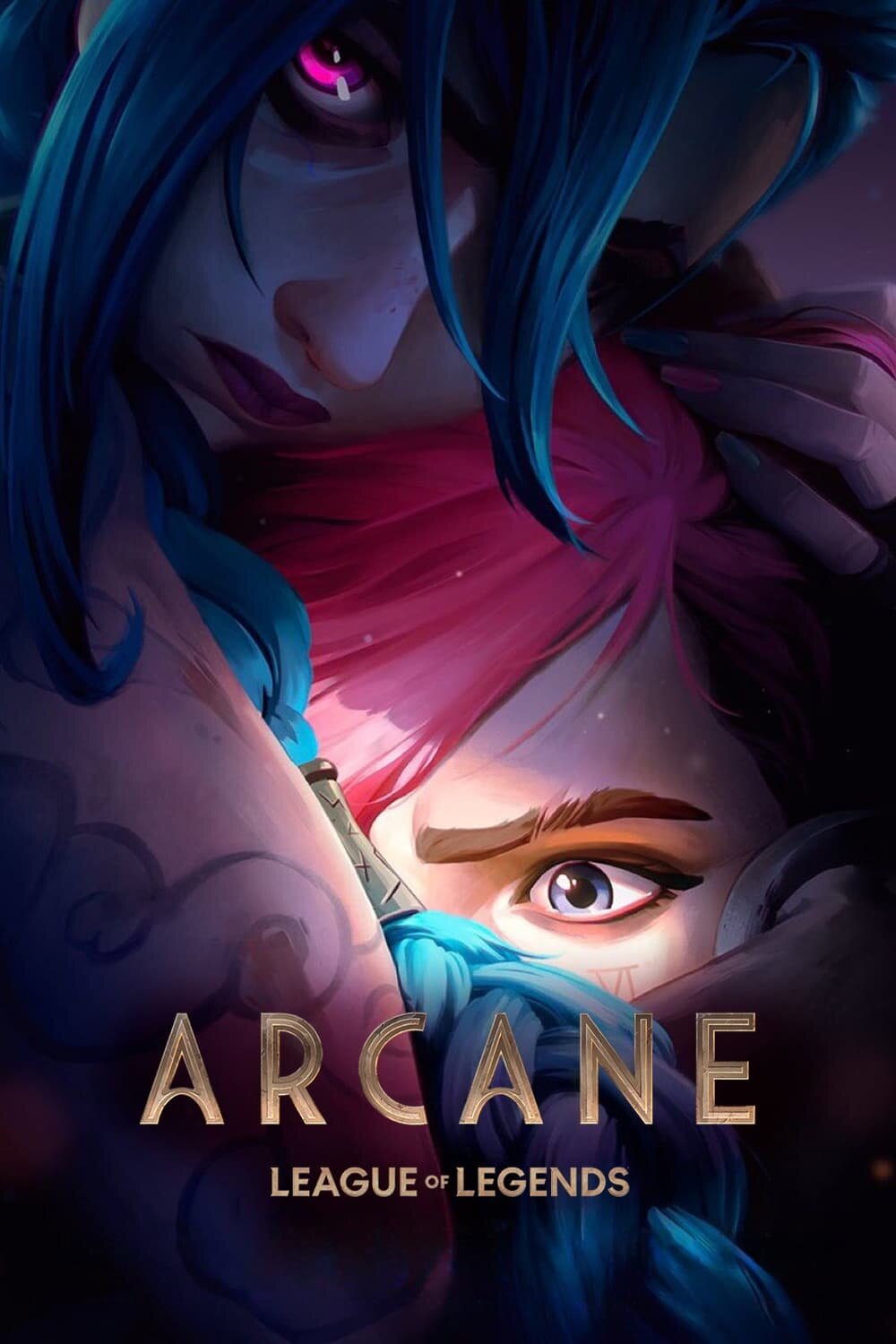
Arcane: League of Legends2021
Gorgeous painterly animation for adults, following sisters torn apart by class and circumstance into opposing sides of a brutal conflict. Proof that animated television can carry real emotional and political weight.
But It's fantasy steampunk, not period Japan — the visual and tonal register is very different, more comic-book than woodblock print.
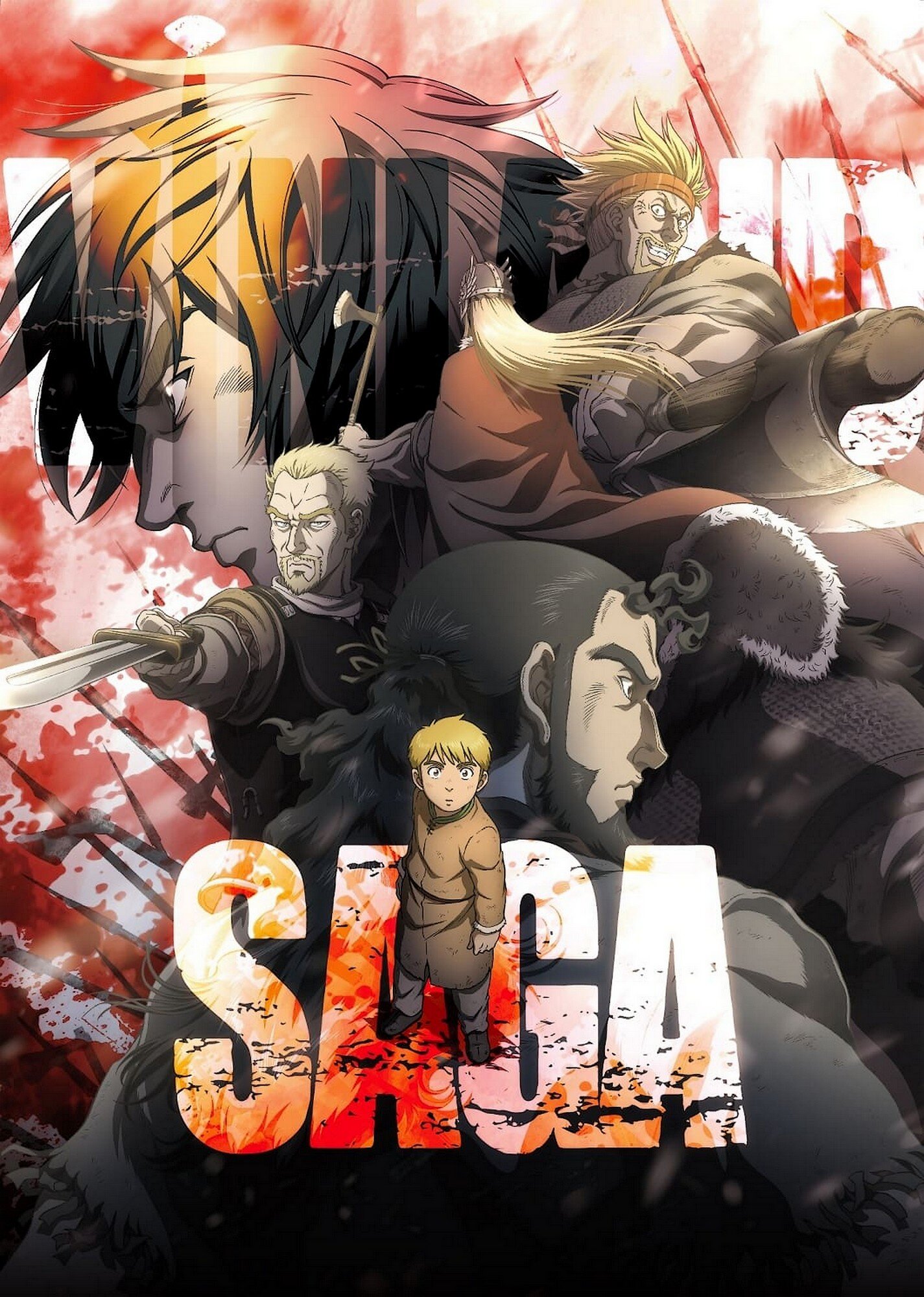
Vinland Saga2019
A young Viking's revenge quest curdles into something more complicated as he grows older and starts questioning the violence he was raised for. Same arc of vengeance interrogated as a moral trap.
But It's a long commitment across two seasons, and the shift from war epic to farm drama surprises — and loses — some viewers.
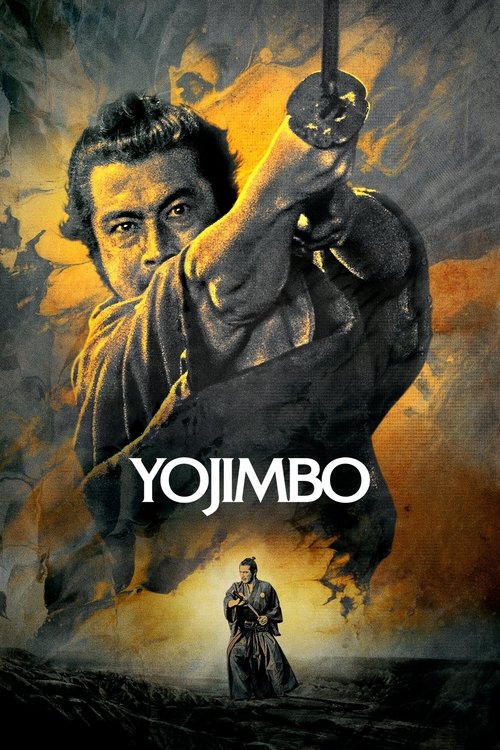
Yojimbo1961
Kurosawa's masterclass in cool, controlled violence — a wandering ronin plays two rival gangs against each other for his own amusement and profit. The template so much samurai cinema still borrows from.
But Black and white, deliberately paced, and dry rather than emotionally raw — a very different viewing experience from Mizu's story.
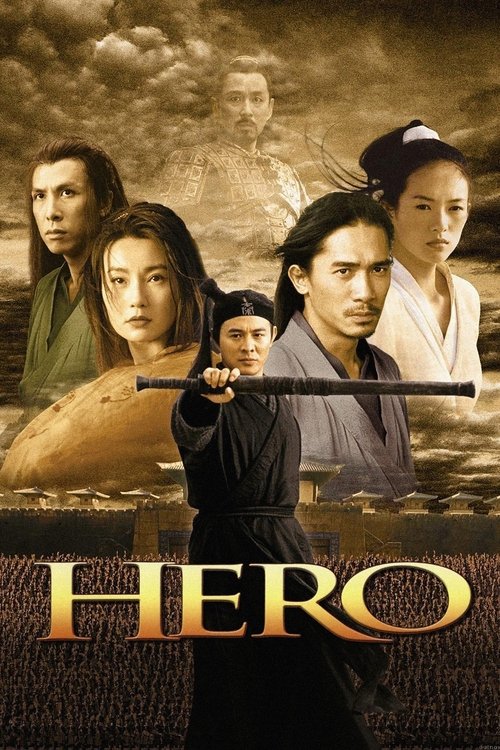
Hero2002
A wuxia epic told in shifting, contradictory versions of the same assassination story, drenched in colour-coded cinematography. Gorgeous, formally daring, and just as interested in the price of vengeance.
But Its structure is puzzle-box and philosophical rather than propulsive — closer to art film than action thriller.
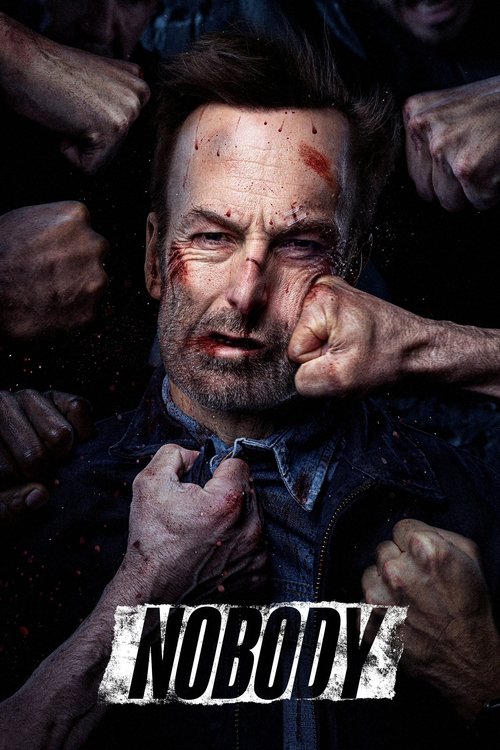
Nobody2021
Bob Odenkirk as a mild suburban dad who turns out to be a terrifyingly efficient killer once pushed too far — trashy, brutal, and gleefully committed to its own violence.
But It's contemporary and pulpy rather than period and poetic; the tone is much broader and less interested in interiority.
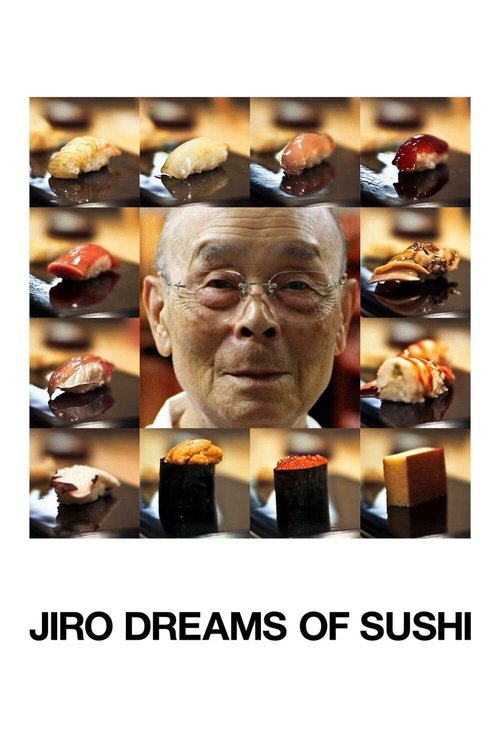
Jiro Dreams of Sushi2011
Mizu's world runs on the same code as Jiro's kitchen: the swordsmith's discipline, the years of repetition, the idea that craft and identity are inseparable. This is that philosophy stripped of the blood.
A quiet documentary about an elderly sushi master's decades of relentless, obsessive discipline in pursuit of a single perfect craft. No violence, no plot — just total devotion to mastery.
But It's slow, meditative, and entirely without conflict or drama in the conventional sense — a total tonal 180 from a revenge story.
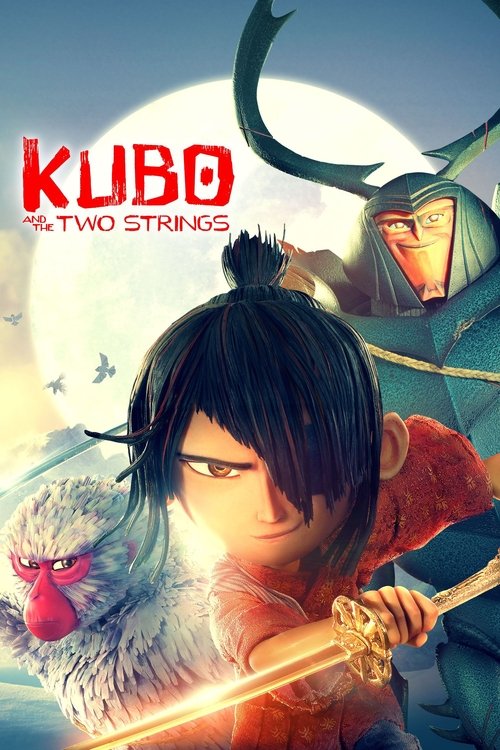
Kubo and the Two Strings2016
Same engine, different costume: a half-outsider child hiding from an inherited threat, forging an identity between two worlds they belong to and don't. Kubo just tells it as a lullaby instead of a blade fight.
A stop-motion fable about a boy of mixed heritage hunted by his own monstrous family, armed only with a magic instrument and his wits. Gorgeous, melancholy, and surprisingly dark for family animation.
But It's a PG family film — gentler, more whimsical, and without the visceral stakes or adult violence of Mizu's story.
People
Cast






Writing
- Amber NoizumiCreator
- Michael GreenCreator
Production
- Amber NoizumiExecutive Producer
- Erwin StoffExecutive Producer
- Michael GreenExecutive Producer
- Jane WuSupervising Producer