
Film
Seven Swords
Tsui Hark's sweeping martial arts epic follows seven swordsmen defying a Manchu ban on kung fu, each wielding distinctive styles. It's visually lavish and structurally ambitious, with combat choreography that justifies the lengthy runtime. For those who want their action films to feel like historical epics with real stakes and ensemble depth.
If you liked this
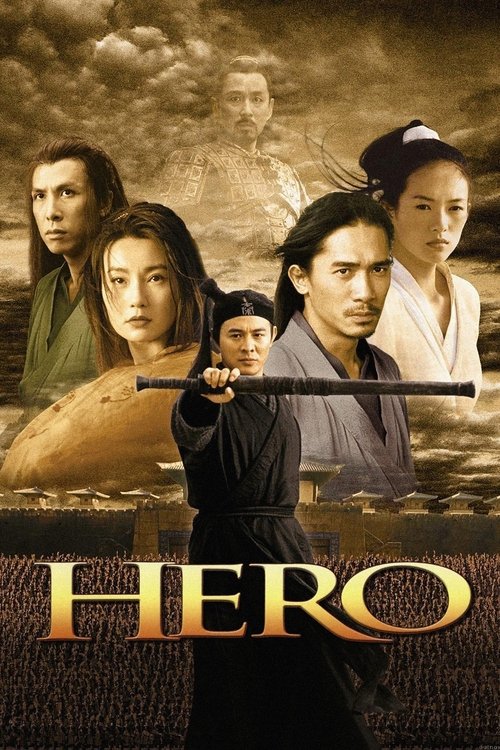
Hero2002
Zhang Yimou's even more stylistically audacious wuxia film, with combat sequences that function as colour-coded philosophical arguments. Equally concerned with loyalty, sacrifice, and the cost of resistance.
But Its meditative pacing and painterly approach frustrate viewers wanting kinetic action; the political ambiguity divides audiences on whether it endorses or critiques its regime.
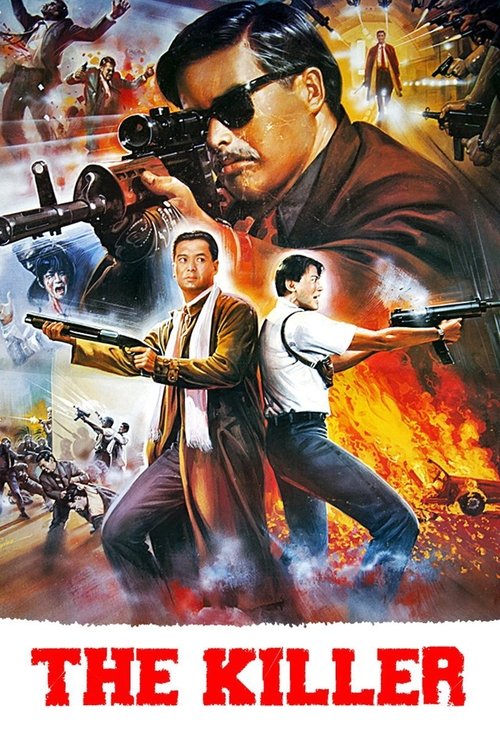
The Killer1989
John Woo's masterpiece of operatic violence and honour. Two men—assassin and cop—bound by mutual respect across enemy lines, with balletic gunfights that redefined action cinema.
But The sentimental melodrama and religious symbolism feel heavy-handed now; the body count is staggering in ways some find gratuitous rather than graceful.
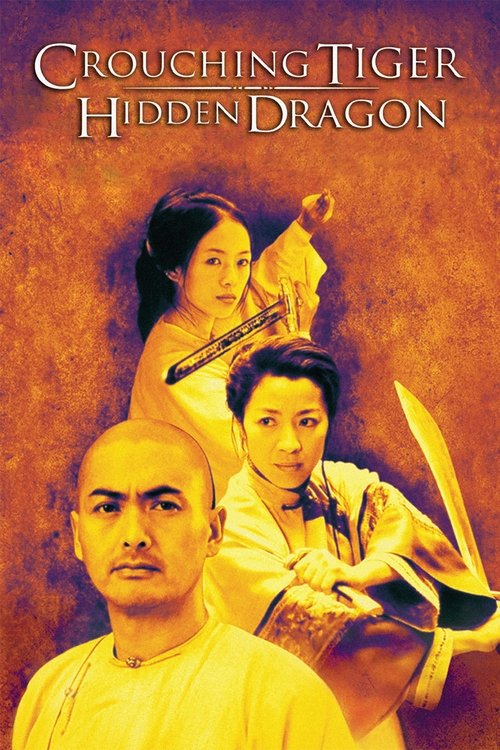
Crouching Tiger, Hidden Dragon2000
Ang Lee's globally resonant wuxia that balances intimate character drama with gravity-defying action. Women warriors as complex, conflicted, and central as in Seven Swords, but with a lighter touch.
But If you want practical, grounded fighting, the wire work feels theatrical; it also lacks Seven Swords' commitment to multiple combat styles and ensemble storytelling.
Not sure tonight? Get a pick in a minute, starting from Seven Swords
The wildcard
Something you would not have found on your own.
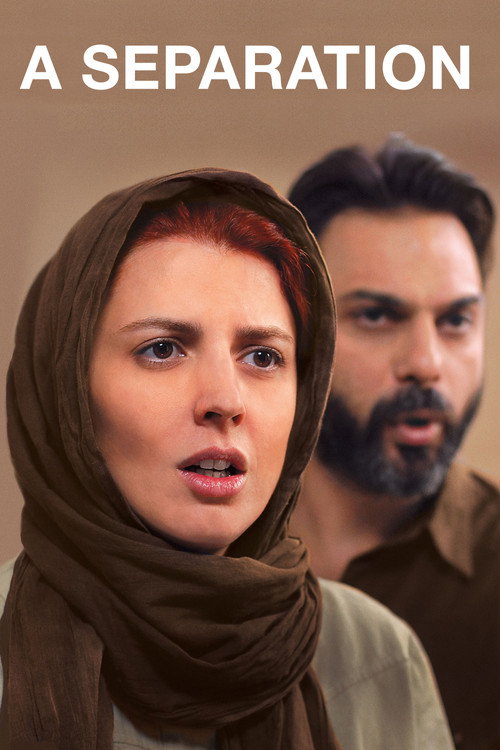
A Separation2011
Both films are about resistance to oppressive order and the personal cost when individuals become entangled in larger ideological conflicts. Each shows protagonists discovering that principle and survival often cannot coexist.
Asghar Farhadi's Iranian drama about two families locked in escalating conflict over principle and survival. Like Seven Swords, it's about good people forced into impossible positions by systems larger than themselves, but it replaces swordplay with law, conversation, and the anguish of moral compromise.
But There's no action or spectacle—only the slow devastation of ordinary life; the Iranian setting and domestic focus feel worlds away from martial epic.
More like this (6)
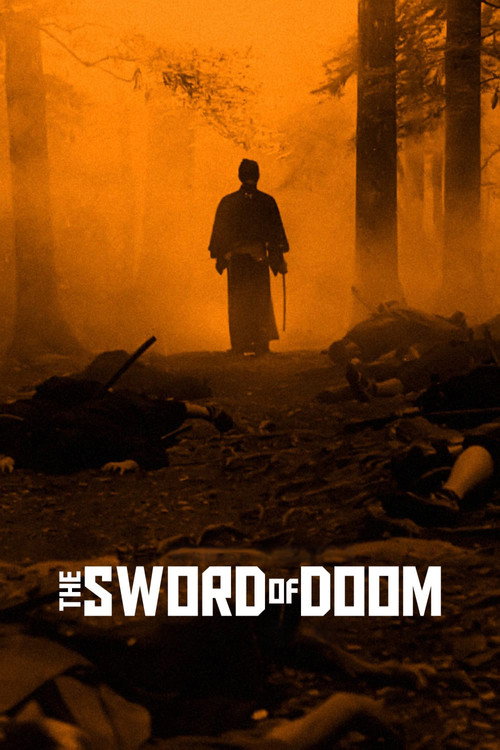
The Sword of Doom1966
Tatsuya Nakadai as a samurai so morally corroded that violence becomes his only language. Existentially bleak, beautifully composed, with swordfighting as spiritual reckoning rather than heroism.
But It's deliberately anti-cathartic and bleaker than any modern action film; the pacing is slow, and the protagonist offers no comfort or redemption.
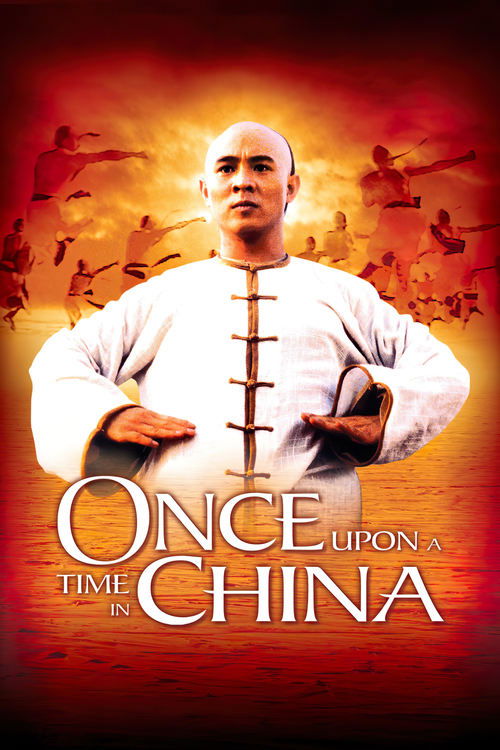
Once Upon a Time in China1991
Jet Li as Wong Fei-hung during foreign invasion, balancing martial artistry with genuine political conflict. Tsui Hark directed this too—it's where many of Seven Swords' visual and thematic ideas germinated.
But The first in a series, so some threads feel like setup; the tone whipsaws between comedy, drama, and action in ways that can feel tonal rather than integrated.
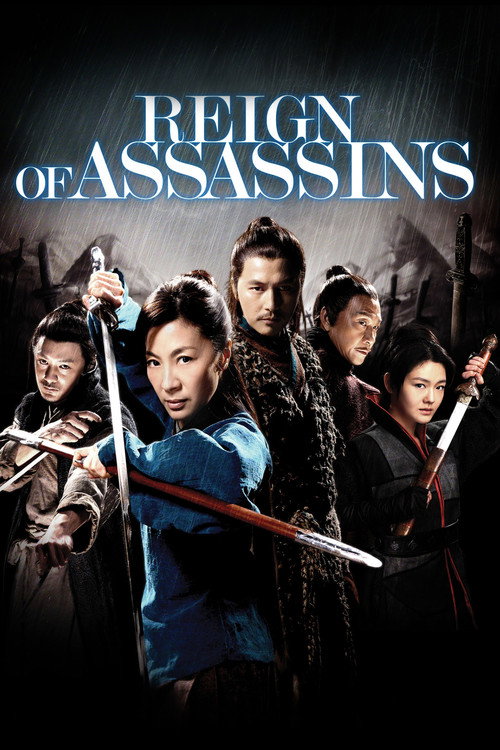
Reign of Assassins2010
Michelle Yeoh as a reformed assassin in a fractured empire, with ensemble cast dynamics and action that prioritises character over spectacle. Smaller in scope but tighter in execution than Seven Swords.
But The plot occasionally feels overcomplicated for its own good; viewers wanting elaborate set-pieces may find it restrainedly staged.
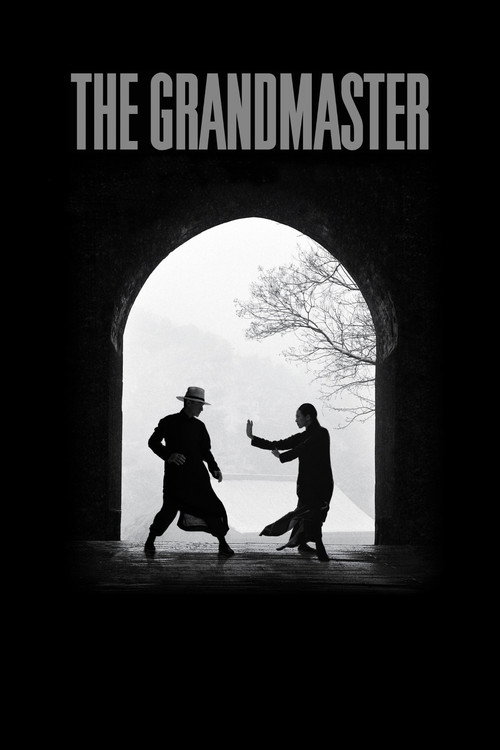
The Grandmaster2013
Wong Kar-wai's formally audacious martial arts film about Ip Man navigating between schools and empires. Painterly, melancholic, obsessed with the weight of tradition and personal sacrifice.
But It's fragmented and impressionistic rather than clearly plotted; the combat is aesthetic rather than visceral, which alienates both action and narrative-focused viewers.
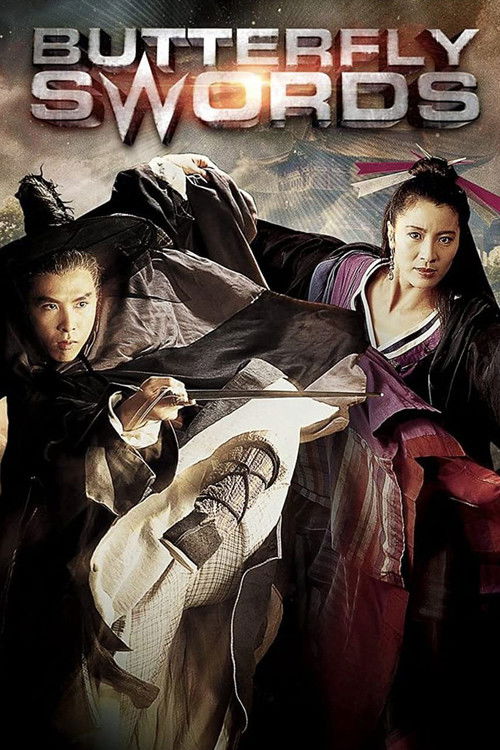
Butterfly and Sword1993
A lighter, more playful Tsui Hark ensemble wuxia with romantic comedy alongside swordplay. Shows the director's range and his ability to balance tone without losing stakes.
But The comedy can undercut dramatic weight; it's less visually ambitious than Seven Swords and feels dated in ways its predecessor hasn't quite managed.
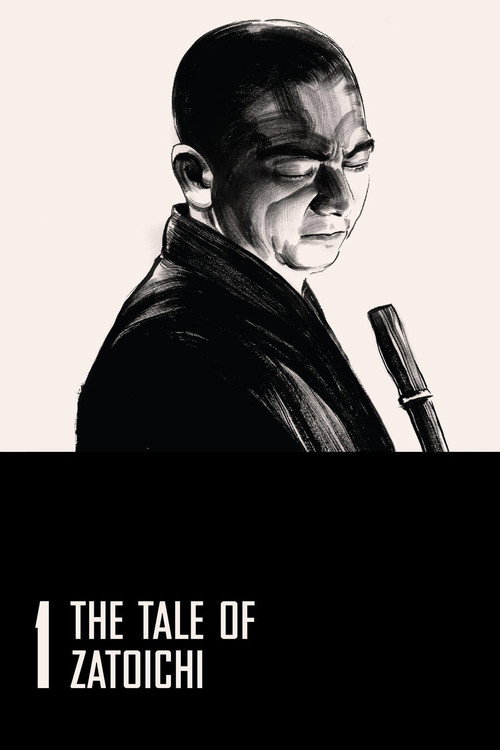
The Tale of Zatoichi1962
Both are period action films that treat martial skill as spiritual practice rather than mere technique, and both explore how individual mastery becomes irrelevant when caught in systemic violence and oppression.
Masaki Kobayashi's debut about a blind swordsman navigating wartime Japan, balancing introspection with sudden, brutal violence. A single protagonist rather than an ensemble, but the philosophical weight and formal control rival Seven Swords' ambition.
But The pacing is meditative and sometimes static; viewers wanting propulsive momentum or spectacle will find it austere and deliberately paced.
People
Cast
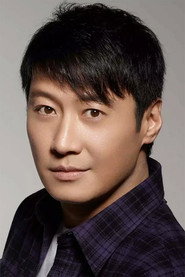 Leon Lai MingYang Yuncong
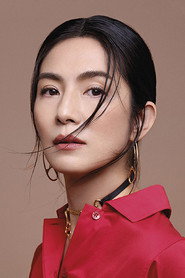 Charlie Yeung Choi-neiWu Yuanying
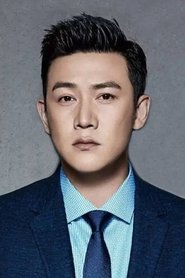 Lu YiHan Zhibang
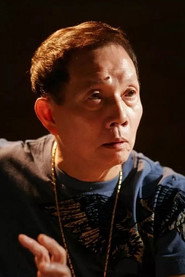 Lau Kar-leungFu Qingzhu
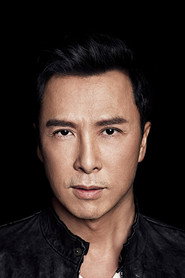 Donnie YenChu Zhaonan
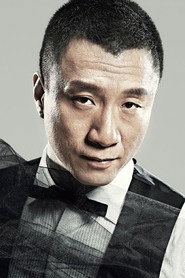 Sun HongleiGeneral Fire-Wind
 Kim So-yeonGreen Pearl
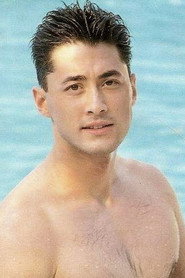 Michael WongPrince Dokado
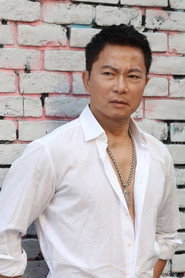 Chi Kuan-ChunQiu Luo Dong
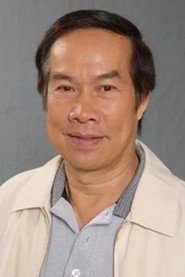 Jason Pai PiaoLiu Jin Yi
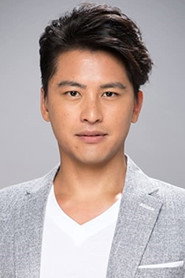 Duncan ChowMu Lang
 Tai Li-WuXin Longzi
Directing
- Eugenia Lai Man-YauAssistant Director
- Mak Ho-PongAssistant Director
- Yuan WeidongAssistant Director
- Tsui HarkDirector
- Philip ChanFirst Assistant Director
- Tommy Wai-Tak LorSecond Assistant Director
Writing
- Liang YushengNovel
- Cheung Chi-SingScreenplay
- Chun Tin-NamScreenplay
- Tsui HarkScreenplay
Production
- Bong-Chui HongExecutive Producer
- Pan ZhizhongExecutive Producer
- Raymond Wong Pak-MingExecutive Producer
- Fung Chi-WaiLine Producer
- Cheng YunProducer
- Chzung Chi-SingProducer
- Lee Joo-ickProducer
- Ma ZhongjunProducer
- Shi NansunProducer
- Tsui HarkProducer