
Film
Chinese Odyssey 2002
- Romance
- Light-hearted
A romantic fantasy-comedy set in an ancient Chinese palace and bustling marketplace, where two pairs of siblings navigate fate, disguise, and impossible love. Colourful, deliberately silly, and powered by Tony Leung's charisma and Faye Wong's comic timing. For anyone who enjoys romance that doesn't take itself seriously and action that serves the joke.
Should you watch it?
Watch it if you enjoy loopy, self-aware romantic comedy that treats a tragic-fated love story as an excuse for slapstick, wuxia spectacle and deliberately silly dialogue.
Skip it if you want a tidy plot or a straight-faced fantasy; the jokes are scattered and the story wanders, so its goofiness may feel like wheel-spinning.
What it asks of you: Ninety-one minutes, so it moves briskly, but it switches between broad gags, sudden sincerity and swordplay, and it expects you to keep up with its tonal jumps.
Not sure? Find tonight's pick in a minute.
If you liked this
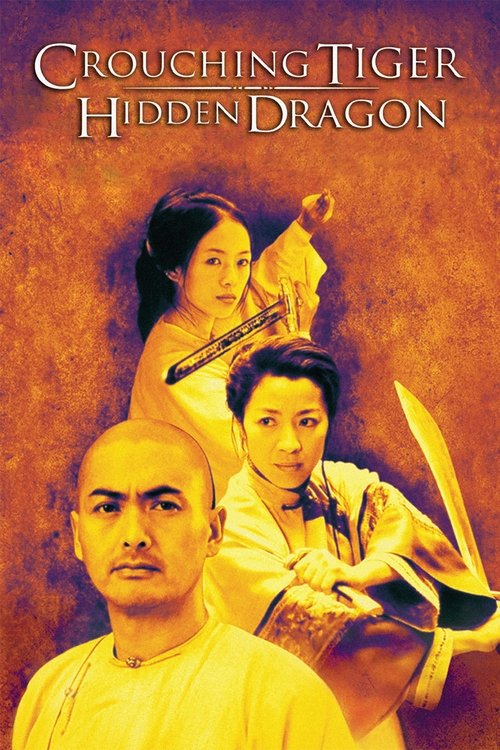
Crouching Tiger, Hidden Dragon2000
Sweeping martial-arts romance with genuine emotional depth and jaw-dropping wire work. Proves that action and intimacy aren't opposites. Beguiling, visually stunning, and it changed what Western audiences expected from the form.
But It's meditative where Chinese Odyssey is antic; three hours where this is ninety minutes. The pacing is deliberate. Some find it dated now.
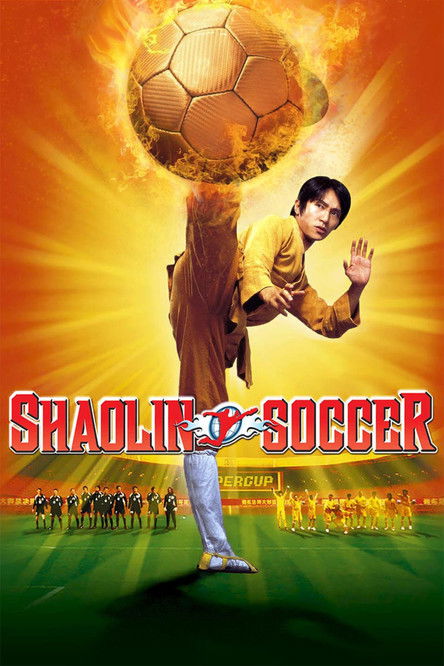
Shaolin Soccer2001
Stephen Chow's absurdist action-comedy about monks playing football. Same gleeful disregard for physics and coherence, same commitment to making you laugh while things explode. Pure joy disguised as genre movie.
But The humour is very broad and visual. If you prefer wit to slapstick, you'll feel like the film is shouting. The early CGI ages noticeably.
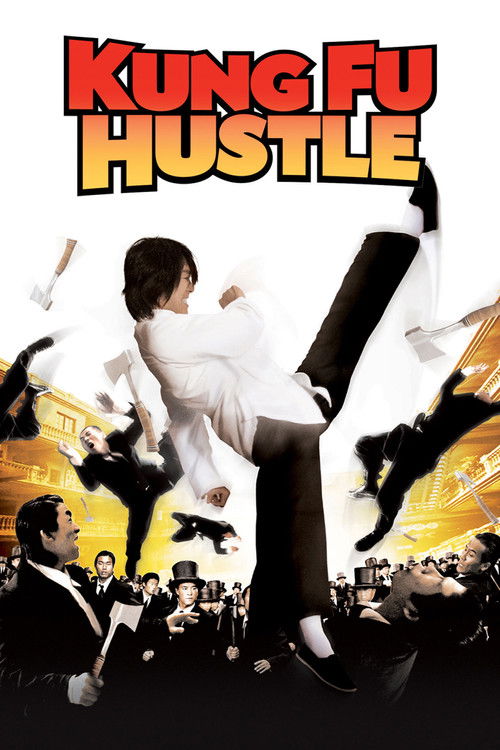
Kung Fu Hustle2004
Another Chow film that juggles action, romance, and comedy with supernatural style. Same DNA as Chinese Odyssey—antic energy, genuine heart underneath, inventive fight choreography that serves the story's absurdity.
But It's relentlessly maximalist. There's rarely a quiet moment. If you want subtlety or character depth, you'll feel steamrolled.
Not sure tonight? Get a pick in a minute, starting from Chinese Odyssey 2002
The wildcard
Something you would not have found on your own.
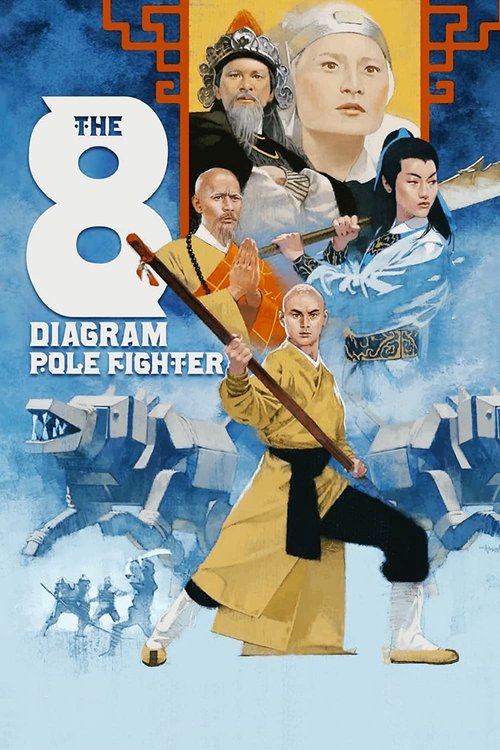
The 8 Diagram Pole Fighter1984
Both films understand that wuxia is fundamentally about family, duty, and the ridiculous situations honour creates. Hung pioneered the blend of slapstick, sentiment, and swordplay that Chinese Odyssey inherits wholesale.
Sammo Hung's wuxia masterpiece predates both films by nearly two decades, but it's the missing link—the film that proved martial arts action could marry family drama, physical comedy, and genuine spectacle. Pacing, wit, and choreography that influenced everything after it.
But It's visibly older; the image quality varies wildly. Action sequences are shot differently than modern films—longer takes, less cutting, which can feel slow to contemporary eyes.
More like this (8)
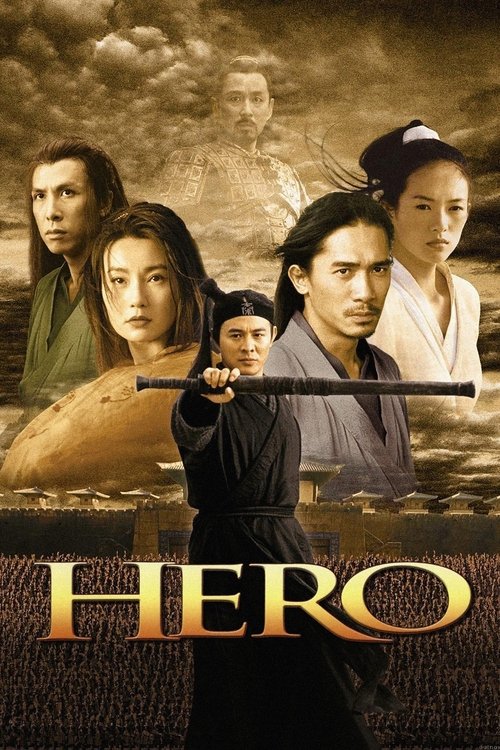
Hero2002
Zhang Yimou's wuxia masterpiece, release-year contemporary to Chinese Odyssey. Staggering colour and composition; a meditation on sacrifice and truth told through breathtaking action sequences. Ambitious and genuinely moving.
But The tone is grave and philosophical where Chinese Odyssey is playful. It's slow-building. The philosophical framing can feel heavy-handed to some viewers.
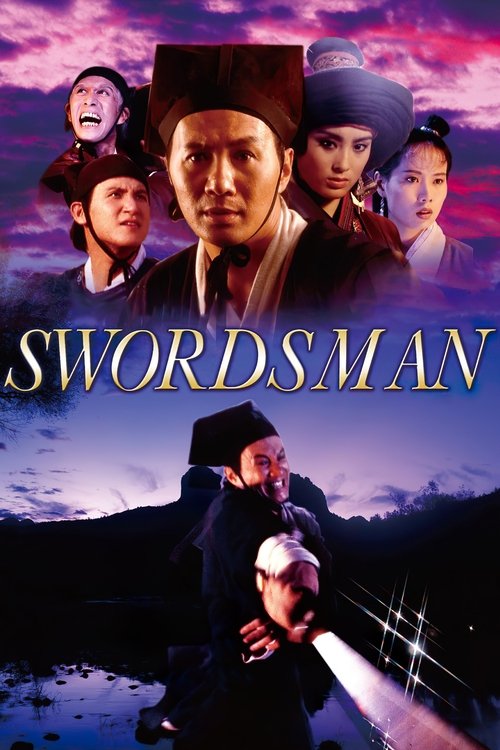
Swordsman1990
King Hu's wuxia classic that defined the visual language both films inherit. Elegant sword work, genuine romance, conspiracy and destiny as themes. Proof that the form can be poetic and thrilling simultaneously.
But It's from 1990 and it shows. The pacing is measured to the point of glacial for modern viewers. You need patience and willingness to sit with silences.
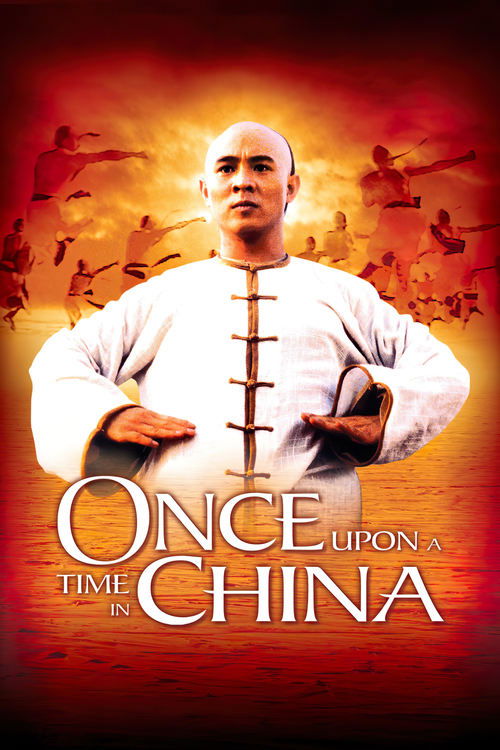
Once Upon a Time in China1991
Jet Li in his prime, directed by John Woo. Combines historical fantasy, romance, and action into something that's both earnest and entertaining. Sharp, propulsive, and genuinely fun.
But Some dramatic scenes feel overwrought; the emotional beats can be melodramatic. The action sometimes overwhelms character development.
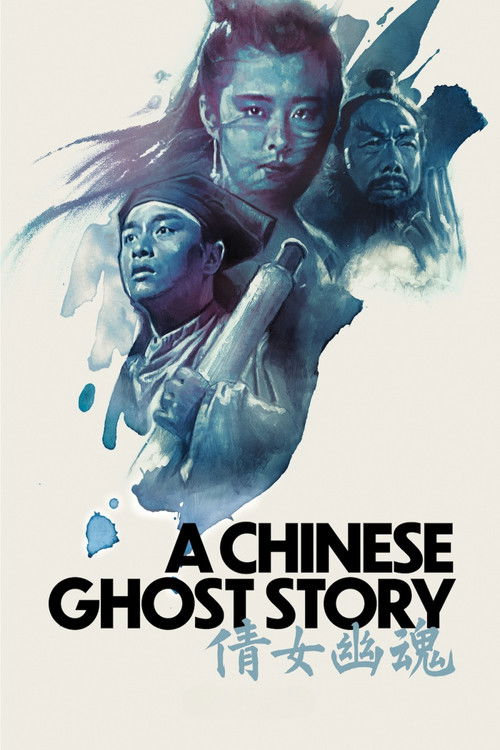
A Chinese Ghost Story1987
Ching Siu-tung's supernatural romance, the ur-text for this whole tradition. Gorgeous, romantic, funny, and genuinely creepy by turns. Tony Leung's romantic earnestness gets space here too.
But It's from the eighties and proudly so—the special effects are very practical. The tone whiplashes between horror, comedy, and sentimentality.
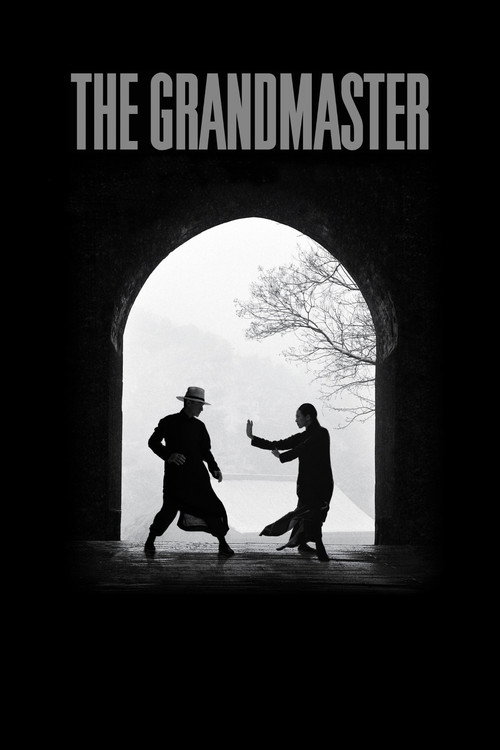
The Grandmaster2013
Wong Kar-wai's wuxia fever dream about martial arts, obsession, and lost love. Visually hypnotic, formally innovative, and features some of the most beautiful action sequences ever filmed. Proof the genre could still surprise.
But It's deliberately obscure narratively. The plot is secondary to mood and image. Some find it frustratingly elliptical; others find it pretentious.
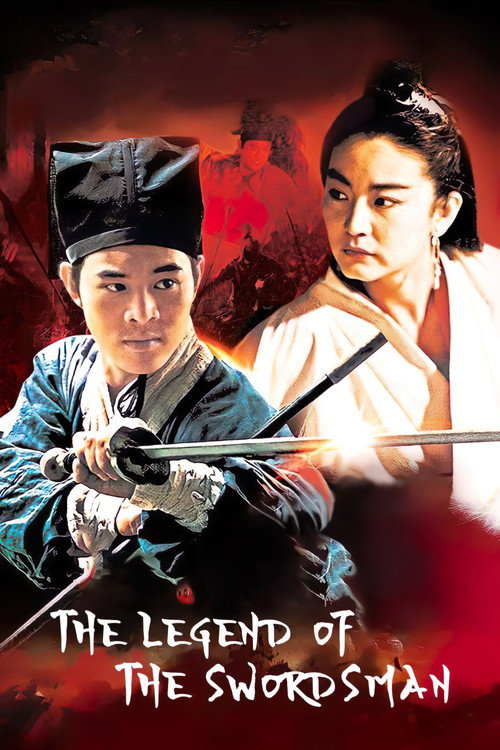
The Legend of the Swordsman1992
Tsui Hark's sequel that perfects the wuxia-comedy balance. Jet Li, flamboyance, impossible physics, genuine laughs, and romance that lands. Energetic proof the formula works when done with precision and heart.
But The dubbing can be jarring. The tone is genuinely chaotic—it's hard to know if you're supposed to take any scene seriously, and not everyone loves that texture.
Harakiri1962
Both films centre on the tension between what you're born into and who you want to be, and both use palace intrigue and star-crossed lovers as their engine. Odyssey does it as farce; Harakiri does it as tragedy. Same structure, opposite register.
A Japanese samurai film that deconstructs duty, destiny, and ritual with devastating elegance. Shot in black-and-white VistaVision, it's formally perfect and emotionally shattering. A masterpiece of cinema.
But It's a revenge tragedy about failed honour and suicide. Grave, slow, and deliberately bleak. Comedy lives nowhere in this film. It demands a different mood than you brought to Chinese Odyssey.

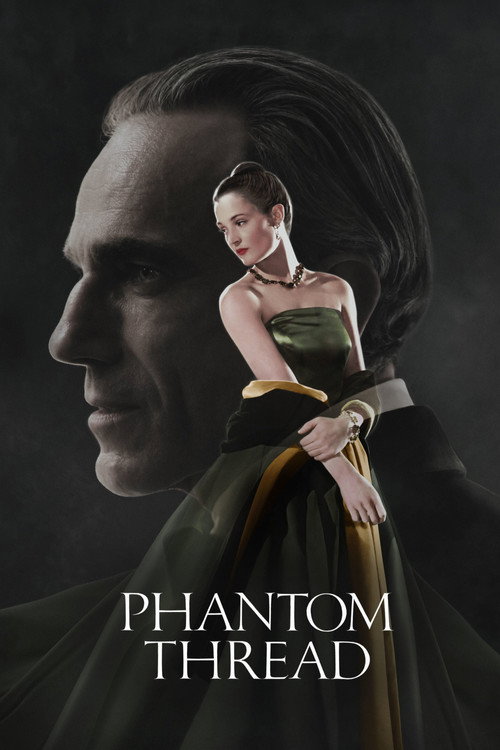
Phantom Thread2017
Both films use romantic entanglement as a framework for exploring power, identity, and the masks we wear. Where Chinese Odyssey disguises this as slapstick and fate, Phantom Thread exposes it as psychological warfare. Same game, radically different temperature.
Paul Thomas Anderson's film about obsession, control, and desire in 1950s London haute couture. Psychologically intense, visually sumptuous, formally exquisite. Daniel Day-Lewis and Vicky Krieps in a pas-de-deux of power and manipulation.
But It's deliberately slow and internal. Very little plot happens; the whole film is about mood and subtext. Some find it glacial. It's about adult resentment, not fantasy or fun.
People
Cast
 Tony Leung Chiu-waiLi Yilong
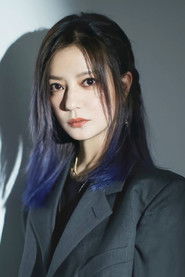 Zhao WeiPhoenix
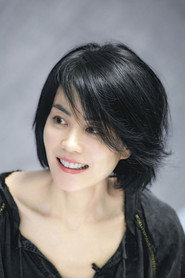 Faye WongPrincess Wushuang
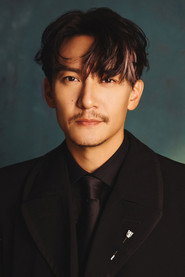 Chang ChenEmperor Zheng De
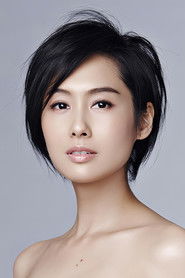 Athena Chu YanAmour Amour
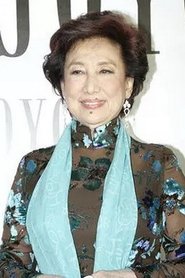 Rebecca PanQueen Mother
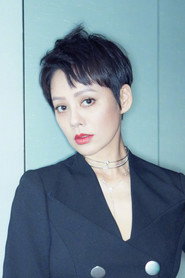
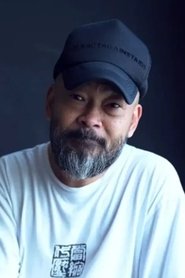
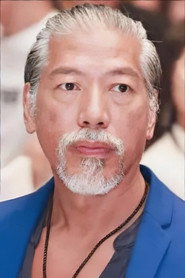 Roy Cheung Yiu-YeungChu Liangshim
 Peter Chan LungHorse Thief
 Jeffrey LauPresident Chen
Directing
- Jeffrey LauDirector
Writing
- Jeffrey LauScreenplay
Production
- Charley Zhuo WuProducer
- Jacky PangProducer
- Wong Kar-waiProducer