
Film
The 8 Diagram Pole Fighter
A martial arts masterpiece about grief and vengeance. Two surviving Yang brothers—one traumatized into madness, one finding sanctuary in a temple—must grapple with their family's massacre and the price of survival. Brutal, operatic, and deeply felt beneath the action.
If you liked this
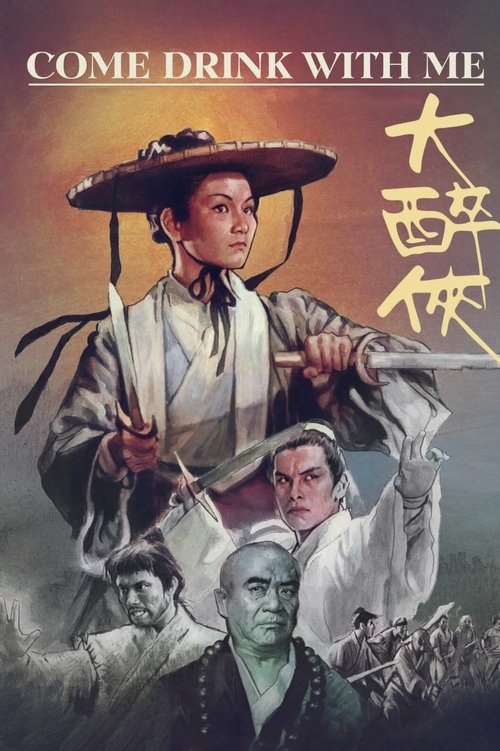
Come Drink with Me1966
King Hu's towering female warrior carries the DNA of everything that follows, including this film. A complete and profound action film where every fight means something and beauty matters as much as technique.
But The pacing is deliberate and patient in a way modern action audiences sometimes find slow. Subtitled, naturally, and the philosophical weight can feel heavy.
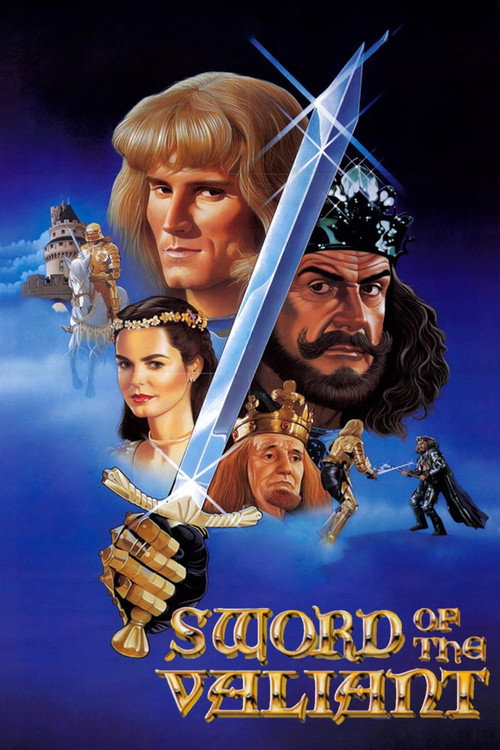
Sword of the Valiant: The Legend of Sir Gawain and the Green Knight1984
Alexander Fu Sheng in another tragic role, playing a swordsman undone by loss and honor. Similar DNA—a man broken by circumstance, fighting through spiritual and physical torment. Equally committed, equally devastating.
But It's more introspective than action-packed, and the ending refuses to be comforting. If you want catharsis, this won't give it to you.
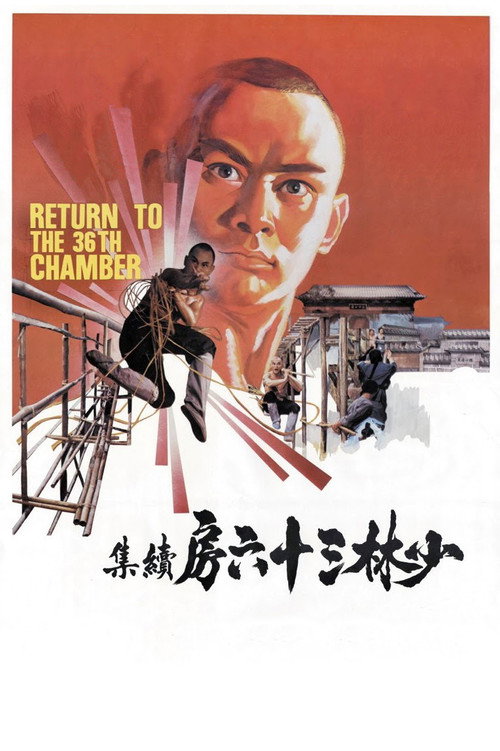
Return to the 36th Chamber1980
Gordon Liu again, and his best work outside 8 Diagram. A martial artist returns to his temple to teach and confront his past. The same mixture of temple mysticism, political upheaval, and raw physicality.
But The first half is lighter and more comedic than 8 Diagram—it shifts tone significantly, which can feel disjointed if you're craving consistency.
Not sure tonight? Get a pick in a minute, starting from The 8 Diagram Pole Fighter
The wildcard
Something you would not have found on your own.
Harakiri1962
Both films locate vengeance in the space between personal grief and political resistance. Both ask whether survival without honor is survival at all. Both suggest that the real opponent isn't the enemy—it's the weight of what you've lost.
Masaki Katsumura examines honor, clan loyalty, and the lie that nobility redeems slaughter. A swordsman's loss becomes a weapon against the system that caused it. Visually stunning, philosophically unsparing.
But It's black-and-white, deliberately paced, and the violence—when it comes—is tragic rather than thrilling. Not an action film, though action is its subject. Devastatingly bleak.

More like this (5)
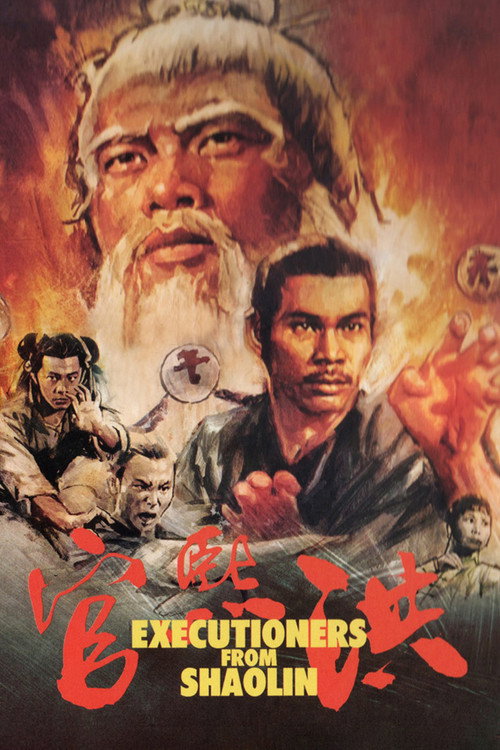
Executioners from Shaolin1977
Gordon Liu again, playing a Shaolin fighter avenging his school's destruction. The pole techniques that dominate 8 Diagram are central here too. A film about how violence echoes through generations.
But It's episodic and sometimes feels more like connected sketches than a unified narrative. Some of the tonal shifts are jarring.
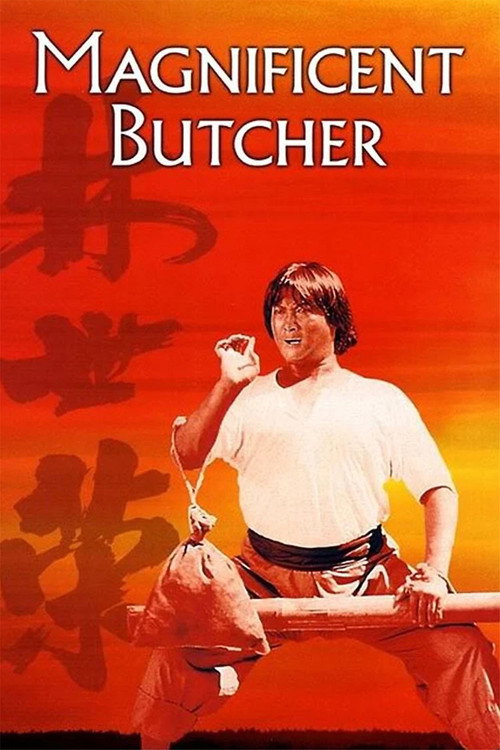
The Magnificent Butcher1979
Sammo Hung at his most graceful, playing a butcher and martial artist caught between duty and desire. A temple setting, a doomed protagonist, and fights that are both precise and genuinely affecting.
But It's smaller and quieter than 8 Diagram, with less of the epic political backdrop. Some viewers find Sammo's gentleness less compelling than the darker intensity this film brings.
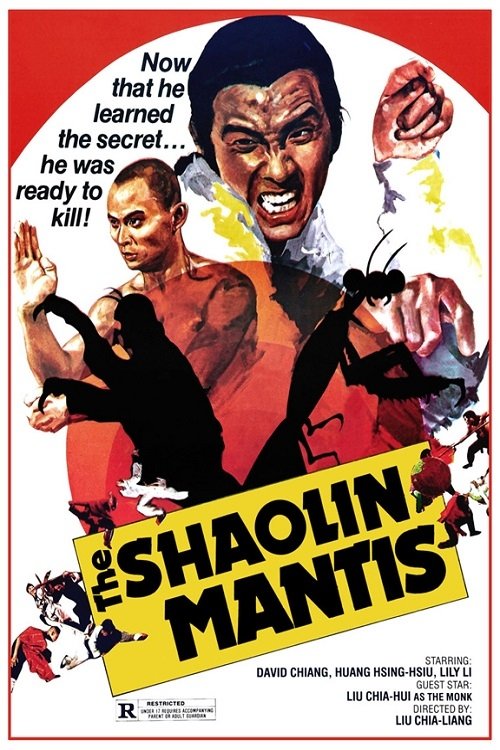
Shaolin Mantis1978
A young man learns mantis style to avenge his father's death. The same structure—family slaughter, temple refuge, spiritual and martial discipline—compressed and concentrated. Hypnotic technique on display.
But The characterization is thinner, and the emotional payload doesn't land with anywhere near the force of 8 Diagram. It can feel more like a showcase than a story.
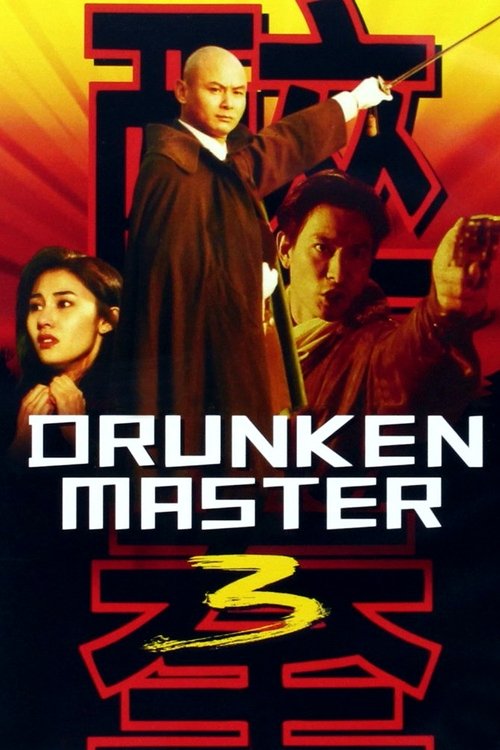
Drunken Master III1994
Jackie Chan and Yuen Wo-Ping creating something joyful and precise about a father and son rediscovering each other through martial arts. If 8 Diagram is tragedy, this is its opposite—exuberant, warm, technically staggering.
But The tone couldn't be further from 8 Diagram's weight and darkness. If you're looking for something similarly grave, this will feel frivolous.
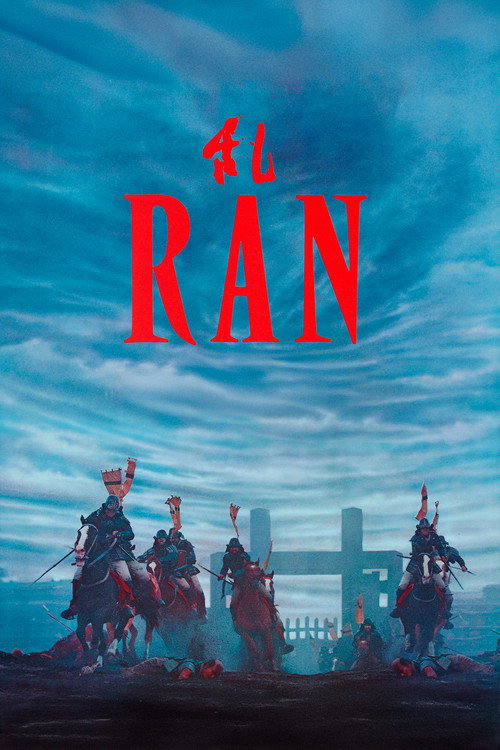
Ran1985
Both films take a single family destroyed and use it to indict the systems that destroyed them. Both ask what heroism means when heroism fails. Both understand that betrayal by authority is worse than defeat by enemies, because it poisoned what came before.
Kurosawa's late masterpiece: a warlord divides his kingdom among his sons and watches civilization collapse. An epic tragedy about family, betrayal, and the hollowness of conquest. Shot in color, visually overwhelming, built on the same structure as 8 Diagram but scaled to apocalypse.
But It's 160 minutes and very long. It's Japanese. It's more philosophical than action-driven. The suffering is cumulative and relentless—no catharsis, no real victory for anyone.
People
Cast
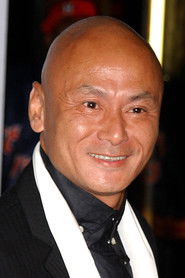 Gordon LiuYang 5th Brother
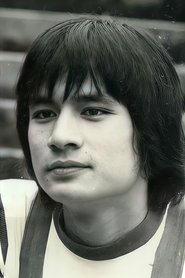 Alexander Fu ShengYang 6th Brother
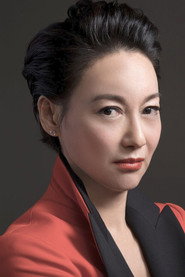 Kara Wai Ying-HungYang No. 8
 Lily LiMother Yang (She Tai-chun)
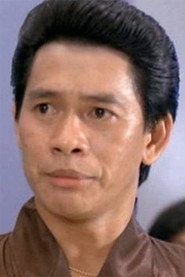 Phillip Ko FaiTemple Abbot
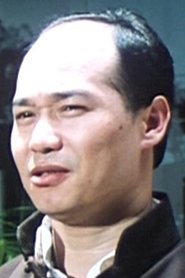 King Lee King-ChuTemple Abbot Zhihong
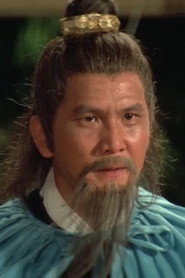 Lam Hak-MingGeneral Pan Mei
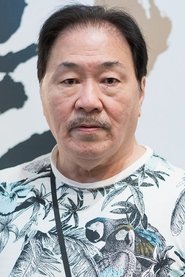 Johnny Wang Lung-WeiPrince Yeh Li Lin
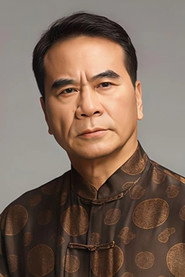 Chu Tit-WoYing Kuei
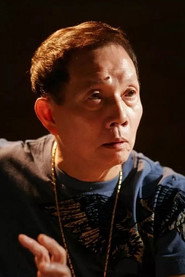 Lau Kar-leungHunter, Helps Yang 5th Escape
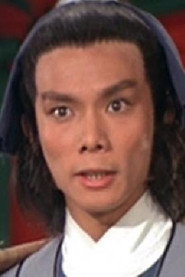 Richard Yuen TakYang Loyalist with Golden Blade
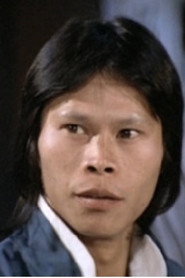 Yeung Sai-GwanTartar General
Directing
- Chan Yau-ManAssistant Director
- Huang Pa-ChingAssistant Director
- Wong Kwok-WaiAssistant Director
- Lau Kar-leungDirector
- Chan Lap-SinScript Supervisor
Writing
- Lau Kar-leungScreenplay
- Ni KuangScreenplay
Production
- Chan Lee-WahAssistant Production Manager
- Mona Fong Yat-WahProducer
- Lawrence Wong Ka-HayProduction Manager
- Wong Hon-ChungUnit Manager
Recommended by
Drunken Master III, The Valiant Ones, The Incredible Kung Fu Master, The Shaolin Plot, Kid with the Golden Arm, The Prodigal Son, Martial Club, Chinese Odyssey 2002, Dragon Lord