
Film
Kid with the Golden Arm
A 1979 kung fu film where a band of martial artists with distinctive fighting styles—the Venoms ensemble at their most unified—undertake a perilous mission to transport gold to famine-stricken regions. Stylish, violent, and propelled by acrobatic combat that prioritizes spectacle over narrative sense. For fans of 70s action cinema who love watching skilled fighters throw their bodies at each other with cheerful abandon.
Should you watch it?
Watch it if you love 1970s Hong Kong kung fu where a roster of fighters, each with a gimmick like iron feet or a golden arm, matters as much as the plot.
Skip it if you want tight, modern action with slick editing, since this can feel loose and is often more absorbed in its gold-and-hunger drama than in clean fight choreography.
What it asks of you: Expect a brisk eighty-six minutes, with the drama of a famine-struck journey sitting between bursts of fighting, and patience for characters who speak in broad, earnest gestures.
Not sure? Find tonight's pick in a minute.
If you liked this
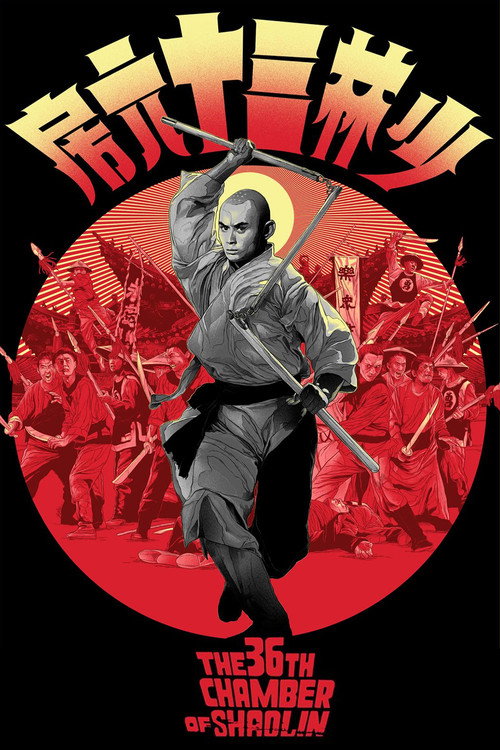
The 36th Chamber of Shaolin1978
Gordon Liu's methodical ascent through a monastery's brutal training chambers is hypnotic—each chamber a showcase for a different fighting technique, building to mastery with genuine narrative weight beneath the action.
But The pacing is deliberate and meditative rather than breakneck; some sequences exist purely to watch someone perfect a single move.
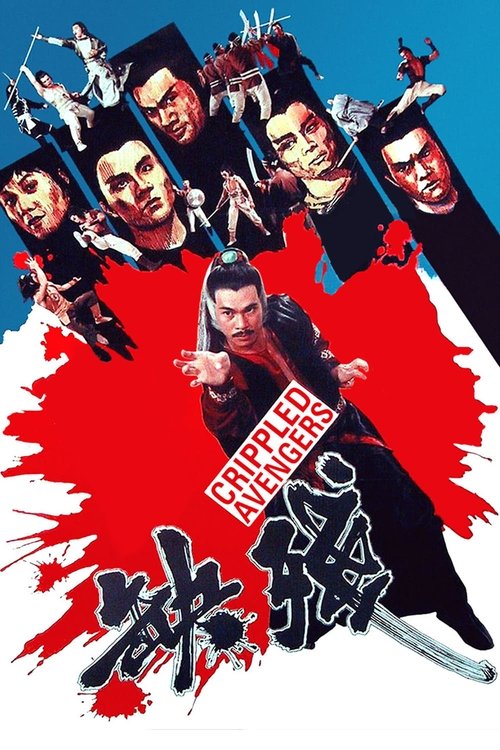
Crippled Avengers1978
The blueprint for ensemble kung fu: five masters with animal styles hunt for hidden treasure while suspicious of each other's loyalties. Clever plotting serves the action rather than the reverse, and the film earns its twists.
But The dubbing is occasionally comical, and the print quality on many versions is rough. Some patience required.
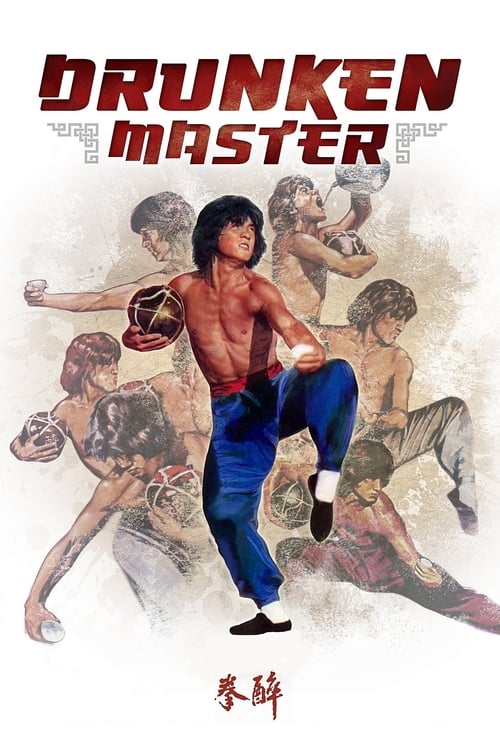
Drunken Master1978
Jackie Chan's breakout is pure joy—a young student learns the eponymous style from a chaotic old master while avoiding imperial assassins. The fights are inventive comedy, the stunts genuinely dangerous, the energy contagious.
But The first half spends considerable time on slapstick and character comedy that some viewers find tedious rather than charming.
Not sure tonight? Get a pick in a minute, starting from Kid with the Golden Arm
The wildcard
Something you would not have found on your own.
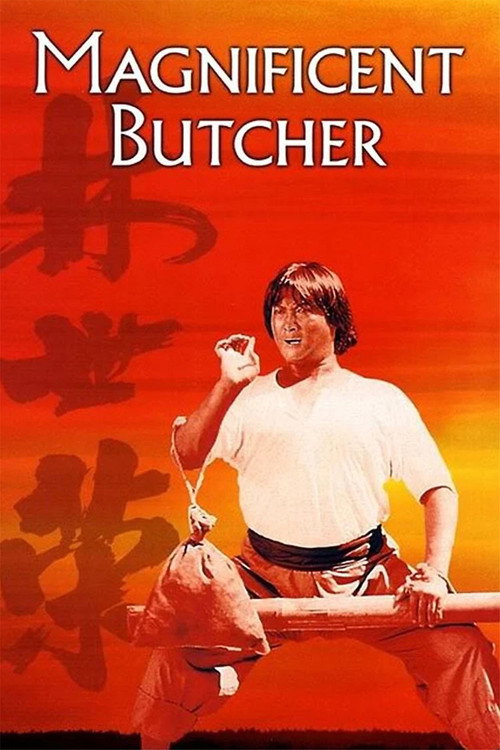
The Magnificent Butcher1979
Released the same year and from the same Hong Kong studio ecosystem, but where Kid with the Golden Arm prioritizes style, this proves that ensemble casts and meaningful missions could anchor weightier narratives without sacrificing spectacle.
Sammo Hung directs and stars as a butcher and martial artist avenging his sifu's death. Meaty (pun intended), funny, grounded in character and genuine emotional stakes—a complete film where the action and story serve each other equally.
But The violence is more naturalistic and less stylized than pure kung fu spectacle; it's a character drama that happens to contain fights, not a fight film with characters attached.
More like this (7)
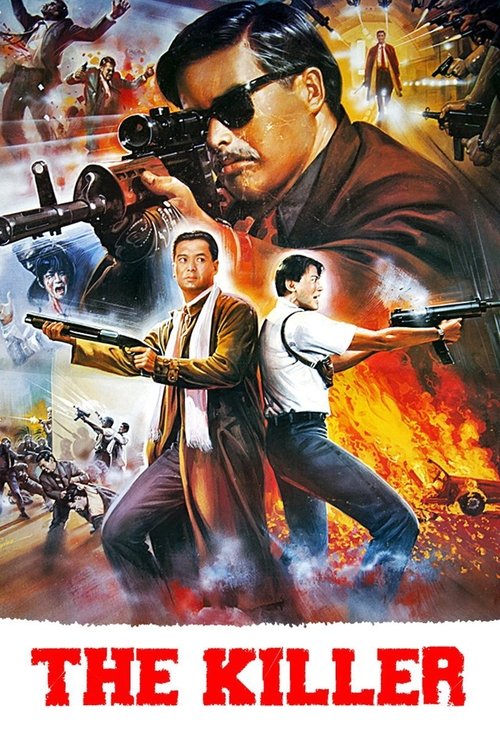
The Killer1989
John Woo's masterpiece: a professional assassin with an increasingly troubled conscience carries out one final job. Operatic violence, genuine emotional stakes, and gunplay choreography that redefined the genre entirely.
But The melodrama is deliberate and central; if you want restraint or irony, this will feel overwrought.
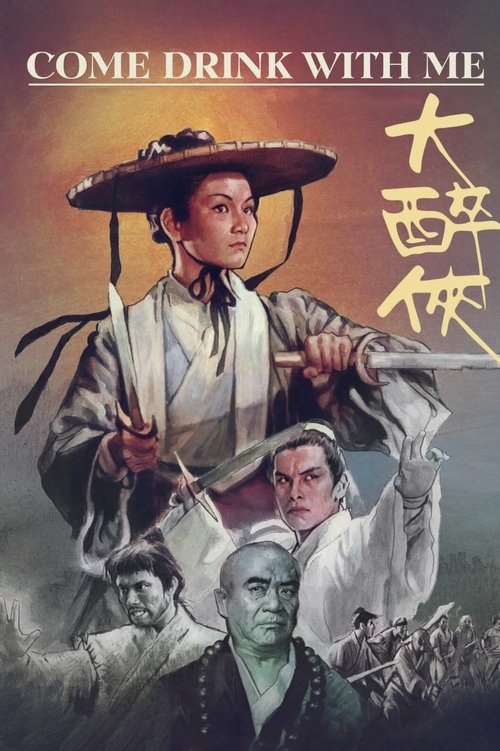
Come Drink with Me1966
King Hu's ur-text of the wuxia film: a swordswoman infiltrates a criminal den to rescue her brother. Painterly compositions and economical action that influenced everything after it, including the Venoms style.
But It moves slowly by modern standards and privileges visual beauty over constant motion; the action is sparse but significant.
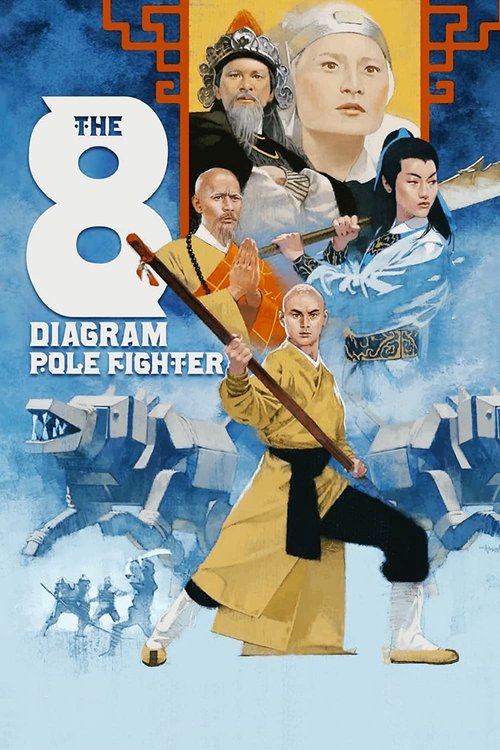
The 8 Diagram Pole Fighter1984
Lau Kar-leung's meditation on obsession and vengeance, built around the pole—a single weapon, a single fighting style, executed with mathematical precision across a narrative of mounting tragedy.
But The pacing is glacial and the emotional tone oppressive; there is no levity and relatively little action for such a slow film.
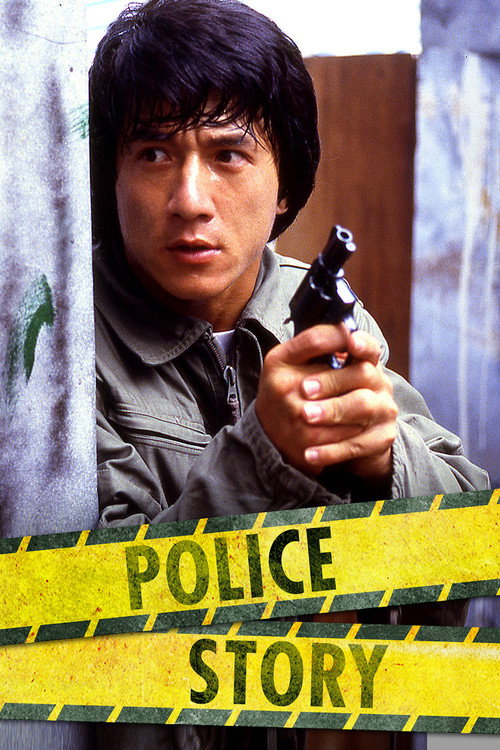
Police Story1985
Jackie Chan as a cop framed for murder, fighting through industrial locations and everyday objects transformed into weapons. Stunts of almost unsettling physicality, comedy that actually lands, and genuine stakes.
But The plot is serviceable at best and vanishes during action sequences; the dubbing in Western versions is particularly poor.
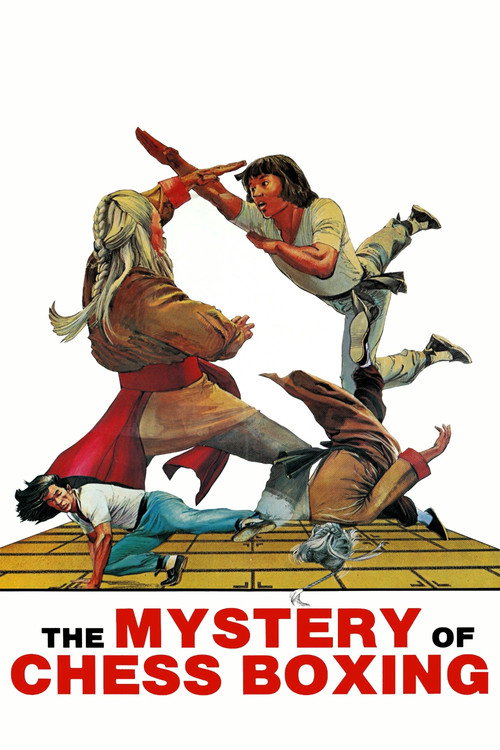
The Mystery of Chess Boxing1979
A martial artist learns chess boxing—a stance and technique married to strategic thinking—to defeat a masked opponent. Eccentric, cheerfully weird, and full of kinetic invention that prioritizes personality over realism.
But The narrative is genuinely incoherent and the film doesn't seem to know what it wants to be; some viewers will find that charming, others will find it exhausting.
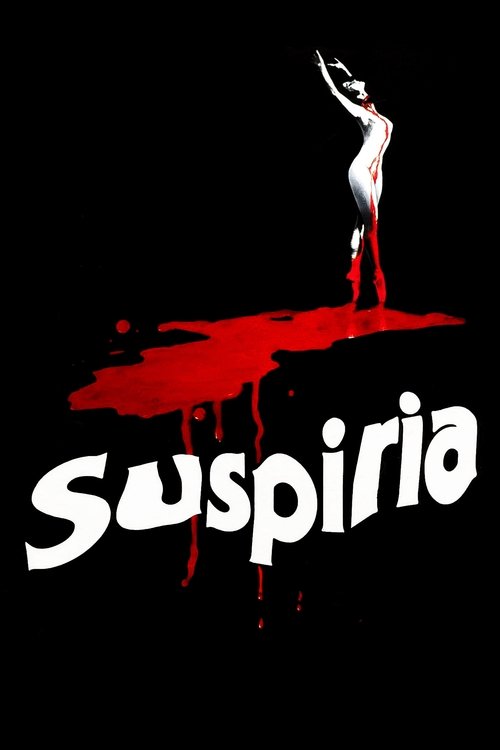
Suspiria1977
Both are products of 1970s exploitation cinema, both treat their premises with absolute earnestness despite inherent absurdity, and both prioritize a visual and aural style that overwhelms narrative logic. But where Golden Arm gestures toward realism through action, Suspiria abandons realism entirely—a glimpse at what 1970s genre cinema could become when it stopped pretending to be realistic.
Dario Argento's fever dream of a film: a ballet student arrives at a prestigious academy run by witches. Lurid colours, a pulsing synth score, and violence as surreal abstraction rather than narrative consequence. Completely of its moment and utterly hypnotic.
But It is more interested in mood and texture than plot; the story is skeletal and the dialogue occasionally absurd. This is cinema as feeling, not storytelling.
Harakiri1962
Both films use skilled warriors undertaking dangerous missions as a framework for exploring systemic injustice—in Golden Arm the famine and government structures implicit in the plot, in Harakiri the explicit machinery of feudal hierarchy. But where Golden Arm is colourful, exuberant action cinema that only gestures toward its themes, Harakiri transforms its combat sequences into tragic set pieces where every movement carries the weight of institutionalized failure. The same form, inverted in register and intention.
Masaki Kobayashi's masterpiece: a ronin arrives at a samurai clan demanding the right to commit ritual suicide, triggering a meditation on honour, poverty, and systemic cruelty. Austere, devastating, visually perfect. A film of absolute moral weight.
But It is a slow, bleak, uncompromising examination of systems that destroy individuals. There is no catharsis and precious little hope; watching it is closer to endurance than entertainment.

People
Cast
 Sun ChienYang Hu Yun / Iron Feet Lad
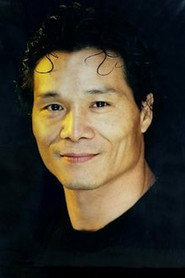 Phillip Kwok ChuiSheriff Hai To
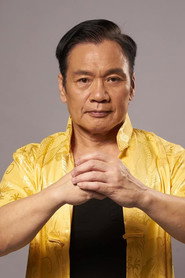 Lo MengGolden Arm Kid
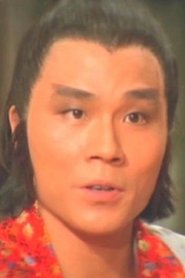 Lu FengSilver Spear
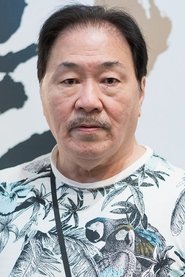 Johnny Wang Lung-WeiIron Armour Wei Lin
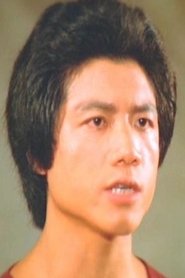 Yang HsiungCopper Head
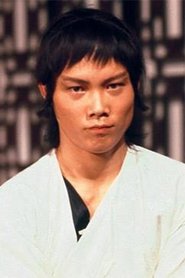 Chiang ShengShort Axe Fang Shih
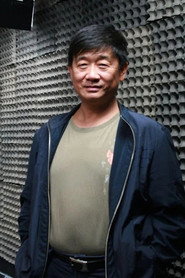 Suen Shu-PeiLong Axe Yan Jiu
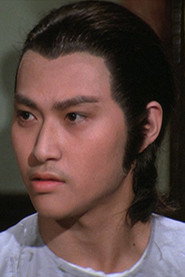 Wai PakSwordsman Li Qing Ming
 Helen Poon Bing-SeungHeroine Leng Feng
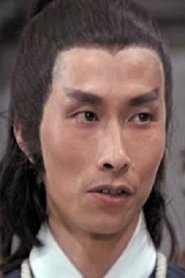 Yu Tai-PingWang Sheng Tim
- Suen San-CheungWang Sheng Yue
Directing
- Chan Yau-ManAssistant Director
- Chiang ShengAssistant Director
- Chang ChehDirector
Writing
- Chang ChehWriter
- Ni KuangWriter
Production
- Runme ShawProducer
- Chen LiehProduction Manager
- Mona Fong Yat-WahProduction Manager
Recommended by
Raiders of the Shaolin Temple, Five Shaolin Masters, Crippled Avengers, Invincible Shaolin, Shaolin Abbot