
Film
Shaolin Abbot
A 1979 Shaw Brothers martial arts epic where David Chiang plays the legendary monk Chih Shim, defending Southern Shaolin Temple against ruthless enemies. Lo Lieh returns as the iconic villain Pai Mei. Visceral fight choreography, grand temple architecture, and a story built on honour and sacrifice rather than wisecracks. For anyone hungry for classic Hong Kong action cinema at its most committed.
If you liked this
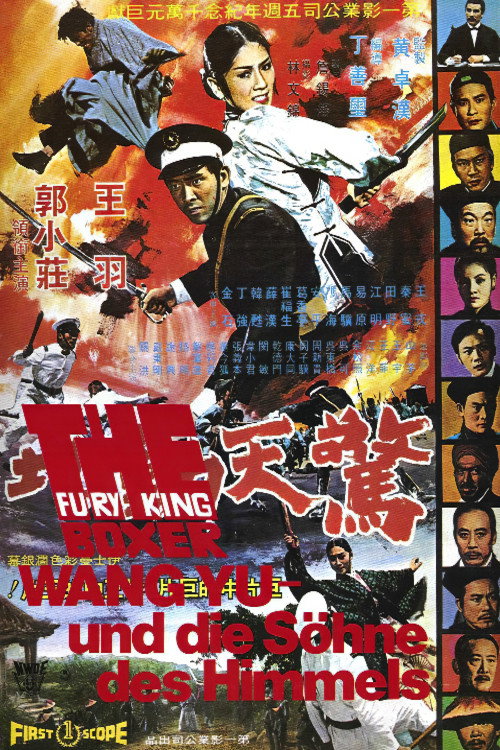
Fury of King Boxer1972
The film that launched the kung fu boom internationally. Lo Lieh's debut as a screen fighter showcases the raw intensity that made Shaw Brothers essential. Essential viewing to understand what Shaolin Abbot is in conversation with.
But Print quality varies wildly depending on source. The plot is minimal scaffolding for fight sequences, which some find a weakness rather than a strength.
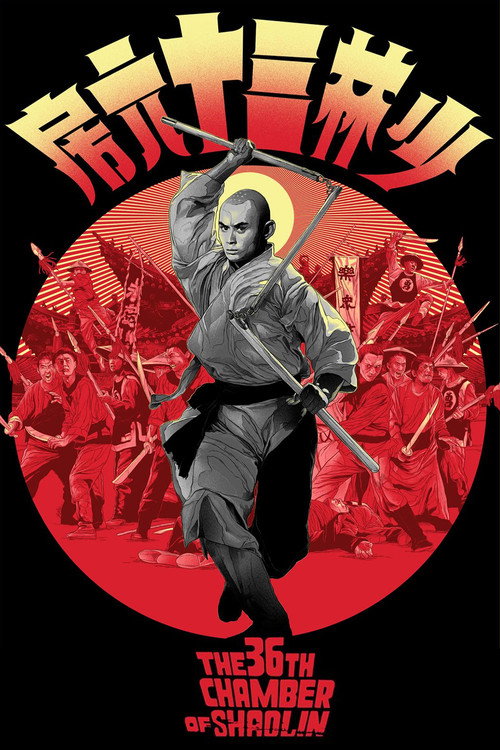
The 36th Chamber of Shaolin1978
Gordon Liu's masterpiece released just before this film. Methodical training sequences, philosophical depth, and fight choreography so precise it feels like ballet. The gold standard of temple-based martial arts cinema.
But The first hour is training montage. If you need plot momentum, you'll find pacing glacial. Some find the repetition meditative; others find it dull.
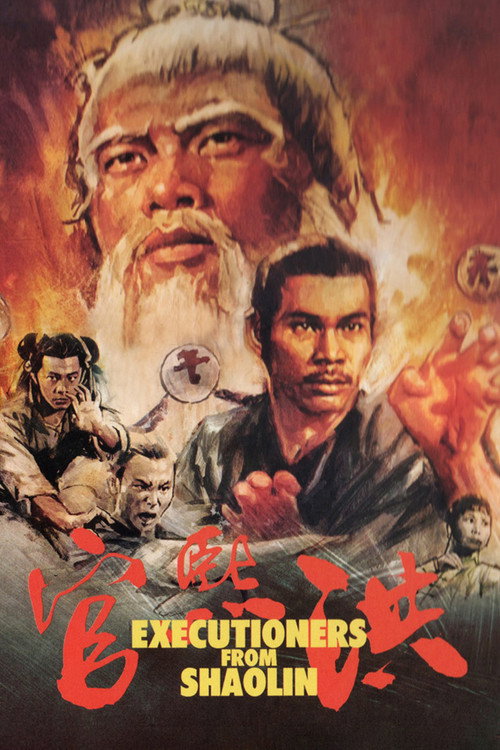
Executioners from Shaolin1977
Another Shaw Brothers classic with similar temple politics and revenge mechanics. Kwan Tak-hing and Chen Kuan-tai in a blood feud that spans generations. The choreography has real savagery to it—nothing pulled.
But Dubbed versions are occasionally bewildering. The emotional arcs are secondary to the fights, which isn't everyone's preference.
Not sure tonight? Get a pick in a minute, starting from Shaolin Abbot
The wildcard
Something you would not have found on your own.
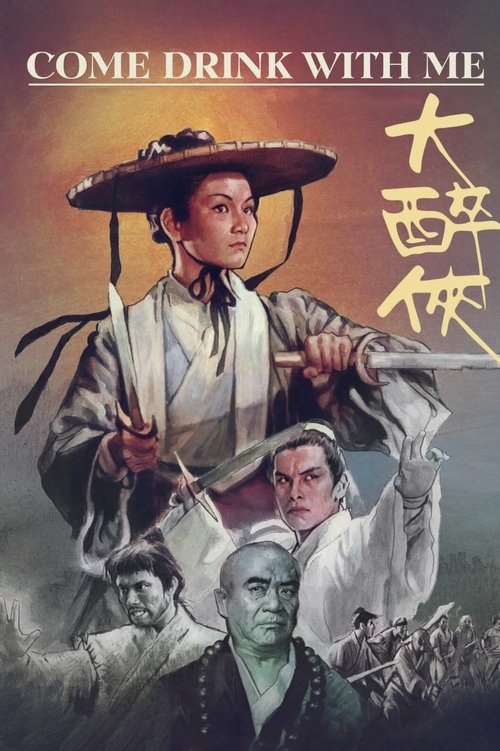
Come Drink with Me1966
Both explore Shaolin as myth and sanctuary; both ask what it costs to protect something sacred. But Hu's film is contemplative where Shaolin Abbot is visceral—the same spiritual core expressed through opposite temperatures.
King Hu's seminal wuxia film predates the Shaw Brothers boom by years and taught everyone that martial arts cinema could be genuinely beautiful. Architecturally composed, philosophically grounded, and the fights breathe like dance.
But Slower and more meditative than 1979 action cinema. If you want spectacle and momentum, this will feel like watching paint dry in the best possible light.
More like this (7)
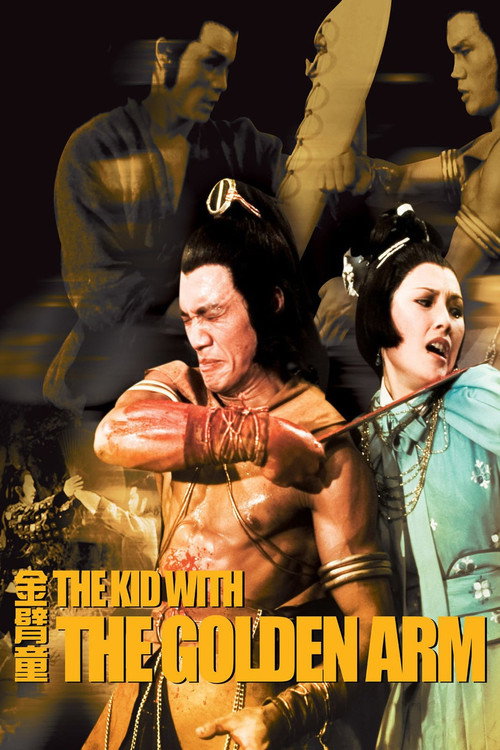
Kid with the Golden Arm1979
David Chiang in a different register—this is crime noir with martial arts, not temple drama. Shows his range and proves he could carry a film outside the Shaw Brothers formula.
But Tone shifts jar occasionally. It wants to be multiple films at once, which creates awkward tonal seams.
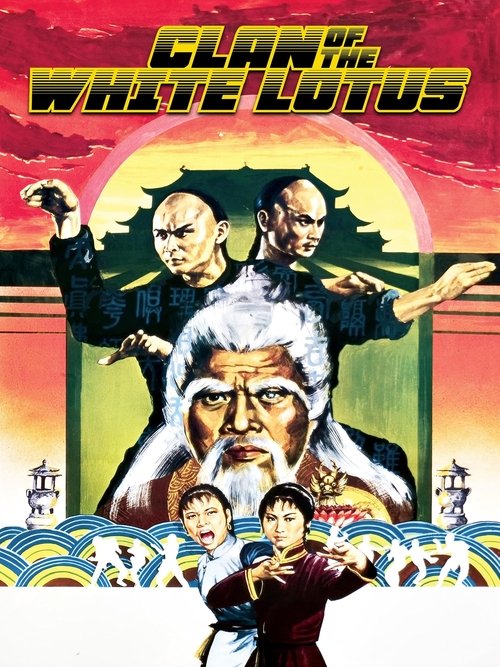
Clan of the White Lotus1980
Lo Lieh as a villain again, in a film obsessed with the mechanics of martial arts styles. The final duel between Gordon Liu and Lo Lieh is genuinely brutal and inventive.
But Released after this film, so it's refinement rather than discovery. Also highly technical in ways that reward knowledge of kung fu styles.
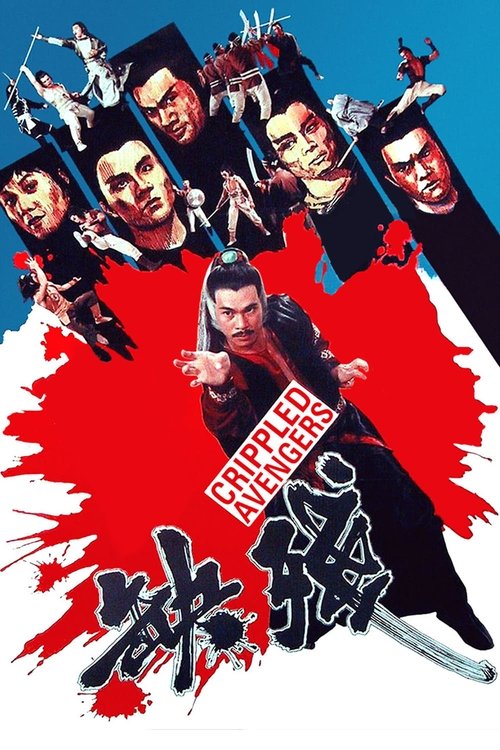
Crippled Avengers1978
Five fighters trained in different animal styles hunt treasure and betray each other. The scheme unfolds beautifully, and the fight choreography is intricate and deceptive. A genuine mystery wrapped in action.
But The early sections feel slow if you're impatient for fights. Character work comes before spectacle, which loses some viewers.
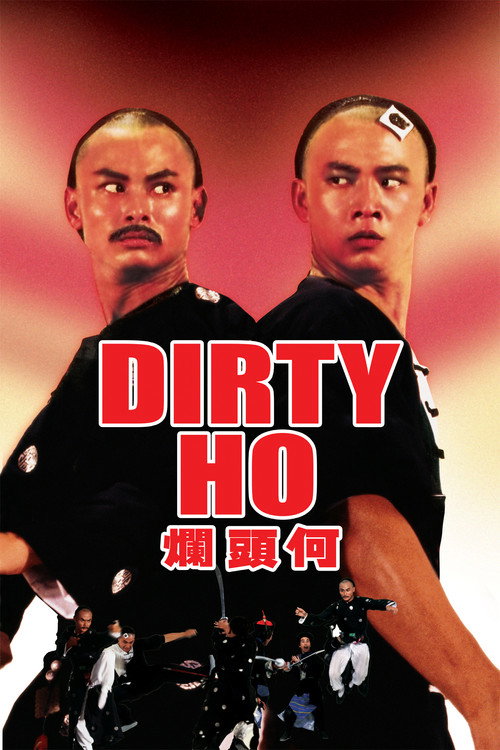
Dirty Ho1979
Kung fu comedy made the same year as Shaolin Abbot—proof the genre could accommodate humour without losing martial credibility. Sammo Hung directs and stars. Inventive and joyful.
But Comedy doesn't translate cleanly across language and time. If you're watching dubbed and the jokes land sideways, the film loses its edge.
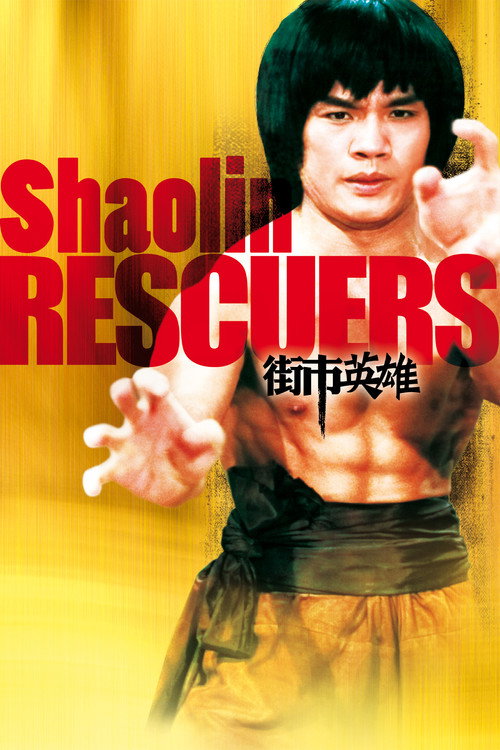
Shaolin Rescuers1979
David Chiang in another temple-adjacent adventure the same year. Tighter than some Shaw Brothers output, with cleaner editing and stronger pacing.
But Feels like a smaller film than its ambitions suggest. Budgetary constraints show in some of the set design and editing choices.
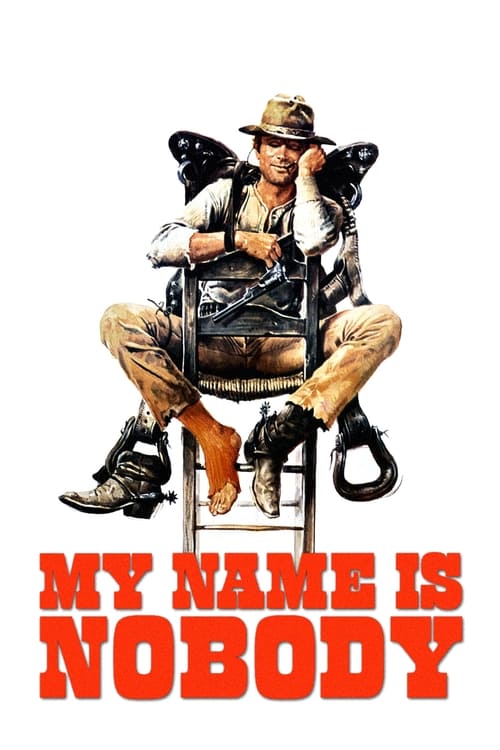
My Name Is Nobody1973
Both are elegies for a world of singular combat skills becoming obsolete. Both find poetry in obsolescence. One has swords; one has guns; both mourn the same thing.
A spaghetti western about the last gunfighter facing his mythic end. Tonally it mirrors what Chiang is doing here—aging legend passing the torch, honour in a changing world. Sergio Leone sensibility applied to an entirely different genre.
But It's a western, not a martial arts film. The tonal shifts between comedy and fatalism confuse people expecting straightforward action. Subtitles or dubbing both feel slightly off.
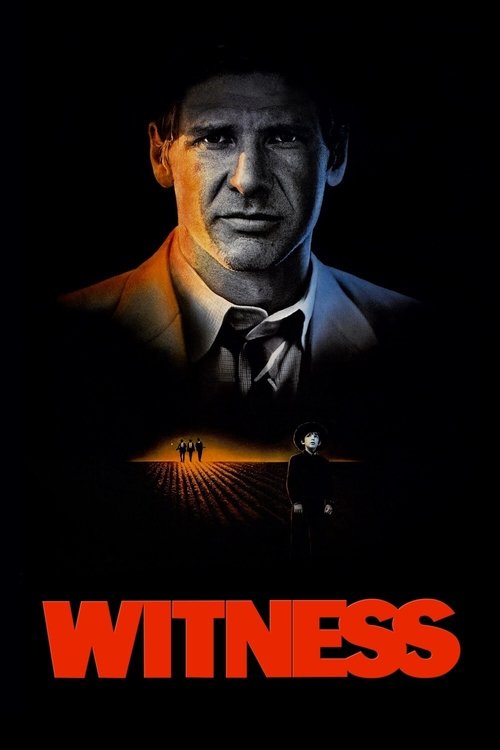
Witness1985
Both films are about sanctuary—spaces with different rules that outsiders must navigate. Both explore the cost of defending something sacred against an enemy who doesn't understand the code. Abbot does it with swords; Witness does it with silence.
A Philadelphia cop hides in an Amish community. Structurally identical to Shaolin Abbot—an outsider discovering a closed world with its own codes of protection and violence. Harrison Ford's vulnerability is remarkable.
But It's a thriller, not martial arts cinema. The violence is sparse and weighty rather than balletic. Asking Shaolin Abbot fans to watch this requires real genre flexibility.
People
Cast
 David Chiang Da-WeiMonk Chi San
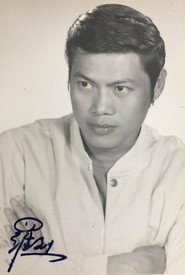 Lo LiehPai Mei
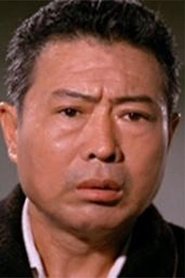 Ching MiaoMr. Li
 Eddie Koo Koon ChungTao Te
 Lily LiWu Mei
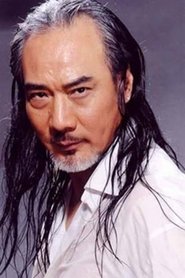 Norman Tsui Siu-keungLi Jin-Lun
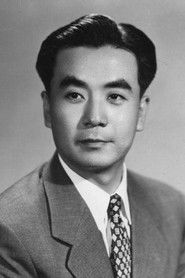 Yang Chi-ChingWu Chan
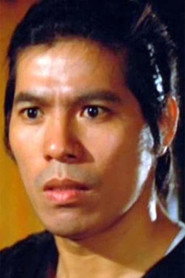 Chiang TaoTibetan Lama
 Helen Poon Bing-SeungMiss Jinbao
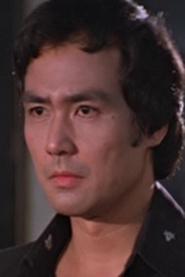 Si WaiEmperor
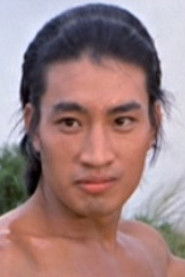 Bruce Tong Yim-ChaanShaolin recruit Hong Xi-Guan
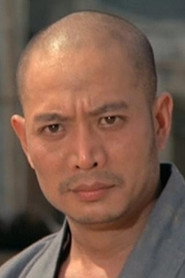 Chan ShenDan Tian-Gang
Directing
- Hung HakAssistant Director
- Ho Meng-HuaDirector
Writing
- Ni KuangWriter
Production
- Run Run ShawProducer
- Mona Fong Yat-WahProduction Manager
Recommended by
Return to the 36th Chamber, Magnificent Bodyguards, The Prodigal Son