
Film
Shaolin Rescuers
A 1979 Shaolin action film where two ambitious friends become entangled in resistance against a Qing warlord, aided by kung fu masters and rebels. It's lean, propulsive fight choreography with minimal plot—pure physical storytelling. For viewers who prize movement over dialogue, who want to see what bodies can do.
If you liked this
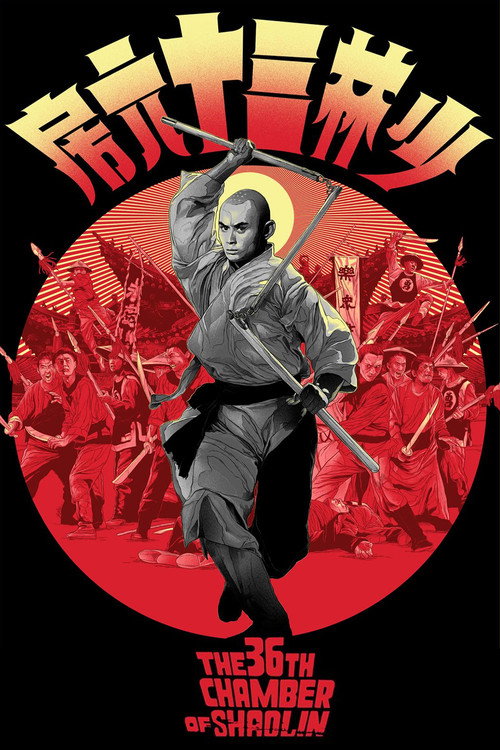
The 36th Chamber of Shaolin1978
Gordon Liu's methodical ascent through martial training grounds, with legendary choreographer Lau Kar-leung directing. The spiritual blueprint for every 'student becomes warrior' story that followed. Hypnotic precision.
But Slower than you'd expect. Long stretches of repetitive training drills are the point, not a bug—but patience is required.
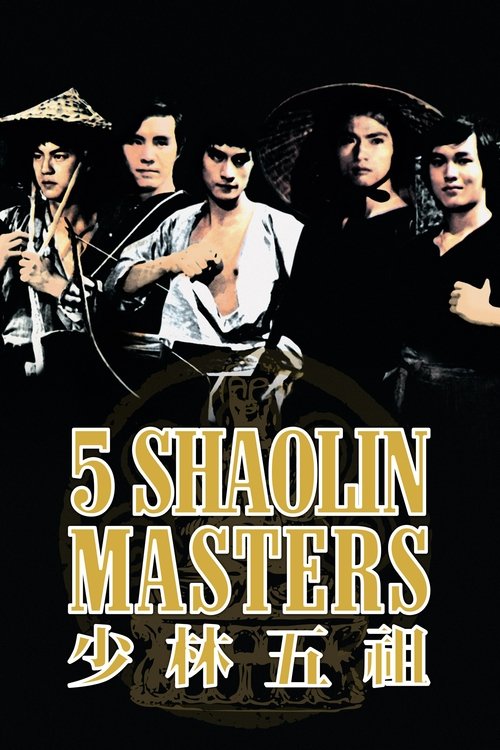
Five Shaolin Masters1974
Chiang Sheng and other Chang's stars in a muscular revenge ensemble. Brutally efficient storytelling: five heroes, five fights, five reasons to care. Pure kinetic joy, nothing wasted.
But The plot exists only to hang the action scenes. If story matters more than choreography, you'll feel the scaffolding.
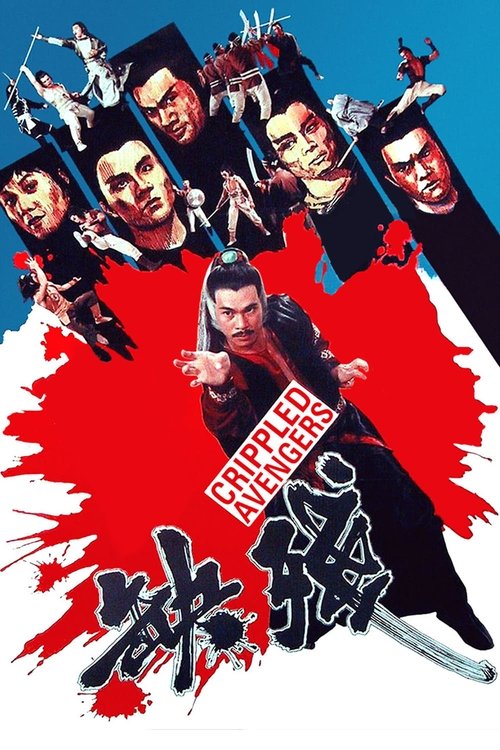
Crippled Avengers1978
Four differently wounded heroes learn to weaponize their disabilities. Sheng's work here is imaginative and deeply humane. Turns physical limitation into creative advantage—rare and beautiful.
But The sight of disabled characters in combat roles may feel exploitative if the film doesn't navigate it with care—and some will disagree on whether it does.
Not sure tonight? Get a pick in a minute, starting from Shaolin Rescuers
The wildcard
Something you would not have found on your own.
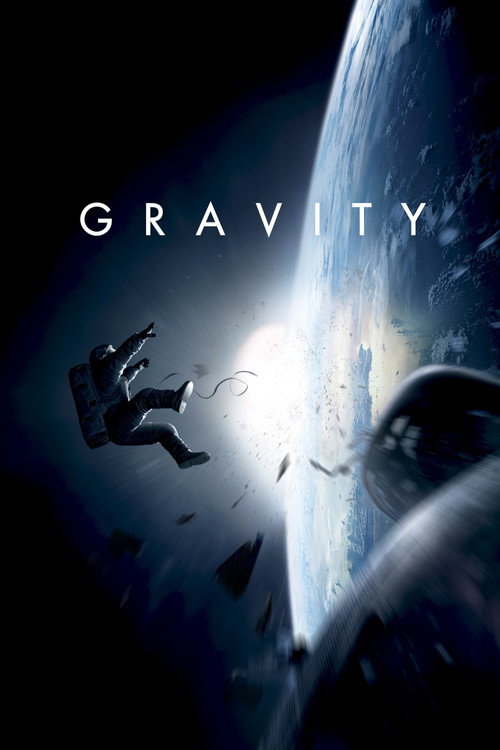
Gravity2013
Both films believe that movement itself is the story—that elegant problem-solving through the body, without exposition, is enough to keep you watching.
An action film stripped to its skeleton: one body, one environment, pure problem-solving. Like Shaolin Rescuers, it's about watching someone move through space and time with precision and ingenuity. Physics is the choreography.
But Minimal dialogue and zero kung fu. If you want the martial arts specifically, this will feel like a complete detour.
More like this (7)
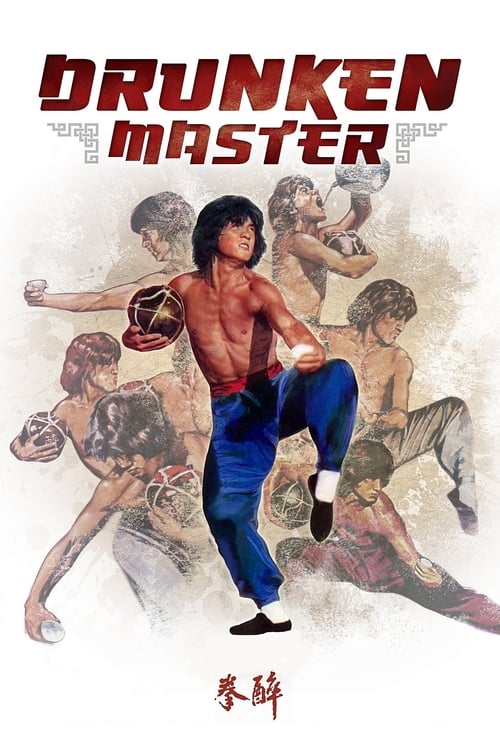
Drunken Master1978
Jackie Chan's first masterpiece. Yuen Woo-ping's choreography turns alcohol into a fighting style. Anarchic, funny, and the action is so inventive it feels like improv. A joy.
But Chan's early comedic acting is broad and sometimes grating. The tonal whiplash between slapstick and violence bothers some viewers.
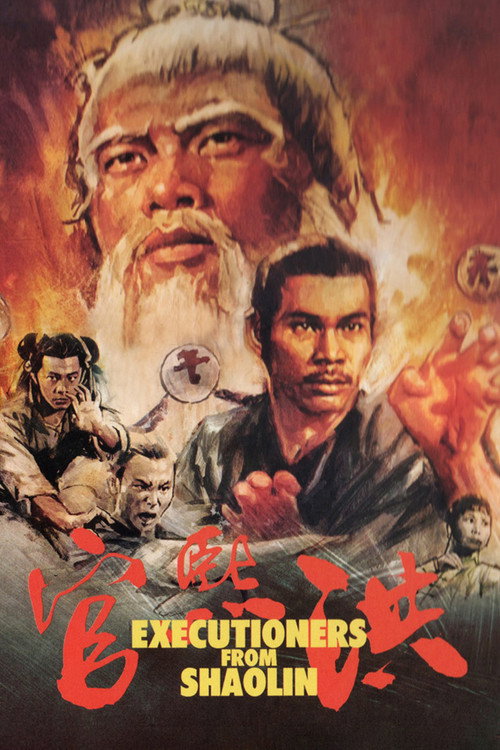
Executioners from Shaolin1977
Gordon Liu and Lo Meng as father and son learning to defeat a specific style through counter-technique. Beautiful philosophy woven into the fights—every movement teaches something.
But Meditative pacing and long sequences of training. If you want constant adrenaline, this introspective approach will feel slow.
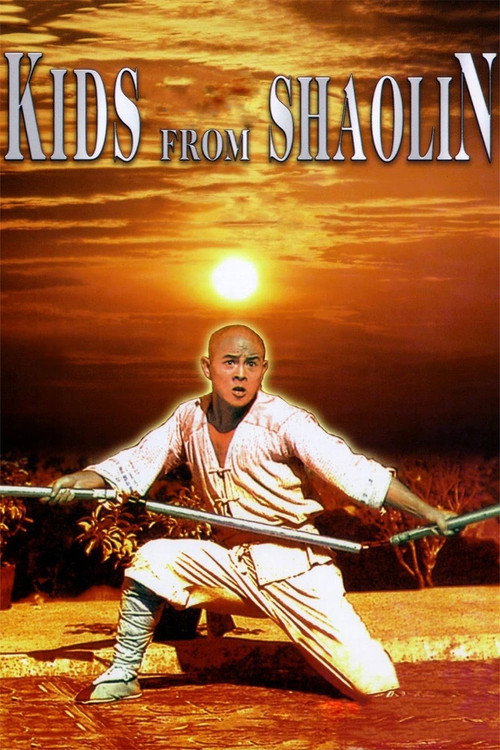
Kids from Shaolin1984
Jet Li's early film, built around young trainees using Shaolin techniques. Energy and youth on screen, with Kar-leung's direction keeping the choreography sharp and playful.
But A child-centred film with broader comedy. The lighter tone and younger cast won't resonate if you prefer grittier martial arts drama.
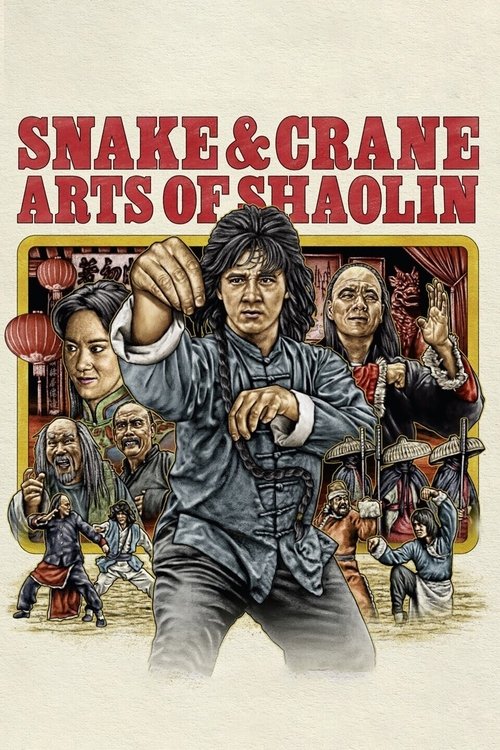
Snake & Crane Arts of Shaolin1978
Jackie Chan and Yuen Woo-ping explore fighting as mimicry—of animals, of opponents. Creative and sometimes experimental. The action design is genuinely curious about what a body can express.
But Less polished than Chan's later work. Some sequences feel half-formed, and the film lacks the narrative drive of his mature films.
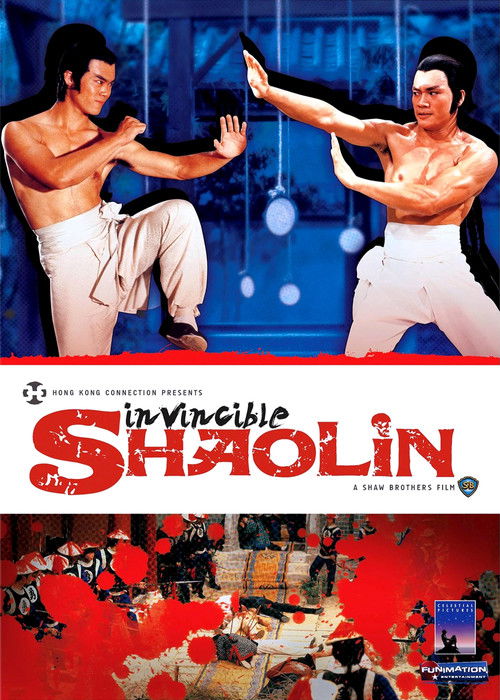
Invincible Shaolin1978
Alexander Fu Sheng leading a martial rebellion with gorgeous wide shots of landscape and mass choreography. Scale and landscape matter here—Shaolin as a place, not just a technique.
But Translation issues and a more diffuse ensemble make it harder to follow. The pacing softens in the middle section.
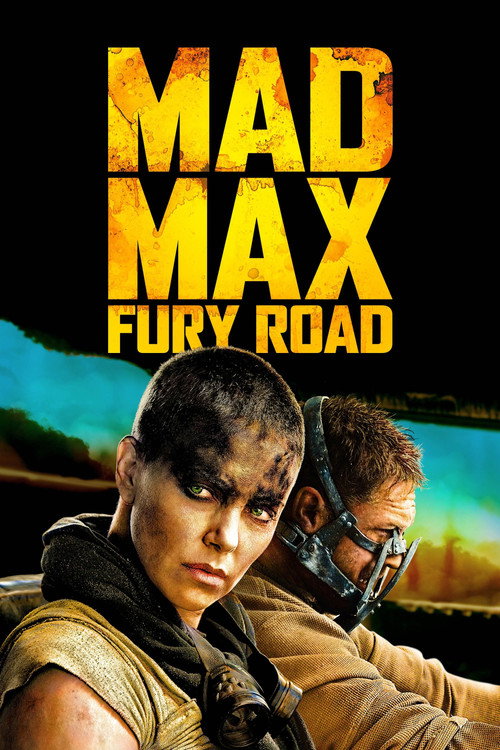
Mad Max: Fury Road2015
Both prioritize clear, intelligible action over plot. Both ask: how much story do you actually need if the movement is sophisticated enough?
George Miller builds a two-hour action film with almost no plot. Like Shaolin Rescuers, it trusts physical language and coherent spatial choreography. You understand everything through what bodies do, not what they say.
But Post-apocalyptic vehicles and industrial design are about as far from Shaolin as aesthetics go. The visual tone is alienating if you want grace or beauty.
Stalker1979
Both 1979 films explore what it means to pursue something worth dying for, but from opposite ends of cinema's spectrum—one through action, one through contemplation.
Released the same year as Shaolin Rescuers, it's also about a journey toward a goal—but Tarkovsky's film uses stillness, silence, and waiting instead of motion. A masterpiece about desire and restraint, philosophically rich.
But 163 minutes of deliberate, meditative pacing. It's the opposite of visceral action—if you need kinetic energy, this will feel like staring at a wall.

People
Cast
 Jason Pai PiaoHong Xiguan
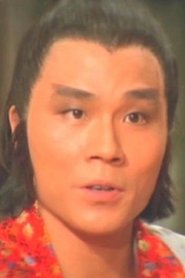 Lu FengGao Jinzhong
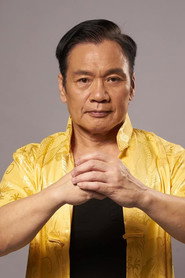 Lo MengChen A Jin
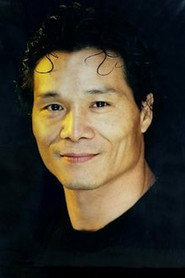 Phillip Kwok ChuiYang Dabao
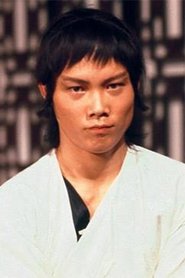 Chiang ShengHan Qi
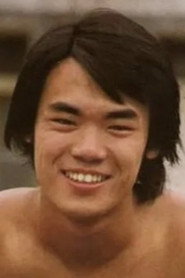 Sun ChienZhu Cai
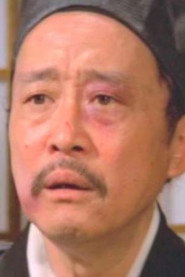 Chiang NanBoss Huang
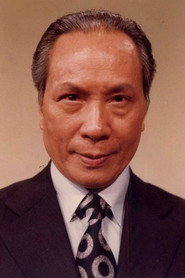 Walter Tso Tat-WahJin's Sifu
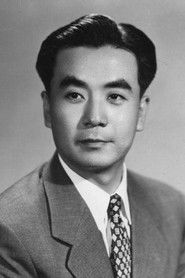 Yang Chi-ChingRestaurant boss
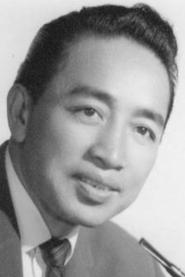 Wong Ching-HoDye factory boss
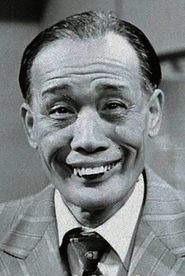 Sai Gwa-PauTofu shop customer
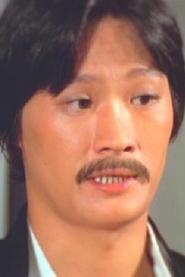 Wong LikWang
Directing
- Chan Yau-ManAssistant Director
- Chiang ShengAssistant Director
- Chang ChehDirector
Writing
- Ni KuangScreenplay
Production
- Mona Fong Yat-WahProducer