
Film
Dirty Ho
A 1979 Hong Kong action-comedy where a conniving thief becomes an unlikely bodyguard to a vulnerable prince. Director Lau Kar-leung crafts a film that dances between kung fu spectacle, genuine warmth, and absurdist humour, with Wong Yu's layered performance at its heart. It's loose, inventive, and utterly alive—a reminder that action cinema can be playful without losing stakes.
Should you watch it?
Watch it if you love scrappy, mischievous kung fu comedies where the fighting is physical and inventive and the hero is more rogue than saint, the sort of jokey martial arts picture Jackie Chan fans would recognise.
Skip it if you want a tight, serious wuxia with weighty drama, since the story is loose and light and the humour keeps undercutting any tension the plot tries to build.
What it asks of you: It runs about an hour and forty minutes and moves at a brisk clip, asking you to go along with playful slapstick and a breezy tone rather than settle into anything slow or brooding.
Not sure? Find tonight's pick in a minute.
If you liked this
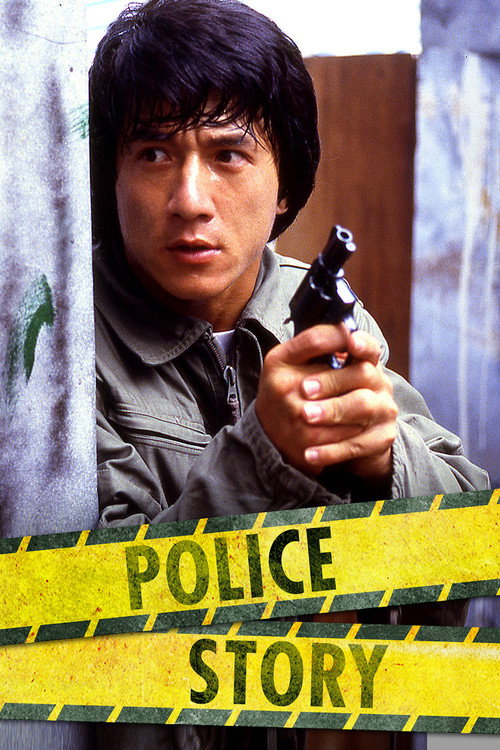
Police Story1985
Jackie Chan's breakthrough combines stunning choreography with slapstick comedy and real emotional depth. Like Dirty Ho, it finds genuine character beats between elaborate set pieces and never winks at the audience.
But Relies heavily on Chan's physical comedy, which can feel dated. The plot is thin and exists mainly to justify the next action sequence.
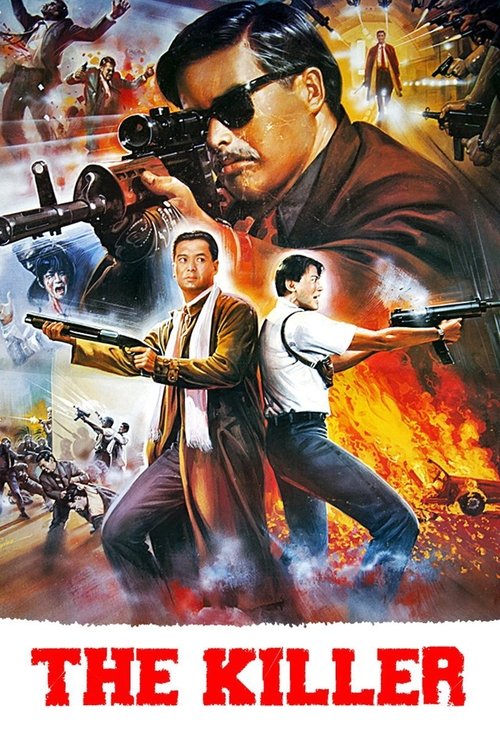
The Killer1989
John Woo's masterpiece about a hitman and cop forced into an unlikely alliance. Balletic violence, moral complexity, and a tenderness that catches you off guard—the DNA of Dirty Ho but turned operatic and tragic.
But The melodrama can feel overwrought. Requires patience with Woo's deliberate pacing and extended gunfight choreography that prioritises beauty over speed.
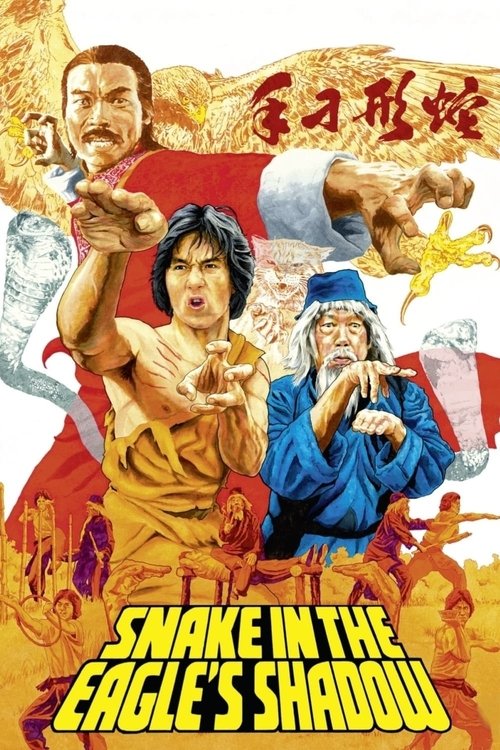
Snake in the Eagle's Shadow1978
Jackie Chan's first leading role, made the same year as Dirty Ho. A gentle kung fu comedy about an underdog finding his power. Shares that exact mix of heart, humour, and unshowy fight craft.
But The production values are visibly modest. Chan's comedic timing takes adjustment, and the plot is almost negligibly thin.
Not sure tonight? Get a pick in a minute, starting from Dirty Ho
The wildcard
Something you would not have found on your own.
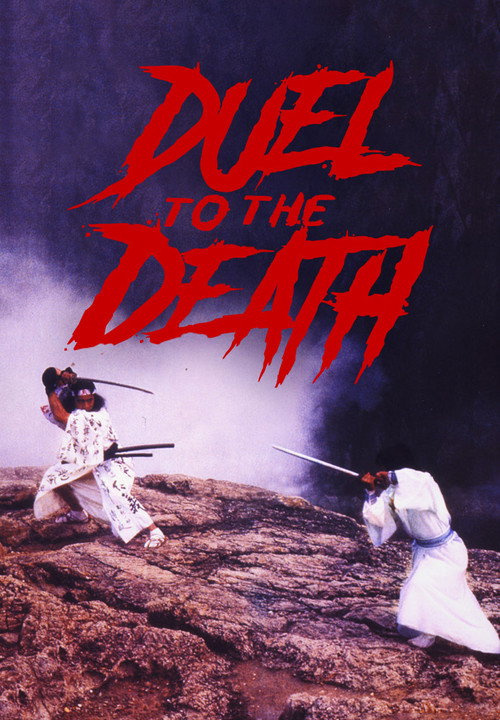
Duel to the Death1983
Both reject the earnestness that often weighed down martial arts cinema, but in opposite directions—one toward comedy and mess, the other toward abstraction and myth.
Ching Siu-tung's fever dream of a martial arts film: operatic, visually surreal, and structured as a meditation on rivalry rather than victory. Where Dirty Ho is loose and playful, this transforms kung fu into something closer to art cinema, yet shares that same refusal to be solemn.
But The pacing is glacial and deliberately oblique. Viewers expecting narrative clarity or constant action will find long sequences of pure visual storytelling; some find it pretentious rather than artistic.
More like this (6)
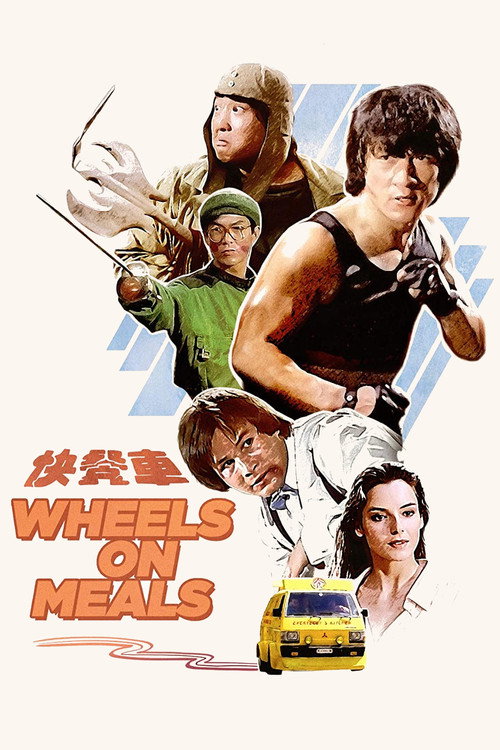
Wheels on Meals1984
Sammo Hung, Jackie Chan, and Yuen Biao as bumbling detectives drawn into a jewel heist. The three-way physical comedy and chemistry mirrors Dirty Ho's lightweight touch without sacrificing genuine wit or action skill.
But The humour is broad and slapstick-heavy. The plot is deliberately silly and never tightens—some find this liberating, others exhausting.
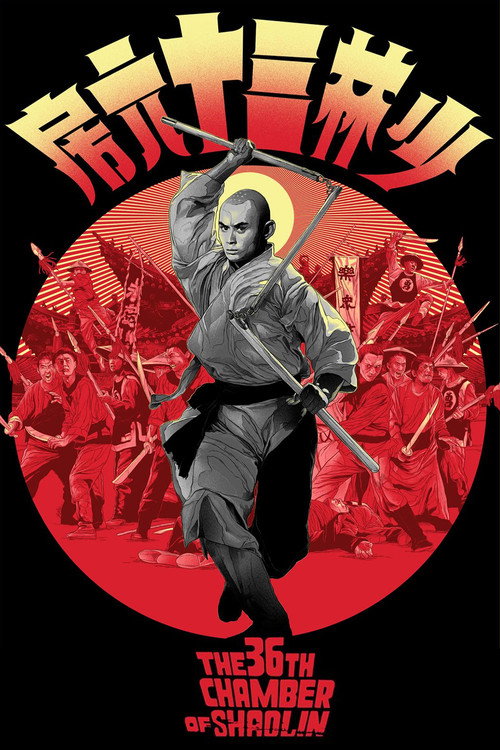
The 36th Chamber of Shaolin1978
Gordon Liu again, in perhaps the definitive kung fu training film. Rigorous, moving, and absolutely credible about discipline and transformation. Peak martial arts cinema from the exact moment Dirty Ho was made.
But The pace is meditative and the narrative sparse. For viewers wanting constant action, the long training sequences will feel static.
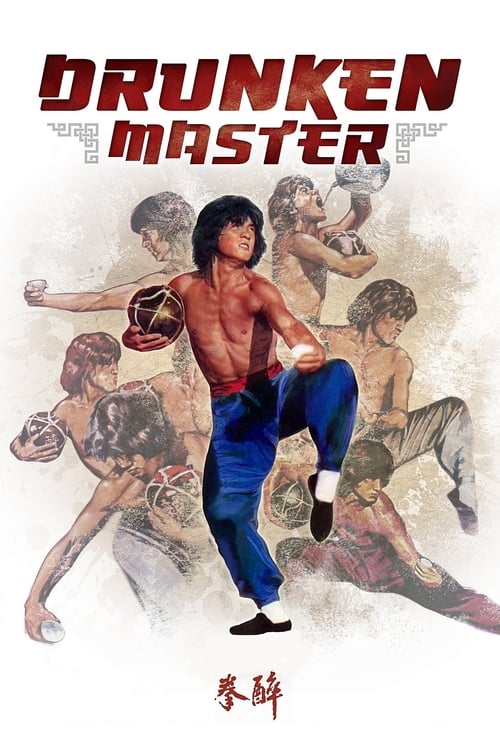
Drunken Master1978
Jackie Chan's second film, a perfect marriage of comedy and combat. Yuen Woo-ping's choreography is astonishing, and Chan's willingness to be ridiculous makes you love him before the action even starts.
But The slapstick can feel juvenile. The plot exists entirely to hang set pieces on, and the female characters are decorative.
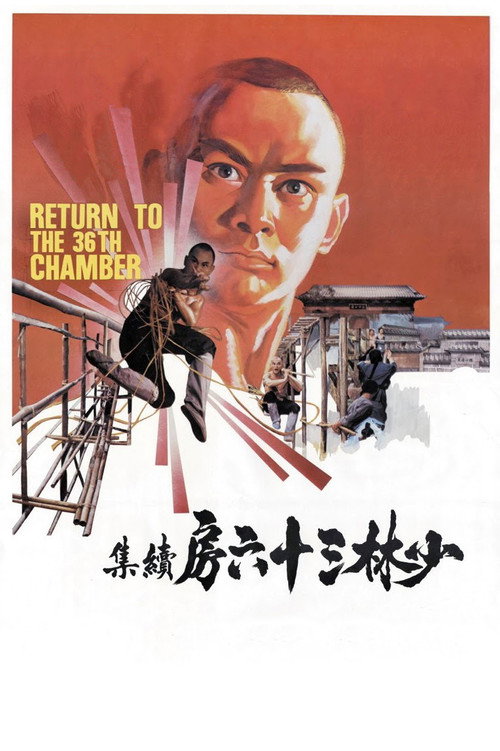
Return to the 36th Chamber1980
Gordon Liu in an inspired comedy where he infiltrates an enemy clan posing as a con artist. A lighter, funnier take on martial arts cinema that proves the genre could accommodate genuine wit and surprise.
But The comedic premise can feel sitcom-thin. Some of the humour relies on dated stereotypes that don't age well.
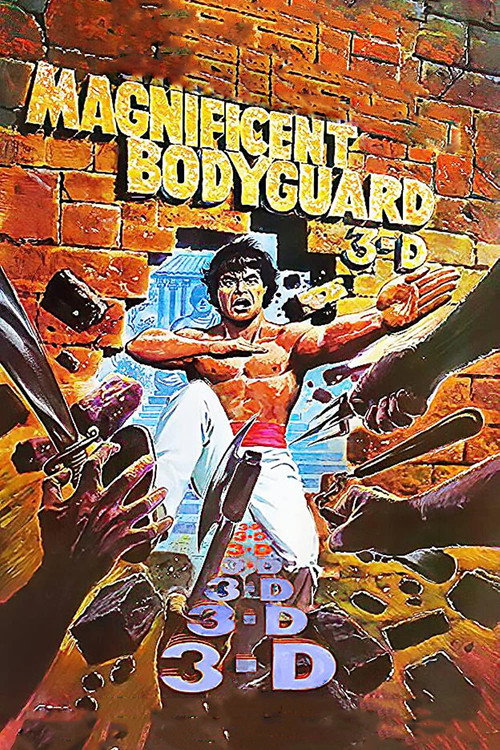
Magnificent Bodyguards1978
Another bodyguard narrative from the same era, with Jackie Chan and Sammo Hung. Less polished than the masterpieces but charming precisely because of its scrappy energy and willingness to try anything for a laugh.
But Feels genuinely thrown together. The pacing is erratic, the tone inconsistent, and the dubbing occasionally renders scenes incomprehensible.
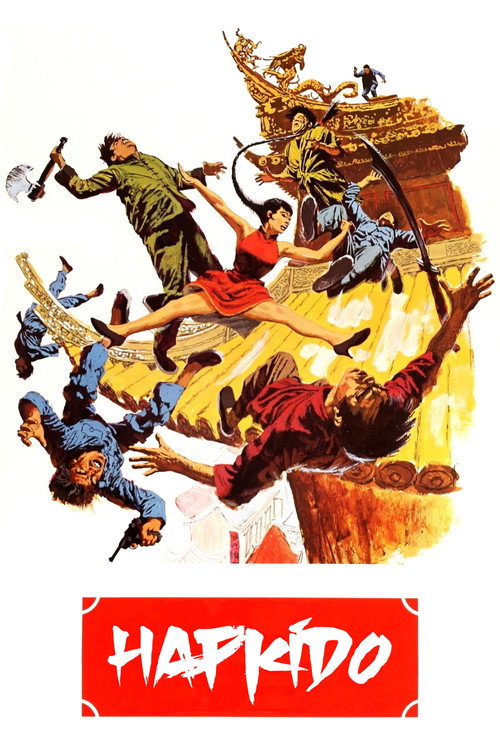
Hapkido1972
Both feature protagonists rising from nothing to challenge entrenched power, but where Dirty Ho treats this as a lark and character journey, Hapkido treats it as sacred—a clash of values that defines what martial arts cinema could do.
A Korean martial arts film starring Angela Mao, made seven years before Dirty Ho, that uses similar plotting (protagonist forced to challenge a powerful institution) but with deadly earnestness. It shows how the same DNA can produce wildly different registers and reminds you why Dirty Ho's lightness feels so radical.
But The anti-Japanese sentiment is sharp and specific to its era. The film is slow-burn and the action sequences, while credible, lack the inventiveness of contemporary Hong Kong work. Feels like watching a different country's cinema.
People
Cast
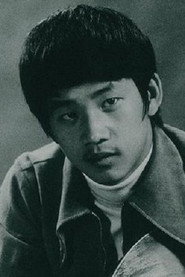 Wong YuDirty Ho Ching
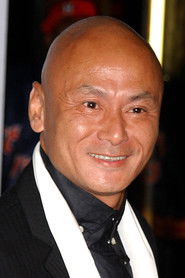 Gordon Liu11th Prince, Wang Chin Chen
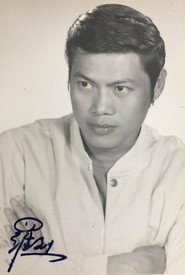 Lo LiehGeneral Liang Jing Cheng
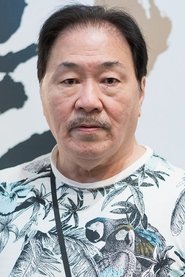 Johnny Wang Lung-WeiMr. Fan Tian Kong
 Hsiao HoXiao Lu
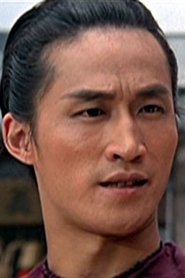 Wilson Tong Wai-ShingMr. Chu Yi Feng
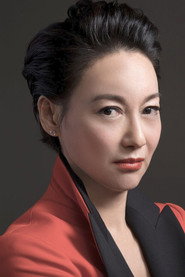 Kara Wai Ying-HungTsui Hung
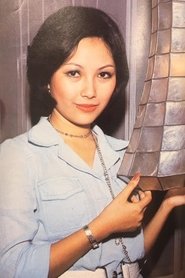 Helen Poon Bing-SeungTsui Bing
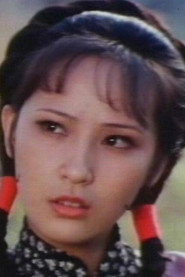 Yau Chui-LingCourtesan
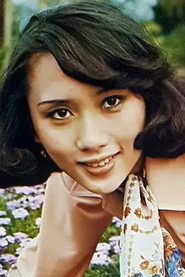 Chen Szu-ChiaCourtesan
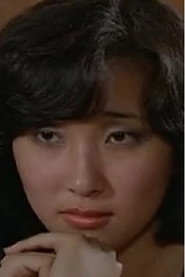 Liu Suk-YeeCourtesan
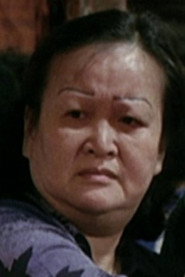 Lui HungBrothel Boss Wang
Directing
- Huang Pa-ChingAssistant Director
- Lee Tai-HangAssistant Director
- Lau Kar-leungDirector
- Chow Jan-WingScript Supervisor
Writing
- Ni KuangScreenplay
Production
- Run Run ShawProducer
- Lawrence Wong Ka-HayProduction Manager
- Mona Fong Yat-WahProduction Manager
Recommended by
The Sword Stained with Royal Blood, Shaolin Mantis, The Shaolin Plot, Invincible Shaolin, Return to the 36th Chamber, Return of the One-Armed Swordsman, Shaolin Abbot, Snake & Crane Arts of Shaolin, Intimate Confessions of a Chinese Courtesan