
Film
Hapkido
A 1972 Korean-Chinese martial arts film where three students return home to open a school and clash with a ruthless Japanese rival. Hapkido excels at delivering kinetic fight choreography and genuine stakes—this isn't winking at itself. It's made for people who want their action sequences crisp and their heroes tested.
Should you watch it?
Watch it if you like period martial arts films where the fights carry the story, with a rivalry built from pride and humiliation rather than gloss, and a lead who commands the screen.
Skip it if you need slick modern choreography or a lean plot, since this one lingers on its grudges and a fairly thin story between the bouts.
What it asks of you: Expect a compact 97 minutes with a slow-burn start, long stretches of simmering humiliation, and a hard, unsentimental mood that rarely lightens.
Not sure? Find tonight's pick in a minute.
If you liked this
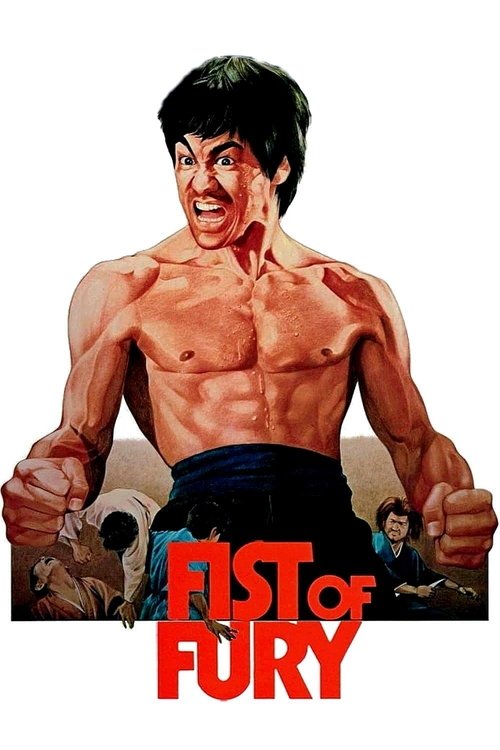
Fist of Fury1972
Bruce Lee's most focused revenge narrative. Raw power and fury channeled into a story about defending dignity against occupation. The fights hit with real weight and intention.
But Lee's screen time is smaller than legend suggests, and the film's pacing sags between action sequences.
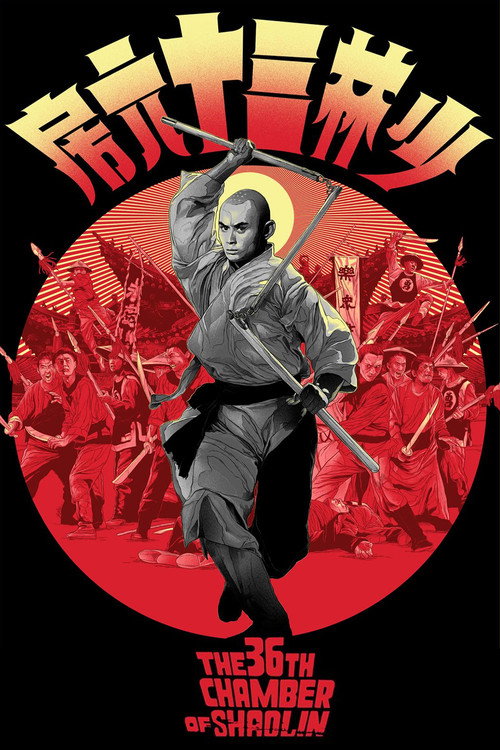
The 36th Chamber of Shaolin1978
Gordon Liu's methodical journey from raw recruit to master. The training sequences are hypnotic and the final confrontation feels earned. Pure martial arts storytelling done right.
But Long stretches with minimal dialogue. If you need plot momentum over technique, this will test your patience.
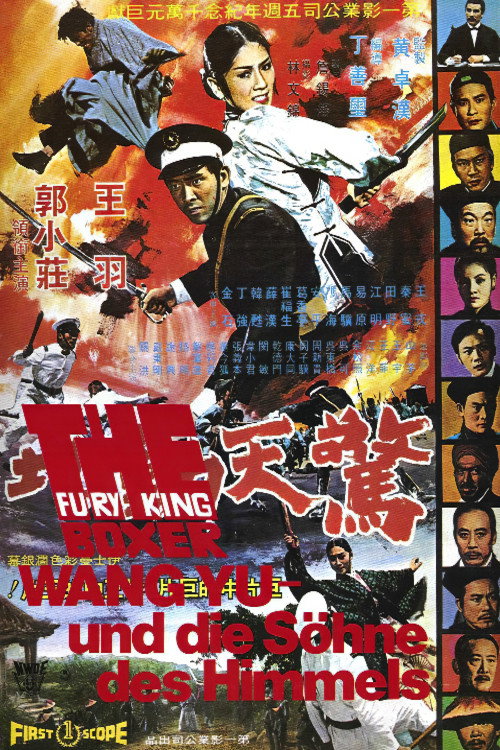
Fury of King Boxer1972
A school under siege, a young fighter proving himself, tournament combat that feels genuinely dangerous. Released the same year and shares Hapkido's belief that martial arts can carry real drama.
But The dubbing is occasionally distracting and some wire work hasn't aged gracefully.
Not sure tonight? Get a pick in a minute, starting from Hapkido
The wildcard
Something you would not have found on your own.
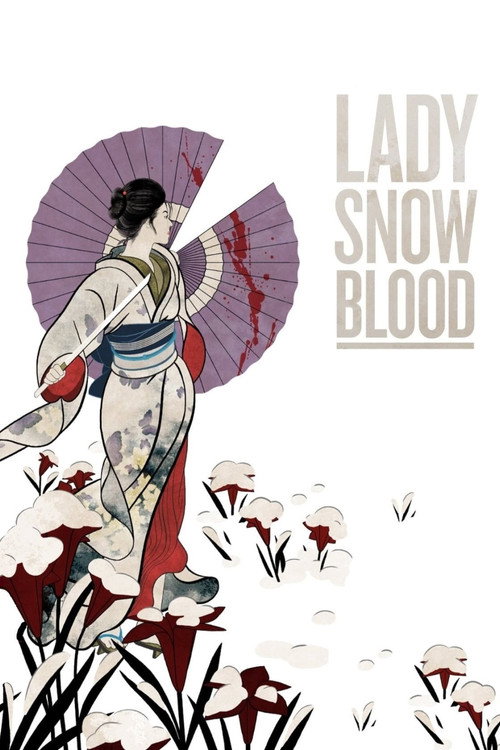
Lady Snowblood1973
Both films from 1972-73 center on skilled fighters bearing legitimate grievances who discover that mastery alone cannot solve problems rooted in systems. Both suggest martial arts as an answer to powerlessness—and both suggest it's not quite enough.
A woman on a revenge mission tests her skills against a corrupt system. Like Hapkido, it's about martial prowess as a tool for justice, but this is filmed as art—snow and blood and rage rendered in crimson and white. The fight choreography is poetry.
But It's a slowburn that dwells in aesthetics and trauma. Graphic violence isn't played for excitement; it's shown as consequence. Some will find it remote and cold.
More like this (7)
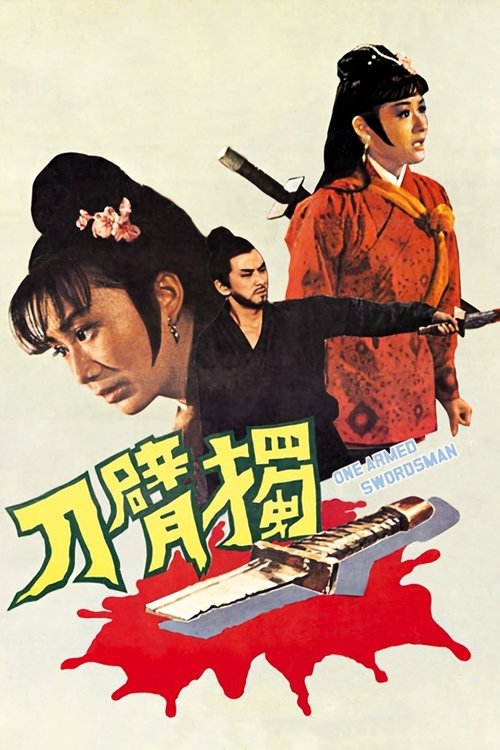
The One-Armed Swordsman1967
Chang Cheh's masterpiece about a fighter stripped of his advantage and forced to reimagine himself. Gorgeous cinematography and a protagonist who earns every victory through ingenuity, not just strength.
But It's a swordplay film, not hand-to-hand combat, and the opening act is slow-burn character work.
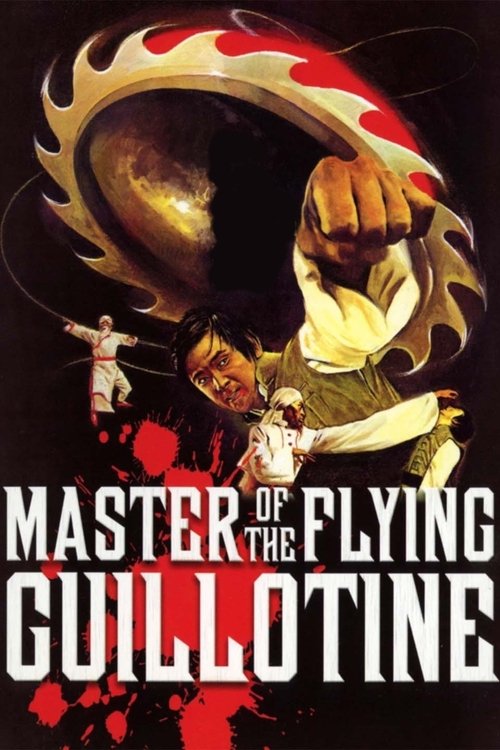
Master of the Flying Guillotine1976
Weird, inventive, genuinely unsettling. A blind master hunts across a martial arts tournament. The fights are strange and nasty in ways that feel lived-in, not choreographed.
But The absurdity is intentional but uneven. Tone whiplash and a budget that shows in every frame.
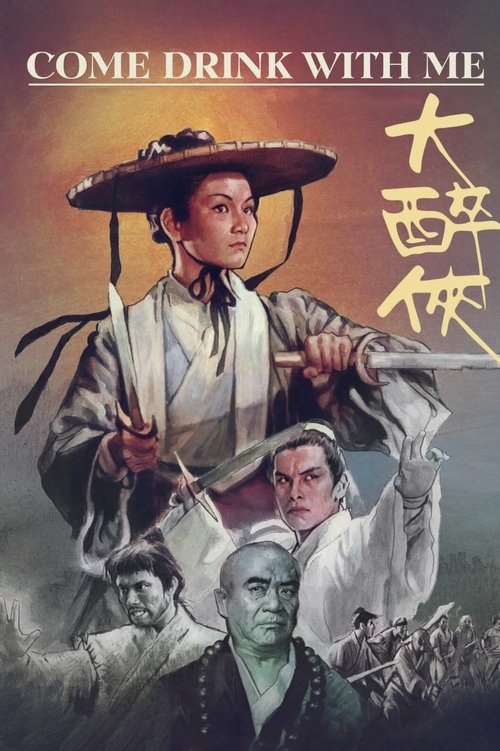
Come Drink with Me1966
King Hu's lyrical martial arts masterpiece. Every frame is composed like a painting. Cheng Pei-pei moves with liquid grace and the action sequences are actually sparse—they're devastating because of it.
But It's contemplative and patient. Modern action-film audiences sometimes find it too quiet and painterly.
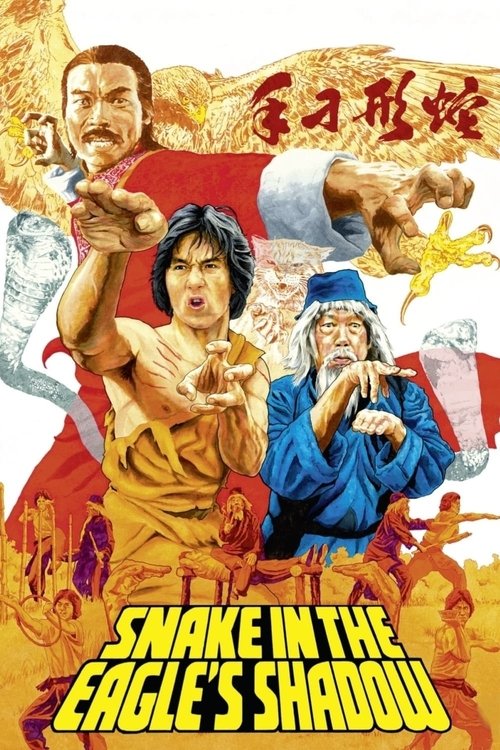
Snake in the Eagle's Shadow1978
Jackie Chan's breakthrough film. Loose, funny, and inventive with the action. A student learns an ancient technique to save his master and the scrappy energy is irresistible.
But Chan's performance is manic by modern standards and some will find it annoying rather than charming.
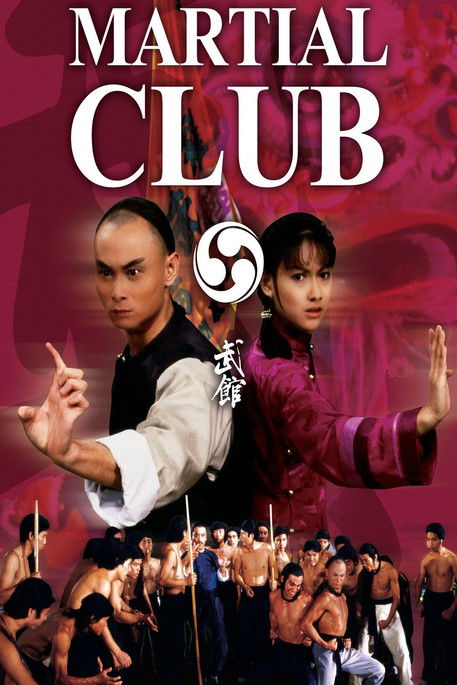
Martial Club1981
A character study disguised as a revenge drama. Low-key and genuinely tense. The fights matter because the relationships matter first.
But It's understated to the point of obscurity and the plot requires patience to unfold.
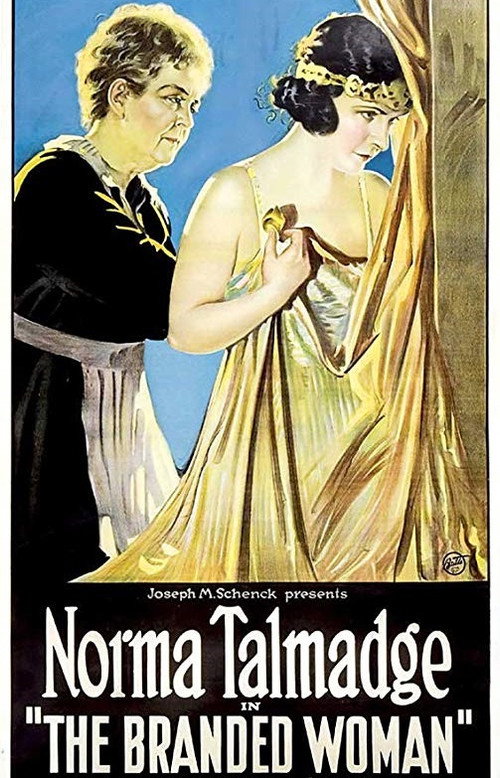
The Branded Woman1920
Both films anchor their martial narratives in characters who train specifically as a response to social exclusion and cruelty. Where Hapkido is about opening a school, this is about mere survival—but the engine is identical: the body as resistance.
An almost-forgotten German silent film about a woman who learns boxing to survive on the streets. No dialogue, pure physical storytelling. Watching someone discover their own strength through combat across a century shows how timeless this story really is.
But It's silent, fragmented, and available in restoration only. The pacing is glacial and the print quality is imperfect by design.
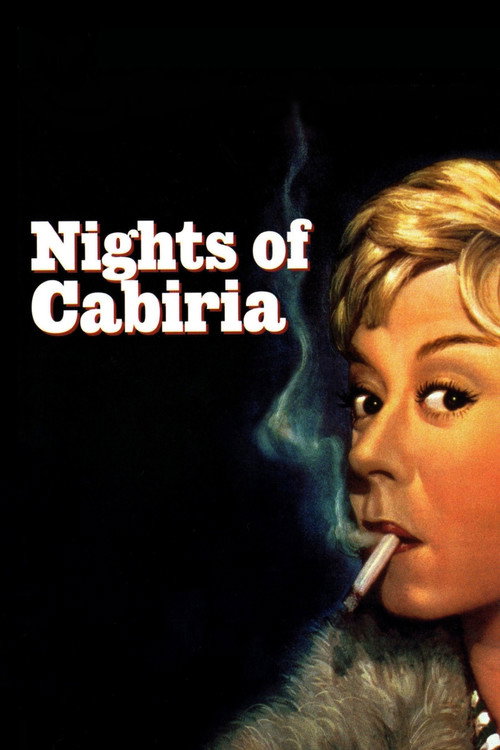
Nights of Cabiria1957
Hapkido and Cabiria share a structural DNA: a protagonist trying to establish something new (a school, a life) in an environment designed to crush them. Both films understand that the real adversary isn't always the obvious enemy—it's a system that profits from your failure. Both are about resistance through persistence.
Fellini's portrait of a woman trying to build something decent in a world that wants to grind her down. Not a martial arts film—a human document about dignity under pressure. Giulietta Masina is luminous and heartbreaking. The film asks what it costs to keep hoping.
But It's meditative, melancholic, and entirely uninterested in plot. The pacing is wandering and the ending is deliberately bleak.
People
Cast
 Angela Mao YingYu Ying
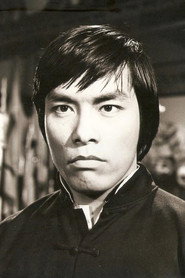 Carter Huang Chia-TaKao Chung
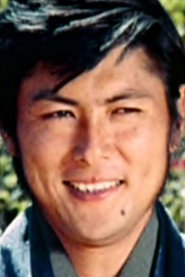 Pai YingBlack Bear Chief Instructor
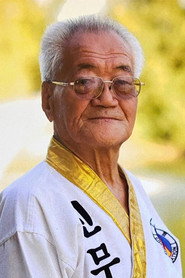 Ji Han-jaeHapkido Master
 Nancy Sit Ka-YinMiss Sau
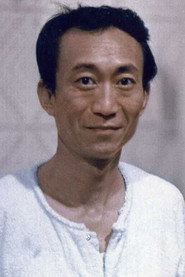 Wei Ping-AoBlack Bear Secretary Zhang
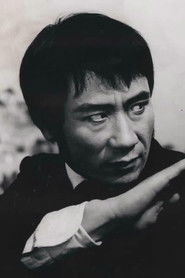 Hwang In-shikHapkido Head Student
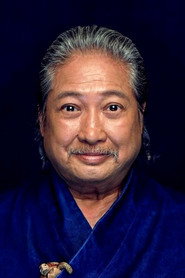 Sammo HungFan Wei (Bun Wei)
- Goro KumonToyoda (Black Bear Boss)
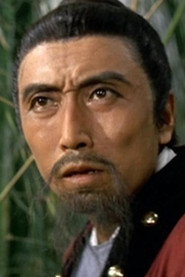 Sun LanDrunken Black Bear Student
- Chin TiTiger
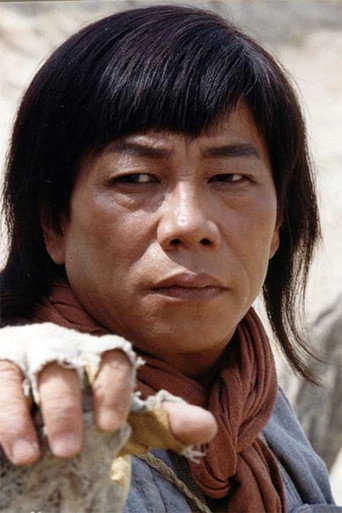 Bruce Leung Siu-LungDrunken Black Bear Student
Directing
- Shen YuenAssistant Director
- Huang FengDirector
- Ku HuaScript Supervisor
Writing
- Ho JenScreenplay
Production
- Raymond ChowProducer
Recommended by
Dirty Ho, Return to the 36th Chamber, The Mystery of Chess Boxing