
Film
The Branded Woman
A 1920 silent drama about a woman wrongly condemned by society, forced to navigate shame and redemption in a world that refuses forgiveness. Norma Talmadge delivers a performance of genuine vulnerability in a film that treats moral judgment with surprising complexity. Essential viewing for understanding how early cinema handled female agency and social hypocrisy.
If you liked this
Sunrise: A Song of Two Humans1927
F.W. Murnau's masterpiece uses visual storytelling to explore temptation, guilt, and the possibility of redemption with devastating emotional power. A film that shows what silent cinema could do when technique served genuine feeling.
But The pacing is deliberate and the emotional register is heavy throughout. If you want lightness or plot momentum, this will test your patience.

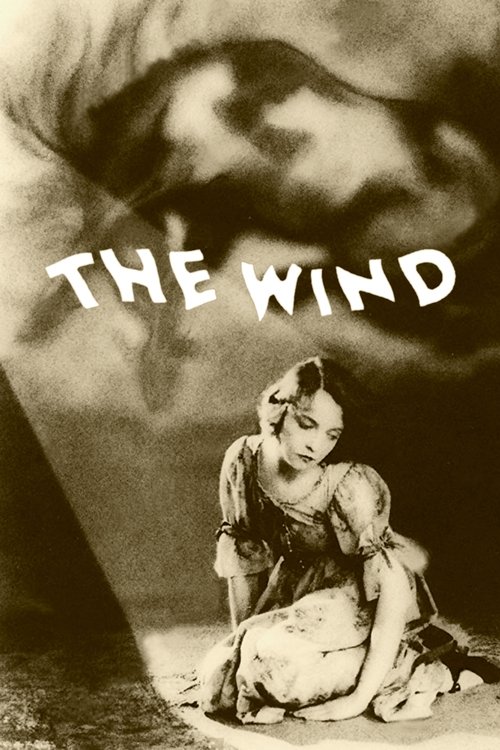
The Wind1928
Lillian Gish in one of cinema's most psychologically brutal portraits of a woman destroyed by circumstance and unforgiving society. Raw, uncompromising, and visually stunning—a film that never looks away.
But The heroine suffers relentlessly and the ending is bleak. This is not cathartic; it's punishing in ways that can feel deliberately cruel.
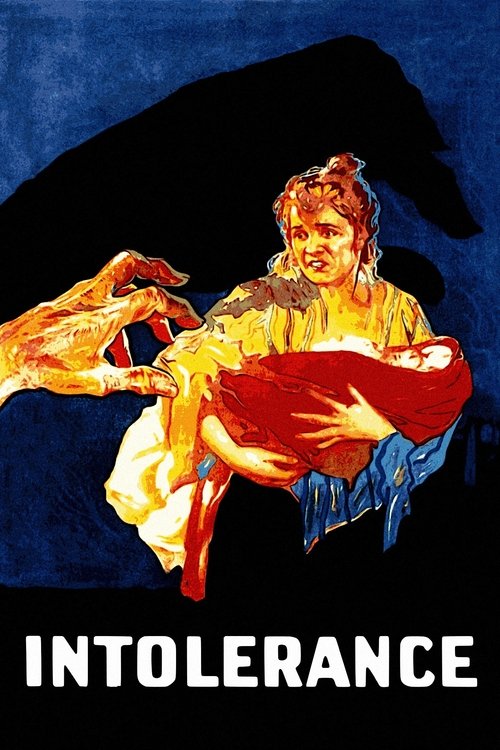
Intolerance: Love's Struggle Throughout the Ages1916
D.W. Griffith's epic meditation on how societies punish those deemed deviant, told across four different eras. Visually colossal and morally complex, with a genuine rage at injustice running through it.
But Nearly four hours long, structurally demanding, and Griffith's politics are reprehensible in other contexts. The scale can overwhelm the story for modern viewers.
Not sure tonight? Get a pick in a minute, starting from The Branded Woman
The wildcard
Something you would not have found on your own.
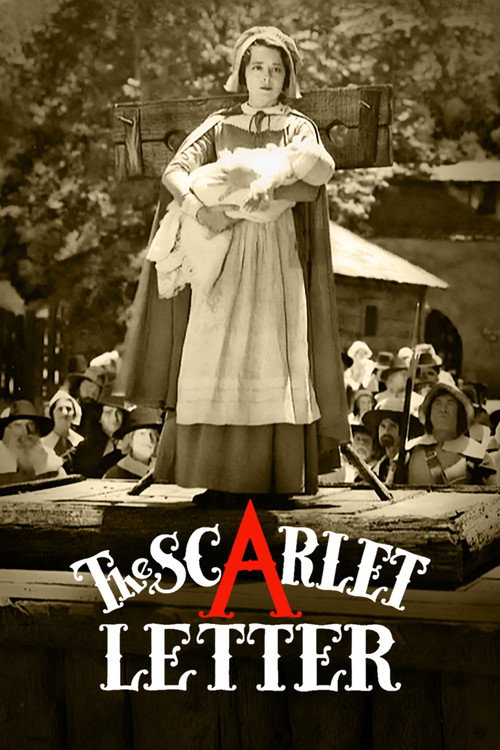
The Scarlet Letter1934
Both films investigate how society's need to punish and condemn can destroy innocent or complicated women. Both use the female face as a landscape of suffering and resilience.
Not the Nathaniel Hawthorne adaptation you might expect—this is a loose, modernized version that captures Hawthorne's rage at social hypocrisy while transplanting the story to contemporary America. Lillian Gish once more as a woman destroyed by moral judgment, but here the film is in dialogue with a literary classic about the exact same cruelty.
But The fidelity to the source material is loose enough to upset literature purists. The dialogue feels theatrical, and the modernization sometimes works against the material's power.
More like this (8)
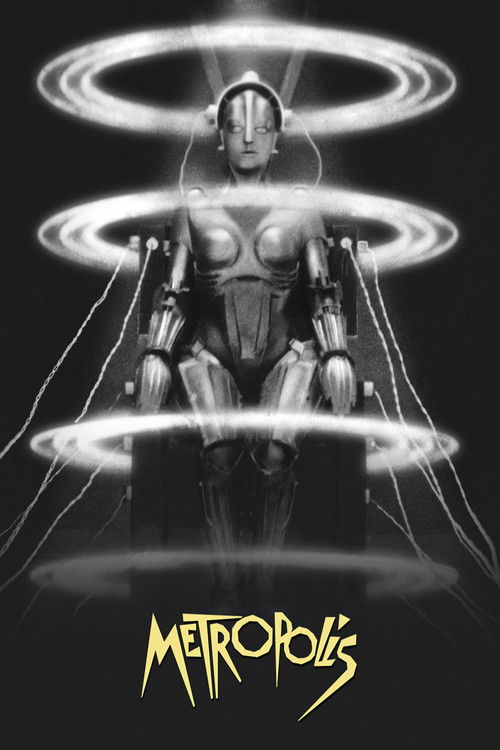
Metropolis1927
Fritz Lang's geometric vision of class division, exploitation, and redemption through love. Visually revolutionary and surprisingly moving beneath the dystopian machinery.
But The restoration work varies depending on which cut you see. Some versions are incomplete, and the class-harmony ending feels ideologically naive now.
The Phantom Carriage1921
Victor Sjöström's haunting Swedish film about a man forced to confront his cruelty and selfishness through supernatural intervention. Morally serious and cinematically inventive, with genuine pathos.
But The supernatural elements may feel dated, and the moral lesson can seem heavy-handed. The pacing is glacial by modern standards.

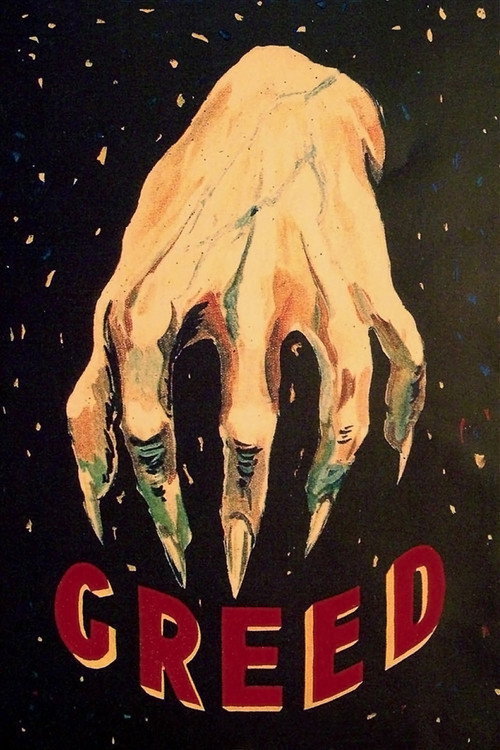
Greed1924
Erich von Stroheim's relentless portrait of human weakness and corruption, based on *McTeague*. Shot with obsessive naturalism, it's a film about people destroying themselves through appetite.
But Nearly nine hours in its complete form, and it's a depressing slog through human degradation. The original cut is fragmentary, and watching it requires real commitment.
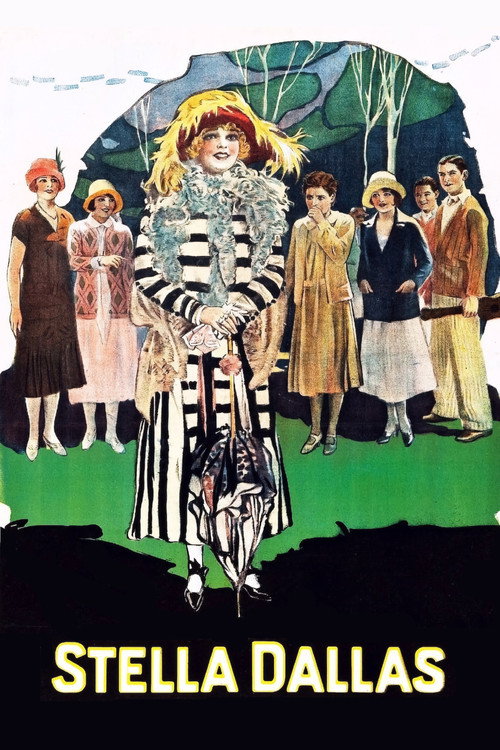
Stella Dallas1925
King Vidor's surprisingly tender story of a working-class mother deemed unsuitable by polite society, forced to choose between her ambitions and her daughter's future. Emotionally intelligent and never patronizing.
But The class dynamics feel dated, and the solution to the heroine's dilemma will strike many as capitulation. The melodrama can slip into sentimentality.
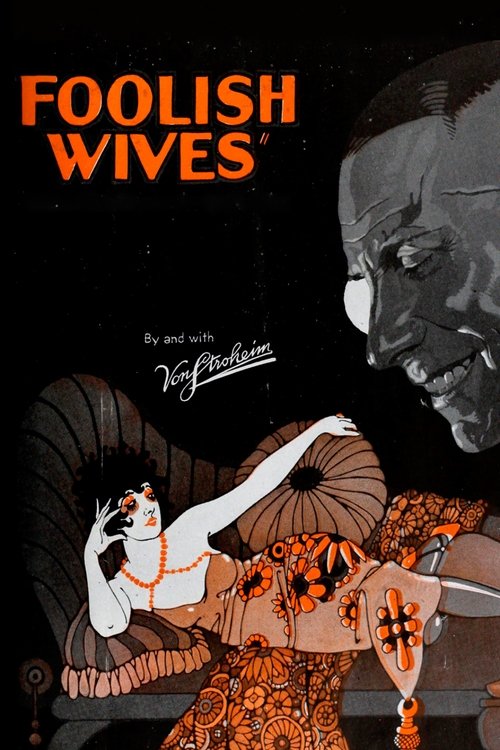
Foolish Wives1922
Von Stroheim again, this time exploring moral corruption and infidelity in the French Riviera. Cynical, sexually frank for its era, and genuinely entertaining beneath the moral ambiguity.
But The misogyny is casual and pervasive. Women are either predators or victims, and the film doesn't seem to notice or care about its own cruelty.
Nosferatu1922
F.W. Murnau's vampire film is formally audacious and genuinely eerie. A work of pure cinema that proves silent film could create genuine dread without a single word.
But The pacing is slow and the plot is straightforward. If you're expecting a thriller, this is a mood piece first, narrative second.

Jeanne Dielman, 23, quai du Commerce, 1080 Bruxelles1976
Both films center female interiority and daily experience as worthy of cinematic attention. Both refuse to sensationalize or judge their heroines. Both insist that how a woman moves through the world matters as much as what the world thinks of her.
Chantal Akerman's three-hour portrait of a woman's daily routine—cooking, cleaning, sex work—shot with radical patience and love. Where *The Branded Woman* shows what society does to women, Akerman shows what women do with themselves in the margins society leaves them. Revolutionary and unexpectedly tender.
But Nothing happens in the conventional sense. You watch the same woman perform domestic tasks for three hours. The slowness is the point, but it requires surrender.

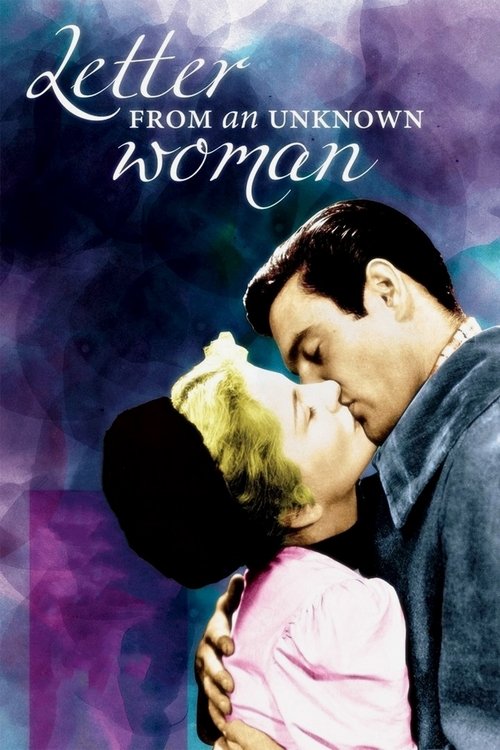
Letter from an Unknown Woman1948
Both films use the camera and editing to externalize a woman's internal state—shame, longing, the weight of judgment. Both insist that what other people think of a woman is different from who she is. Both end with a kind of transcendence through acceptance of loss.
Max Ophüls' heartbreaking melodrama, told largely through a woman's letter to a man who has forgotten her. A film about unrequited love and self-deception told with such visual grace and emotional intelligence that it elevates the material into something close to tragic poetry. Arguably the greatest film ever made about feminine longing and erasure.
But It's unabashedly sentimental, and the woman's devotion to a man who doesn't deserve it can feel masochistic rather than romantic. The melodramatic register will alienate anyone allergic to emotion.
People
Cast
 Norma TalmadgeRuth Sawyer
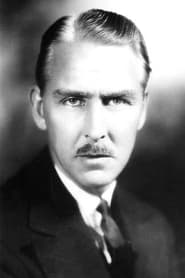 Percy MarmontDouglas Courtenay
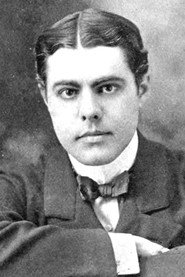 Vincent SerranoVelvet Craft
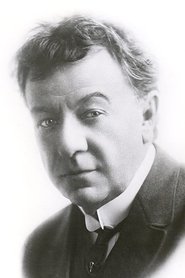 George FawcettJudge Whitlock
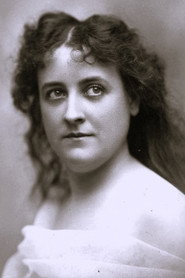 Grace StuddifordDot Belmar
 Gaston GlassWilliam Whitlock
- Jean ArmourMrs. Bolton
 Edna MurphyVivian Bolton
- Henry CarvillHenry Bolton (as H.J. Carvill)
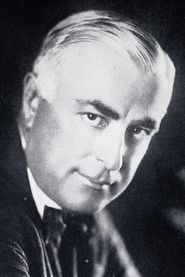 Charles LaneHerbert Averill
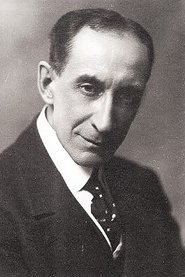 Sidney HerbertDetective
- Edouard DurandJeweler
Directing
- Albert ParkerDirector
Writing
- Albert ParkerAdaptation
- Anita LoosAdaptation
- Oliver D. BaileyTheatre Play
Production
- Joseph M. SchenckProducer
- Norma TalmadgeProducer