
Film
The One-Armed Swordsman
The One-Armed Swordsman is a 1967 kung fu milestone where a disabled hero becomes unstoppable. Jimmy Wang Yu plays a fighter who loses an arm, then returns to prove his former teacher's worth against rival swordsmen. It's visceral, beautifully composed, and invented the template that countless action films still follow. Essential viewing for anyone who loves martial arts cinema.
Should you watch it?
Watch it if you love old-school martial arts films where the swordplay is sharp, stylised and emotionally earnest, and a lone wronged man carrying a grudge against a corrupt gang is all the story you need.
Skip it if you need modern pacing or slick digital spectacle, since this 1967 picture moves at its own unhurried speed and its fight staging and dialogue feel dated to many newer viewers.
What it asks of you: Just under two hours of patience for scenes that linger on character and build toward the sword fights, rather than a constant rush of action from the opening minutes.
Not sure? Find tonight's pick in a minute.
If you liked this
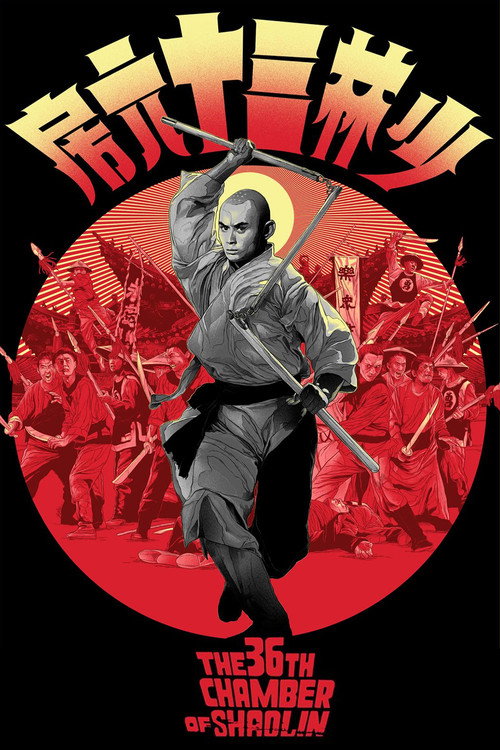
The 36th Chamber of Shaolin1978
Gordon Liu trains from nobody to unstoppable monk, learning 36 chambers of kung fu through disciplined, methodical sequences. It's the purest expression of the martial arts journey The One-Armed Swordsman pioneered—patient, detailed, and deeply satisfying.
But Plotwise it's slight, mostly an excuse for training montages. If you need character drama, you'll find very little here.
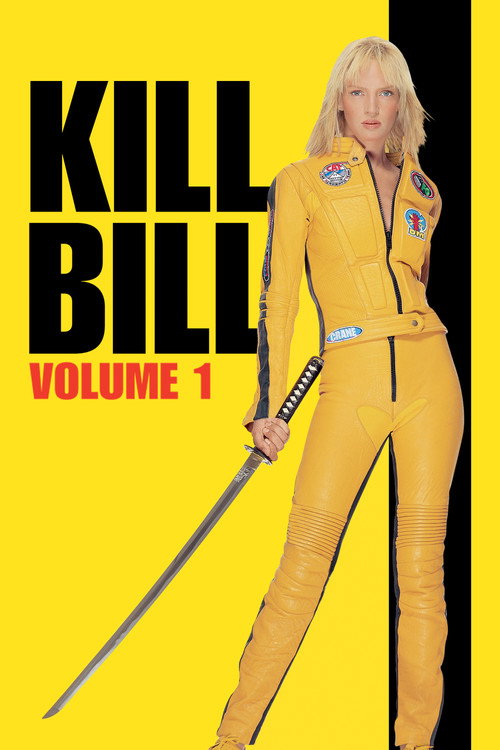
Kill Bill: Vol. 12003
Tarantino built this entire film on the foundation laid by The One-Armed Swordsman—a warrior with a personal mission, striking visual composition, and balletic violence. It's a direct creative descendant done with modern resources and Western sensibilities.
But It's hyperaware of its own stylishness in ways the 1967 original isn't. Some find that self-consciousness exhausting rather than fun.
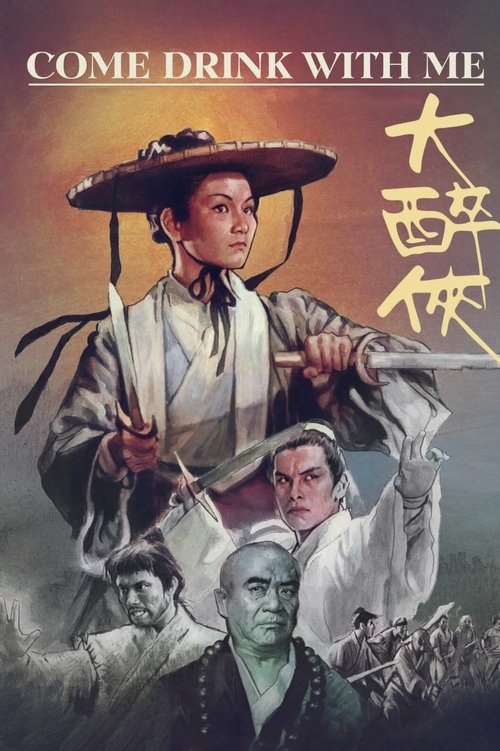
Come Drink with Me1966
King Hu's masterpiece came out the year before The One-Armed Swordsman and shares its elegance. A female warrior must rescue her brother from bandits across stunning landscapes. The fight choreography is balletic and the mise-en-scène is impeccable.
But It moves slowly by modern standards. The pacing is contemplative, not action-driven, which can feel distant if you want constant momentum.
Not sure tonight? Get a pick in a minute, starting from The One-Armed Swordsman
The wildcard
Something you would not have found on your own.
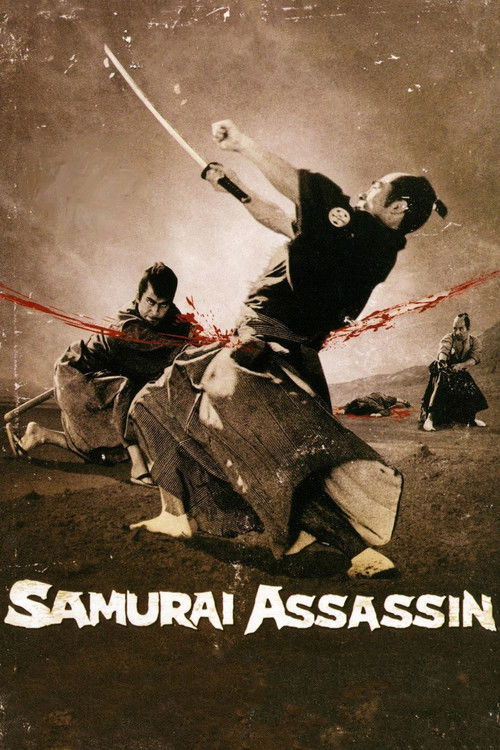
Samurai Assassin1965
Both explore what happens when physical disability becomes psychological armour, and both pit the individual against systems that want to use him.
Made by Kihachi Okamoto in black-and-white, this Japanese film examines similar territory—a scarred, morally ambiguous fighter facing institutional forces. It's proof that The One-Armed Swordsman didn't invent the theme, but showed it could work in colour and in a more populist register.
But It's slower and more psychologically interior than the original. The action is sparse, and the mood is persistently grim.
More like this (6)
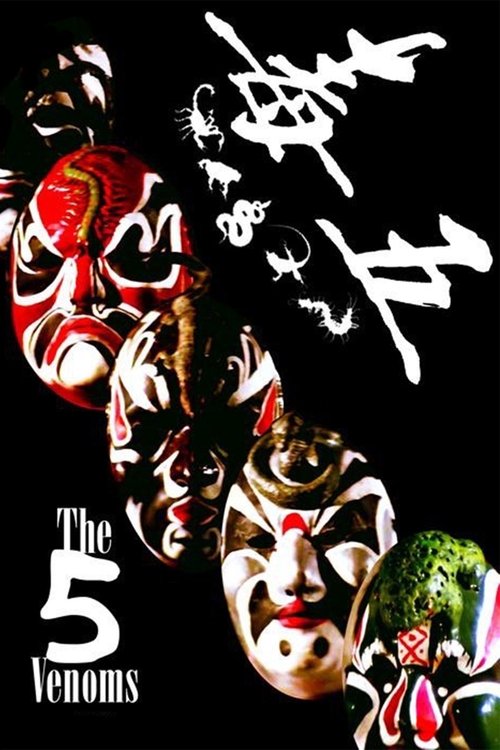
The Five Venoms1978
Chang Cheh (who directed The One-Armed Swordsman) made this with vivid colour, a puzzle-box plot, and five distinct fighting styles. It's playful, inventive, and shows how Hong Kong action cinema evolved from the foundation he'd already laid.
But The dubbing is noticeably artificial, and the print quality on most versions isn't great. You're watching a repair job, not a restoration.
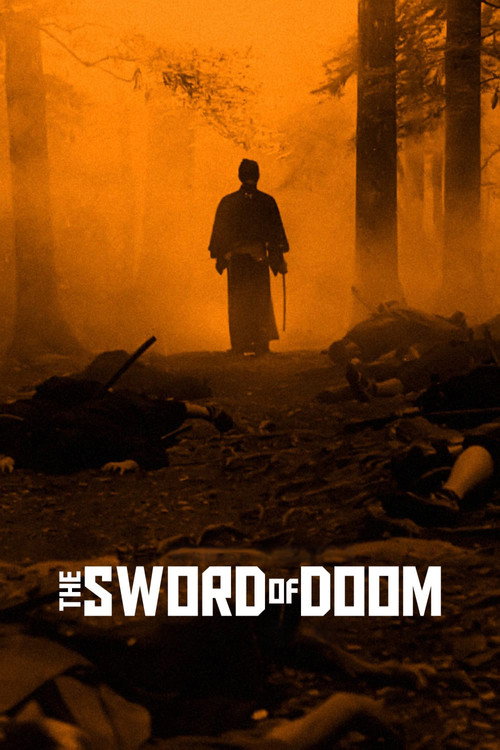
The Sword of Doom1966
Tatsuya Nakadai plays an amoral swordsman in this Japanese black-and-white samurai film. It shares The One-Armed Swordsman's interest in the psychology of violence and what happens when skill becomes moral void.
But It's bleak and existential where The One-Armed Swordsman has emotional warmth. Some find it too austere and airless.
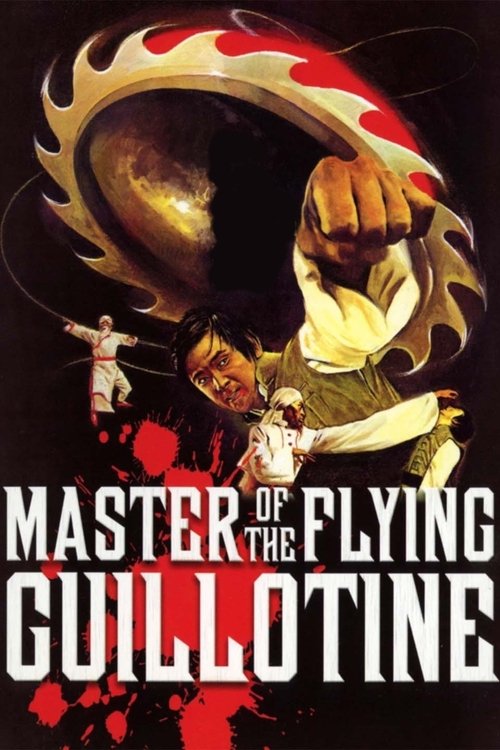
Master of the Flying Guillotine1976
Jimmy Wang Yu (the star of The One-Armed Swordsman) returns in this delirious, audacious sequel where his character hunts down the man who took his arm. It's weirder and more baroque than the original, and genuinely impossible to predict.
But It leans into camp and absurdity where the first film was grounded. The tonal whiplash isn't for everyone, and the plot is genuinely bonkers.
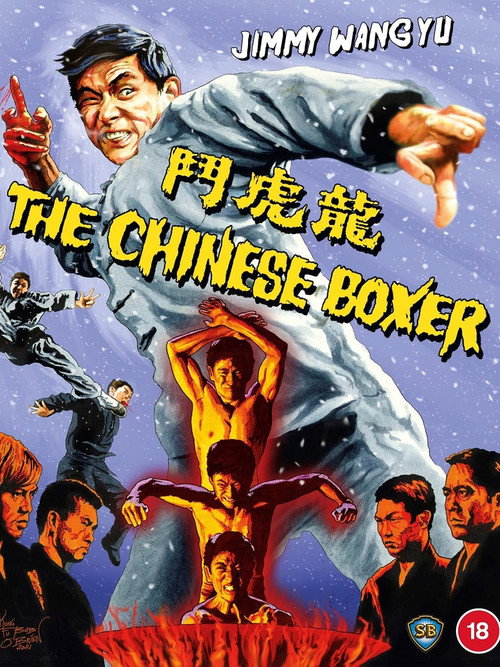
The Chinese Boxer1970
Jimmy Wang Yu again, this time blinded rather than armless, facing Japanese martial artists. It explores similar themes of disability and ingenuity but with nationalist fire. Raw, passionate, and genuinely fierce.
But The anti-Japanese sentiment is overt and unflinching. If you want subtlety in your politics, this isn't the film.
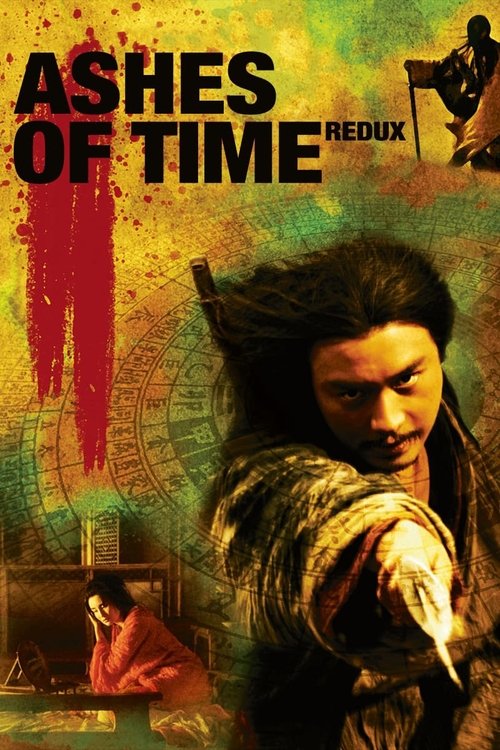
Ashes of Time1994
Both use the one-armed warrior as a meditation on damage, time, and whether a fighter can ever escape his own trajectory. Kar-wai remade it as poetry.
Wong Kar-wai remade The One-Armed Swordsman as a dreamlike, colour-saturated tone poem. It's incomprehensibly beautiful, featuring Maggie Cheung, Brigitte Lin, and Tony Leung as variants on the doomed swordsman. Abstract and hypnotic where the original is direct.
But The plot is deliberately opaque and the colour grading can look smeary or blown out. If you need clarity and narrative coherence, this will frustrate you.
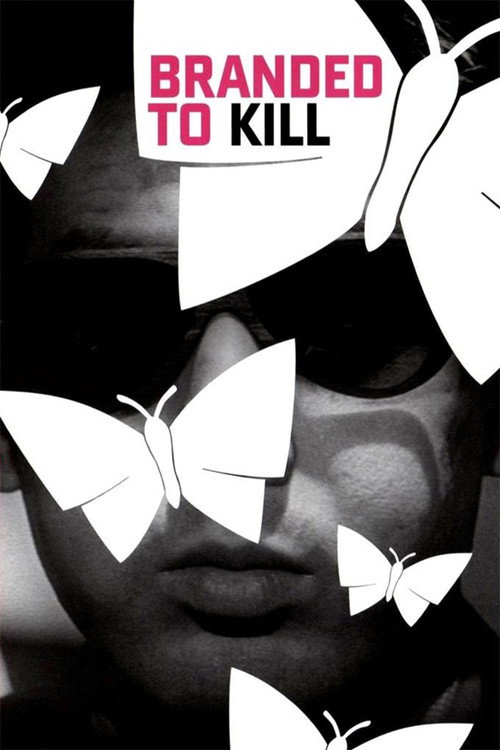
Branded to Kill1967
Both are 1967 action films where the protagonist's damage—physical or psychological—becomes the engine of the story rather than an obstacle to overcome.
Seijun Suzuki's surreal, psychedelic yakuza film came out the same year as The One-Armed Swordsman. It's about a hitman falling in love and losing his identity. Formally wild and thematically dark—the inverse of straightforward action heroism.
But It's deliberately weird and anti-narrative. If you want plot to carry you, you'll feel lost. The transfer quality varies wildly depending on where you watch it.
People
Cast
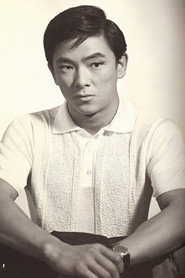 Jimmy Wang YuFang Kang
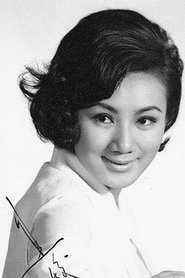 Lisa Chiao ChiaoXiao Man
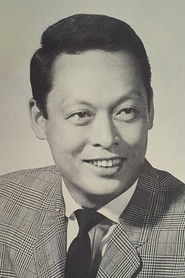 Tien FengQi Ru-Feng
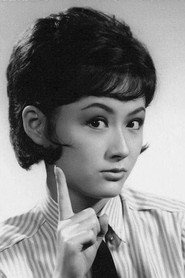 Violet Pan Ying-ZiQi Pei-Er
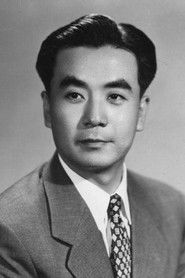 Yang Chi-ChingLong-Armed Devil
 Tang TiSmiling Tiger Cheng Tian-Shou
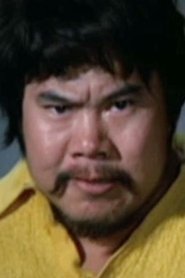 Fan Mei-ShengGuo Sheng / Brother Hua
- Wang Shih-ChiehQin Da-Chuan
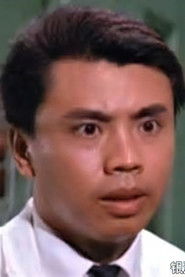 Chang Pei-ShanSun Hao
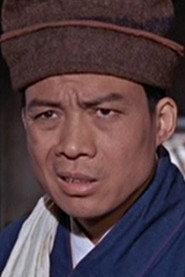 Fan DanQi's Rich Disciple
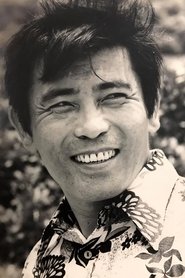 Ku FengFang Chang
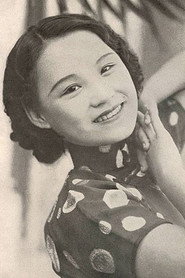 Chen YanyanMaster Qi's Wife
Directing
- Huang Yuan-ShenAssistant Director
- Chang ChehDirector
Writing
- Chang ChehScreenplay
- Ni KuangScreenplay
Production
- Runme ShawProducer
Recommended by
Come Drink with Me, Iron Monkey, Dragon Inn, The Chinese Boxer, The Avenging Eagle, The Duel, Shaolin Mantis, Hapkido, Fury of King Boxer, Return of the One-Armed Swordsman, The Flying Guillotine, The Master, Heroes Two, Shaolin Martial Arts