
Film
Heroes Two
A 1974 Shaw Brothers classic about Ming loyalists hunted by the Qing Dynasty after Shaolin Temple burns. When a prodigy accidentally betrays a rebel leader, he must fight to rescue him from execution. Visceral, inventive action choreography, genuine political stakes, and the kind of kinetic filmmaking that defined Hong Kong cinema. For anyone discovering where modern action cinema came from.
Should you watch it?
Watch it if you like old-school kung fu where the swordplay and fist fights are staged with real choreographic clarity, and where loyalty between rebels carries more weight than the spectacle.
Skip it if the dialogue-heavy stretches between bouts can feel stagey and slow, and the dubbing and rough edges of a 1970s studio production may wear thin if you want slick modern polish.
What it asks of you: At ninety-three minutes it moves briskly, and its fight sequences reward your full attention rather than background noise.
Not sure? Find tonight's pick in a minute.
If you liked this
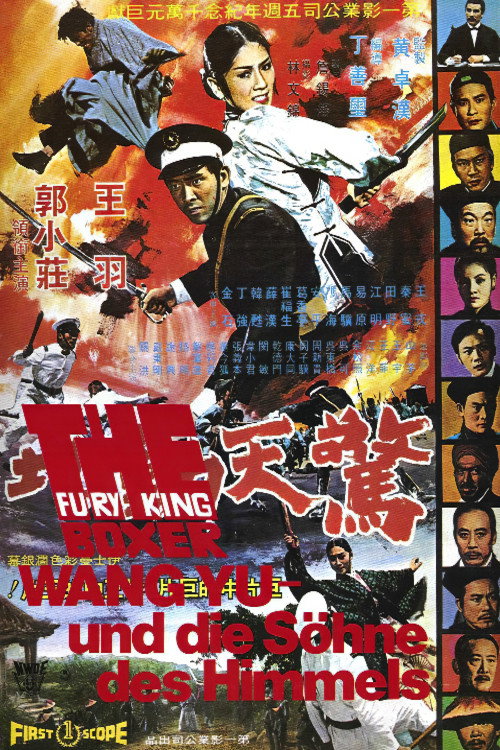
Fury of King Boxer1972
The Shaw Brothers film that started the kung fu boom in the West. Raw, direct action with a hero forged in fire, similar themes of revenge and mastery. Essential viewing for context.
But The dubbing is famously stilted, and the plot is threadbare. Pacing drags between set pieces compared to later refinements.
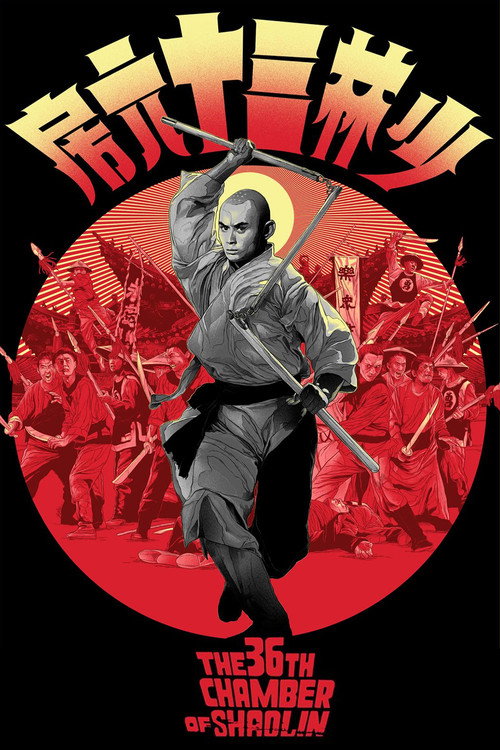
The 36th Chamber of Shaolin1978
Gordon Liu's legendary training saga with immaculate choreography and a hero's journey that rivals any epic. Same universe, deeper mysticism, the full Shaolin philosophy played straight.
But It's methodical and patient—half the runtime is montage. If you want non-stop fighting, this will test your patience.
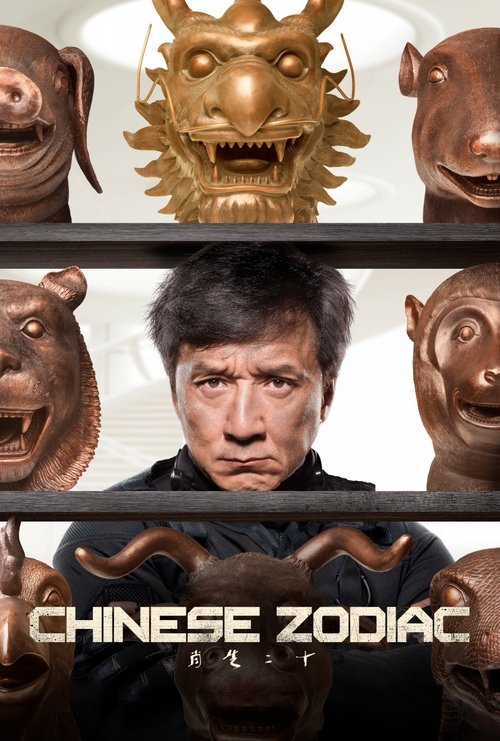
Chinese Zodiac2012
Jackie Chan's love letter to classic Shaw Brothers action, built with the same DNA of stunt spectacle and comedy. Proves the lineage never broke; it evolved.
But Bloated runtime and a plot that feels like an excuse between action scenes. The comedy doesn't always land outside Asia.
Not sure tonight? Get a pick in a minute, starting from Heroes Two
The wildcard
Something you would not have found on your own.
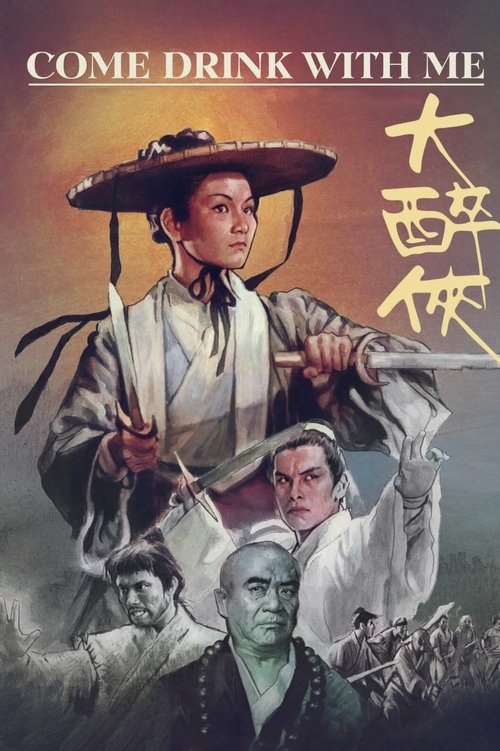
Come Drink with Me1966
Both are foundational wuxia films about political persecution and loyalty, but Hu's film is pure cinema as visual art where Heroes Two is pragmatic action storytelling—see where the form came from.
King Hu's masterpiece and the film that created the wuxia genre as we know it. Painterly compositions, supernatural atmosphere, and action that feels like choreographed ballet. Revolutionary filmmaking that predates and informed everything Shaw Brothers built.
But It's meditative and dreamlike, which can feel slow if you want visceral combat. The subtitles require reading carefully; you cannot half-watch this.
More like this (6)
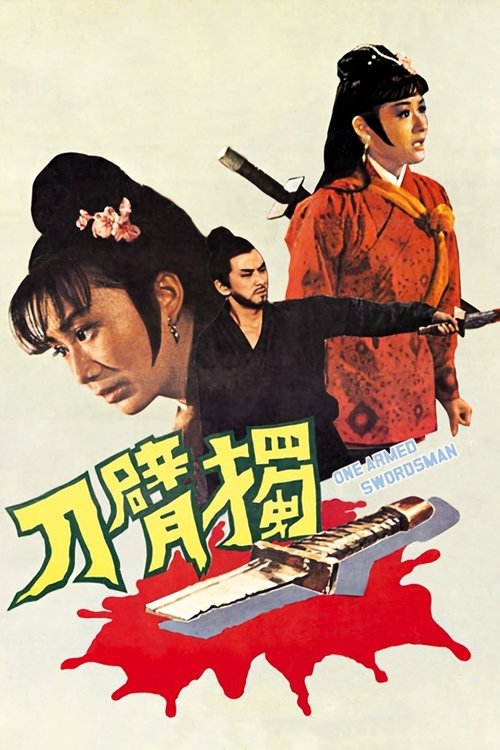
The One-Armed Swordsman1967
The Shaw Brothers film that invented the hero with a disability as central strength. Raw emotion and innovative fight design. A direct ancestor of everything that followed.
But Slower and more melodramatic than Heroes Two. The black-and-white cinematography, while gorgeous, feels distant now.
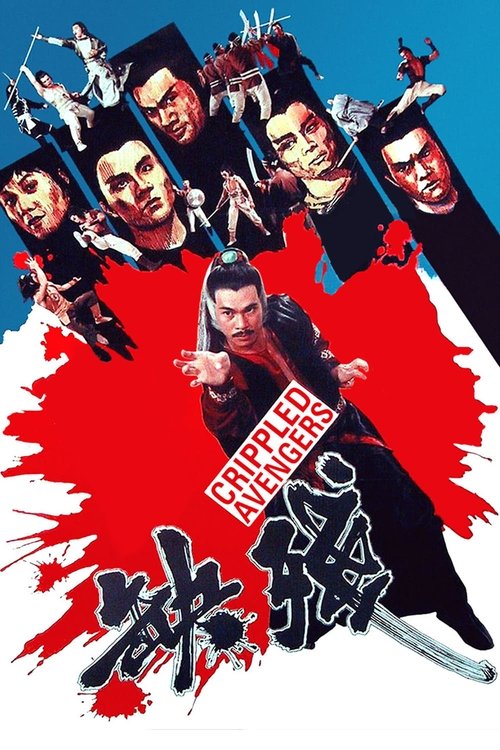
Crippled Avengers1978
Pure ensemble kung fu with five distinct fighting styles and genuine mystery woven through the action. Shaw Brothers at peak invention, every frame packed.
But The plot becomes convoluted in the final act. You'll need to pay attention, and rewatching might reveal holes.
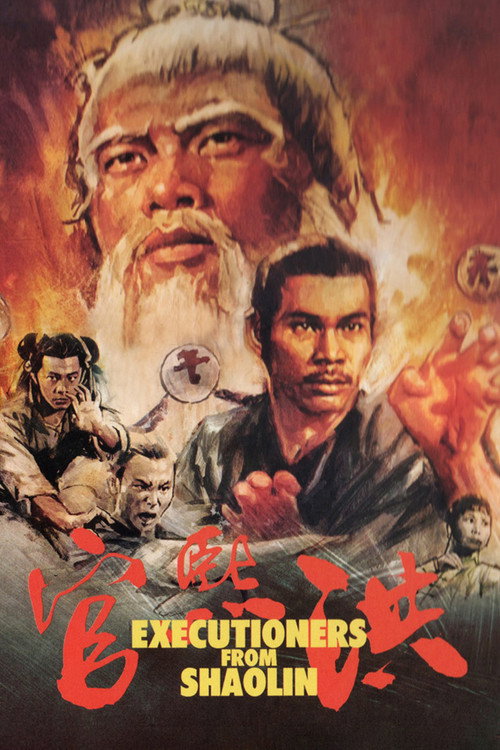
Executioners from Shaolin1977
Chen Kuan-tai (Heroes Two's lead) in an even more ambitious revenge tale mixing martial arts with family drama. Gorgeous cinematography and fighting that feels weightier.
But The first half is heavy on plot and light on action. Tonal shifts between domestic tragedy and kung fu opera can feel jarring.
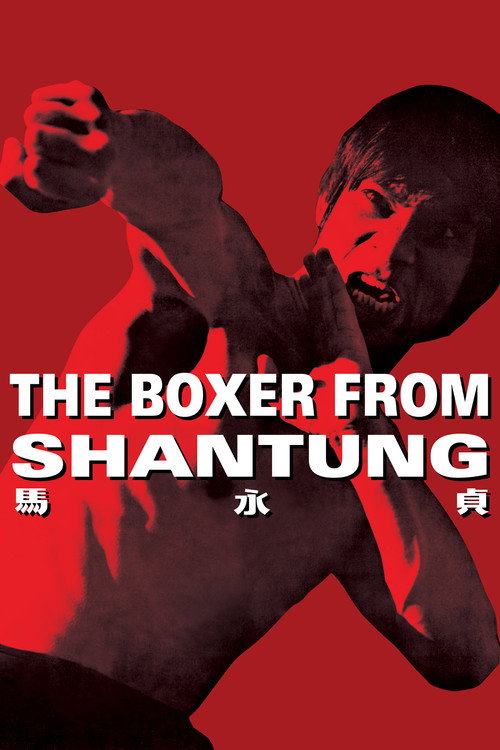
The Boxer from Shantung1972
A grounded, violent underworld story with real consequences and stunning fight choreography. Shows Shaw Brothers could do noir-adjacent drama with fists.
But Genuinely brutal in ways that feel less romantic than Heroes Two. The protagonist is not particularly likeable.
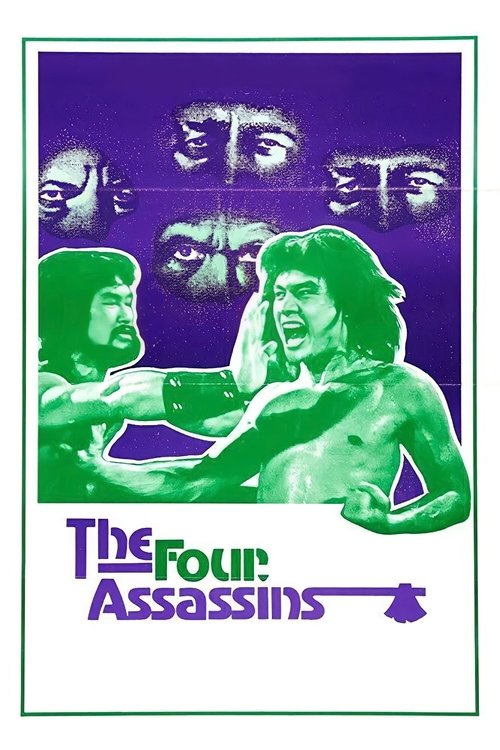
The Four Assassins1975
An overlooked adventure with real historical sweep, strong character work, and action that feels purposeful rather than decorative.
But Less focused than Heroes Two and longer. The story meanders, and it's harder to find in good quality.
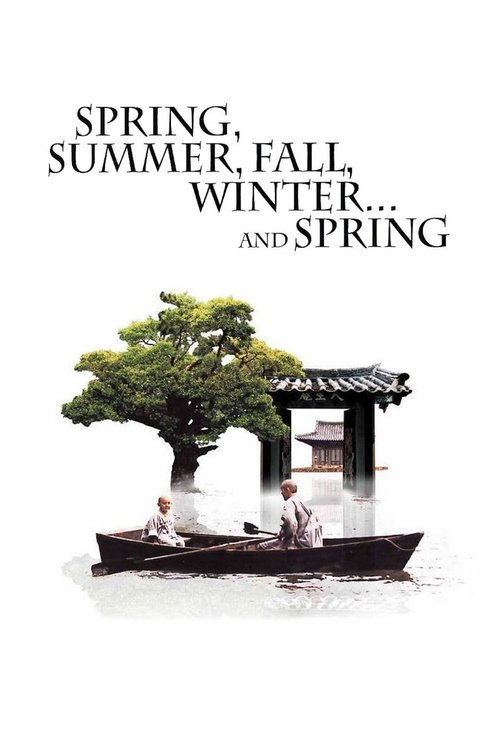
Spring, Summer, Fall, Winter... and Spring2003
Both grapple with Shaolin's spiritual tradition and martial mastery, but where Heroes Two is about action and rebellion, this asks what violence costs the soul—the philosophical counterargument to that whole world.
A Korean meditation on martial arts, violence, and redemption told entirely through a monk and a boy on an isolated floating temple. Visually stunning, morally complex, using kung fu as spiritual language rather than plot device.
But No dialogue for long stretches, minimal plot, deeply slow. This is not entertainment in the conventional sense—it's cinema as philosophy.
People
Cast
 Chen Kuan-taiHung Hsi Kuan
 Alexander Fu ShengFang Shih Yu
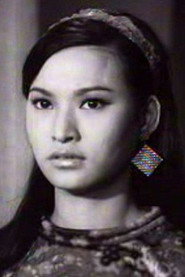 Fong Sam3rd Sister
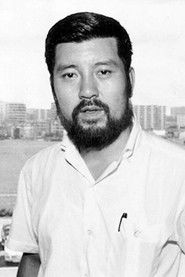 Chu MuGeneral Che Kang
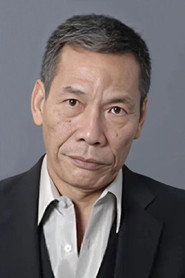 Wong ChingLord Teh Hsiang
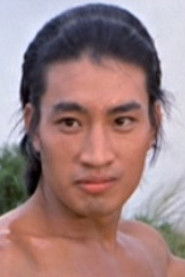 Bruce Tong Yim-ChaanNien Shui Ching
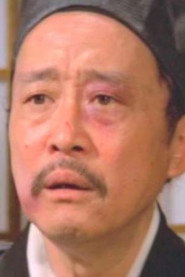 Chiang NanHo Chu Chen
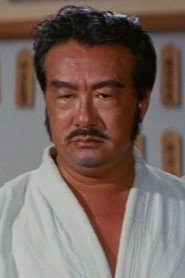 Fung NgaiMai Hsin
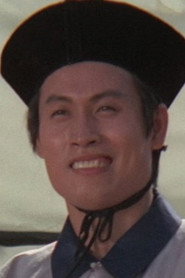 Wu Chi-ChinLi Shih Chung
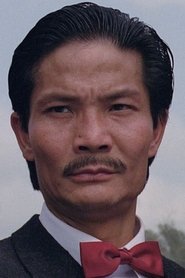 Fung Hak-onHsiang Chao Hui
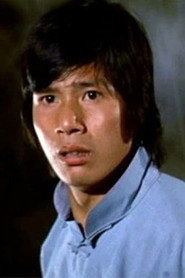 Lau Kar-WingTibetan Fighter in Red (uncredited)
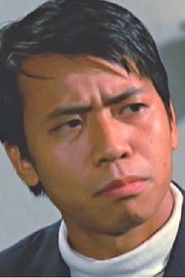 Huang Pei-ChihTibetan Fighter in Red
Directing
- Shao HaoAssistant Director
- Chang ChehDirector
Writing
- Chang ChehScreenplay
- Ni KuangScreenplay
Production
- Run Run ShawProducer
- Lam Sing-FanProduction Manager