
Film
The Four Assassins
A 1975 Hong Kong martial arts film set during Marco Polo's time in Kublai Khan's China. Polo arrives as an imperial inspector but finds himself caught between the Mongol regime and Chinese rebels fighting for freedom. It's a scrappy, ambitious action picture that throws together historical intrigue, sword-fighting spectacle, and political tension—the kind of genre film where plot coherence matters less than the next fight scene.
Should you watch it?
Watch it if you enjoy old-school Shaw Brothers-style martial arts films where swordplay and choreographed group fights carry the story, and you don't mind a loose, cheerfully unreliable take on history.
Skip it if you want a tight, modern plot, since this 1975 action film leans on episodic set pieces and its historical storyline is more costume than substance.
What it asks of you: It runs a brisk hour and three quarters and rarely stops moving, so it wants you to go along with its rhythm and its colorful, sometimes creaky staging rather than sit back and parse the plot.
Not sure? Find tonight's pick in a minute.
If you liked this
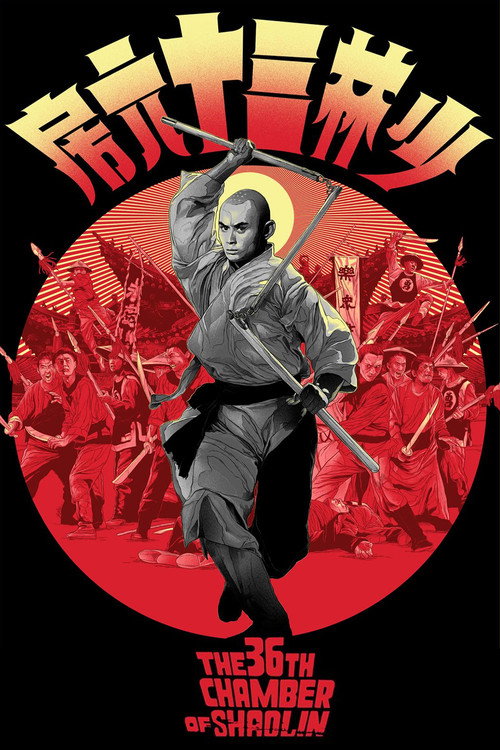
The 36th Chamber of Shaolin1978
Gordon Liu's transformation from refugee to martial arts master is genuinely moving, and the fight choreography is inventive and joyful. It's the film that proved kung fu movies could have real emotional stakes alongside spectacular action sequences.
But It's deliberately paced, especially the long training sequences. If you want constant action, you'll find stretches that feel repetitive.
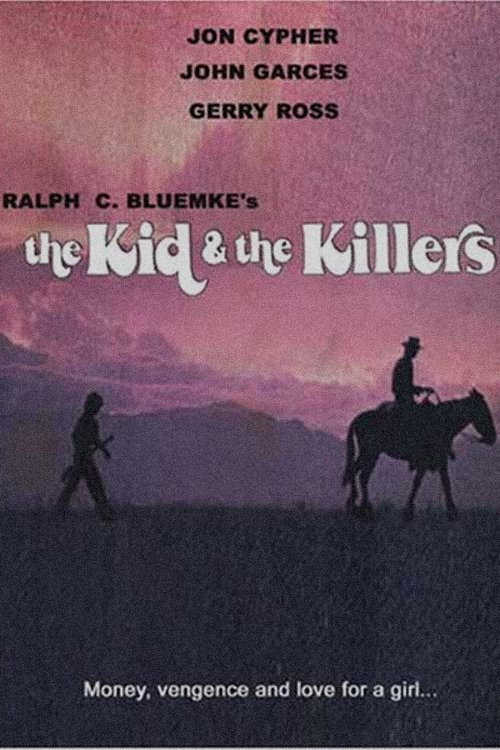
The Kid and the Killers1974
Cheh Chang's visceral action direction and Chi Kuan-Chun's performance create a film of real moral complexity. The sword choreography is brutal and inventive, and it captures something darkly beautiful about the end of a martial code.
But It's bleak and violent in a way that can feel relentless. There's no warmth here, and the nihilism won't appeal to everyone.
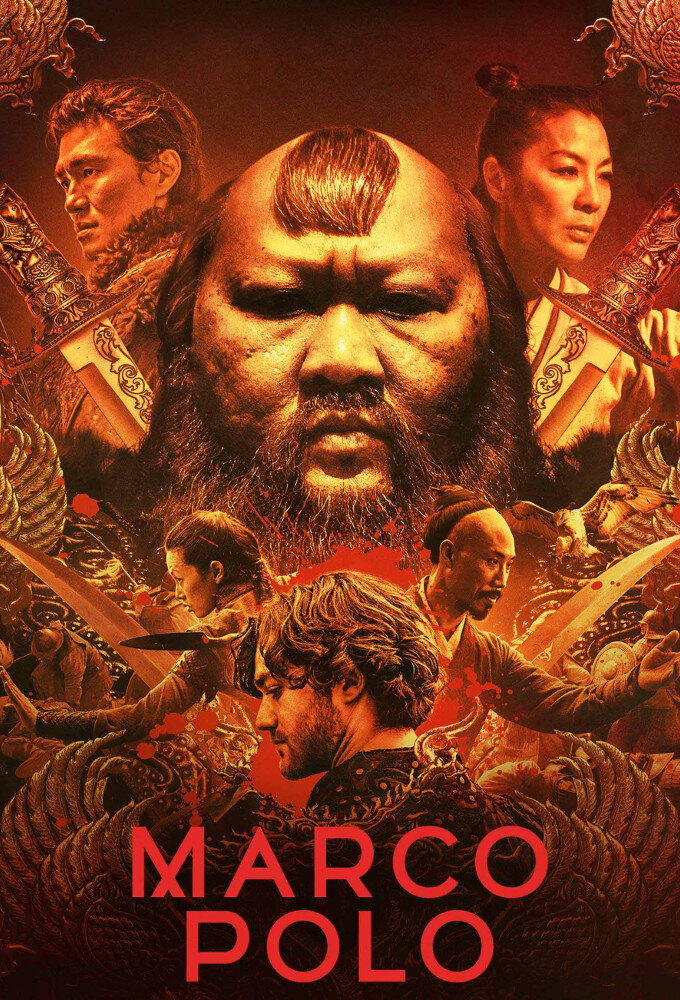
Marco Polo2014
If you want to see a more historically grounded take on Polo in Kublai Khan's court, this Hallmark miniseries offers proper production values and a clearer narrative structure. It's earnest and handsome, if safer.
But It's considerably more conventional and less weird than the 1975 film. The adventure-serial energy gets smoothed into prestige TV formula.
Not sure tonight? Get a pick in a minute, starting from The Four Assassins
The wildcard
Something you would not have found on your own.
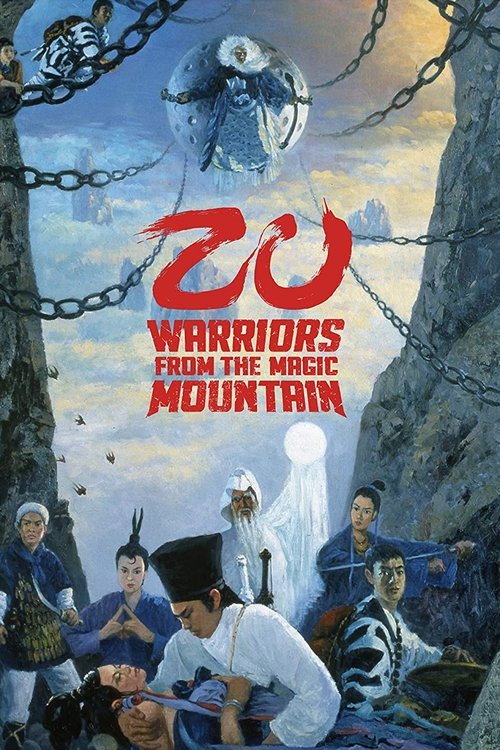
Zu: Warriors from the Magic Mountain1983
Both films prioritize supernatural martial arts spectacle and political intrigue over narrative clarity. Both treat the action sequences as the primary storytelling vehicle, and both feature ensemble casts of fighters with competing loyalties.
Tsui Hark's wildly imaginative wuxia film captures what *The Four Assassins* was reaching for: mythic spectacle, impossible martial arts, and a willingness to prioritize visual wonder over plot coherence. But Hark had bigger budgets and sharper instincts. It's what happens when this sensibility is fully realized.
But The optical effects and wire work are extremely 1980s, and some find the visual style dated. The plot is genuinely difficult to follow, even on a second viewing.
More like this (4)
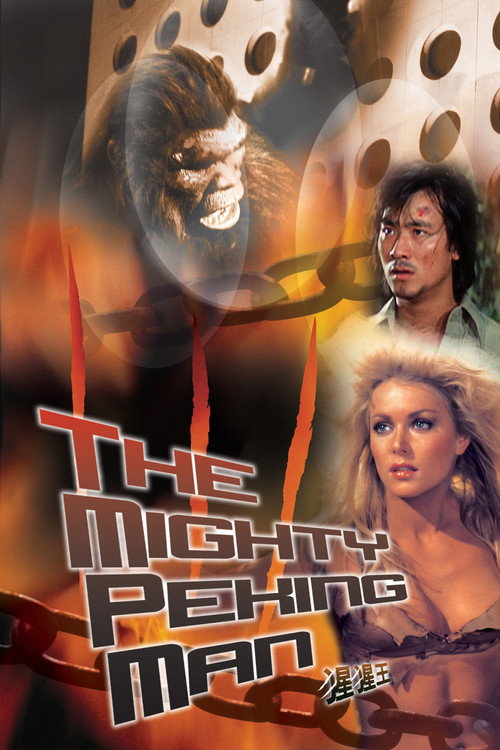
The Mighty Peking Man1977
A gloriously unhinged Hong Kong film that, like *The Four Assassins*, throws together wildly ambitious ideas with limited resources. It's earnest, weird, and committed to its own strangeness in a way that's oddly admirable.
But It's genuinely poorly made in places, and the tone whiplashes between serious adventure, camp, and romance. Some find that charming; others find it incoherent.
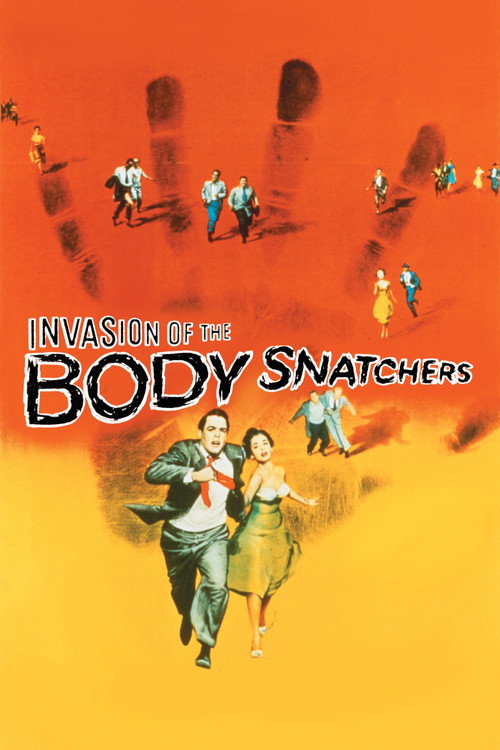
Invasion of the Body Snatchers1956
If you're interested in the political allegory lurking beneath *The Four Assassins*—trust versus paranoia, authority versus rebellion—this American sci-fi classic does it with more precision. It's a genuinely unsettling meditation on conformity and invasion.
But It's in a completely different genre and era. If you came for sword fights and spectacle, you won't find them here.
The Ballad of Little Jo1993
Both films feature protagonists who must navigate dual identities—Polo as both inspector and rebel sympathizer, Jo as both woman and man. Both use historical settings to explore what it means to betray your nominal authority in service of something truer.
A remarkably strange American Western about a woman passing as a man in the frontier. Like *The Four Assassins*, it's a period film that takes considerable liberties with history in service of exploring identity, loyalty, and the cost of living under false pretenses. It's quieter but equally unconventional.
But It's a slow, meditative film. If you want action and spectacle, you'll be disappointed. The gender politics might feel dated depending on your perspective.

The Duellists1977
Both films are organized around dueling and sword combat as a form of political and personal expression. Both use martial encounters to explore loyalty, authority, and the codes that bind warriors together. Both suggest that the right action is often the one that defies your formal duty.
Ridley Scott's obsessive meditation on honor, violence, and the rules that govern combat between men. It's a period film that uses sword fights as emotional and psychological events rather than pure spectacle. The cinematography is extraordinary, and it asks serious questions about masculinity and ritual.
But It moves at a glacial pace. The entire film is essentially a series of duels interspersed with brooding. If you want plot momentum, look elsewhere. It's also entirely about two men, and women are peripheral.
People
Cast
 Alexander Fu ShengLi Xiong-Feng
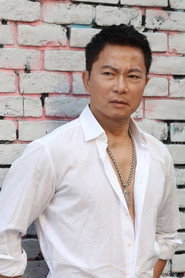 Chi Kuan-ChunZhou Xing-Zheng
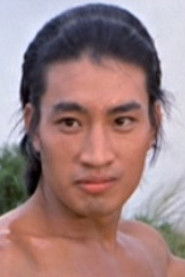 Bruce Tong Yim-ChaanHuang Zong-Han
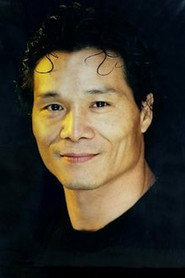 Phillip Kwok ChuiChen Jie
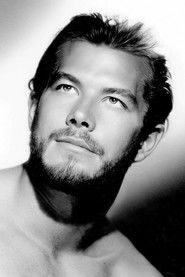 Richard HarrisonMarco Polo
 Shih SzuZu's Widow
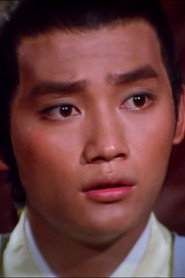 Ting Wa-ChungZu's Little Brother
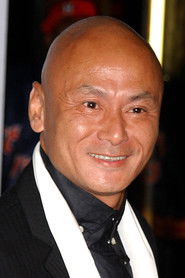 Gordon Liu Chia-huiAbulahua
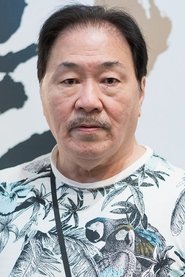 Johnny Wang Lung-WeiDulidan
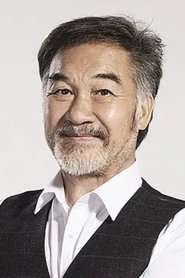 Bryan Leung Kar-yanCaldalu
- Chan Gui Luk(uncredited)
- Chang I-FeiTeacher at Stone Field (uncredited)
Directing
- Chou Hsiao-PeiAssistant Director
- Liu Wei-KangAssistant Director
- Wu Yueh-lingAssistant Director
- Chang ChehDirector
Writing
- Chang ChehScreenplay
- Ni KuangScreenplay
Production
- Chu GangProduction Manager
- Peng Shih-WeiProduction Manager
- Tsu KangProduction Manager