
Film
Shaolin Martial Arts
A 1974 Shaw Brothers kung-fu film about two escaped Shaolin students who travel across China learning martial arts styles from different masters to defeat the Ching dynasty's warriors. It's a showcase for acrobatic fighting and stylistic variety—less plot-driven than excuse-driven, the whole point being to watch different fighters demonstrate their techniques. For fans of physical cinema and classic Hong Kong action.
If you liked this
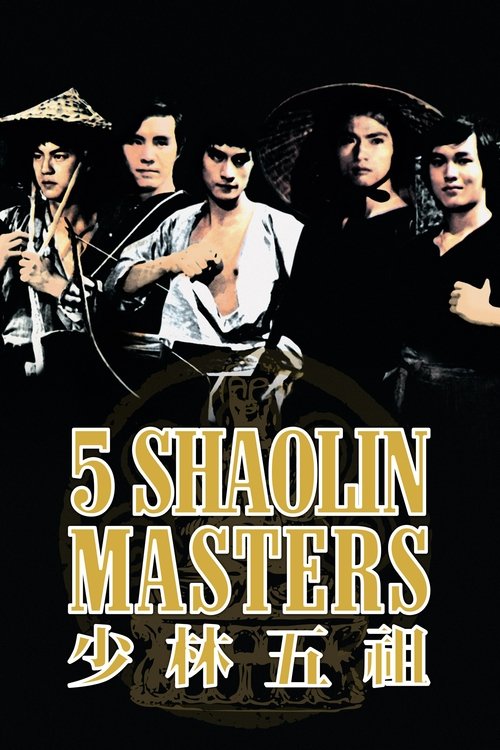
Five Shaolin Masters1974
Another Shaw Brothers gem from the same year, with five heroes learning distinct martial arts styles to fight a common enemy. Pure fighting spectacle with genuine warmth between the heroes and inventive action sequences that rival anything in cinema.
But The plot exists only as scaffolding for fight scenes, and the acting is functional at best. If narrative coherence matters to you, this will frustrate.
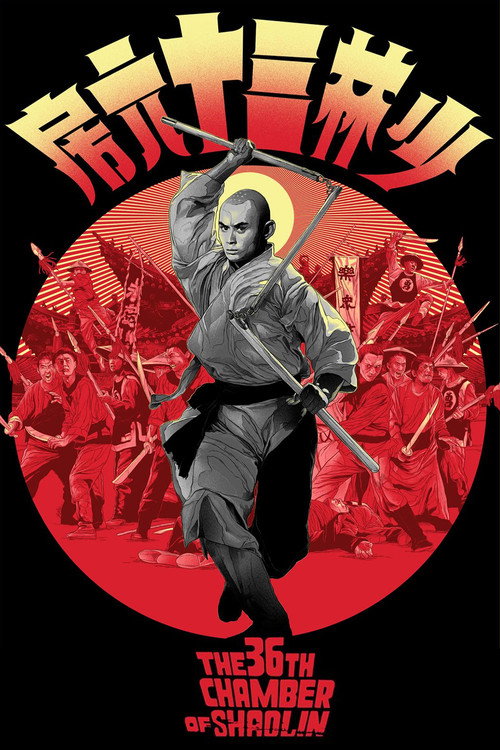
The 36th Chamber of Shaolin1978
Gordon Liu's iconic performance as a student learning martial arts secrets in increasingly absurd ways. The training sequences are witty and physical, and the film finds genuine humor in its own escalation without winking at the audience.
But It's methodical and sometimes slow—the first half is mostly one guy doing chores. The payoff is worth it, but not if you need constant action.
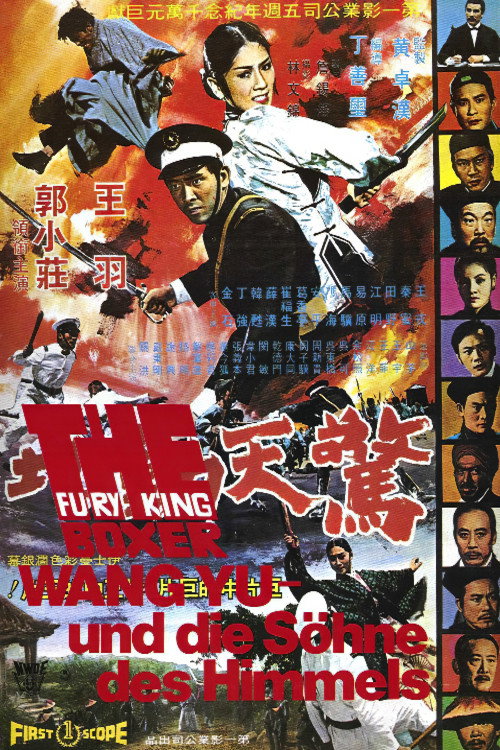
Fury of King Boxer1972
An earlier Shaw Brothers martial arts film with a star fighter learning new techniques to overcome a rival. Similar DNA to Shaolin Martial Arts but tighter plotting and a genuine sense of stakes. The fights are economical and fierce.
But The restoration quality varies depending on where you find it. Some prints are grainy and dark, which softens the visual impact of the choreography.
Not sure tonight? Get a pick in a minute, starting from Shaolin Martial Arts
The wildcard
Something you would not have found on your own.
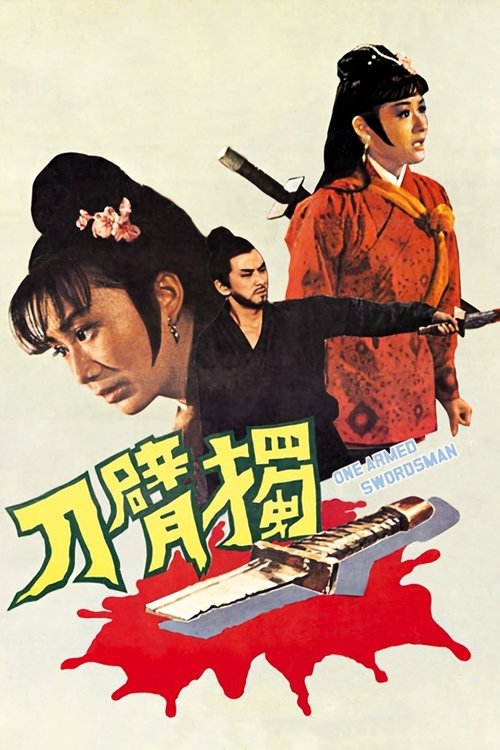
The One-Armed Swordsman1967
Both films depend on a hero learning a new fighting style as the engine of their narrative; One-Armed Swordsman essentially invented that template for the genre.
The film that invented the modern kung-fu picture and proved audiences wanted acrobatic, wire-assisted action. It's the grandfather of everything that follows, a genuine artistic leap that made the genre possible. Watching it explains why Shaolin Martial Arts exists.
But The film moves at its own pace—not slow, but unhurried. Some action scenes are brief by modern standards, and the emotional arcs matter as much as the fighting.
More like this (6)
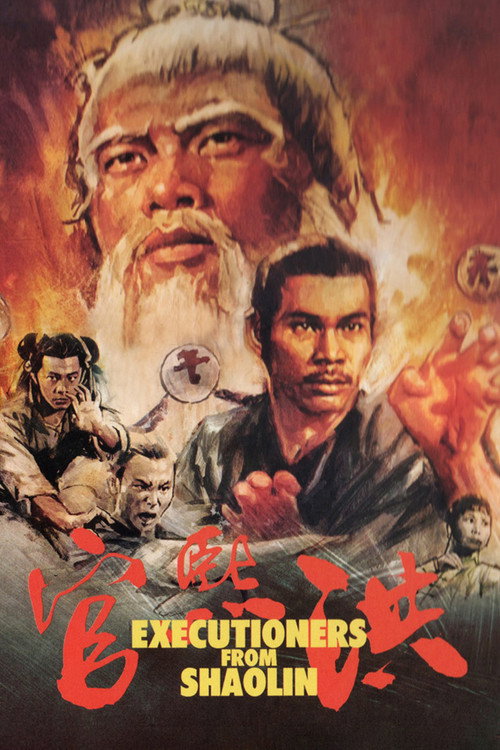
Executioners from Shaolin1977
Chan Wai-Man and Lily Ho learn contrasting styles to defeat a villain. Less interested in training montages than in how different martial arts philosophies clash and merge. The final fight is genuinely inventive.
But Pacing dips in the middle, and there's a subplot involving a child that slows momentum when you're hungry for action.
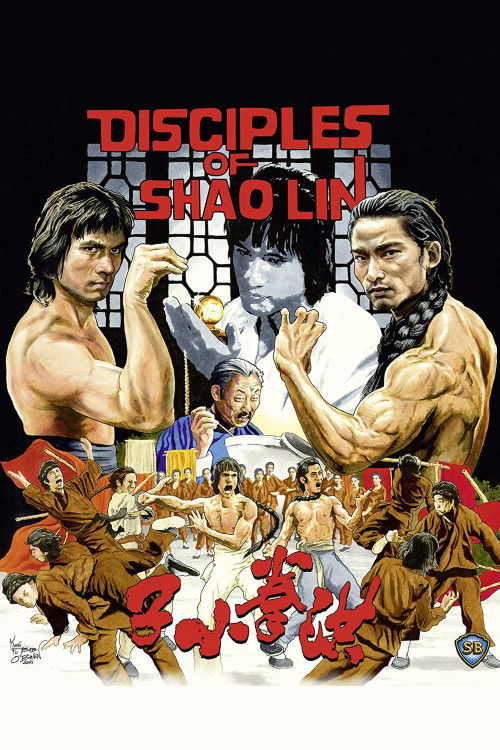
Disciples of Shaolin1975
Three Shaolin students train and fight with genuine camaraderie between them. The film has better humor than most of its peers and the action is varied—hand-to-hand, weapon work, environmental fighting.
But It's episodic, which means each training section feels slightly repetitive. The plot barely holds the set pieces together.
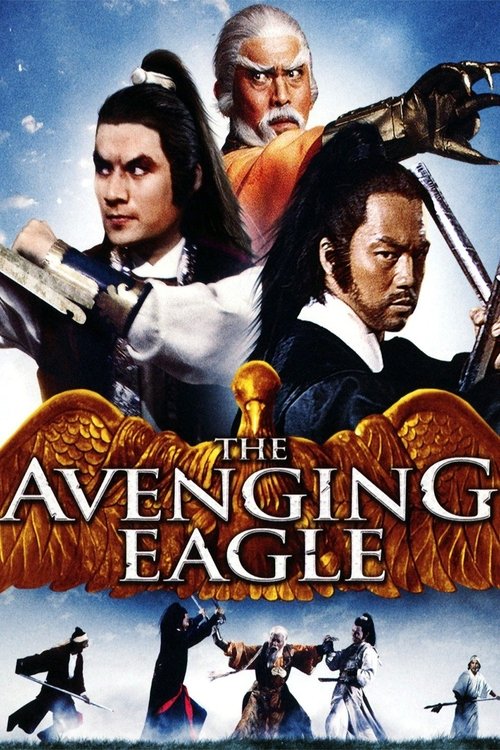
The Avenging Eagle1978
A hero hunted by multiple assassins must learn new martial arts styles to survive, creating a film that's basically a series of escalating duels. Each fighter has a distinct style and personality, and the choreography reflects that difference.
But The script is genuinely thin, and there are scenes that feel padded. The emotional beats land weakly.
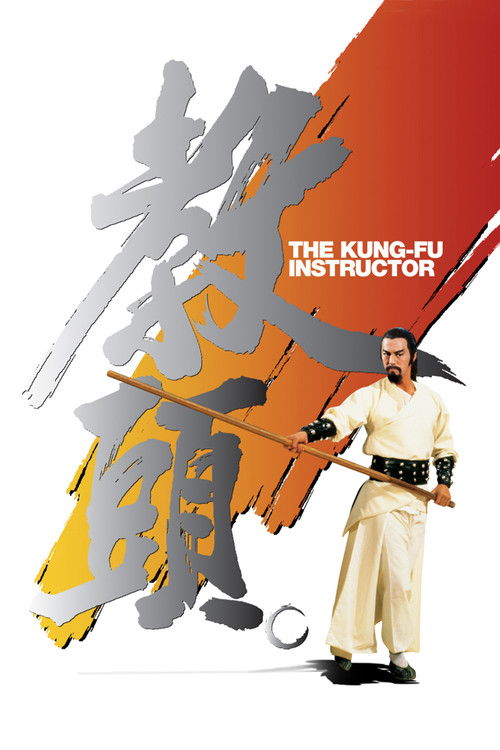
The Kung Fu Instructor1979
A teacher trains students in different styles to compete against a rival school. The film captures something genuinely touching about mentorship alongside the action, and the training sequences are inventive without being fussy.
But It's more melodrama than action film, and if you're here for pure fights, you'll feel the emotional moments as interruptions.
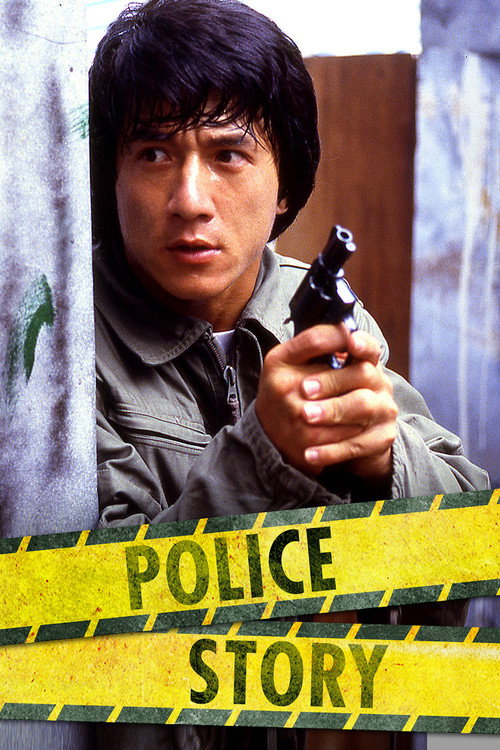
Police Story1985
Both films use martial arts as a language to tell a story, but Police Story proves the language can be playful and comedic while Shaolin Martial Arts treats it as almost ceremonial.
Jackie Chan's masterpiece—a film that takes martial arts cinema in a completely different direction by prioritizing real physics, comedy, and genuine jeopardy. Every stunt looks like it might actually hurt. The energy is frenetic and joyful in a way Shaolin Martial Arts never attempts.
But It's essentially a action-comedy, so if you want the serious martial arts philosophy of the Shaolin film, this will feel lightweight. Some of the humor hasn't aged perfectly.
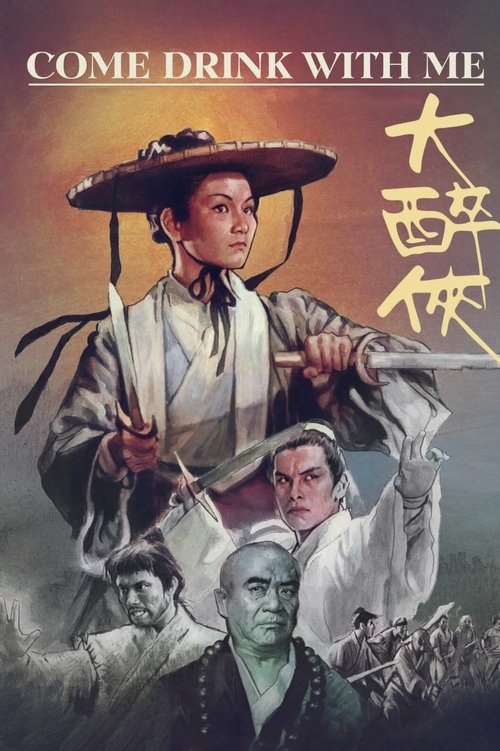
Come Drink with Me1966
Come Drink with Me and Shaolin Martial Arts represent two poles of 1960s-70s Hong Kong action cinema—one transcendent and artistic, one populist and technical. Both are essential to understanding the era.
King Hu's wuxia masterpiece, a completely different beast—balletic, philosophical, shot with extraordinary precision. The action is sparse but each sequence is a work of art. It's about martial arts as poetry rather than spectacle, and it opened doors for everything after it.
But It's austere and deliberately paced. The action sequences are few and far between, and if you want constant fighting, the long stretches of dialogue and atmosphere will test your patience.
People
Cast
 Alexander Fu ShengLi Yao
 Chi Kuan-ChunPa Chung / Chen Bao Rong
 Irene Chen Yi-LingLin Chen-hsiu
- Yuan Man-TzuAh Wai
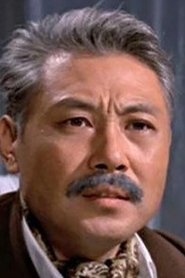 Lu TiMaster Lin Zan Tin
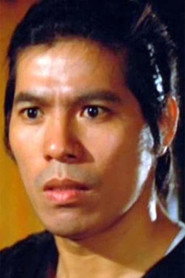 Chiang TaoMaster Wu Chung-Ping
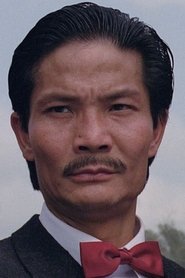 Fung Hak-onHe Lian
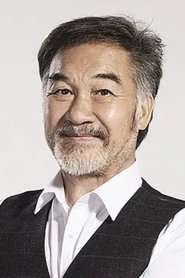 Bryan Leung Kar-yanPa Kang
 Johnny Wang Lung-WeiYu Pi
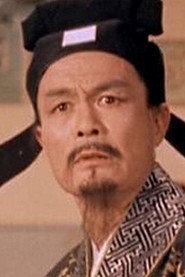 Lee Wan-ChungManchu General
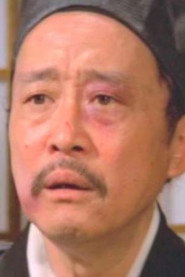 Chiang NanKing of Eagle Claw
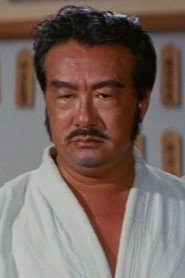 Fung NgaiMaster Yan Dong Tian
Directing
- Chang ChehDirector
Writing
- Chang ChehWriter
- Ni KuangWriter
Recommended by
Invincible Shaolin, Legendary Weapons of China, One-Armed Boxer