
Film
One-Armed Boxer
A 1972 Hong Kong martial-arts film that launched a franchise and defined the one-armed hero archetype. Jimmy Wang Yu plays a student who masters impossible techniques to avenge his murdered teacher. It's raw, physically inventive action cinema with genuine pathos—less concerned with realism than with escalating spectacle and mythic revenge. For fans of '70s exploitation and practical stunt work.
If you liked this
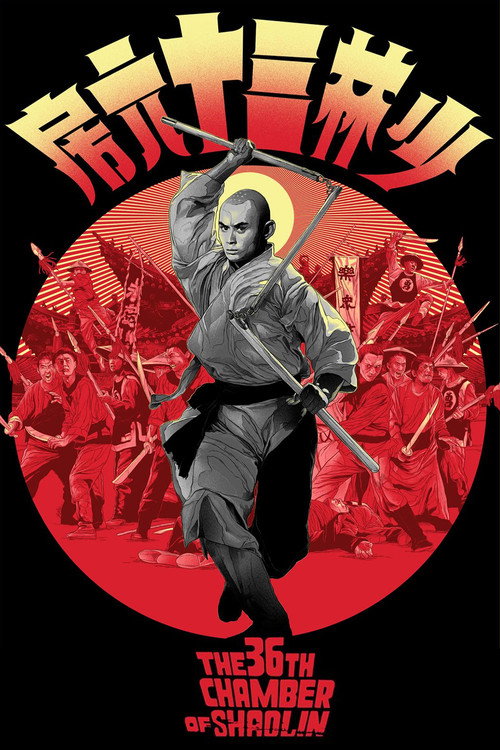
The 36th Chamber of Shaolin1978
Gordon Liu's methodical training sequences and innovative fight choreography set a template for martial-arts cinema. Like One-Armed Boxer, it treats physical mastery as spiritual transformation and gives every technique a showcase moment.
But The middle section is genuinely slow—mostly Gordon Liu learning kung fu in a monastery. If you want constant action, it asks for patience.
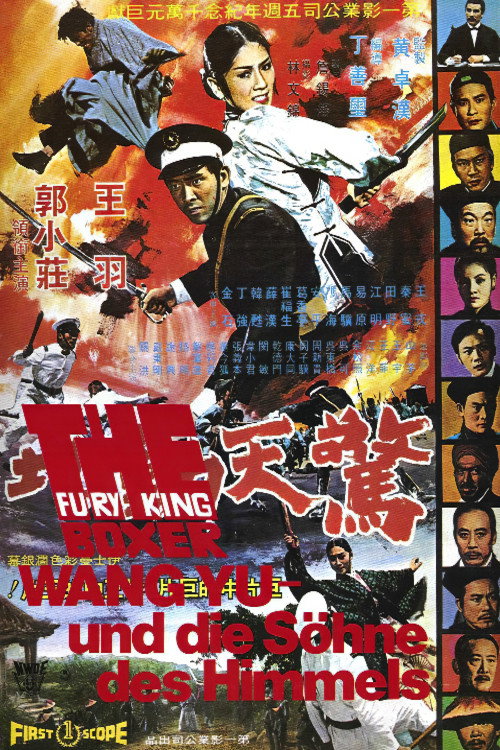
Fury of King Boxer1972
Released the same year, this is the other film that defined '70s kung fu excess. Ultraviolent, operatic, with the same commitment to showing damage and recovery that makes One-Armed Boxer crackle.
But The plot is thin and the dubbing is distractingly bad. You're watching it for the fight sequences, not coherence.
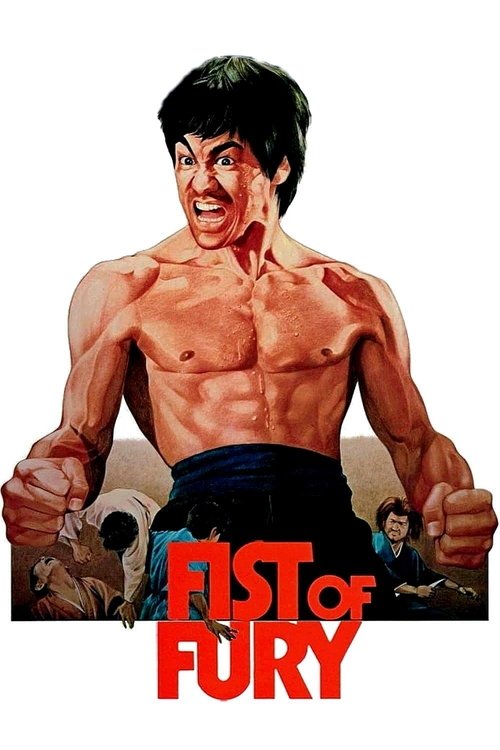
Fist of Fury1972
Bruce Lee's raw, angry masterpiece about a student avenging his teacher's death. It shares the same DNA as One-Armed Boxer but with Lee's supernatural speed and intensity. The emotional core is genuine.
But Only 103 minutes and Lee's screen time is limited by the story structure. Some find the pacing abrupt.
Not sure tonight? Get a pick in a minute, starting from One-Armed Boxer
The wildcard
Something you would not have found on your own.
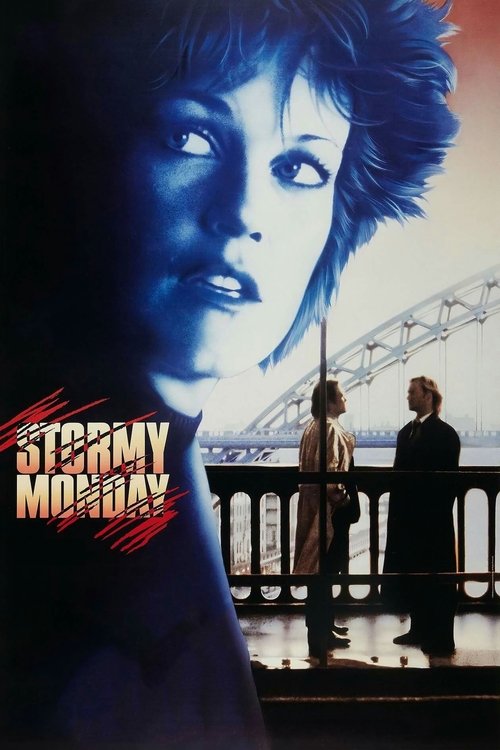
Stormy Monday1988
Both are narratives of David versus Goliath where learning and preparation matter more than inherent skill. The hero must grow into their own power, not simply discover it was always there.
Sting as a jazz-club owner fighting an American crime boss in Newcastle. It's a revenge film about protecting what matters, shot with noir mood and European style. The action is sparse but purposeful—fighting only when meaning demands it, not for spectacle.
But It's a slow-burn drama with occasional violence, not a martial-arts film. If you want constant fights, this will frustrate you.
More like this (7)
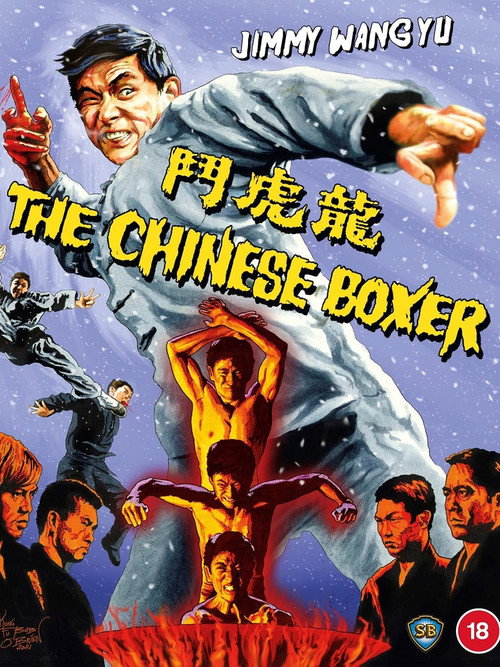
The Chinese Boxer1970
Jimmy Wang Yu in an earlier role that established his star power. Same blend of training montages, exotic techniques, and revenge plot. It's the prototype this film refined.
But The film stock is degraded and prints are often poor quality. You're fighting the restoration as much as watching the movie.
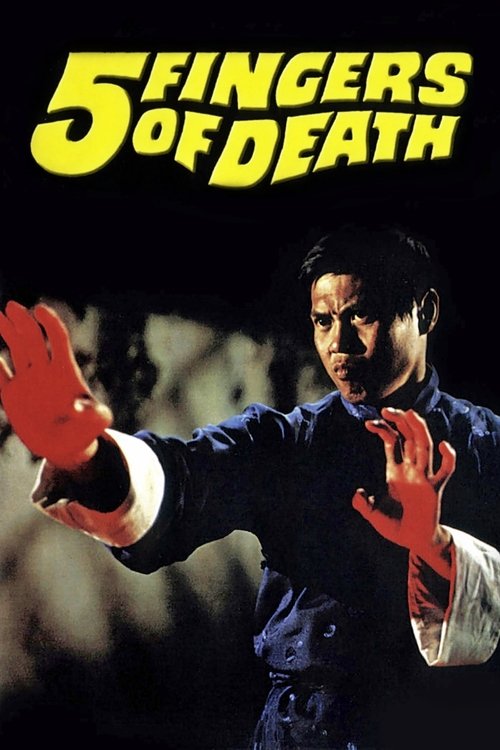
Five Fingers of Death1972
Another 1972 arrival with the same appetite for impossible martial-arts techniques and tournament combat. The fight scenes are inventive and the hero's journey feels earned rather than convenient.
But It's longer and slower than One-Armed Boxer, with more plot about romance and politics that doesn't always land.
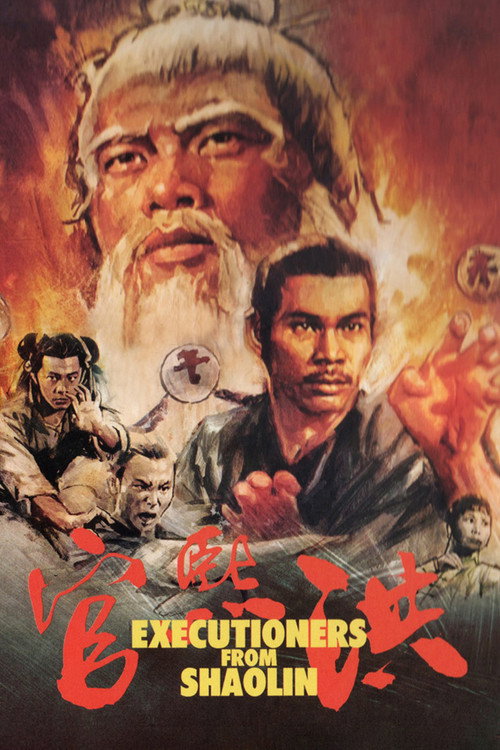
Executioners from Shaolin1977
Gordon Liu and Lau Kar-leung in a film about learning secret techniques to defeat a villain. The training sequences are methodical and the final confrontation is spectacular. Same emotional stakes as One-Armed Boxer but with better filmmaking.
But The pacing is deliberate and the early act is heavy on backstory. Modern audiences expecting constant action will find stretches of talk.
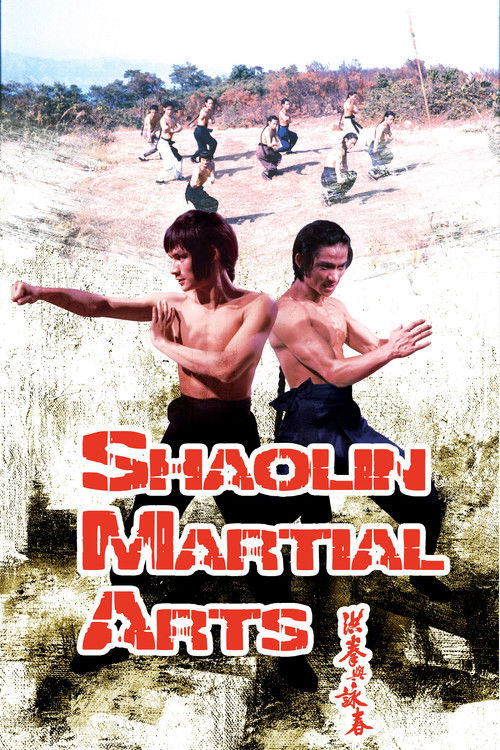
Shaolin Martial Arts1974
Gordon Liu again, in a film about learning Shaolin techniques to defeat a traitor. The choreography is cleaner than One-Armed Boxer and the film moves briskly. Good entry point if the original feels too rough.
But Cleaner also means safer. There's less of the wild invention that makes One-Armed Boxer feel dangerous.
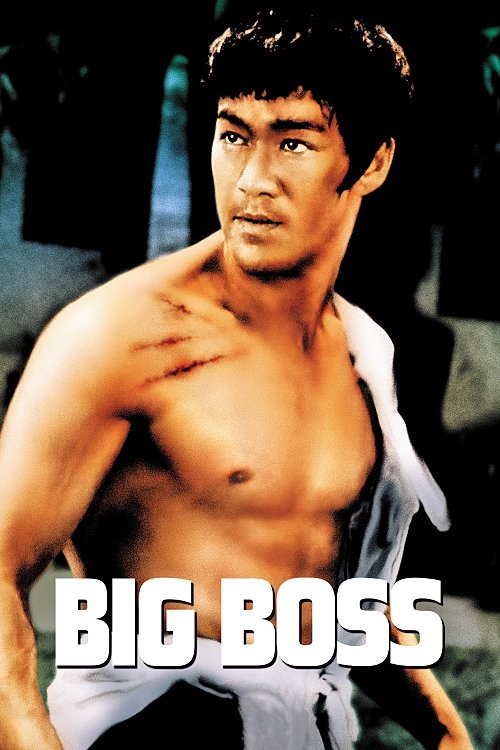
The Big Boss1971
Bruce Lee's debut feature, a year before Fist of Fury. A factory worker uncovers a drug operation and fights his way through it. Raw, physical filmmaking with Lee's charisma fully formed.
But The plot is genuinely thin and the dubbing is noticeably poor. You need to accept '70s action-film conventions to enjoy it.
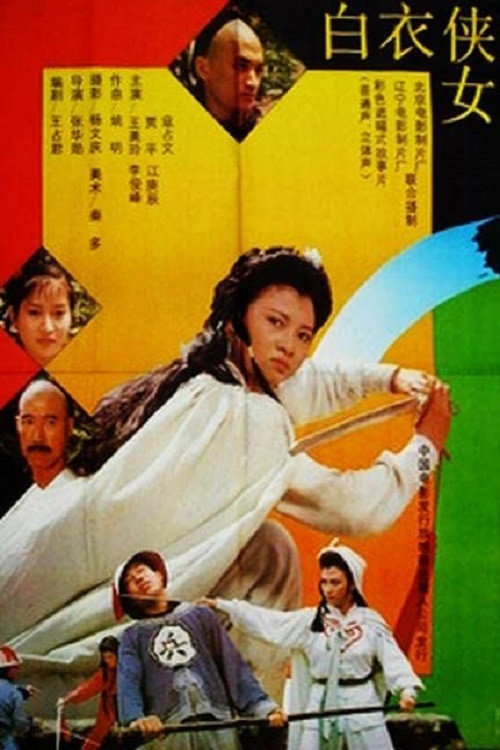
The Swordswoman in White1992
Both center on a protagonist with a severe physical limitation who must reimagine martial mastery entirely. The missing arm or recovered paralysis forces a completely new approach to combat—technique and will over raw physical capability.
Michelle Yeoh in a wuxia film about a martial artist rebuilding her life after paralysis. Visually inventive wirework and genuinely moving emotional arcs. It's about what you can still become, not what you've lost.
But The plot involves multiple temporal jumps that confuse some viewers. The tone shifts between comedy, drama, and action without always landing smoothly.
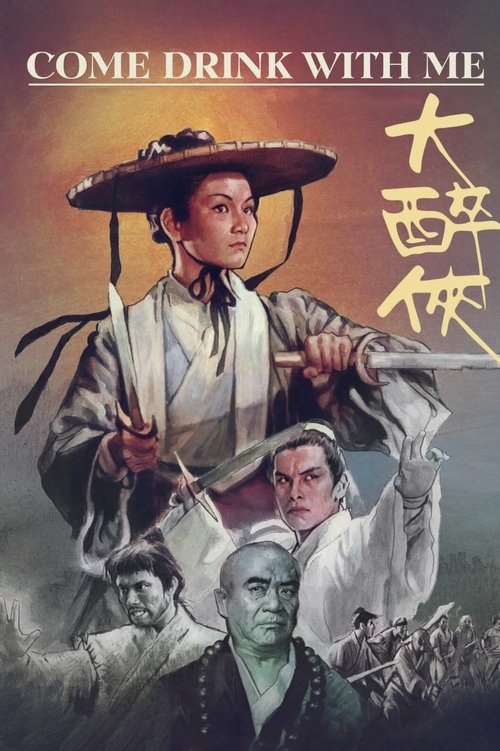
Come Drink with Me1966
Both are foundational films that define how physical training and moral character intertwine in martial-arts cinema. The techniques are not just combat moves but expressions of spiritual discipline—ways of becoming a better person through the body's mastery.
King Hu's wuxia masterpiece, a decade before One-Armed Boxer but working in the same universe. A female Shaolin student infiltrates a gang to rescue her brother. Visually stunning, emotionally grounded, with fight sequences that feel like dance.
But It's in Mandarin with subtitles, moves at its own pace, and assumes familiarity with wuxia conventions. The aesthetic is deliberate and composed rather than explosive.
People
Cast
 Jimmy Wang YuYu Tien-Lung
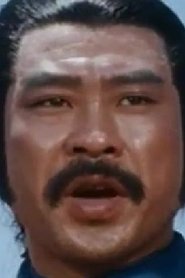 Lung FeiOkinawa Karate Master
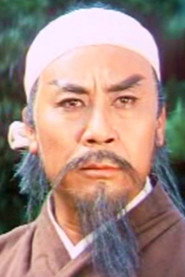 Ma ChiMaster Han Tui
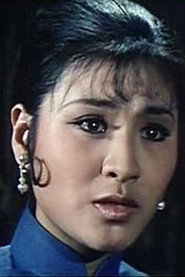 Cindy Tang HsinHsiao Yu
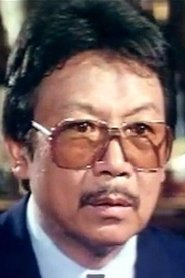 Hsueh HanHsiung Kang
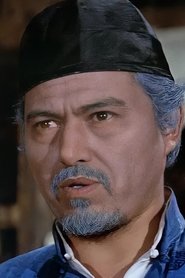 Tien YehMaster Chao
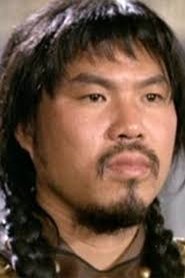 Shan MaoTaek Won Do Fighter Chin Chi Yung
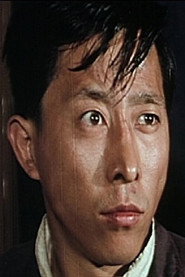 Kwan HungThai Iron Foot Ni Tsai
- Wong Wing-SangKarate Fighter Pan Tien Ching
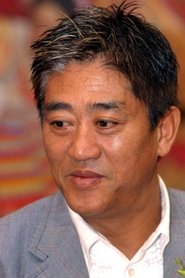 Blackie Ko Sau-LeungThai Bronze Foot Mi Su
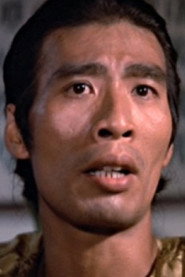 Tsai HungKarate Fighter (broken arm)
- Su Chen-PingTibetian Lama Cho Lung