
Film
The Avenging Eagle
A 1978 Shaw Brothers martial arts film about an orphan trained as an assassin who breaks free from his evil master and teams with a revenge-driven stranger to dismantle the corrupt Eagle Clan. It's kinetic, operatic wuxia—stylised violence punctuated by genuine emotion—made for viewers who love martial arts cinema where loyalty, betrayal, and redemption matter as much as the fight choreography.
Should you watch it?
Watch it if you crave lean, old-school swordplay where the fights carry the story and a hunted man's uneasy trust in a stranger matters more than speeches.
Skip it if you need tight plotting and slick modern polish, since this 1978 picture feels rough around the edges, with a loose, meandering structure and emotional beats that land bluntly.
What it asks of you: Ninety brisk minutes, mostly built around bursts of combat with quieter planning stretches between, and a straightforward revenge-and-alliance shape rather than anything intricate.
Not sure? Find tonight's pick in a minute.
If you liked this
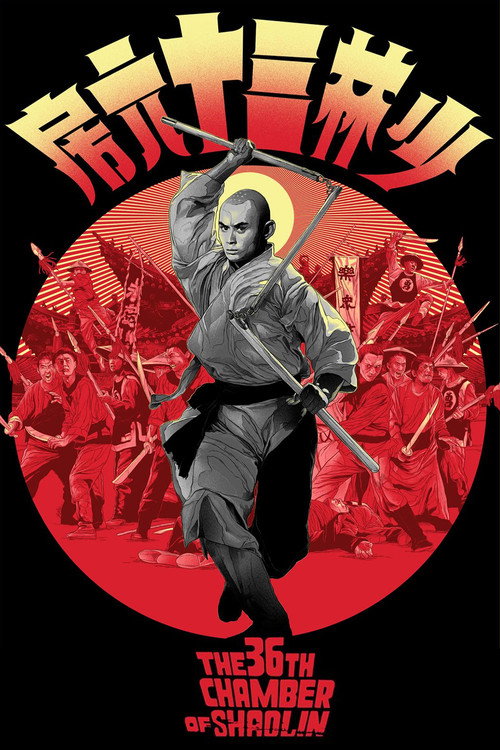
The 36th Chamber of Shaolin1978
Gordon Liu's transformation from city novice to warrior monk is the template for every redemption-through-training story that followed. Extraordinary fight sequences, genuine philosophical weight, and a hero you root for from frame one.
But It's deliberately paced in the first half—long stretches of repetitive chamber training before the action crescendos. Patience required.
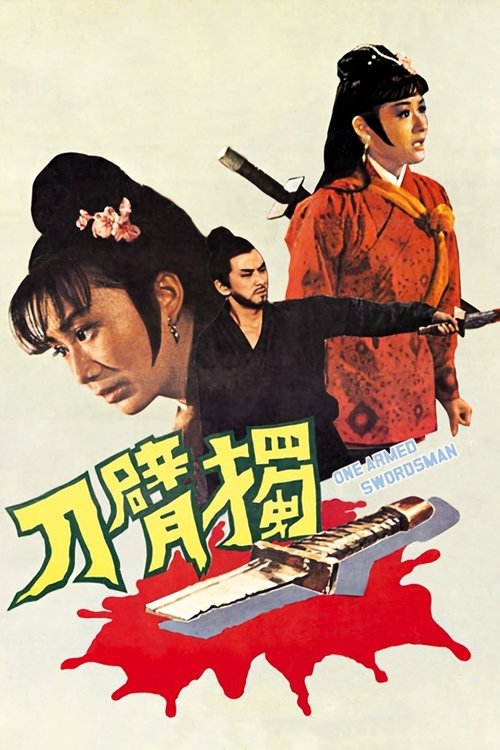
The One-Armed Swordsman1967
Jimmy Wang Yu pioneering the disabled-but-unstoppable hero archetype with raw, invented choreography. The emotional core—a man rebuilding his life after catastrophic loss—hits harder than most action films twice its length.
But The dubbing is thick, the colour grading sickly, and it moves at a stately pace compared to modern action cinema.
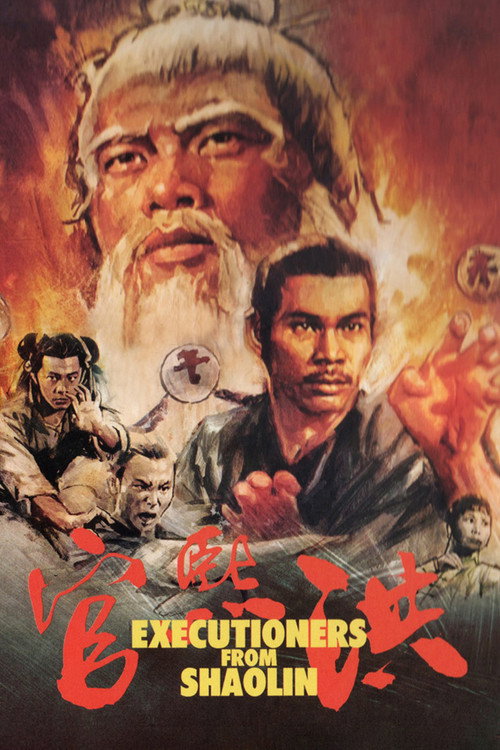
Executioners from Shaolin1977
The film that proved Shaw Brothers could make genuinely moving family drama inside a martial arts film. The parallel training sequences are hypnotic, and the climax carries real emotional stakes instead of just spectacle.
But The final fight, for all its choreographic brilliance, prioritises style over narrative urgency. Some viewers find the pacing glacial.
Not sure tonight? Get a pick in a minute, starting from The Avenging Eagle
The wildcard
Something you would not have found on your own.
Paid to Kill1954
Both centre an orphan trained in violence who must choose between the only life he knows and moral redemption. Both argue that the choice, once made, demands everything.
A Swedish thriller about an orphan raised by criminals who wants to escape his past and build an honest life. It predates the Shaw Brothers formula by two decades—same moral core, entirely different visual language. A window into how universal this story truly is.
But It's a slow, austere black-and-white crime drama from 1950s Scandinavia, not wuxia action. The pacing is glacial and the violence is psychological rather than physical.
More like this (5)
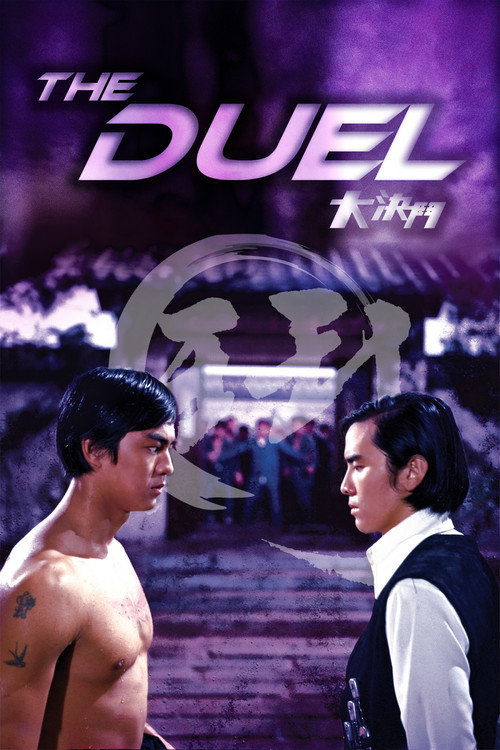
The Duel1971
A lean, efficient revenge tale with inventive fight choreography and a hero you understand completely within minutes. It respects your time and delivers on every promise the premise makes.
But It's a model of narrative efficiency—some find it thin, lacking the operatic ambition of Shaw Brothers' best work.
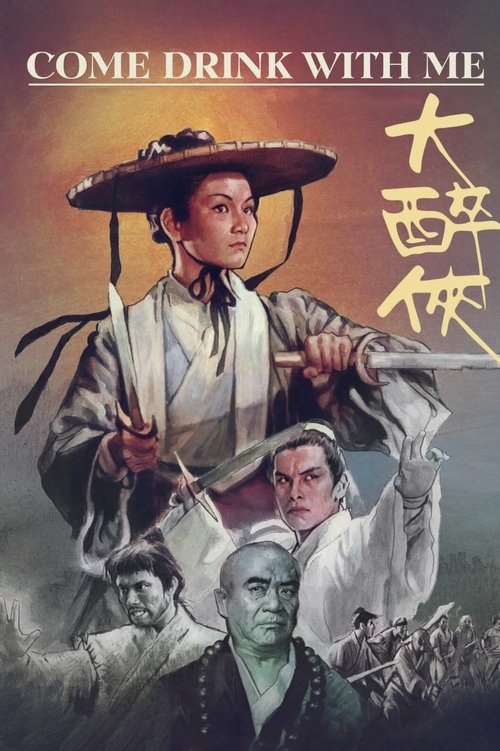
Come Drink with Me1966
King Hu's masterpiece established the visual language of wuxia cinema. Cheng Pei-pei is mesmerising as a drunken martial artist, and the action set-pieces feel genuinely invented rather than repeating formulas.
But The fight scenes, for all their artistry, are sparse and sometimes held at distance. If you want constant kinetic energy, this will feel austere.
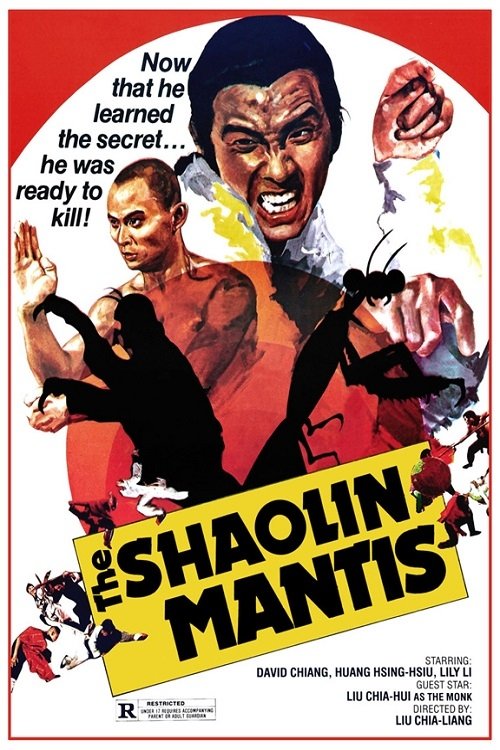
Shaolin Mantis1978
Wei Lo's film about a spy learning a secret martial technique while infiltrating Shaolin is tightly constructed, genuinely funny, and features some of the most creative hand-to-hand combat ever filmed. The mantis style itself is a revelation.
But The tone wobbles between comedy and grim revenge narrative, and some of the humour hasn't aged well. The spy plot is deliberately convoluted.
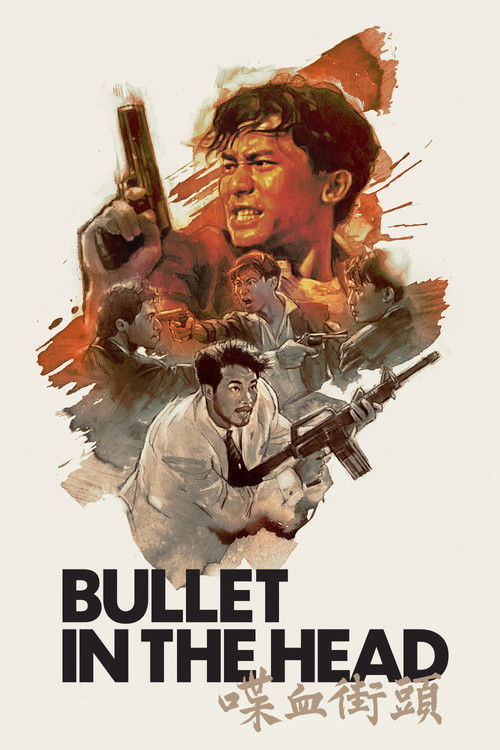
Bullet in the Head1990
Both use ornate action sequences as a language for exploring the damage done to men trained for violence. Both suggest that once you've seen certain things, you cannot unsee them.
John Woo's three-hour Vietnam War epic about friendship, loyalty, and the spiritual devastation that follows trauma. It channels the operatic violence and betrayal of 1970s Shaw Brothers into a contemporary register—raw, uncompromising, and genuinely haunting.
But It's extremely violent, graphically so, and emotionally punishing. The runtime is massive and the final act is deliberately bleak. Not escapism.
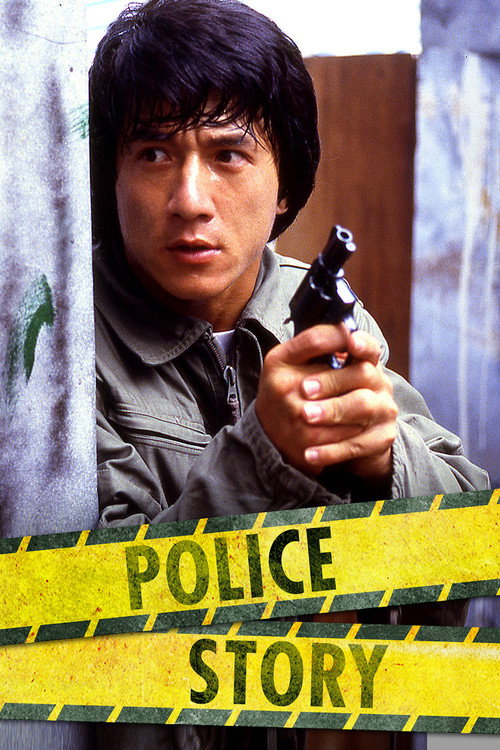
Police Story1985
Both feature heroes compromised by the systems they fight against, trying to preserve what remains of their humanity. Both use martial skill as a language for moral struggle, not just combat.
Jackie Chan's masterpiece about a cop trying to protect a witness while destroying the crime syndicate hunting them both. It's wuxia logic applied to contemporary action cinema—inventive, physically astounding, and emotionally raw in ways action films rarely attempt.
But The plot is deliberately convoluted to justify extended sequences of destruction. If you want narrative clarity over spectacle, it will frustrate you. The tonal shifts between comedy and genuine violence are jarring.
People
Cast
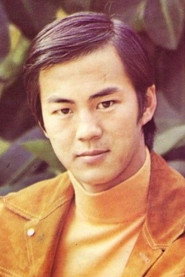 Ti LungBlack Eagle Chik Ming-sing
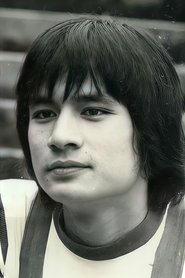 Alexander Fu ShengDouble Sword Sleeve Cheuk Yi-fan
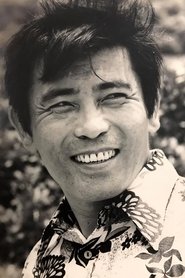 Ku FengYoh Xi-hung
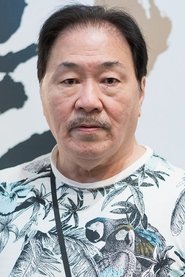 Johnny Wang Lung-WeiVulture Eagle Yien Lin
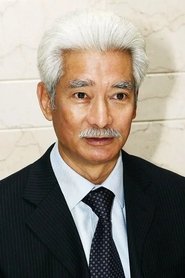 Eddy Ko HungBlue Eagle Wan Da
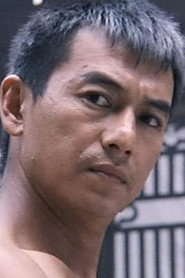 Austin Wai Tin-ChiOwl Eagle Cao Gao Shing
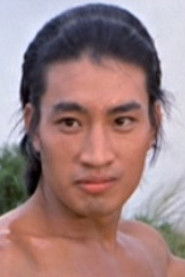 Bruce Tong Yim-ChaanEagle
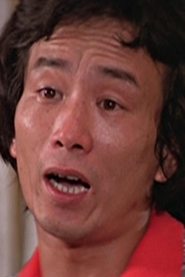 Lam Fai-WongEagle
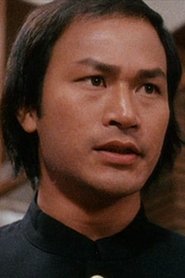 Dick WeiEagle
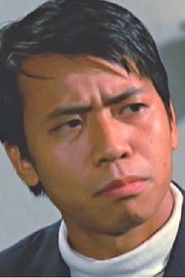 Huang Pei-ChihEagle
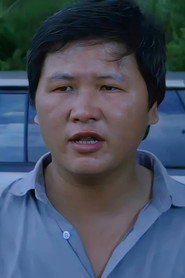 Peter Chan LungSoaring Eagle Wang Tao Sang
 Yuen BunEagle Yau Koon-hung
Directing
- Sun ChungDirector
Writing
- Ni KuangWriter
Production
- Mona Fong Yat-WahProducer
- Run Run ShawProducer
Recommended by
Five Shaolin Masters, The Sword Stained with Royal Blood, The 18 Bronzemen, Shaolin Martial Arts