
Film
Paid to Kill
A 1954 British noir about a man who contracts his own murder, then desperately tries to cancel the deal before it's too late. Lean and tightly wound, it moves with the efficiency of a wound-up clock. This is the kind of small, clever thriller they don't make anymore—no fat, no explanation, just momentum and the grinding realization that some doors don't close once opened.
If you liked this
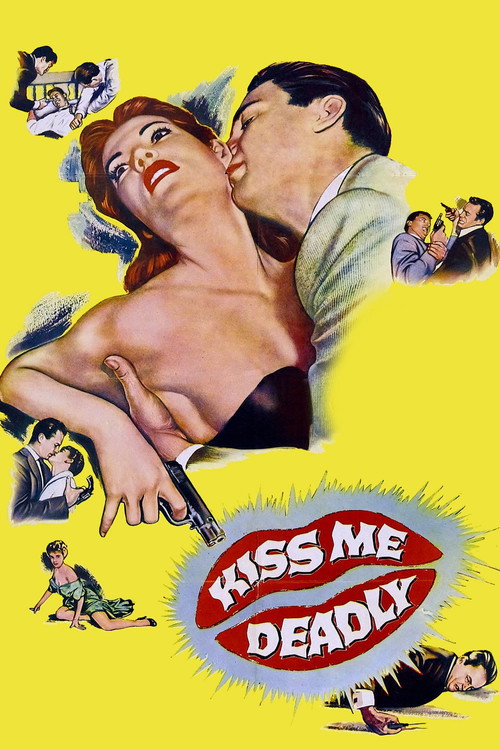
Kiss Me Deadly1955
Aldrich's brutal, paranoid masterpiece about a private eye spiralling into something far darker than he bargained for. The same claustrophobic sense that the protagonist has already lost, and merely doesn't know it yet.
But The plot becomes genuinely baffling in the final act—you'll either love that or feel cheated by it.
The Killing1956
Kubrick's debut about a racetrack heist that unravels through fractured timelines. Shares the same economic storytelling and the sensation that fate is a trap springing slowly around your ankles.
But It's very deliberately constructed—feels cold and mechanical if you're not in the mood for puzzle-box plotting.

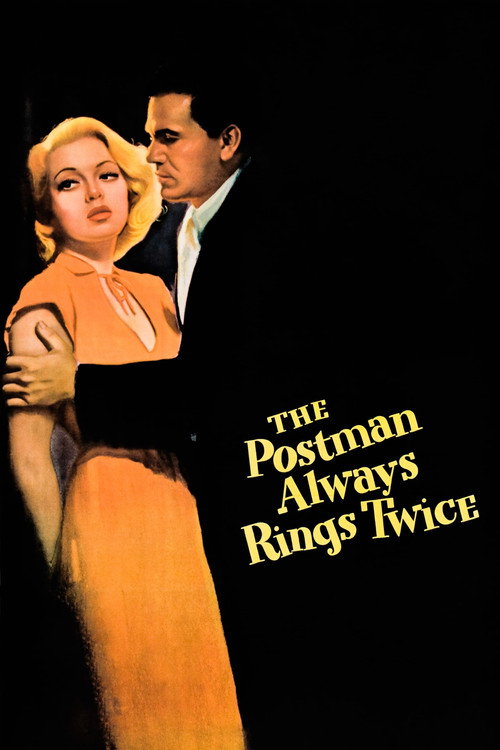
The Postman Always Rings Twice1946
A man and woman plot a murder that spirals into their mutual destruction. That same noir logic where the con starts to consume the conman, and there's no exit ramp once you've made a deal with the devil.
But The pacing is languid compared to modern thrillers; some will find it slow.
Not sure tonight? Get a pick in a minute, starting from Paid to Kill
The wildcard
Something you would not have found on your own.
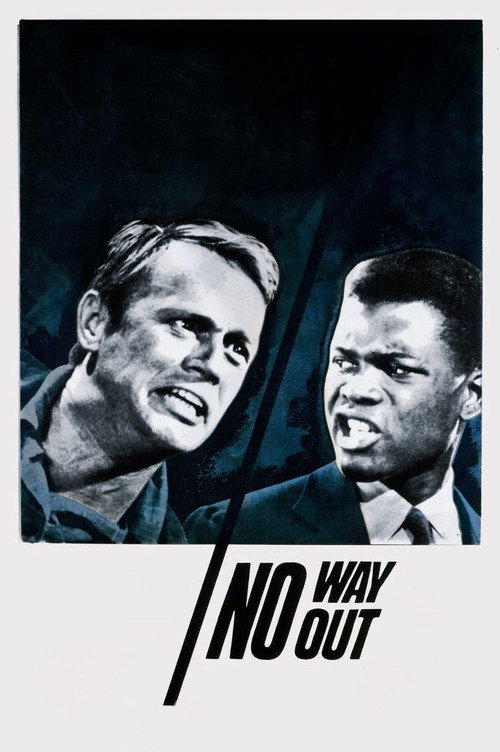
No Way Out1950
Both trap their protagonist in a mechanism that accelerates toward death. One explores the personal paranoia of being caught; this one explores what it means when the system itself is the trap.
A Black doctor is framed for murder and must prove his innocence while a racist mob closes in. Structurally it's a clock-timer like *Paid to Kill*—relentless forward motion—but it uses that mechanism to say something about systemic injustice and how innocence offers no protection.
But The racial politics are of 1950 and sometimes feel didactic; it's urgent rather than subtle.
More like this (7)
In a Lonely Place1950
Bogart plays a man accused of murder, watching his life collapse under suspicion. The suffocating paranoia and the way circumstances seem to conspire against him are cut from the same cloth.
But It's a character study that refuses catharsis—bleakness isn't resolved, only deepened.

The Asphalt Jungle1950
Huston's template for the crime caper: precise, brutal, no wasted dialogue. The same sense that each character has already lost and is just working out the timeline of their own ruin.
But Episodic structure means it feels more like sketches than a unified narrative for some viewers.

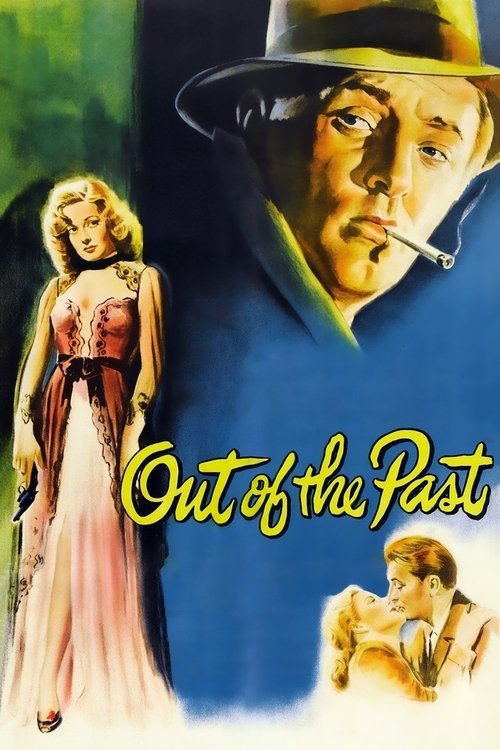
Out of the Past1947
Mitchum tries to outrun his past and discovers you can't. That feeling of being caught in a mechanism you didn't build but can't escape—pure noir inevitability.
But The femme fatale can feel like a plot device rather than a character if you're watching it for the first time.
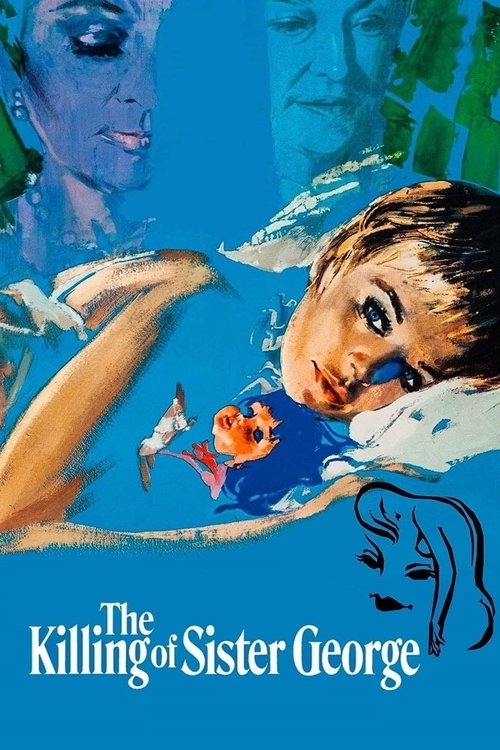
The Killing of Sister George1968
A woman's life implodes when she loses everything she's built. Darker and more complex than it first appears, with the same inexorable sense of dominoes falling.
But It's a psychological drama rather than a thriller—the pace is internal and won't satisfy if you want plot momentum.
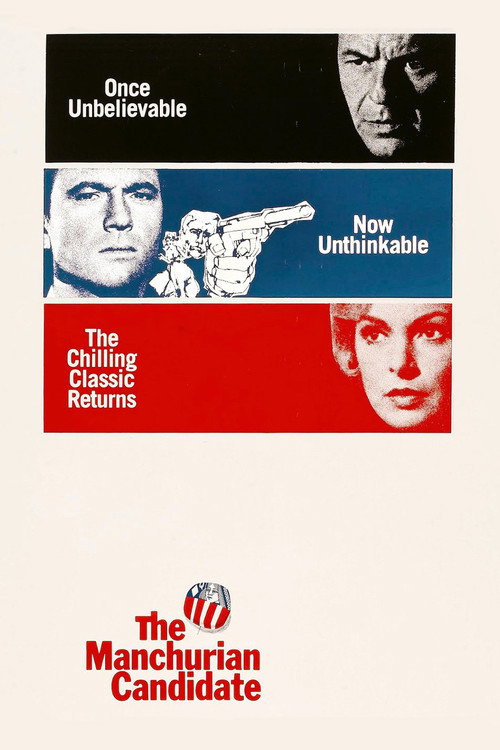
The Manchurian Candidate1962
A man caught in a web he doesn't fully understand, pursued by forces he can't name. The paranoia and sense of being manipulated from unseen angles echo through the whole thing.
But The tone shifts between thriller and satire, which some find clever and others find tonally confused.
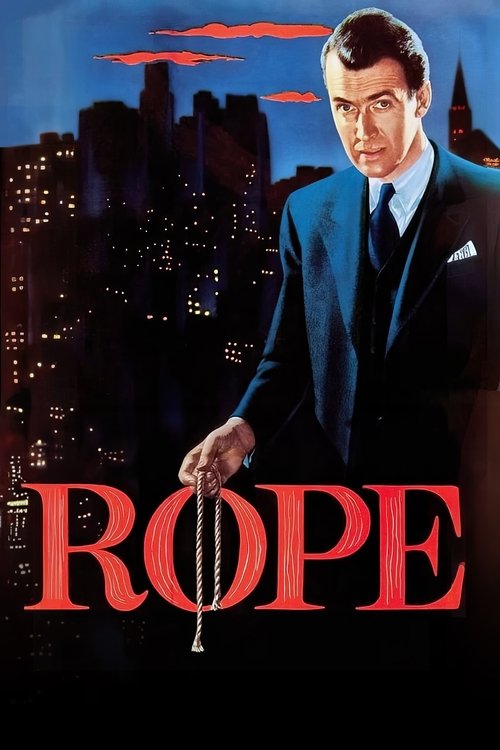
Rope1948
Both films are about men who have set something in motion they cannot stop. Where *Paid to Kill* is about attempting to cancel a contract, *Rope* is about praying nobody finds out what you've done. Same engine, inverse direction.
Hitchcock's real-time thriller about two men who murder a friend, then host a dinner party while the body hides nearby. Filmed in one apparent take, it's almost unbearably tense—the mechanism here is a clock that never stops ticking and nowhere to run.
But The single-take conceit means long takes of dialogue that feel stagy; it's closer to theatre than cinema for purists.
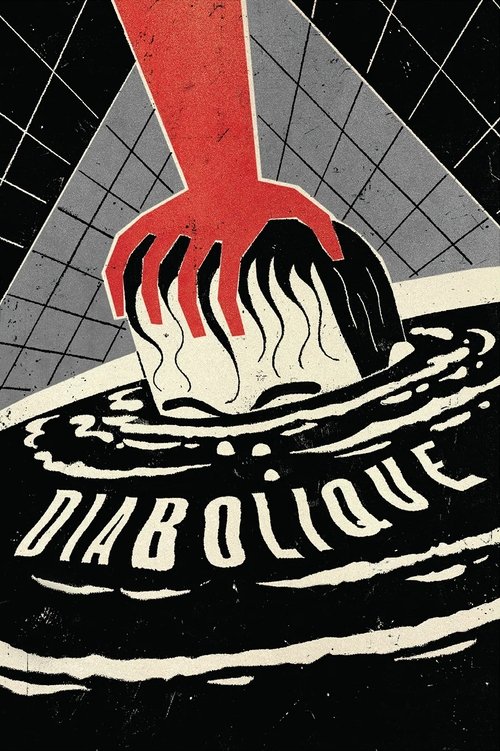
Diabolique1955
The template both films share: a simple plan to end a human problem. The terrible efficiency of *Paid to Kill* becomes the suffocating dread of *Diaboliques*—same architecture, different chambers.
A woman and her lover plot to murder her husband, staging it as an accident. French, gorgeous, utterly merciless—when the plan goes wrong, it doesn't go a little wrong, it goes catastrophically wrong. The real horror starts after they think they've won.
But The image of a bathtub has become iconic precisely because it's genuinely disturbing; it's not a comfortable watch.
People
Cast
 Dane ClarkJames Nevill
- Cecile ChevreauJoan Peterson
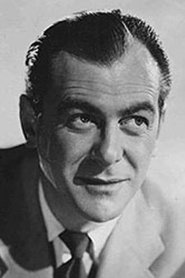 Paul CarpenterPaul Kirby
 Thea GregoryAndrea Nevill
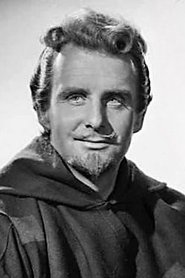 Anthony ForwoodGlanville
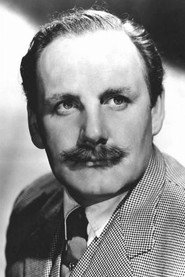 Howard Marion-CrawfordMcGowan (as Howard Marion Crawford)
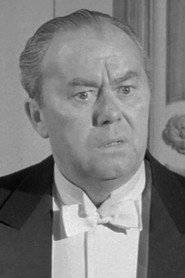 Arthur YoungHyson
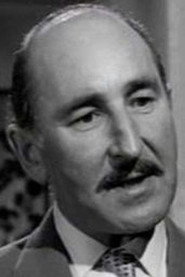 Arnold DiamondPerkins
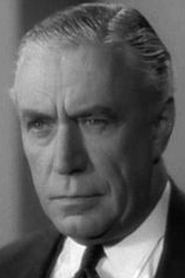 Peter GawthorneBowman
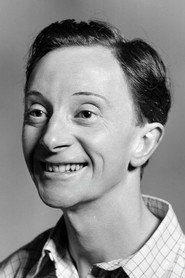 Charles HawtreyBill
- Ross HutchinsonIngham
 Warren MitchellLaughing Man in Bar
Directing
- Jimmy SangsterAssistant Director
- Splinters DeasonContinuity
- Montgomery TullyDirector
Writing
- Paul TaboriWriter
Production
- Anthony HindsProducer
- John 'Pinky' GreenProduction Manager