
Film
Sword of the Valiant: The Legend of Sir Gawain and the Green Knight
A 1984 fantasy adventure that liberally adapts the medieval poem into a quest narrative. Miles O'Keeffe travels through enchanted landscapes solving riddles, rescuing maidens, and learning hard truths about honour and mortality. It's earnest, weird, occasionally clumsy—a film that swings for the fences with practical effects and sincere magic, anchored by Sean Connery's Green Knight.
Should you watch it?
Watch it if you love old-fashioned quest films where the scenery, the costumes and a stately, earnest hero matter more than sharp dialogue, and you're happy to drift along with a legend told at its own pace.
Skip it if you want modern pacing or a tight plot; at just over an hour and forty minutes it moves in episodic stops, and the fantasy effects show their age in ways that can break the spell.
What it asks of you: Settle in for a little under two hours of gentle, episodic wandering, with long stretches of landscape and talk, and let the handsome, sincere tone carry you rather than expecting constant momentum.
Not sure? Find tonight's pick in a minute.
If you liked this
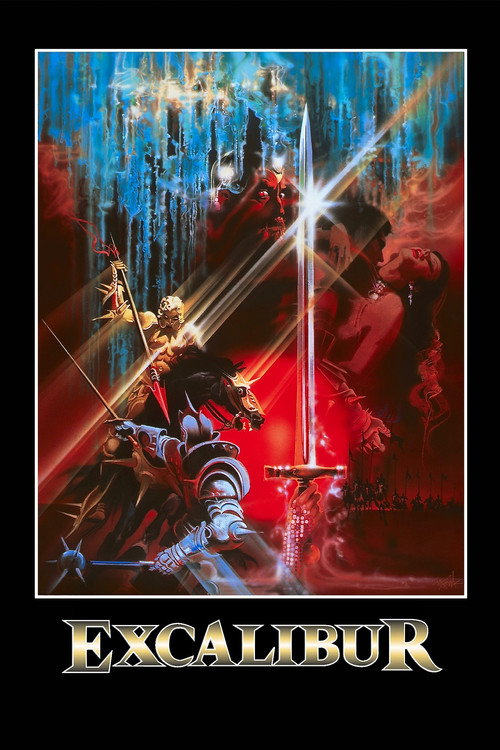
Excalibur1981
John Boorman's operatic Arthurian epic shares the same commitment to myth-making through practical wizardry, lush cinematography, and performances that lean into legend rather than realism. Epic scope, genuine wonder.
But It's two hours of deliberately paced myth that demands patience; the dialogue prioritizes poetry over naturalism, which won't land for everyone.
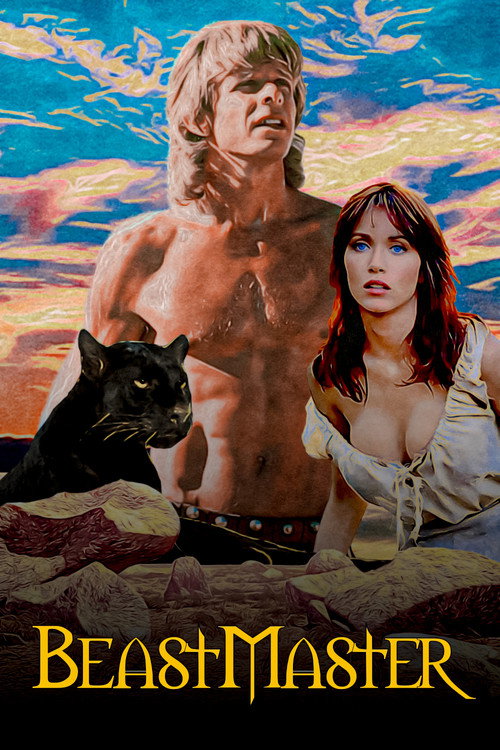
The Beastmaster1982
Same era, same earnestness about fantasy adventure. A hero journeys through hostile terrain learning about himself, aided by animal companions and mysterious forces. Gloriously committed to its own strangeness.
But The plot meanders; the romance subplot is perfunctory; and the whole thing has dated in ways that are sometimes distracting.
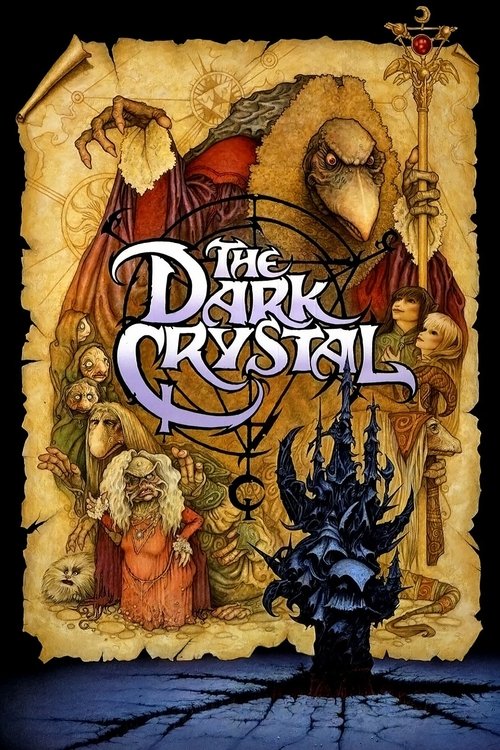
The Dark Crystal1982
A quest narrative through an alien world with practical creature effects so striking you forget to question the story. Henson and Oz built something that feels genuinely mythic and tactile in ways CGI now struggles to match.
But Slow pacing, minimal dialogue, and a plot that's secondary to atmosphere—it's meditative in a way modern adventure films aren't.
Not sure tonight? Get a pick in a minute, starting from Sword of the Valiant: The Legend of Sir Gawain and the Green Knight
The wildcard
Something you would not have found on your own.
The Seventh Seal1957
Both follow a knight learning hard truths about honour and mortality through literal journeys; both treat medieval legend as a framework for exploring what it means to face death with dignity.
A knight returns from crusade and plays chess with Death itself, journeying toward an inevitable reckoning while learning what makes life worth living. Bergman made the ultimate meditation on mortality and meaning masquerading as a medieval quest.
But It's a Bergman film: black-and-white, symbolic, philosophically dense, and fundamentally pessimistic about human redemption. Not entertainment in the conventional sense.

More like this (8)
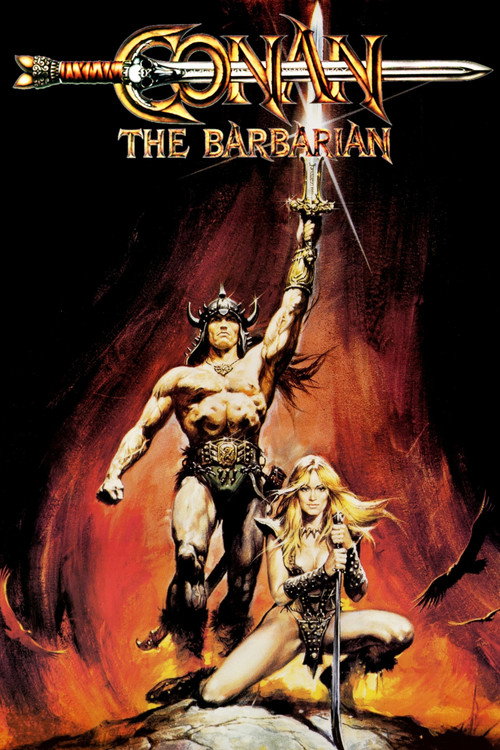
Conan the Barbarian1982
Arnold Schwarzenegger, sword-and-sorcery, and a director (John Milius) who treated pulp material as seriously as epic poetry. A man learns, suffers, and achieves something beyond himself through trial.
But Genuinely violent; the women exist primarily to motivate male characters; very much a product of its era's gender politics.
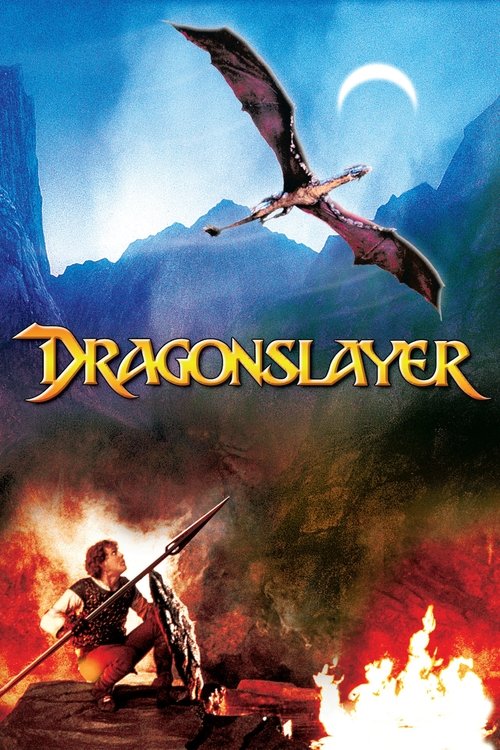
Dragonslayer1981
A wizard and a young knight face an ancient dragon in a world that feels lived-in and compromised. Mature, visually stunning, and unafraid to let its heroes fail or pay a real price.
But The pacing is deliberate; the climax is brief and unglamorous; it refuses easy catharsis in ways that can feel unsatisfying.
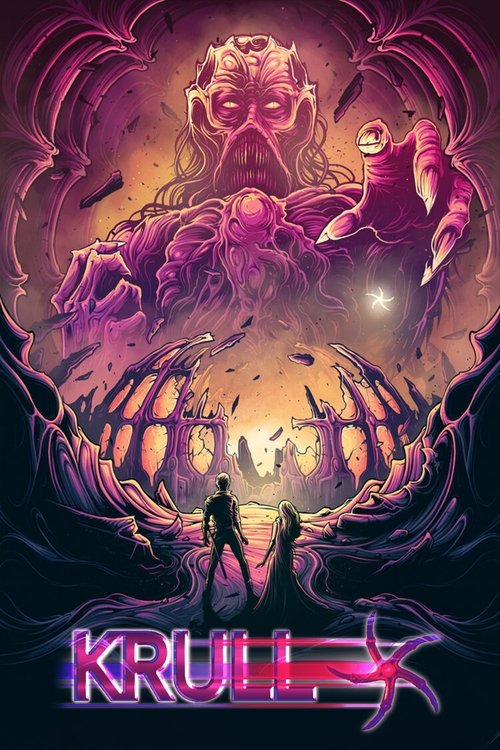
Krull1983
Kaleidoscopic production design, a band-of-misfits quest narrative, and genuine strangeness—a prince gathers allies to storm an alien castle. Weird, committed, and visually inventive in ways that hold up.
But The script is thin; character arcs are sketched rather than earned; some sequences drag.
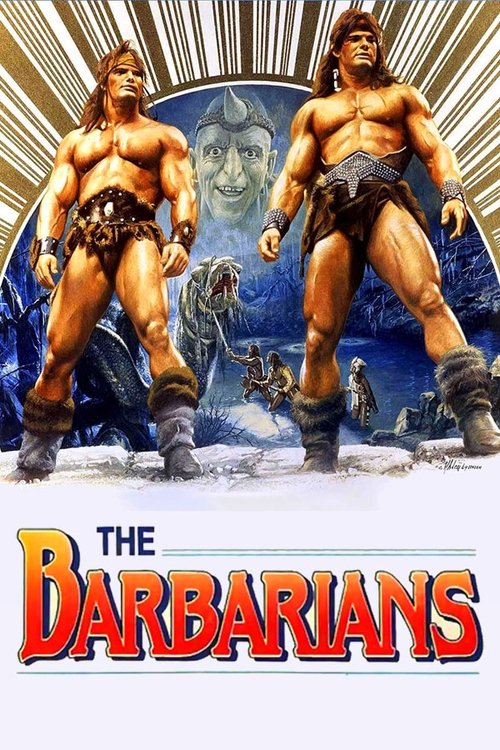
The Barbarians1987
Two orphaned brothers raised by monks must rescue a maiden and avenge their parents. Low-budget, high-earnestness, and genuinely bizarre in its action choreography and plot turns.
But The acting is rough; the script is nonsensical in patches; it feels like a film made by people learning as they went.
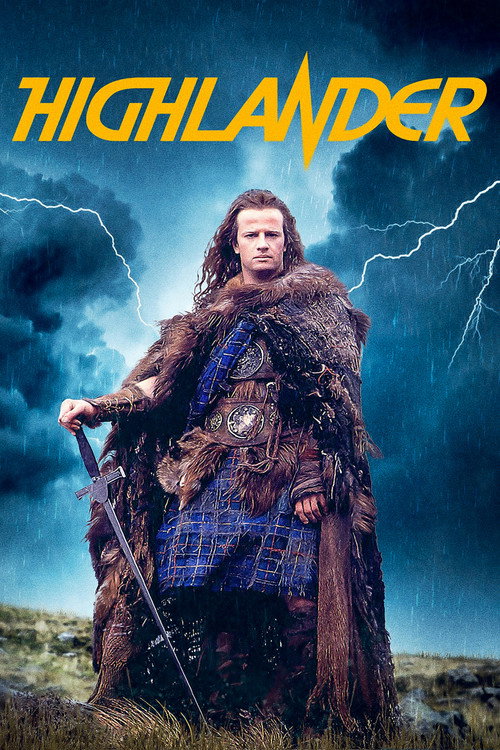
Highlander1986
An immortal Scotsman learns who he is through centuries of combat and mentorship. Stylish, propulsive, and genuinely mythic about identity, sacrifice, and the weight of time.
But The plot mechanics are deliberately ambiguous to the point of confusion; the philosophy can feel half-baked.
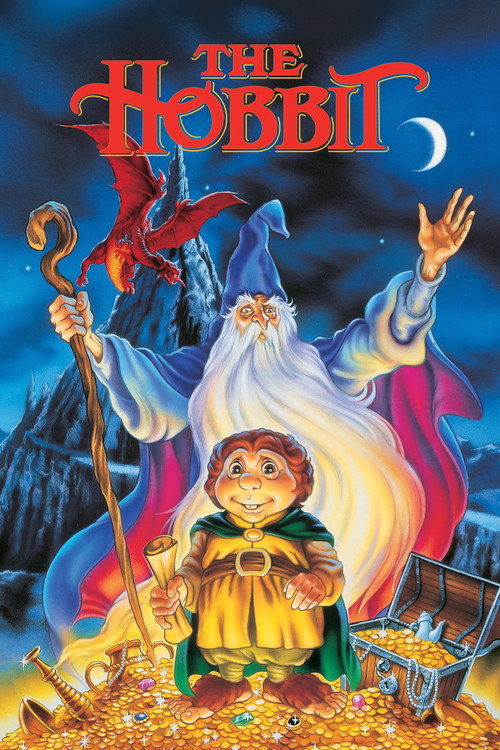
The Hobbit1977
A Rankin/Bass animated adaptation of Tolkien that moves at its own meditative pace. A reluctant hero grows through hardship and friendship. Hand-animated in a way that feels wonderfully strange now.
But The animation style is dated; significant plot elements are cut or simplified; the pacing will test modern attention spans.
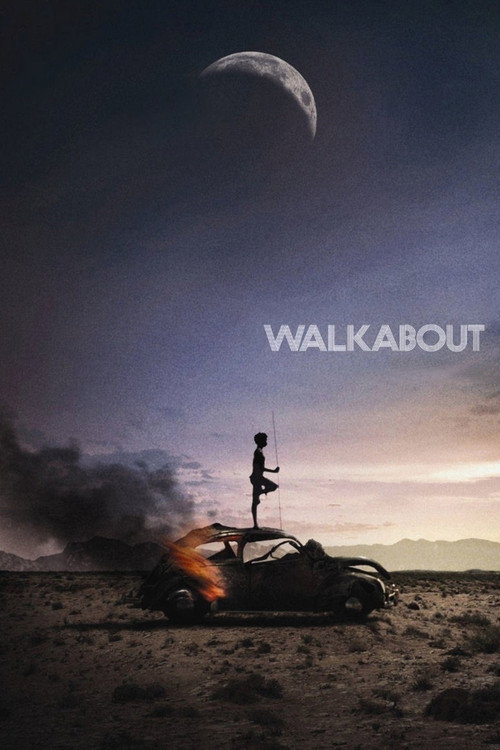
Walkabout1971
Both are quest narratives where the real journey is internal; both use hostile landscapes as psychological mirrors; both climax with the hero understanding something irreversible about themselves and the world.
Two lost children traverse an alien landscape guided by an Aboriginal boy. A rite-of-passage film disguised as survival drama—visual, minimal dialogue, deeply strange, and about becoming someone new through ordeal and landscape.
But Almost plotless; the cultural dynamics haven't aged well; meditative in ways that can feel glacial; the famous scene involves nudity that some will find inappropriate.
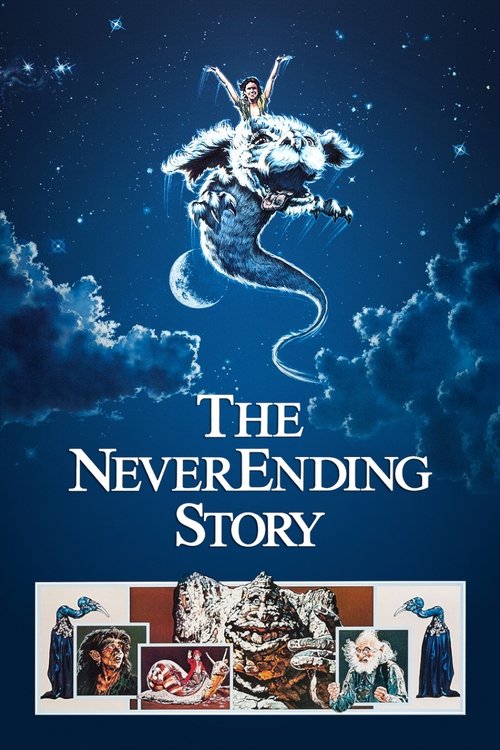
The NeverEnding Story1984
Both 1984 fantasies about quests through enchanted worlds; both feature earnest heroes learning through trial; both were made by people who believed completely in the material, which is why they work despite their flaws.
Released the same year, this German fantasy follows a boy reading a magical book that begins to consume reality itself. It's sincere, visually audacious, and genuinely concerned with how stories shape us—a work of imagination about imagination.
But The tonal shifts are jarring; the second half sags; the ending attempts philosophy that the film hasn't quite earned, and it's aware of that gap.
People
Cast
 Miles O'KeeffeSir Gawain
 Cyrielle ClairLinet
 Leigh LawsonHumphrey
 Sean ConneryThe Green Knight
 Trevor HowardThe King
 Peter CushingSeneschal
 Ronald LaceyOswald
 Lila KedrovaLady of Lyonesse
 John Rhys-DaviesBaron Fortinbras
 Wilfrid BrambellPorter
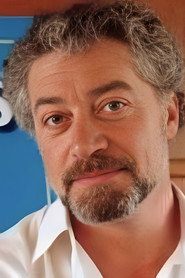 Bruce LidingtonSir Bertilak
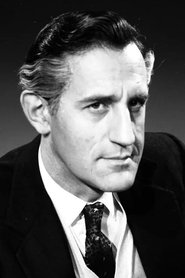 Douglas WilmerThe Black Knight
Directing
- Stephen WeeksDirector
Writing
- Rosemary SutcliffDialogue
- Therese BurdonDialogue
- Howard C. PenScreenplay
- Philip M. BreenScreenplay
- Stephen WeeksScreenplay
Production
- Maude SpectorCasting
- Michael J. KaganExecutive Producer
- Philip M. BreenExecutive Producer
- Menahem GolanProducer
- Yoram GlobusProducer