
Film
Shaolin Wooden Men
A 1976 kung fu film where Jackie Chan plays a traumatized orphan who finds refuge and deadly purpose at Shaolin monastery. It's raw, propulsive action cinema—minimal dialogue, maximum fight choreography—built around the legendary wooden men sequence. For anyone hungry for martial arts cinema before it was polished into Hollywood spectacle.
If you liked this
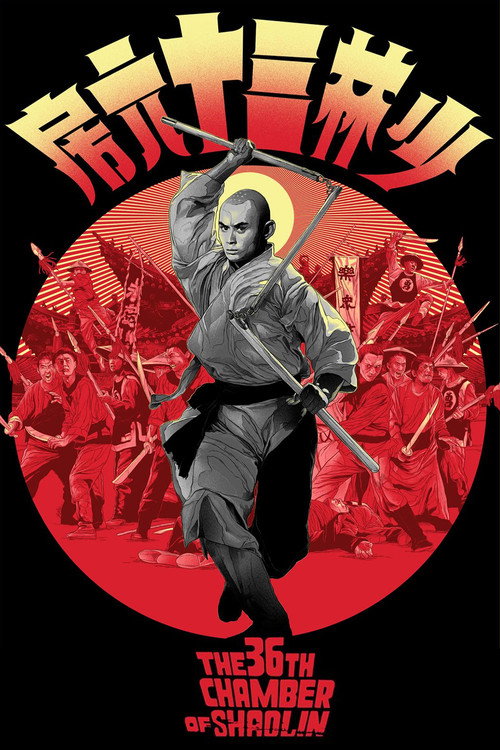
The 36th Chamber of Shaolin1978
Gordon Liu's definitive Shaolin origin story, with the same monastic training structure and spiritual-martial progression. The chamber-by-chamber teaching sequence is endlessly inventive and deeply satisfying.
But Slower pacing than modern action films, and the dubbing takes adjustment. The philosophy sometimes outweighs the fighting.
The Prodigal Boxer1972
An earlier, rawer Jackie Chan vehicle that shows him learning his craft in real time. Fast, funny, completely unpolished—pure joy from an actor still finding his power.
But The production values are visibly thin, and the tone whipsaws between slapstick and serious violence in ways that feel accidental.
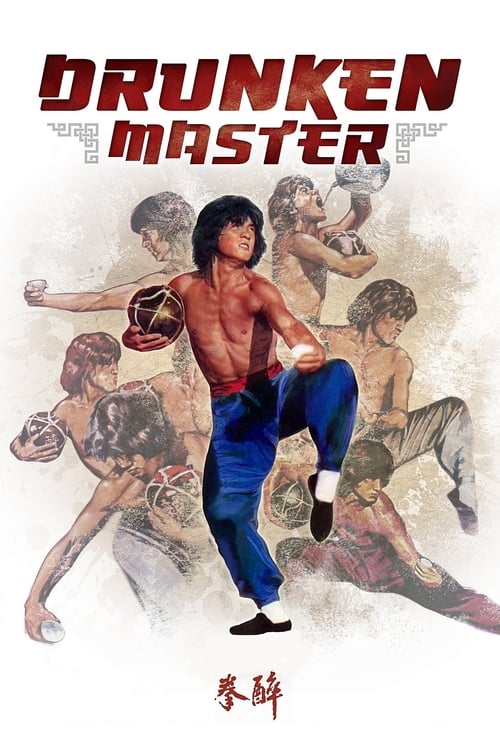
Drunken Master1978
Chan's breakthrough, where his physical comedy and fighting genius finally align. Yuen Woo-ping's choreography is architectural—you watch it twice just to understand what you saw.
But The early sections lean heavy on slapstick. If you're after pure martial arts intensity, there's a patience tax.
Not sure tonight? Get a pick in a minute, starting from Shaolin Wooden Men
The wildcard
Something you would not have found on your own.
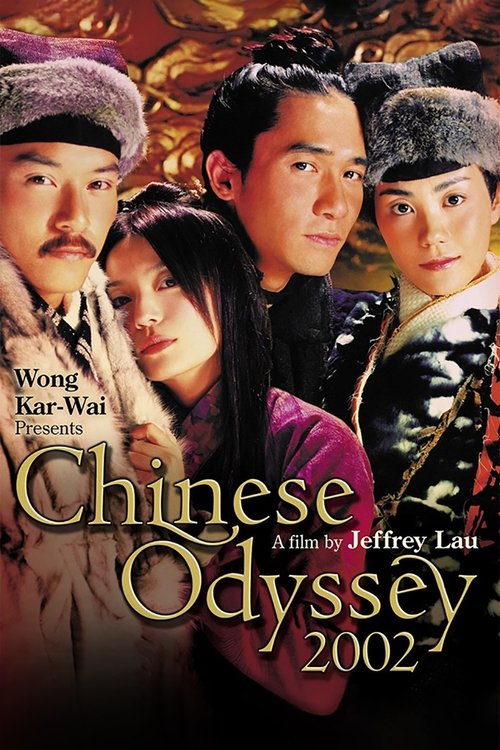
Chinese Odyssey 20022002
Both use the martial artist's body as the primary text, but where Shaolin Wooden Men grounds itself in training and lineage, this abandons logic entirely and asks what a kung fu film looks like when freed from plot.
Jet Li as a government agent in a modern, comedic frame, but the film is deliberately, almost aggressively illogical—dream logic, genre-switching, tonal chaos. It's what happens when a martial artist meets postmodern cinema. Exhilarating and disorienting.
But The story collapses into incoherence by design. If you need narrative to make sense, this will frustrate you deeply.
More like this (8)
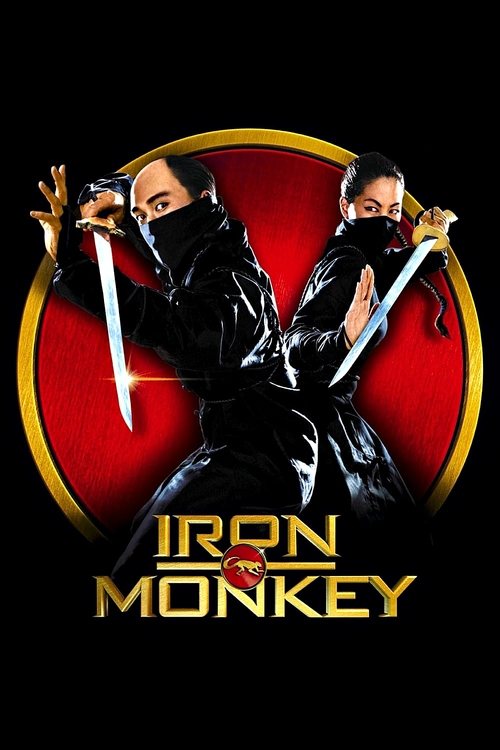
Iron Monkey1993
Yuen Woo-ping again, but with Donnie Yen. Shaolin setting, a hero who uses his gifts against tyranny, and fight scenes that still feel impossibly fast. Lean and urgent.
But The plot is thin scaffolding for the action. If you need narrative weight, you'll feel that absence.
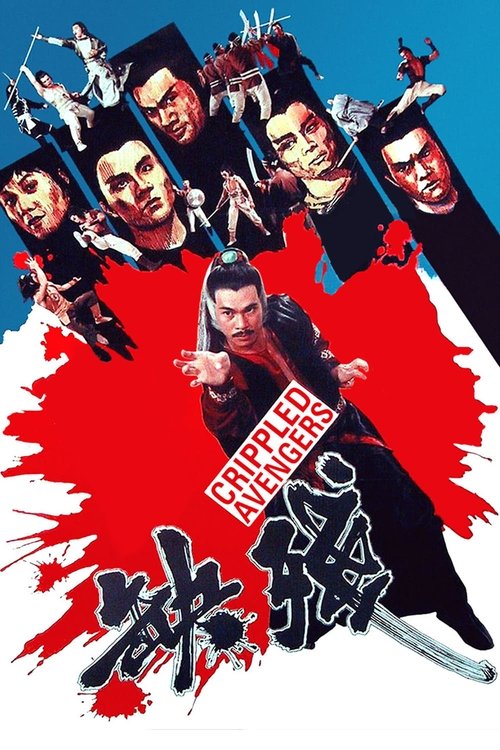
Crippled Avengers1978
A masterclass in kung fu storytelling: five fighters, each with a different style, each morally compromised. Shaw Brothers at their peak. The fighting is intricate and consequential.
But Slower build than you might expect, and the resolution requires patience. Not a constant adrenaline rush.
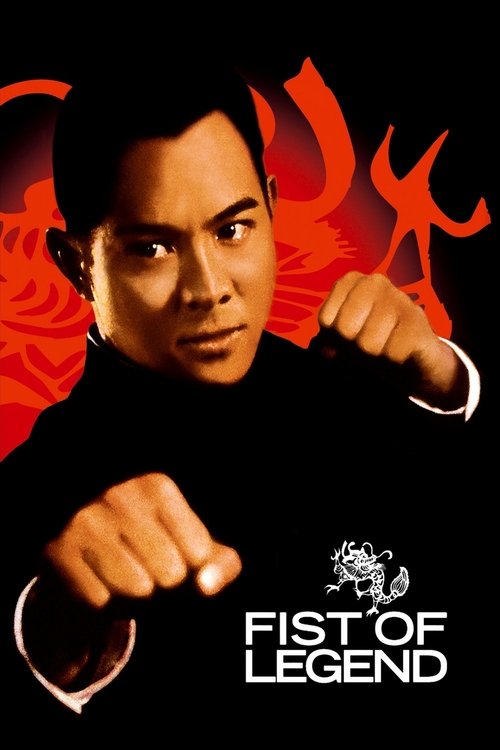
Fist of Legend1994
Jet Li's masterpiece. A martial artist caught between kung fu heritage and modernity, shot with clarity that lets you see every movement. The final fight is staggering.
But More dramatic than Shaolin Wooden Men—if you want pure action beats, the emotional scenes might feel like interruptions.
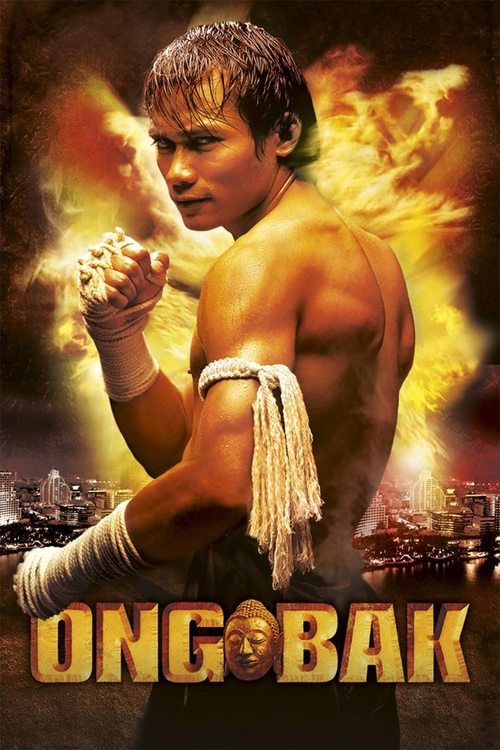
Ong-Bak2003
Tony Jaa brings the same physical commitment as early Jackie Chan. No wires, real stunts, and a Muay Thai style that feels genuinely different. Breathless energy.
But Thinner narrative than you might want, and some tonal uncertainty. It's closer to a stunt showcase than a story.
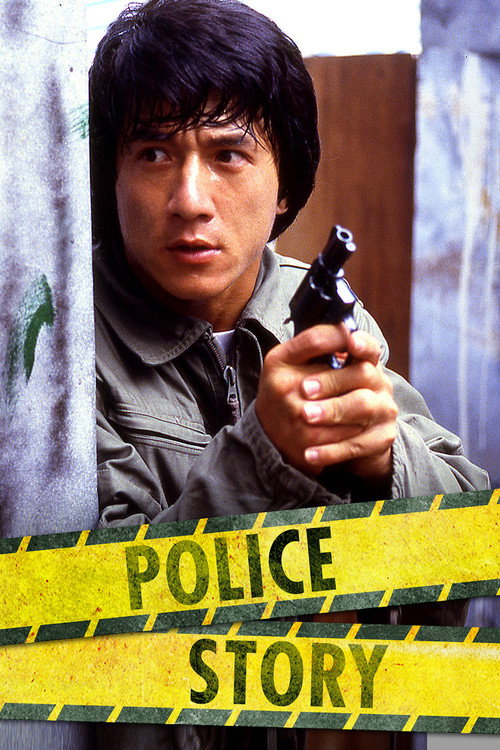
Police Story1985
Jackie Chan as a cop fighting corruption, and the film that proved he'd become a complete artist. Inventive use of everyday locations as fighting grounds. Modern, funny, vicious.
But Later Chan than Shaolin Wooden Men, and heavier on plot. If you're chasing that earlier rawness, this feels more calculated.
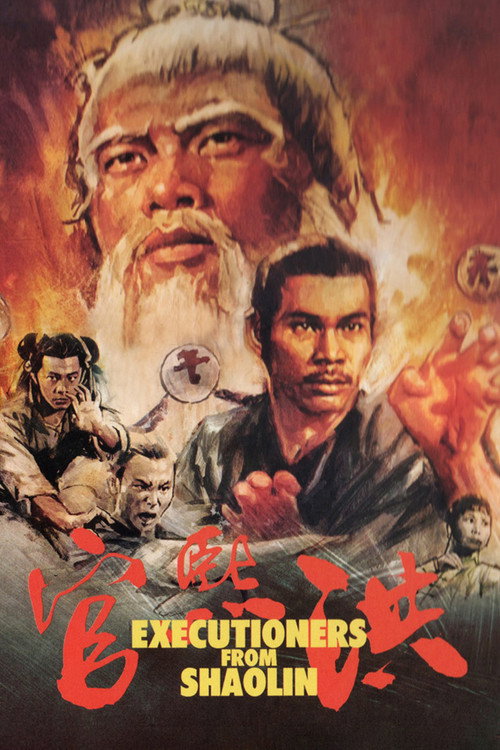
Executioners from Shaolin1977
Gordon Liu and Lam Ching-ying, both trained at the temple. A revenge narrative that earns its emotional weight through training sequences. Shaolin as crucible, not just setting.
But Long middle section focused on technique over drama. Requires you to care about the incremental build to payoff.
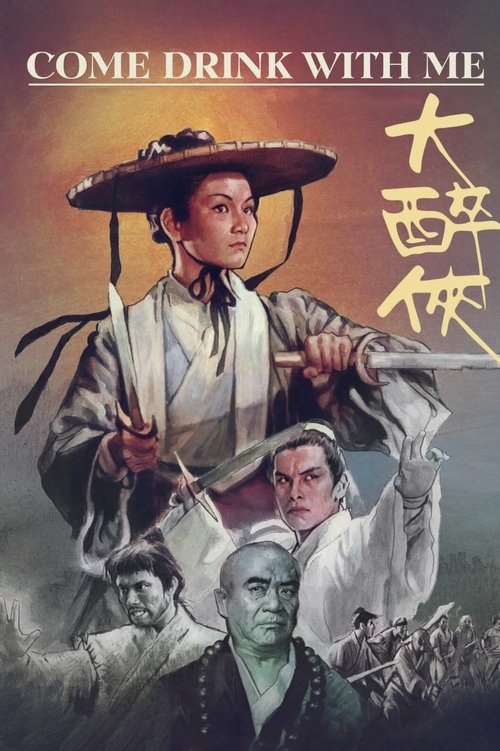
Come Drink with Me1966
Both films treat martial mastery as spiritual journey, not just combat skill. But Hu's 1966 vision is painterly and balletic where Chan's is propulsive and athletic—same core, different era.
King Hu's silent masterpiece (in the storytelling sense—minimal dialogue). A Buddhist nun is also a master swordswoman, and the film is pure visual action: geometry, silence, movement as meditation. Influenced everything that followed.
But It's genuinely slow by modern standards, and shot in a widescreen format that demands patience. Feels closer to ballet than action cinema.
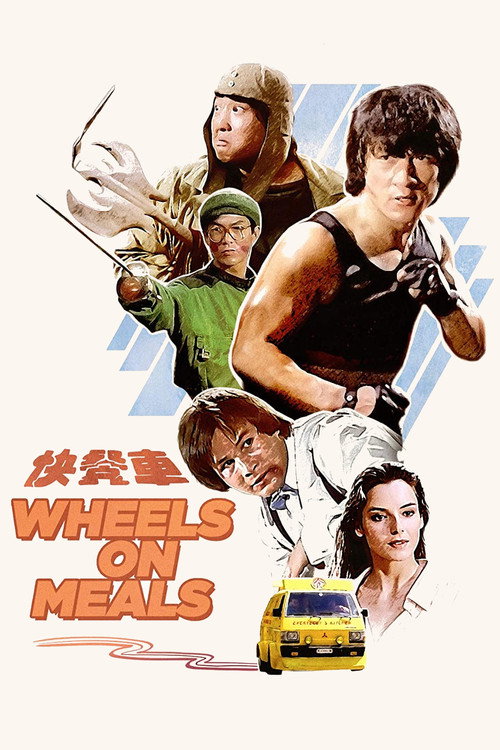
Wheels on Meals1984
Shaolin Wooden Men treats violence as spiritual test; this treats it as play. Same period and sensibility, but opposite moral weight—violence here is celebration rather than redemption.
Jackie Chan and Sammo Hung as misfit cousins running a food truck and falling into intricate action sequences. Director Sammo shot it like a heist comedy—every fight is a puzzle with multiple solutions. Joyful and inventive.
But The plot is genuinely silly even by action-comedy standards. It's a frame for gags and fighting, and if you need more, you'll feel shortchanged.
People
Cast
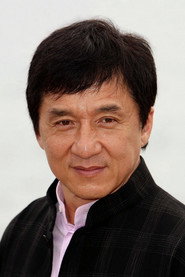 Jackie ChanLittle Mute
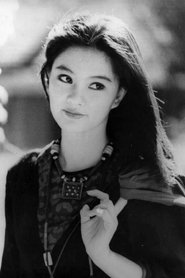 Doris Lung Chun-ErhRestaurant Waitress
 Chin KangPrisoner
- Chang Ping-YuShaolin Nun
- Chang I-FeiAbbot
- Chiu Lo-KongShaolin Temple Student
 Gam YamTavern Boss
 Ho KangAbbot
 Chiang KamRestaurant Waiter
- Hou Chun HsiaMonk
- Hu KuangMonk
 Lee Siu-ChungBlind Abbot
Directing
- Chen Chi-HwaDirector
Writing
- Gam YamWriter
Production
- Lo WeiExecutive Producer
- Hsu Li-HwaProducer
- Li Hsien-ChangProduction Manager
Recommended by
Raiders of the Shaolin Temple, Disciples of the 36th Chamber, The Magnificent Butcher, Knockabout, Dragon Lord