
Film
The Murder of Fred Hampton
- Crime
- Very dark
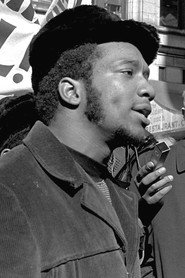
Made just months after the killing, this 1971 documentary captures Fred Hampton's organizing genius and charisma through archive footage and trial reconstruction, then methodically documents the Chicago police raid that murdered him and the system that protected his killers. It's urgent, angry, and essential—a record of both a man and a crime.
If you liked this
The Black Panthers: Vanguard of the Revolution2015
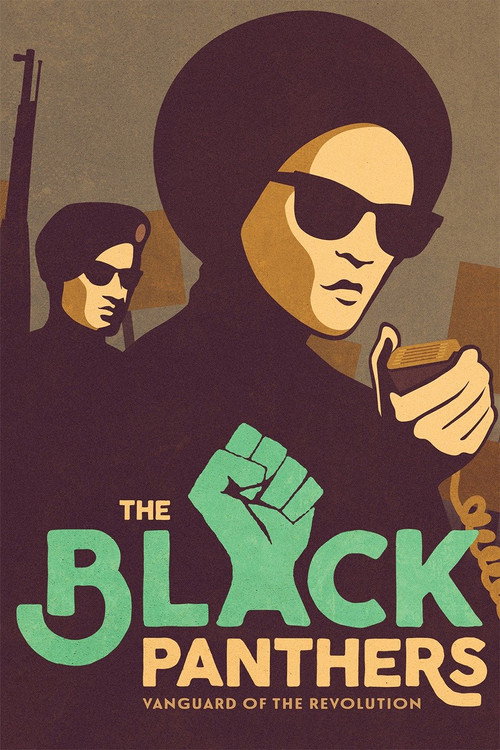
A comprehensive history of the party across its chapters and the many leaders beyond Hampton. This film contextualizes Hampton's work within a larger movement and shows how widespread both the FBI's COINTELPRO campaign and police violence truly were.
But It covers a lot of ground in two hours, which means some figures get less depth than others. It's also a more measured documentary than The Murder of Fred Hampton—less raw, more explanatory.
MLK/FBI2020
Documents the FBI's relentless surveillance and sabotage of another civil rights leader, using declassified files and testimony. It follows a similar pattern of federal overreach and government lies, making it a natural companion to understanding the systemic forces Hampton faced.
But The archival material is sometimes fragmentary and the pacing can feel slow. It's a document-heavy investigation, not a narrative film, so patience with bureaucratic detail is required.
Attica2021
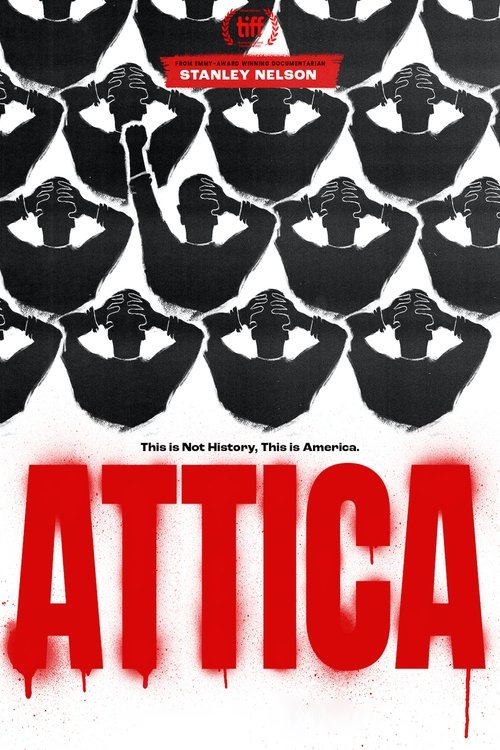
Stanley Nelson's account of the 1971 prison uprising and its violent suppression. Like Hampton's assassination, it's about state violence against incarcerated and Black Americans, told through testimony and archive, demanding accountability for an official act of killing.
But The final section depicting the retribution against inmates is extremely difficult to watch. It doesn't offer catharsis or justice, just the weight of cruelty.
Not sure tonight? Get a pick in a minute, starting from The Murder of Fred Hampton
The wildcard
Something you would not have found on your own.
Medium Cool1969
Both are Chicago documents from the same era made by filmmakers who witnessed police violence against Black Americans and activists. Medium Cool shows the official violence Wexler saw; The Murder of Fred Hampton documents the ultimate version of it.
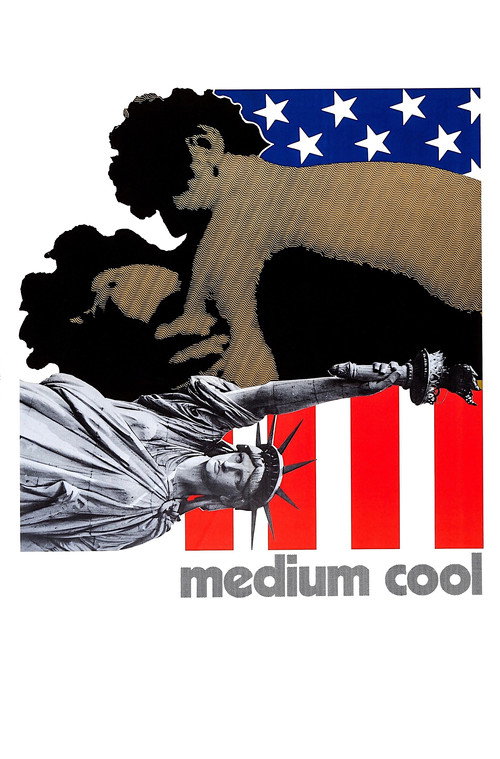
Made during the same moment of American upheaval, Haskell Wexler's film interweaves a romance with the Chicago Democratic Convention riots and police brutality. It's a narrative feature, not a documentary, but it captures the lived texture of police violence and state suppression that Hampton faced—chaos, fear, complicity.
But It's a feature film, so it moves differently than a documentary and some of its narrative choices feel dated. The personal story sometimes competes with the political one rather than deepening it.
More like this (5)
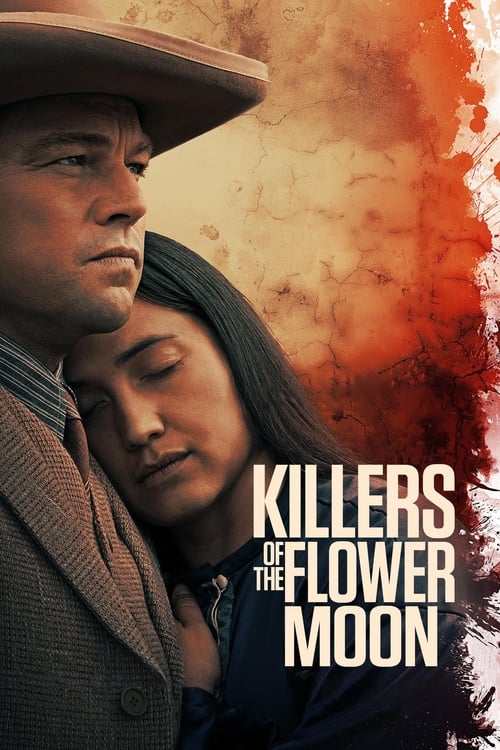
Killers of the Flower Moon2023
Scorsese examines another systematic murder of Black Americans—the Osage murders—enabled by the FBI and white institutions. It shows how institutional racism and greed justify repeated killing and how official systems protect criminals in power.
But It's three and a half hours and takes its time with scenes that can feel repetitive or digressive. The violence is stylized rather than confrontational, which some feel undermines the gravity of what happened.
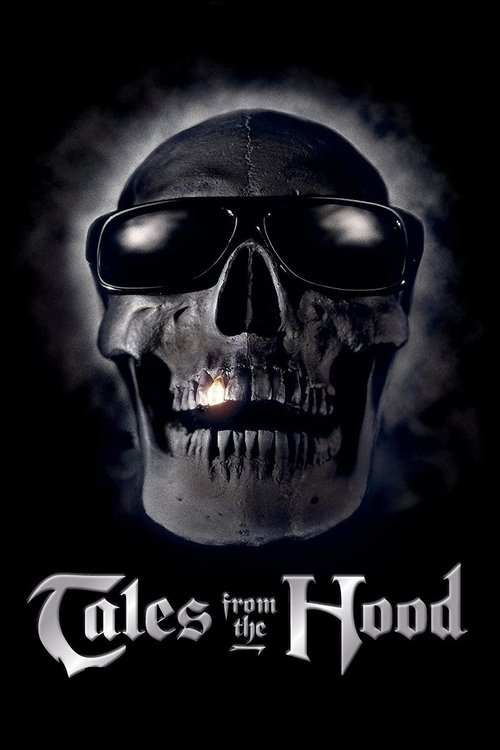
Tales from the Hood1995
A horror anthology that uses genre to confront American racism, state violence, and the supernatural indifference of power. Like Hampton's story, it argues that the real horror is what the country does to Black people, not what lurks in shadows.
But It's a B-movie with variable acting and sometimes uneven effects. Some of its satire lands harder than others, and the frame story can feel slight compared to the segments.
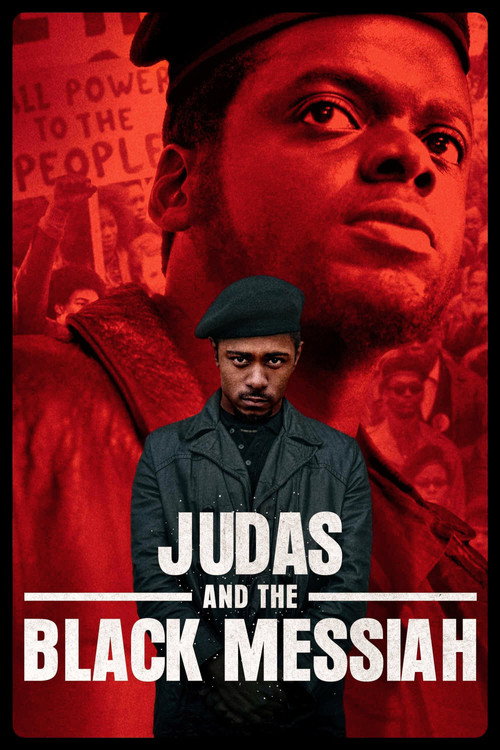
Judas and the Black Messiah2021
Shaka King dramatizes the FBI's use of an informant to set up Hampton's assassination. It brings the story to a new audience and shows how the murder happened—the mechanics of betrayal and official cruelty made tangible through performance.
But Fictionalization changes texture and adds invented dialogue. Some who know Hampton's actual words find the dramatization thins the historical record rather than deepening it.
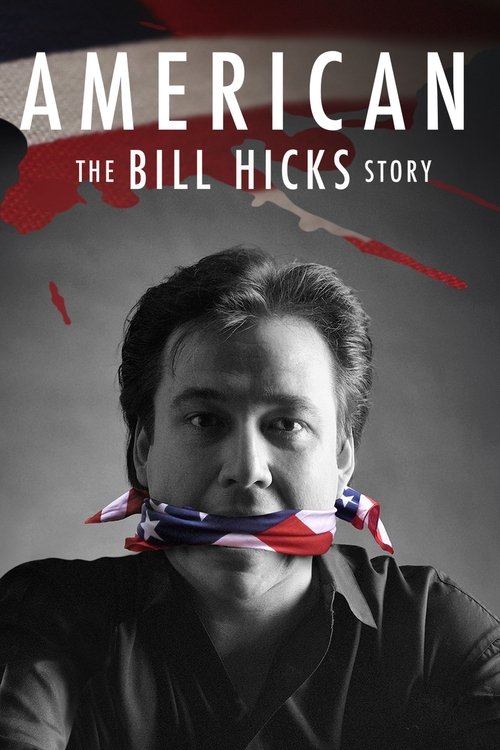
American: The Bill Hicks Story2010
A documentary about a man the powerful wanted silenced. Like Hampton, Hicks was seen as a threat for speaking truth to power; this film shows how systems work to eliminate voices that destabilize them, just from a different angle.
But It's narrower in scope and lower in stakes than a story about literal murder. Some viewers find the comparison between censorship and assassination trivializes state violence.
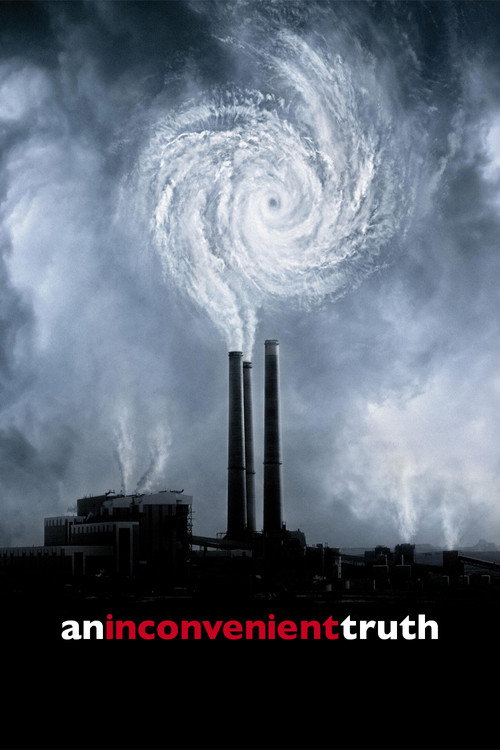
An Inconvenient Truth2006
Both use documentary form to argue that official institutions are lying and that individuals die—or will die—because of it. Both make the audience complicit in the act of not-knowing.
Seems unrelated until you realize it's also about a powerful man presenting evidence of a system designed to silence him. Al Gore's PowerPoint is his archive footage, his data is his testimony. The structure is almost identical: here is what I know, here is what they want you to forget, here is the price of looking away.
But It's about climate, not race and murder. The stakes feel abstract compared to Hampton's immediate, lethal danger. Some find Gore's presentation style dated or his answers too tidy.
People
Cast
 Fred HamptonSelf (archive footage)
- Edward CarmodySelf - State's Atty Police (archive footage)
- Rennie DavisSelf (archive footage)
- Edward HanrahanSelf (Illinois State's Attorney) (archive footage) (as Edward V. Hanrahan)
- Don MatusonAttorney in trial re-creation
- Skip AndrewSelf - Attorney (archive footage)
- Deborah JohnsonSelf (archive footage)
- Renault RobinsonSelf - Pres., Afro-American Police Assn. (archive footage)
- Ronald SatchelSelf (archive footage) (as 'Doc' Satchel)
- Tom StreeterSelf - Maywood Councilman (archive footage)
- James MontgomerySelf - Attorney (archive footage)
- Lawrence KennonSelf - Cook County Bar Assn. (archive footage)
Directing
- Howard AlkDirector
Production
- Emmett GroganAssociate Producer
- Fred BakerExecutive Producer
- Mike GrayProducer
- James A. DennettProduction Manager