
Film
Ninth Floor
Ninth Floor excavates the Sir George Williams University occupation of 1969, when Black students' protest against racist institutional indifference exploded into a two-week siege. Director Mina Shum assembles testimony, archival footage, and period documents into a precise reconstruction of how fury becomes uprising. It's a compact, urgent history lesson that reveals how little has actually changed.
If you liked this
Selma2014
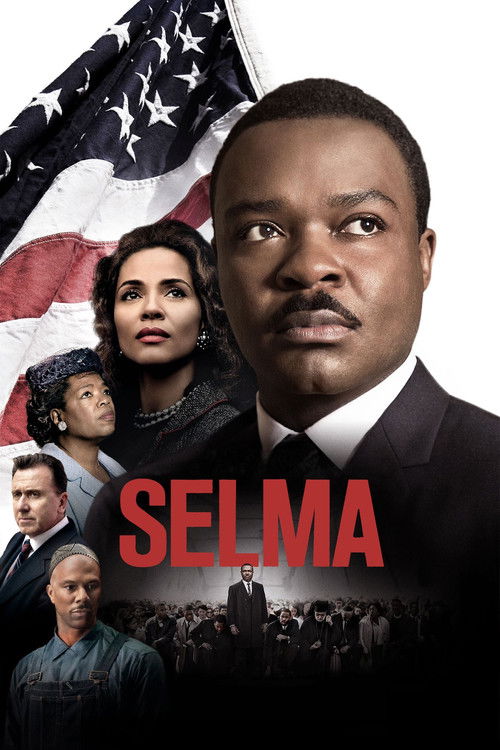
DuVernay's account of the 1965 voting rights march captures the strategic brilliance and moral clarity of the Civil Rights Movement. Companion piece about protests that shifted American law.
But Biopic conventions sometimes flatten complexity into speeches. Some viewers find the pacing stately rather than propulsive.
13th2016
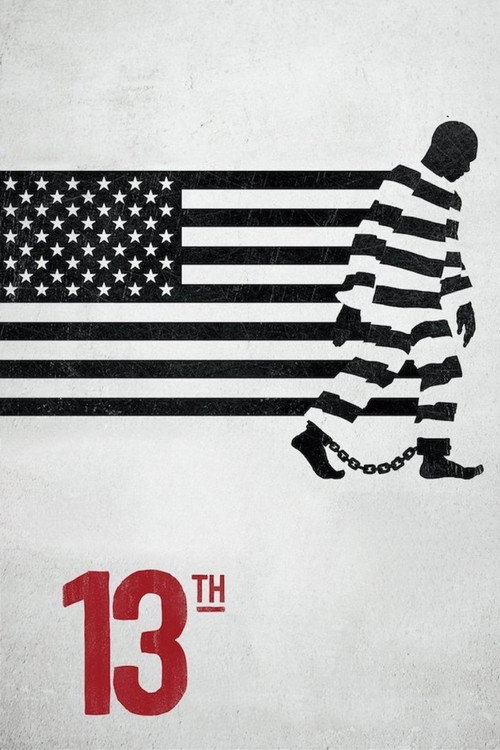
Ava DuVernay's essential essay-film traces the through-line from slavery to mass incarceration. It contextualizes why young Black Canadians in 1969 were already exhausted and enraged.
But The relentlessness is punishing. There's no moment to breathe or look away. Some viewers need breaks from that sustained moral weight.
Whose Streets?2017
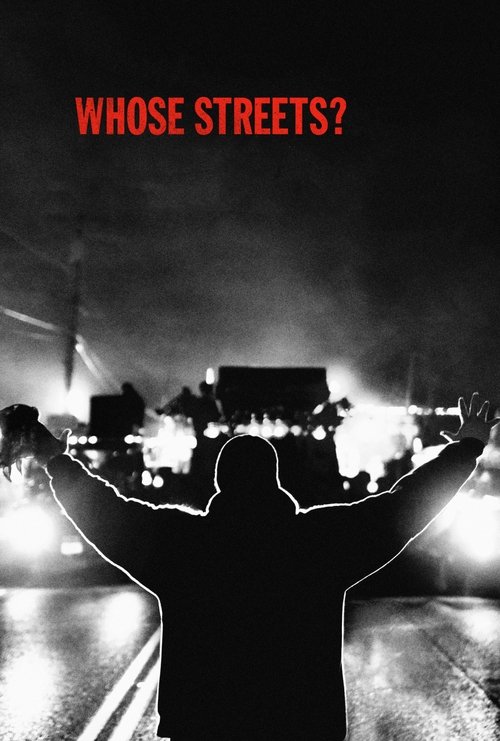
Directors Sabaah Folayan and Damon Davis document Ferguson from inside the uprising. Urgent, participant cinema that trusts the moment over expert commentary. Same DNA as Ninth Floor.
But The handheld verité style won't appeal to viewers who prefer polished documentary. The politics are unambiguous; there's no 'other side' presented.
Not sure tonight? Get a pick in a minute, starting from Ninth Floor
The wildcard
Something you would not have found on your own.
The Battle of Algiers1966
Both films dramatize institutional racism so thoroughly embedded that the uprising becomes the institution's logical consequence, not aberration. Both trust audiences to see the protesters' logic.
Pontecorvo's reconstruction of the Algerian liberation war preceded Ninth Floor by three years and essentially invented the template for depicting anti-colonial uprising as strategic, moral, and unavoidable. Same moral anatomy, fifty years older.
But Black-and-white, Italian-Algerian co-production from the 1960s. The pacing is deliberate. Some viewers find it dated visually, though that misses the point entirely.

More like this (5)
The Two Escobars2010
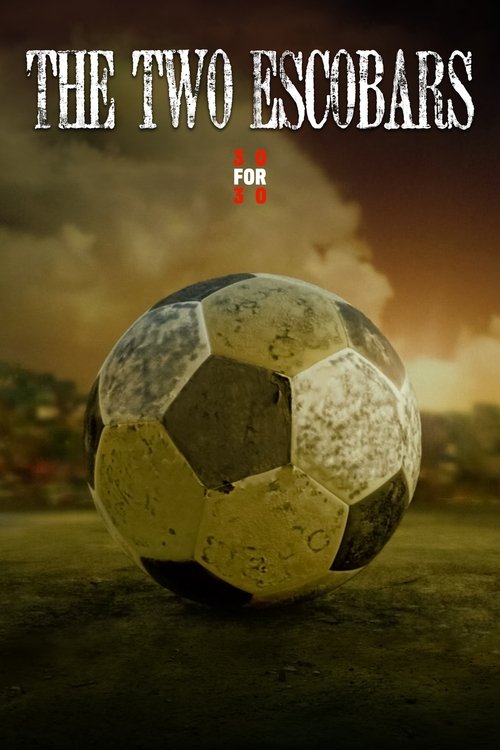
This ESPN doc tells a story of power, violence, and institutional complicity through Colombian football. It shares Ninth Floor's fascination with how systems reveal themselves under pressure.
But It pivots away from sports into drug trafficking and assassination. If you came for football, the subject matter darkens in ways that surprise some viewers.
Attica2021
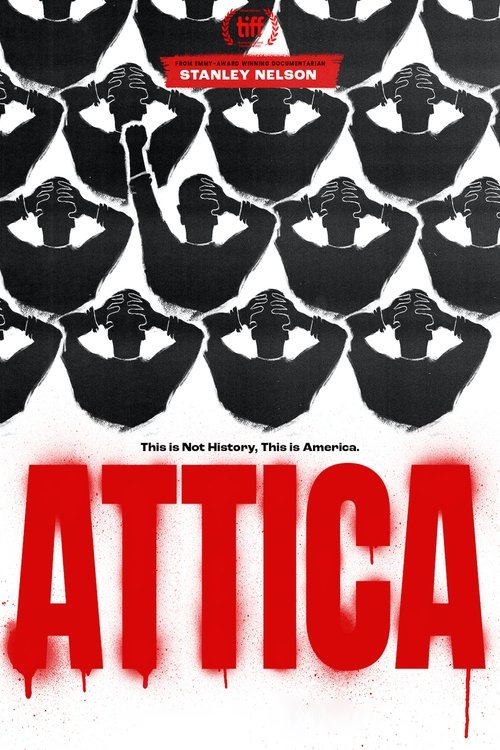
Stanley Nelson reconstructs the 1971 prison uprising and its brutal suppression. Like Ninth Floor, it's archival collage that restores humanity and agency to people institutions tried to erase.
But The violence is graphic and the ending is dark. State brutality is shown plainly. This isn't a feel-good documentary; it's a reckoning.
The Pruitt-Igoe Myth2012
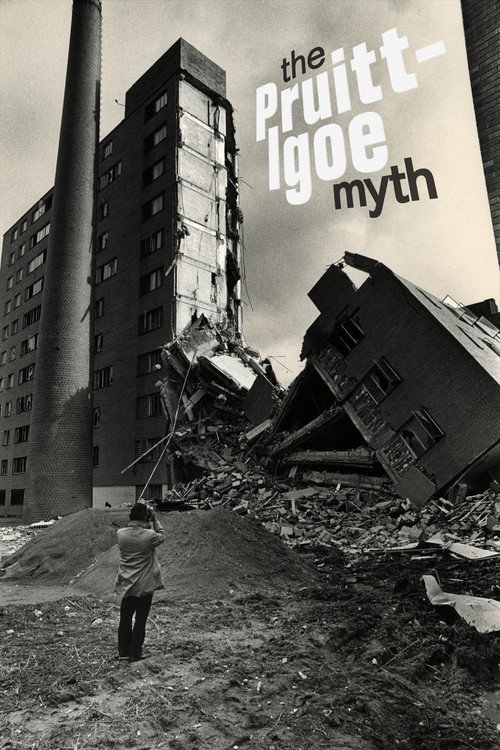
Chad Moore's essay on the rise and fall of a St. Louis housing project becomes a portrait of institutional racism disguised as urban planning. Same period, same machinery of erasure.
But Abstract at moments. The film trusts viewers to connect dots; it doesn't always spell out the argument. Some find it elliptical.
The Invisible Thread2022
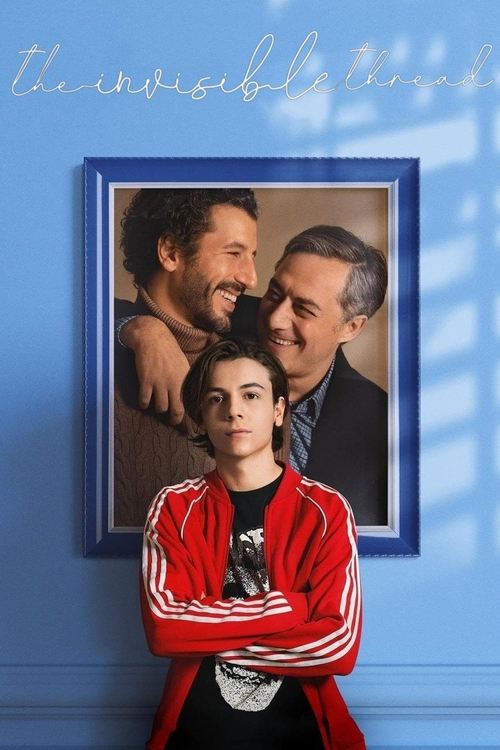
Director Shaheen Dill-Riaz profiles South Asian domestic workers in Hong Kong and their fight for rights. Different geography, same global machinery of exploitation and solidarity.
But Limited release; harder to find. Also less polished than major documentaries. The production values are modest and that's intentional, but not everyone's preference.
Pussy Riot: A Punk Prayer2013
Both show how institutions weaponize the law and public opinion against youth activism. Both capture the moment when a movement realizes the system will not negotiate.
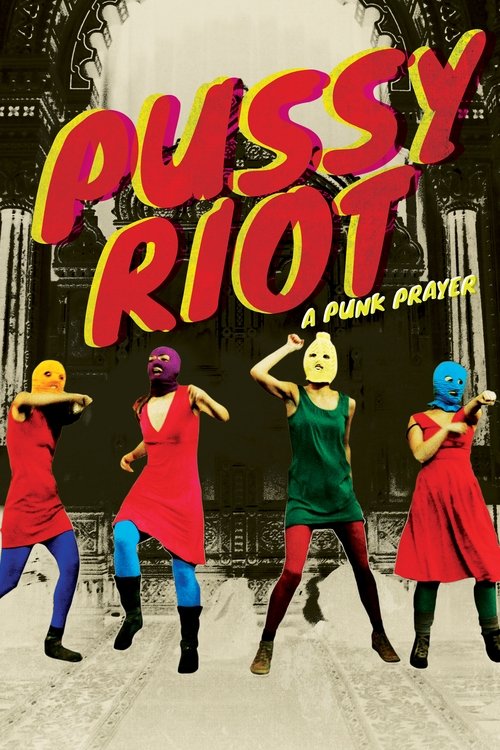
This documentary about Russian activist-musicians captures real-time institutional retaliation for dissent, using a completely different format—concert footage, courtroom drama, personal testimony colliding. Energy and rage rendered as art and consequence.
But The subject matter (protest performance, state violence, religious transgression) will alienate viewers. It's also chaotic formally in ways that polarize audiences on whether that's genius or mess.
People
Directing
- Mina ShumDirector