
Film
The Adventure of Sherlock Holmes' Smarter Brother
- Parody
- Crime
- Detective mystery
- Light-hearted
Gene Wilder's Sherlock parody follows the famous detective's hapless younger brother through a case involving stolen documents and mistaken identities. It's a slapstick-theatrical hybrid: broad physical comedy meets deliberately silly mystery-plot convolutions, played with wild commitment by a game ensemble cast. For fans of anarchic 1970s comedy and anyone who loves watching talented comedians run wild inside a familiar genre.
If you liked this
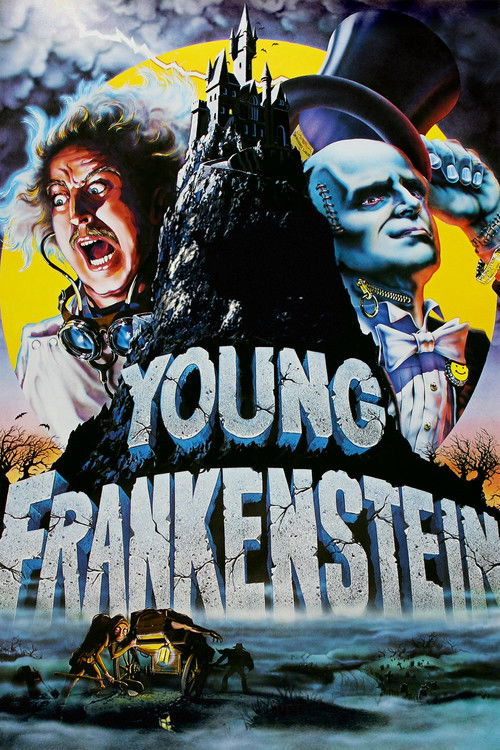
Young Frankenstein1974
Mel Brooks' masterpiece of genre-comedy timing and structure. Winks at horror conventions while building genuinely hilarious set pieces. Gene Wilder at his deadpan best, surrounded by an ensemble that understands restraint alongside chaos.
But Requires patience with 1970s horror tropes and some very broad sexual humour. If slapstick leaves you cold, the cartoonish violence may grate.
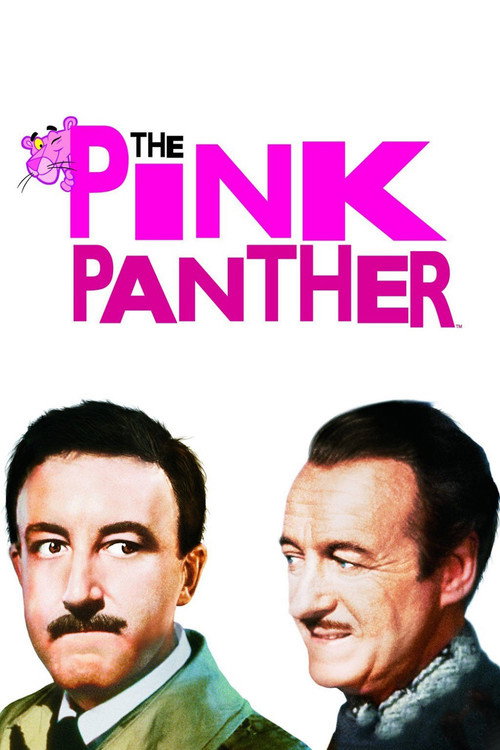
The Pink Panther1963
Peter Sellers as an incompetent detective bumbling through spy thriller mechanics. Physical comedy masquerading as mystery; the plot serves the pratfalls, not vice versa. Elegant construction disguising controlled mayhem.
But Some dated stereotyping and casual cruelty. The comedy is so restrained it can feel distant if you're not in the right mood.
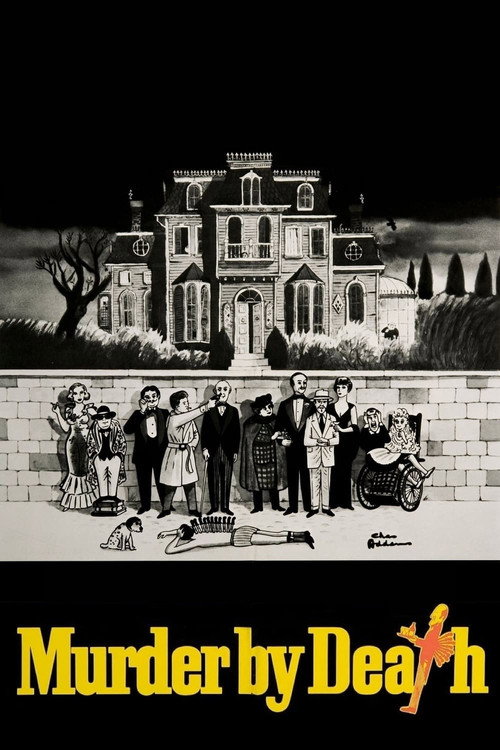
Murder by Death1976
Neil Simon's valentine to detective fiction: famous sleuths gather in a gothic mansion. Star-studded, lovingly absurd, full of wordplay and genre parody that respects what it's mocking. Wicked without ever being mean.
But Relies heavily on knowing the detective archetypes being skewered. Some jokes land as reference rather than comedy if you're unfamiliar with the genre.
Not sure tonight? Get a pick in a minute, starting from The Adventure of Sherlock Holmes' Smarter Brother
The wildcard
Something you would not have found on your own.
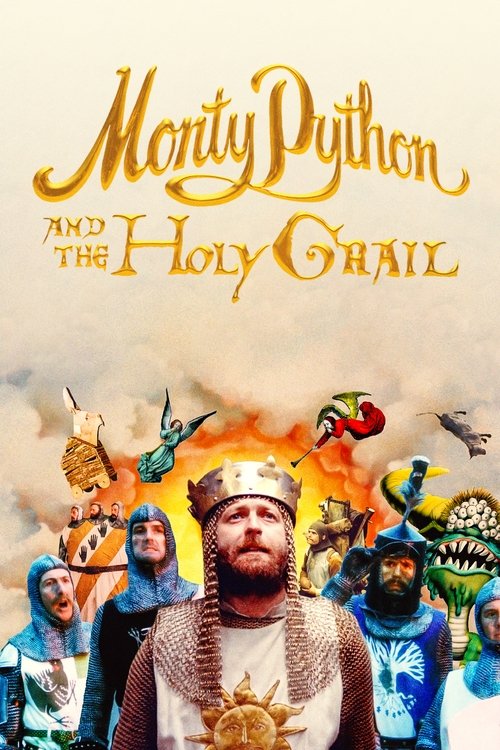
Monty Python and the Holy Grail1975
Two 1975 comedies from opposite sides of the Atlantic, both built on respecting genre enough to destroy it from within.
Released the same year: British absurdism versus American slapstick, both demolishing their source material with equal verve. Knights, coconuts, and philosophical debates that are genuinely hilarious. Entirely different sensibility, same anarchic energy and commitment to premise.
But Much darker, more verbal than Wilder's film. The surrealism requires a different kind of patience. Some sketches meander intentionally, testing whether you'll stay committed.
More like this (8)
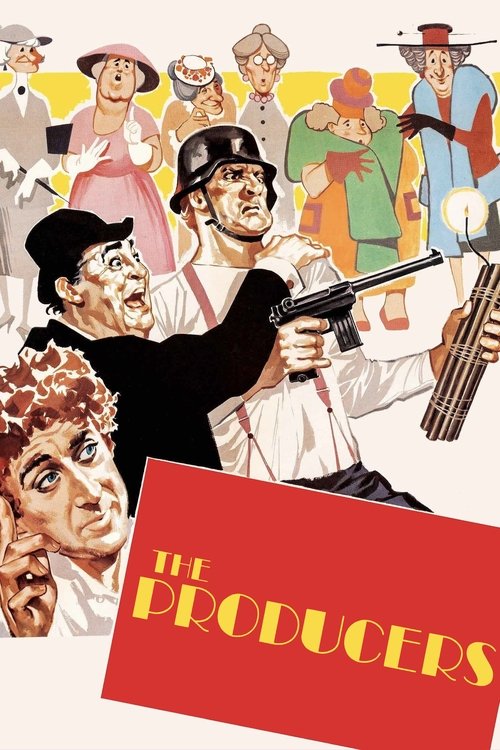
The Producers1968
Mel Brooks' first film: a musical comedy about staging the worst play ever made. Madeline Kahn is here too, radiant and fearless. Anarchic energy, genuine heart, and performances that commit fully to ridiculous premises.
But The 1967 satire of Nazi theatre aesthetics hasn't aged smoothly. Some find its tone queasy rather than funny.
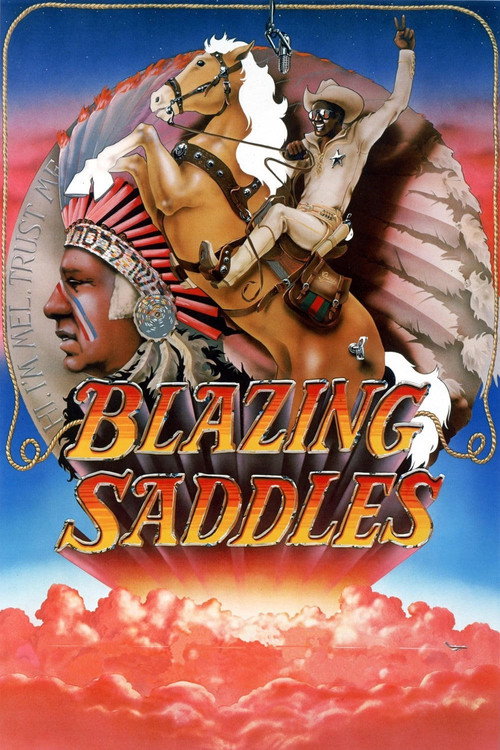
Blazing Saddles1974
Brooks at full anarchic throttle: a Western where every convention is dynamited. Technically brilliant and recklessly funny, with an ensemble that throws themselves into absurdity with genuine joy and skill.
But Heavy on offensive language and crude jokes—deliberately provocative rather than clever. The satire can feel scattered. Extremely not for everyone.
Singin' in the Rain1952
Gene Kelly and Donald O'Connor's physical comedy is precisely calibrated vaudeville meets cinema. Pure joy to watch professionals construct elaborate gags around a plot. Movement-based humour with genuine grace.
But It's a straightforward Hollywood musical. If the MGM style alienates you, the comedy won't compensate. Some find it saccharine.

It Happened One Night1934
Screwball comedy perfected: rapid-fire dialogue, physical mishaps, and character chemistry that sparkles. A couple on the run, constantly at odds, genuinely funny throughout. A template done flawlessly.
But The pacing and style are deeply 1930s. Modern audiences sometimes find screwball rhythms exhausting rather than exhilarating.

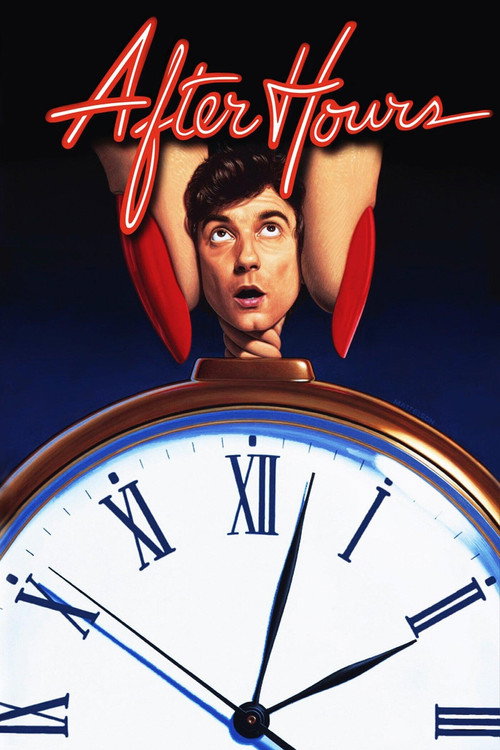
After Hours1985
Scorsese's only comedy: a man trapped in downtown Manhattan's absurdist nightmare. Escalating chaos, surreal logic, paranoia played for laughs. Technically brilliant, genuinely uneasy and hilarious in equal measure.
But Dark, anxious, deliberately alienating. The comedy emerges from dread and social discomfort. Some find it more unsettling than funny.
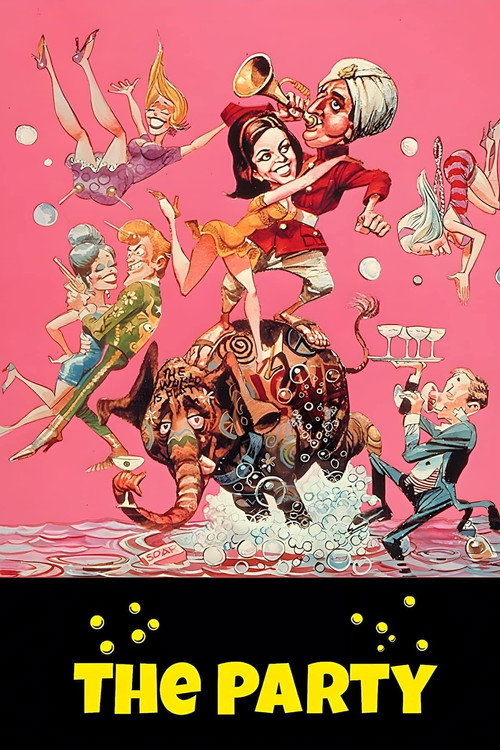
The Party1968
Blake Edwards' mostly-silent comedy: an Indian actor invited to a Hollywood party wreaks wordless havoc on high society. Physical genius from Peter Sellers; the visual gags are endlessly inventive and precisely timed.
But Relies entirely on slapstick and pantomime. Contemporary political messages regarding representation can read as dated or uncomfortable now.
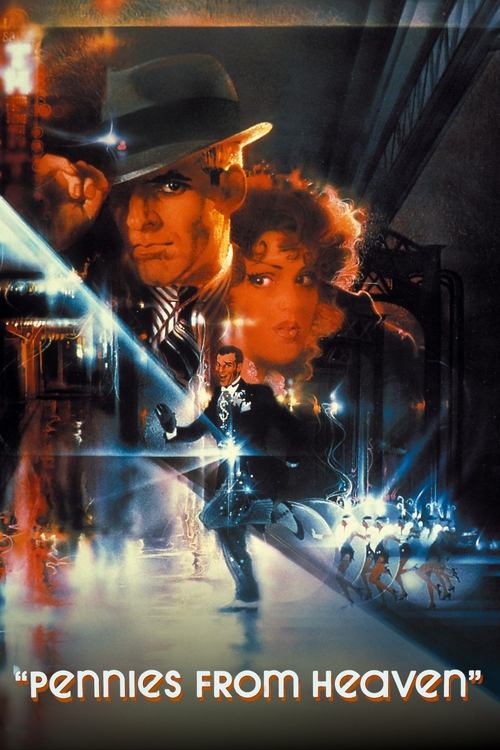
Pennies from Heaven1981
Gene Wilder spent his career playing against anarchic expectations; Martin here inverts his comedic persona completely. Both use genre-mixing to dislocate expectation.
Steve Martin as a depressed sheet-music salesman during the Depression, with elaborate fantasy musical numbers interrupting despair. Tonal whiplash: heartbreaking drama and elaborate song-and-dance coexist without resolution. A man playing against his comedic gifts in a completely serious film.
But Bleak, sexually explicit, determinedly unhappy. Marketed as comedy because of Martin's name but it's genuinely tragic. Some found it bewildering on release and still do.
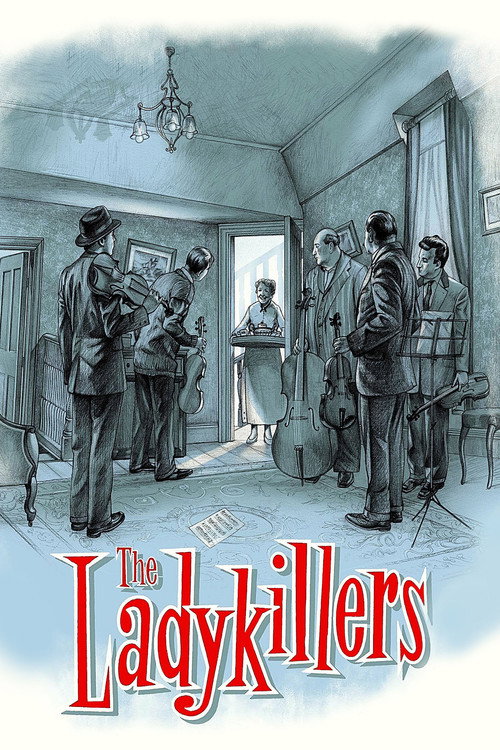
The Ladykillers1955
Mystery-plot as coat rack for comedy; both films understand that genre mechanics are funny if you twist them just slightly off-true. Wilder's messier, this is elegant, same principle.
Ealing Studios' final masterpiece: five criminals posing as musicians to rob a bank, undone by an elderly landlady. British wit instead of American slapstick, plot precision engineered like clockwork, performances of subtle comic acting. Comedy as craft rather than chaos.
But Genteel, methodical, restrained. If you want zany energy, this is the opposite: humour through understatement and cumulative detail. Pacing feels slow to modern audiences.
People
Cast
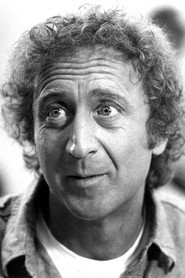 Gene WilderSigerson Holmes
 Madeline KahnJenny Hill
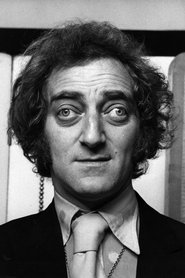 Marty FeldmanSgt. Orville Stanley Sacker
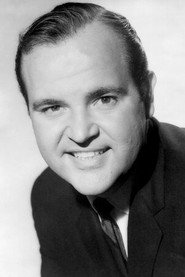 Dom DeLuiseEduardo Gambetti
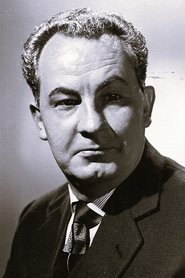 Leo McKernMoriarty
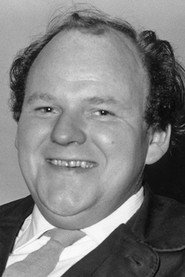 Roy KinnearMoriarty's Assistant
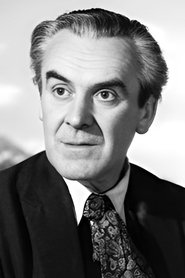 John Le MesurierLord Redcliff
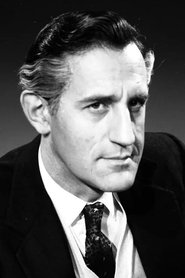 Douglas WilmerSherlock Holmes
- Michael CraneRenato
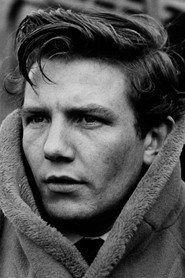 Albert FinneyMan in Audience at Opera
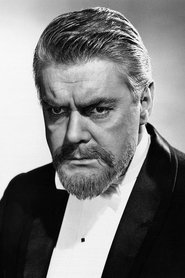 Thorley WaltersDr. Watson
- George SilverBruner
Directing
- David TomblinAssistant Director
- Gene WilderDirector
Writing
- Arthur Conan DoyleCharacters
- Gene WilderWriter
Production
- Charles OrmeAssociate Producer
- Irene LambCasting
- Richard A. RothProducer
- Eric RattrayProduction Manager