
Film
Brewster McCloud
- Absurdist comedy
- Strange
Robert Altman's debut is a shimmeringly strange comedy about a friendless young man building a flying machine inside the Houston Astrodome. It's anarchic, digressive, full of bizarre non sequiturs and sudden tonal shifts—less a plot than a fever dream dressed up as a film. For anyone who finds conventional comedies too neat and Altman's fractured, overlapping style intoxicating.
Should you watch it?
Watch it if you love offbeat satire with a loopy, deadpan streak, the kind of Robert Altman film where overlapping chatter and surreal set pieces feel tossed off mid-argument.
Skip it if you need a story that moves forward, since this one drifts through loose episodes and a lecturer's tangents, and its cool detachment may keep you at arm's length.
What it asks of you: Expect a shaggy, rambling shape and a tone that swings from giggles to cold unease, all packed into about 105 minutes of patient, roving attention.
Not sure? Find tonight's pick in a minute.
If you liked this
M*A*S*H1970
Altman's follow-up is the clearest entry point to his vision: overlapping dialogue, ensemble chaos, and dark comedy about systems that don't serve anyone. If Brewster intrigued you, this crystallizes why he matters.
But It's about war and surgical trauma, so the gags have a nasty edge. Some find the constant scrambled sound mixing exhausting rather than liberating.

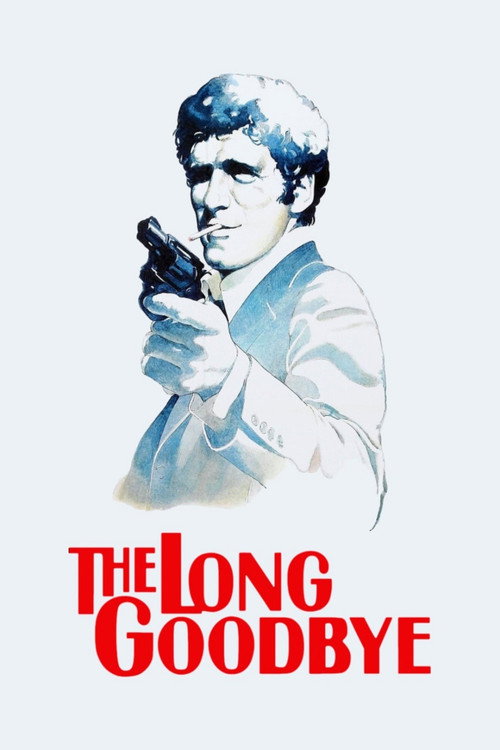
The Long Goodbye1973
Altman deconstructs noir by treating it like real life: mumbled conversations, characters who drift off-focus, a detective nobody respects. The same anarchic sensibility applied to a genre people thought they understood.
But There's no plot in any traditional sense. Elliott Gould's Marlowe is deliberately, almost offensively low-key. Patience required.
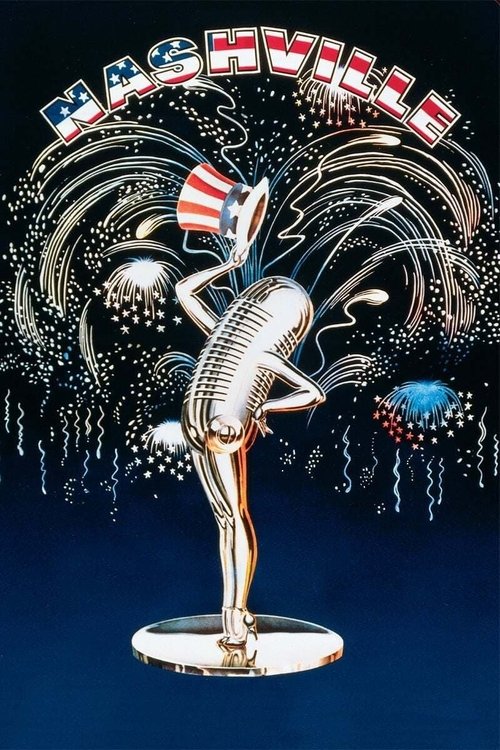
Nashville1975
Altman at his most ambitious: 24 interweaving characters across one day in Nashville, every actor a mini-lead. It's chaotic and exhilarating, a city as protagonist, songs and politics and sex braided together.
But Nearly three hours with minimal conventional structure. You spend half the film not sure who anyone is. Some resent that deeply.
Not sure tonight? Get a pick in a minute, starting from Brewster McCloud
The wildcard
Something you would not have found on your own.
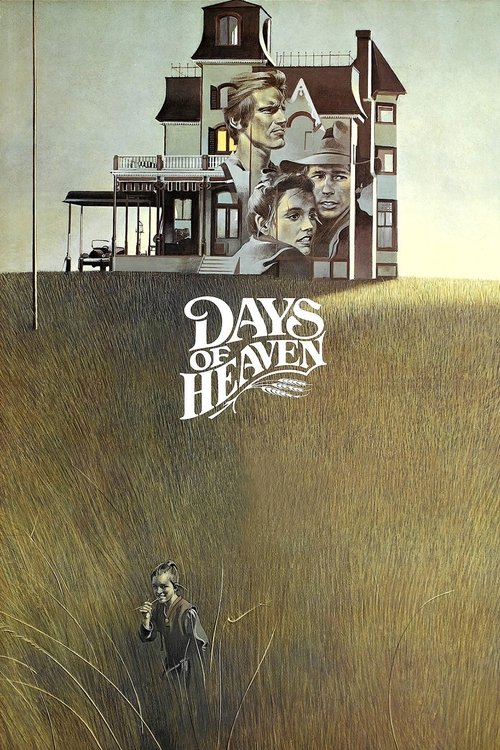
Days of Heaven1978
Both films privilege feeling and dream-state over narrative coherence; both are structured like a consciousness rather than a three-act story. The alienated boy at the center of each is really the landscape itself.
Not a comedy, but Terrence Malick captures the same dream-drunk logic as Brewster—a film about the beauty and strangeness of being alive, shot like a fever dream, full of digressions into landscape and feeling. A boy's inner world made visible.
But It's glacially slow and almost plotless. The narration is enigmatic rather than explanatory. Some find it pretentious or sleep-inducing.
More like this (8)
Catch-221970
Pre-Altman but spiritually kindred: a war comedy that treats absurdity as the only sane response to insane systems. Surreal, digressive, dark as anything Altman made. Finds comedy in horror.
But Deliberately disorienting. Multiple characters, fractured timeline, and a tone that swings wildly. It frustrates people looking for narrative thrust.

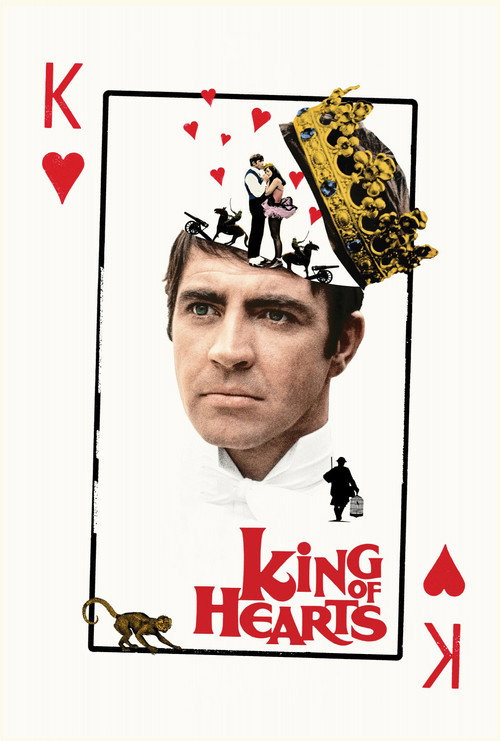
King of Hearts1966
A madman's-eye view of war: a Scottish soldier finds an entire town of liberated asylum patients running an idyllic community. Tender surrealism, the same dream-logic as Brewster but warmer and more lyrical.
But Deeply whimsical. The sweetness reads as saccharine to some. The plot meanders so much that it's barely there.
Singin' in the Rain1952
Gene Kelly and Donald O'Connor in pure joy and anarchy. The musical numbers feel like interruptions to the narrative; the movie exists for those moments of flight and impossibility, same as Brewster exists for the dream of flying.
But It's a classic, so you might expect reverence. It's actually pretty silly and loose. Some want their musicals more disciplined.

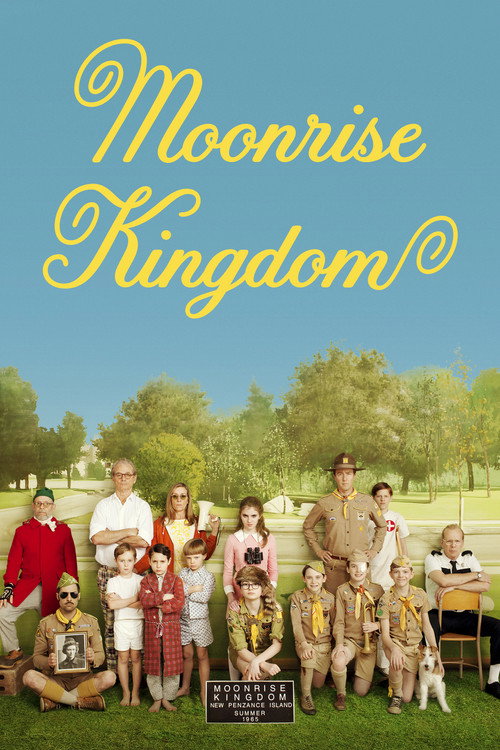
Moonrise Kingdom2012
Wes Anderson's twee precision applied to a story about misfits building their own world. That same childhood dream-logic, but aestheticized. Two odd kids decide the real world isn't for them.
But Anderson's style is so controlled it can feel cold. If you want messy and unruly like Brewster, this is too choreographed.
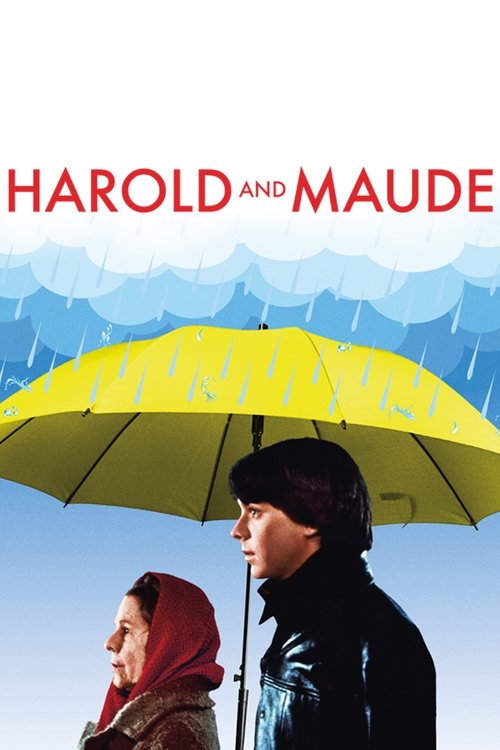
Harold and Maude1971
Released the same year as Brewster, another comedy about a strange young man living in his own reality. Sweetly anarchic, full of songs and suicide jokes and genuine weirdness, with actual heart underneath.
But The plot is sentimental underneath the weirdness. Some find that comforting; others find it undercuts the strangeness.
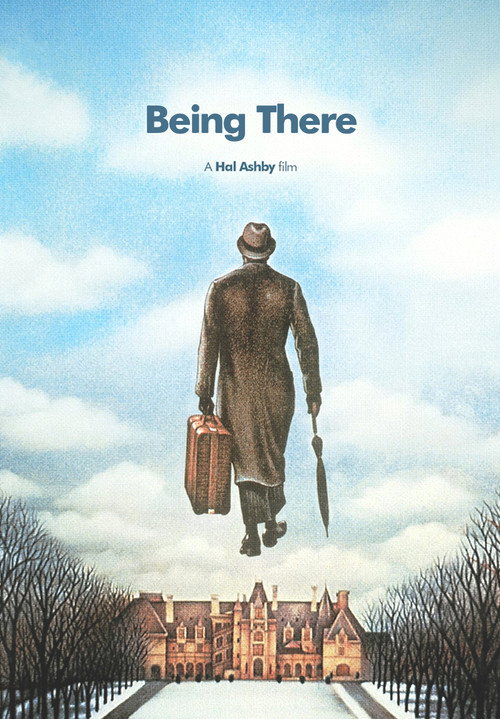
Being There1979
Peter Sellers as a man who's watched only television forced to navigate the real world. A comedy about how disconnected from reality someone can be—similar theme to Brewster, same dark undercurrent about loneliness and performance.
But It's more measured and meditative than wild. The satire can feel too obvious and the pacing deliberate. Needs patience.
Synecdoche, New York2008
Both are about obsessive male artists building impossible structures to escape loneliness. Both suggest that flight—literal or metaphorical—might be indistinguishable from death. Both use a confined space as both prison and temple.
Charlie Kaufman's sprawling, heartbreaking vision of a theater director building a life-sized replica of New York inside a warehouse. Like Brewster, a man creating his own reality inside a contained space; like Brewster, it collapses the line between dream and ruin.
But It's dense, exhausting, emotionally taxing. The repeated scenes blur together on purpose. The ending dismantles almost everything the film built. Not a date movie.

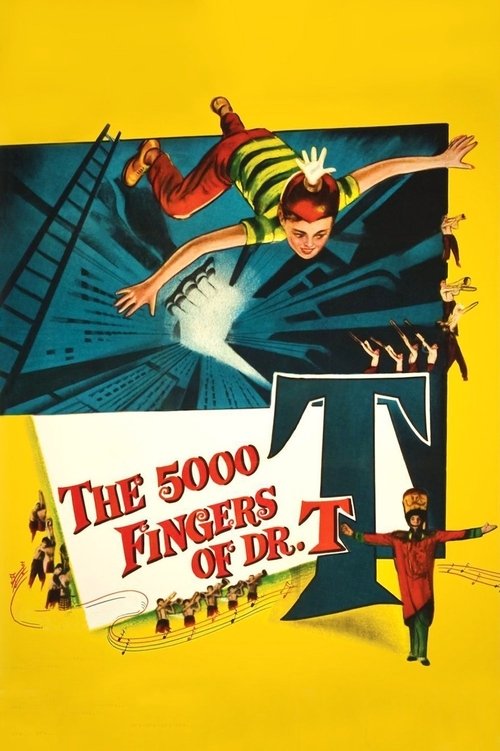
The 5,000 Fingers of Dr. T.1953
Both are surrealist comedies where a boy's inner world becomes physical architecture. Both mix childlike wonder with genuine unease. Both treat flight—escaping upward—as the only possible resolution.
Dr. Seuss's only original screenplay: a boy trapped in a nightmare castle built by a mad music teacher, escaping into surrealist set pieces. It's a fever dream in color, anarchic and unsettling, treating childhood terror and ecstasy as the same thing.
But It's weird in ways that don't resolve or make sense. The production is theatrical and stagey. Some find it more disconcerting than fun, more therapy than entertainment.
People
Cast
 Bud CortBrewster
 Sally KellermanLouise
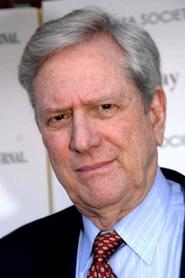 Michael MurphyShaft
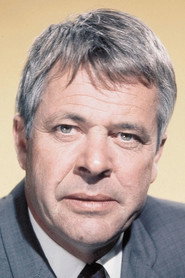 William WindomWeeks
 Shelley DuvallSuzanne
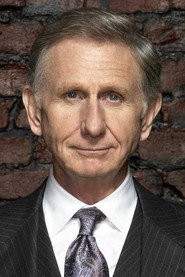 René AuberjonoisThe Lecturer
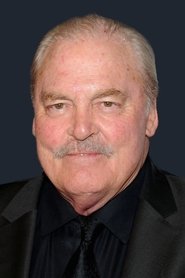 Stacy KeachAbraham Wright
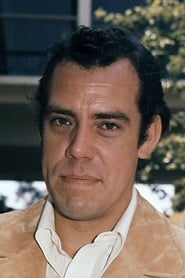 John SchuckJohnson
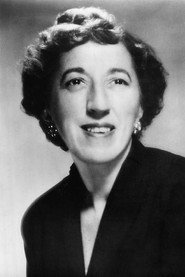 Margaret HamiltonDaphne Heap
 Jennifer SaltHope
 Corey FischerHines
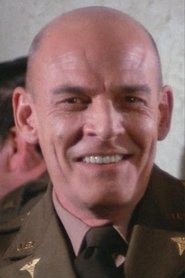 G. WoodCrandall
Directing
- Tommy ThompsonAssistant Director
- Robert AltmanDirector
- Lou LombardoSecond Unit Director
Writing
- Doran William CannonWriter
Production
- James MargellosAssociate Producer
- Robert EggenweilerAssociate Producer
- Gary ChasonCasting Director
- James MargellosProducer
- Lou AdlerProducer
Recommended by
Alice's Restaurant, Suppose They Gave a War and Nobody Came?