
Film
The Magic Christian
- Satire
- Strange
A surreal 1969 comedy where the world's richest man and his adopted protégé stage elaborate pranks to prove everyone has a price. Bizarre, anarchic, sometimes funny and sometimes bewildering, it's a curio that luxuriates in absurdism and celebrity cameos. For viewers who value weirdness and don't need jokes to land to be entertained.
If you liked this
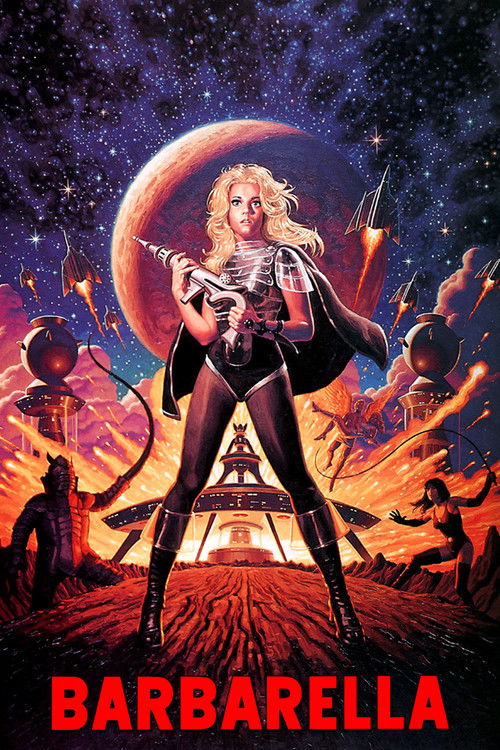
Barbarella1968
A similarly campy, visually audacious space-age romp where plot takes a backseat to surreal set-pieces, celebrity guests, and the sheer fun of watching talented people be delightfully ridiculous.
But It's deliberately silly in ways that require patience; the satire is gentle and the pacing meandering, so if you want tight plotting or consistent laughs, you'll be frustrated.
Catch-221970
Another absurdist dark comedy about systems designed to grind down the human spirit, with an ensemble cast delivering deadpan performances in increasingly surreal situations that mirror real bureaucratic madness.
But It's long, digressive, and the humor is bleak and frequently uncomfortable rather than warm. The satire can feel heavy-handed by modern standards.

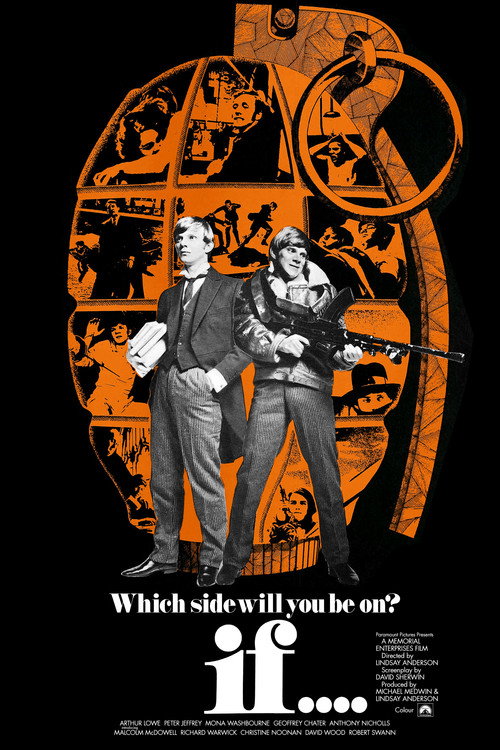
if....1968
A provocative British film that uses surrealism and schoolboy anarchism to attack authority and conformity, mixing realism with dream logic in ways that feel genuinely transgressive and strange.
But It's quite dark and genuinely disturbing at times, especially toward the end. The pacing is slow and the politics dated, which can make it feel more like a museum piece than a living film.
Not sure tonight? Get a pick in a minute, starting from The Magic Christian
The wildcard
Something you would not have found on your own.
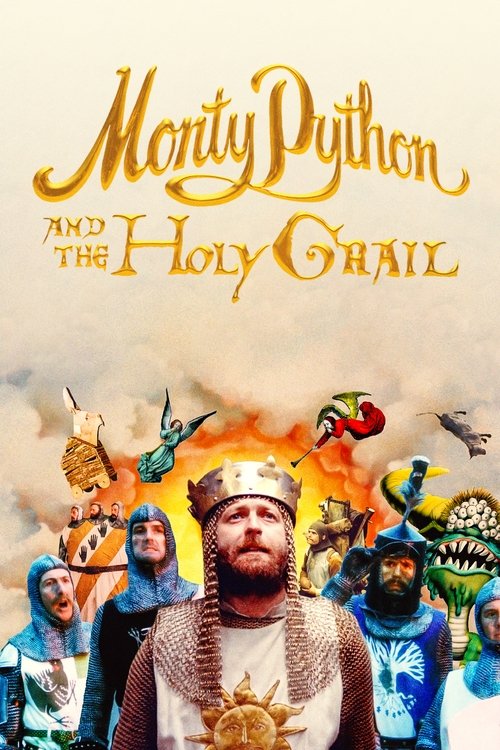
Monty Python and the Holy Grail1975
Both films build worlds where absurdist rules matter more than reality, both are British comedy teams experimenting with what cinema allows, both prove that plot is optional.
British surrealism meets comedy sketch sensibility; like Magic Christian it treats absurdity as doctrine and expects you to laugh at the logic of dreams rather than jokes. Same anarchic energy, clearer execution.
But Heavily quotable, which means the culture has worn grooves in it; watching it fresh is nearly impossible. Also genuinely patchy—some sketches land and some don't.
More like this (8)
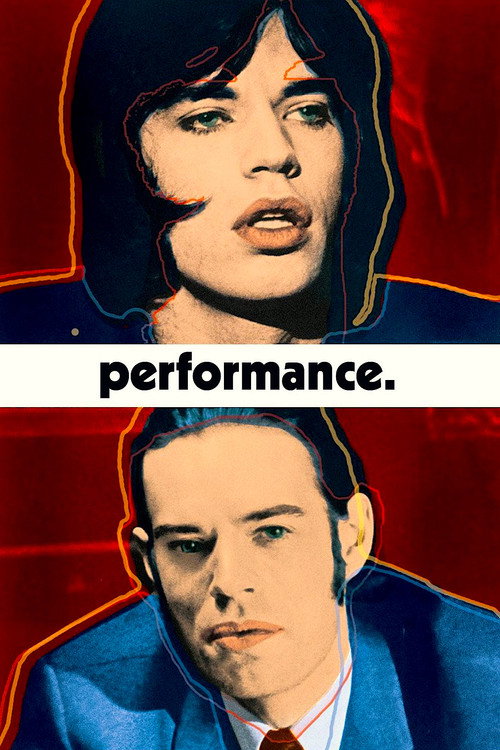
Performance.1970
A trippy, experimental crime film where plot dissolves into atmosphere and psychology; like Magic Christian, it revels in disorientation and the collision of high and low culture, with a dreamlike visual style.
But It's genuinely difficult to parse, sometimes incoherent, and openly hostile to narrative clarity. It also contains violence and sexual content that some will find exploitative.
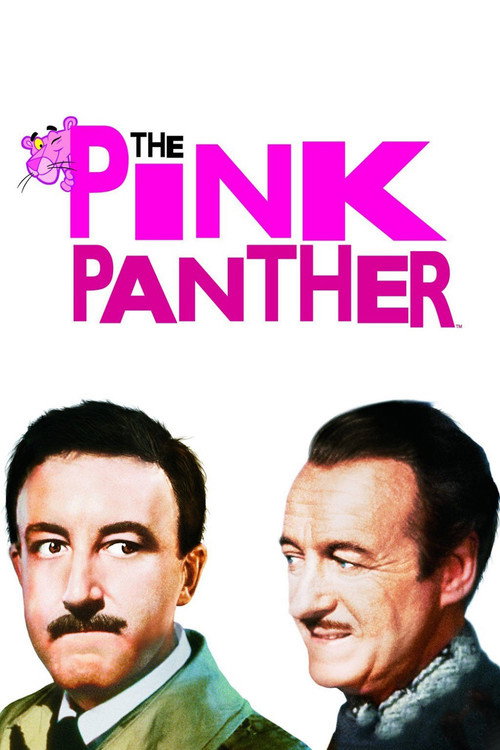
The Pink Panther1963
Peter Sellers at his finest in a farce where absurdist humor and physical comedy create a world where nothing quite makes sense and that's the whole point. Endlessly inventive.
But Sellers' accent and mannerisms are extremely broad and will grate on anyone who doesn't find them charming. The plot is genuinely thin.
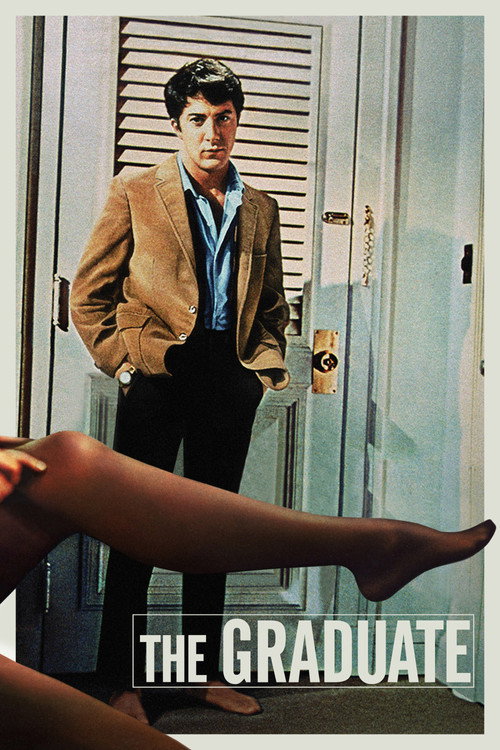
The Graduate1967
A sharp comedy about youth and alienation in the 1960s, with deadpan performances and a satirical edge that skewers conformity and social expectation without losing heart or humanity.
But The satire is fairly obvious now, and the film's politics around women are uncomfortable by modern standards. It's also far more earnest than Magic Christian.
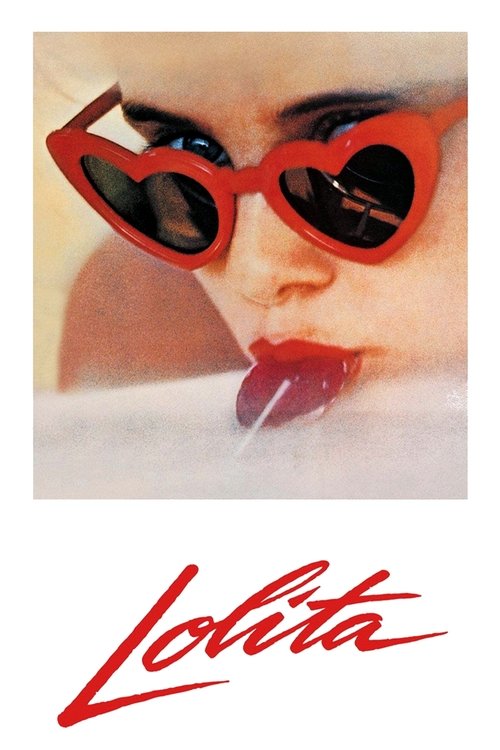
Lolita1962
Stanley Kubrick's deliberately misanthropic dark comedy that uses black humor and perverse charm to make viewers complicit in something unsettling. Sellers is excellent in a smaller role that shows his range.
But The subject matter is deeply disturbing and the satire isn't always kind. It's also extremely long and sometimes feels deliberately tedious.
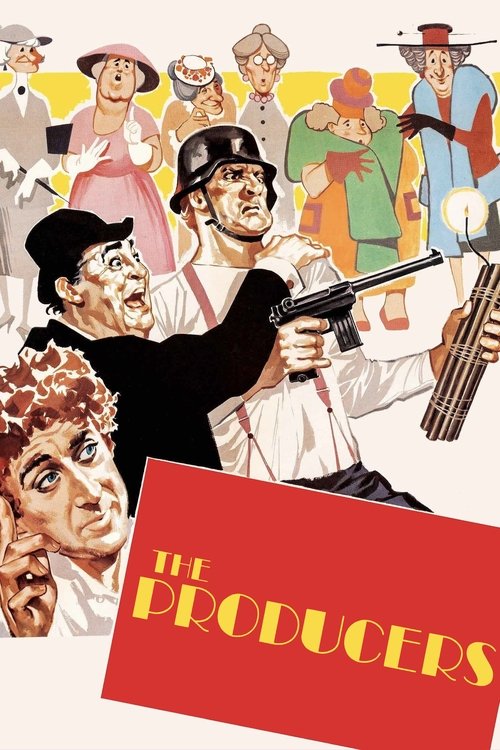
The Producers1968
Mel Brooks's debut is anarchic, crude, hilarious chaos where two con men plot their masterpiece through musical numbers and increasingly unhinged performances. The energy is infectious.
But The humor is juvenile and rarely subtle. Some jokes are genuinely offensive by any standard and feel motivated purely by the shock value.
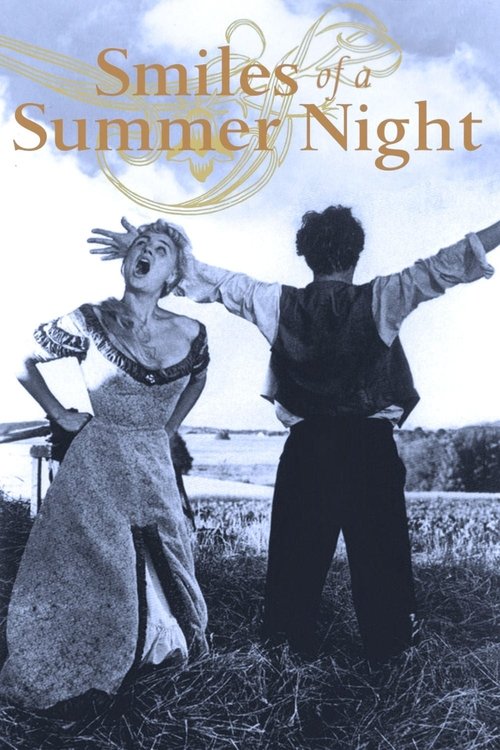
Smiles of a Summer Night1955
Bergman's elegant comedy about desire, marriage, and the masks we wear, with a sophisticated rhythm and genuine warmth beneath the farce. It proves absurdist comedy can be intelligent without losing its humanity.
But It's in Swedish, subtitled, and moves at its own stately pace. The humor is refined and sometimes whisper-quiet; it requires active attention rather than passive laughter.
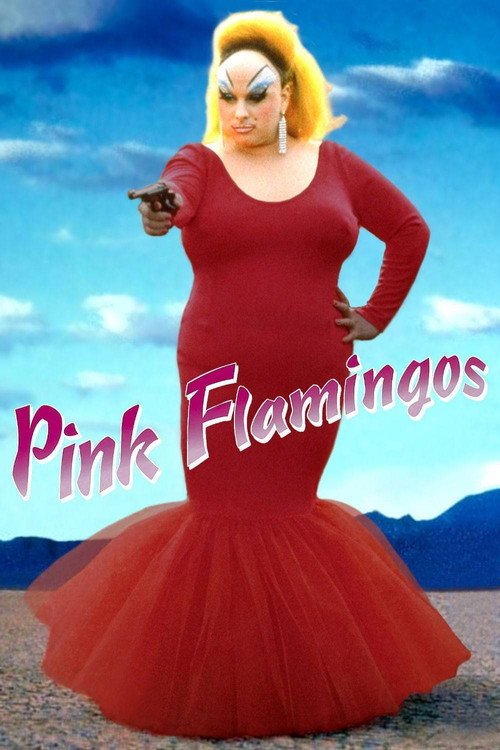
Pink Flamingos1972
Both use extreme wealth and extreme poverty as comedy platforms, both ask how far cinema can go, both employ shock not just as a tool but as the point itself.
John Waters's transgressive masterpiece uses deliberate bad taste and shock value as its entire substance, celebrating society's outcasts through gleeful depravity. It's the anti-establishment satire Magic Christian was reaching for but couldn't quite grasp.
But It's intentionally disgusting and obscene in multiple registers; scenes involving actual sewage exist. It's not edgy, it's hostile, and many will find it unwatchable rather than entertaining.
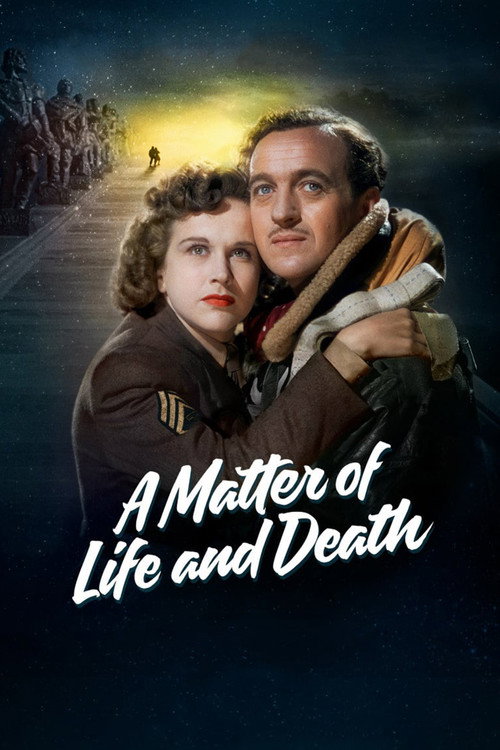
A Matter of Life and Death1946
Both films prioritize visual and tonal weirdness over narrative coherence, both use high production value to sell ideas that shouldn't work, both trust the audience to follow dream-logic rather than plot.
Powell and Pressburger's extravagant Technicolor dream-logic fantasia where the supernatural is treated with absolute seriousness and visual invention carries the film. It's magical realism from people who understood spectacle.
But It's in earnest where Magic Christian is cynical, and extremely long. The colored filters and theatrical sets will look stagey rather than fantastical to modern eyes; it demands acceptance of its own logic.
People
Cast
 Peter SellersSir Guy Grand KG, KC, CBE
 Ringo StarrYoungman Grand, Esq.
- Isabel JeansDame Agnes Grand
 Caroline BlakistonHon. Esther Grand
 Wilfrid Hyde-WhiteCaptain Reginald K. Klaus
 Spike MilliganTraffic Warden
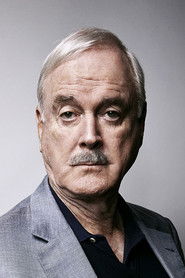 John CleeseDirector in Sotheby's
 Richard AttenboroughOxford Coach
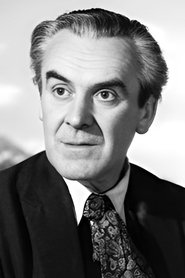 John Le MesurierSir John
 Raquel WelchPriestess of the Whip
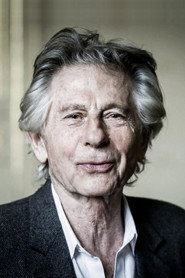 Roman PolanskiSolitary Drinker
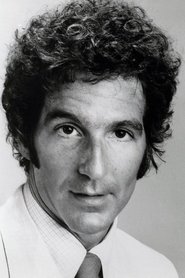 Leonard FreyLaurence Faggot
Directing
- Roger SimonsAssistant Director
- Maggie UnsworthContinuity
- Joseph McGrathDirector
- Ray FreebornSecond Assistant Director
Writing
- Terry SouthernNovel
- Joseph McGrathScreenplay
- Terry SouthernScreenplay
Production
- John MerrickCasting
- Anthony B. UngerExecutive Producer
- Henry T. WeinsteinExecutive Producer
- David GriffithLocation Manager
- Denis O'DellProducer
- Victor PeckProduction Manager
Recommended by
Do Not Adjust Your Set, Candy, The Magnificent Seven Deadly Sins, Suppose They Gave a War and Nobody Came?