
Film
The Public Eye
A scrappy tabloid photographer navigates New York's underbelly, chasing crime scenes and moral ambiguity in equal measure. Joe Pesci plays it surprisingly tender here—less wiseguy, more obsessive artist. It's a character study wrapped in noir trappings, atmospheric and melancholy, for anyone who finds the hunt more interesting than the catch.
If you liked this
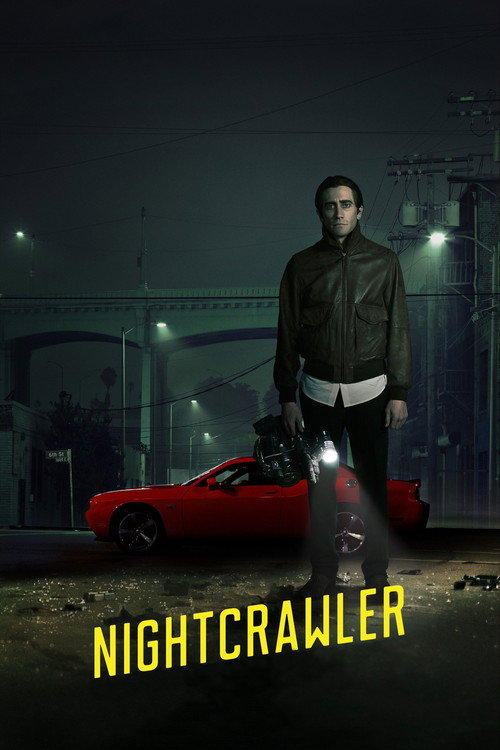
Nightcrawler2014
Jake Gyllenhaal as an amoral LA stringer who'll do anything for footage. Same DNA as The Public Eye—the camera as weapon, the photographer as predator, the line between documenting crime and causing it.
But It's deliberately nauseating and doesn't offer much moral comfort. Relentlessly bleak in ways that some find punishing rather than illuminating.
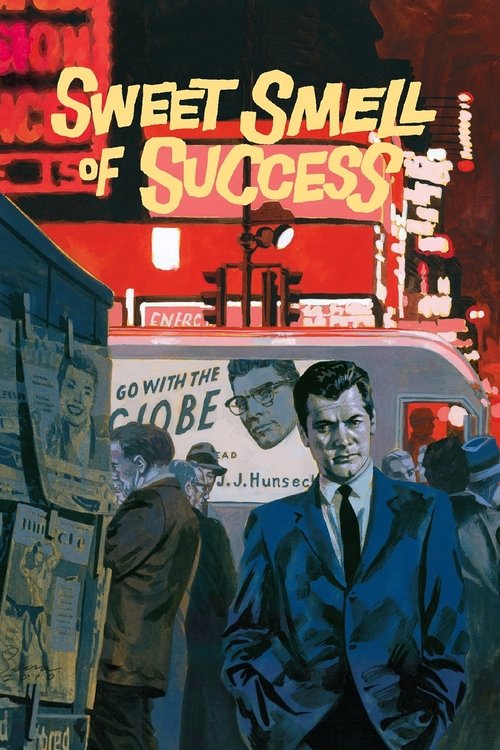
Sweet Smell of Success1957
Corrosive New York drama about a gossip columnist and a press photographer locked in mutual destruction. Poisonous dialogue, gorgeous shadows, the same seedy journalism world but from the inside.
But Shot in high contrast black-and-white that can feel theatrical. The pacing is deliberate—this isn't a thriller that propels you forward.
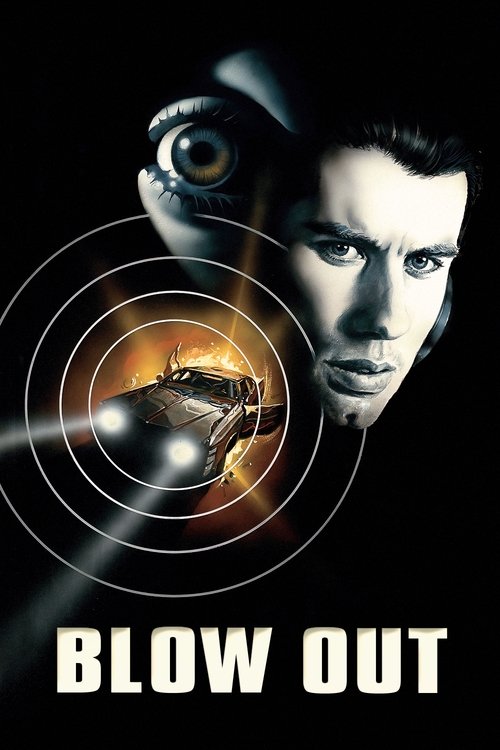
Blow Out1981
Brian De Palma's masterpiece about a sound engineer who records something terrible and becomes entangled in conspiracy. Obsession, technical craft, paranoia, and a protagonist who can't stop digging.
But The final act is genuinely upsetting. De Palma's visual style feels mannered to some—more interested in form than naturalism.
Not sure tonight? Get a pick in a minute, starting from The Public Eye
The wildcard
Something you would not have found on your own.
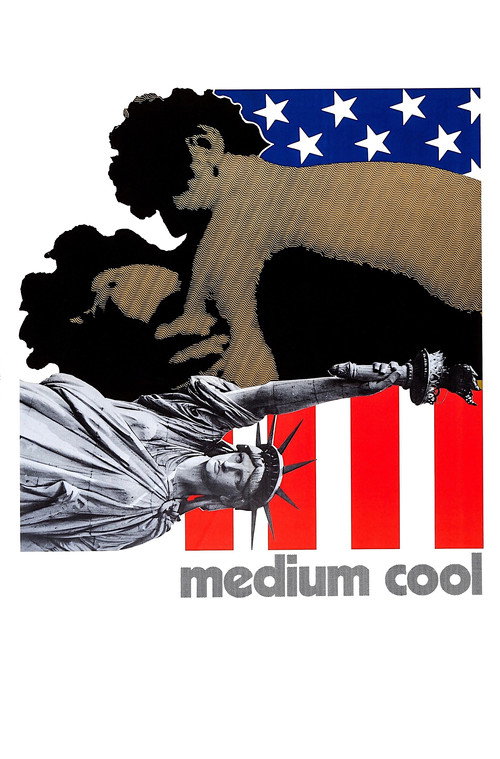
Medium Cool1969
Both films are about photographers as witnesses and implicated actors. Neither lets the camera be innocent. Both ask whether documenting something makes you complicit in it.
Haskell Wexler's semi-documentary about a TV cameraman during the 1968 Chicago riots. Gorgeous handheld cinematography, real footage mixed with fiction, a man watching violence through glass. The definitive film about what it means to point a camera at suffering.
But It's experimental and sometimes shapeless. The politics are dated in their expression, though not their substance. You have to meet it halfway.
More like this (8)
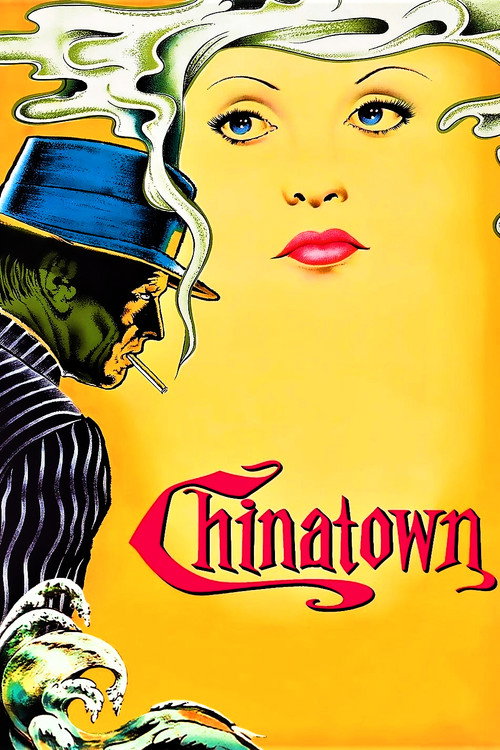
Chinatown1974
Jack Nicholson as a LA private detective pulled into murky water. The gold standard for neo-noir corruption: beautiful, smart, and suffused with the idea that looking too closely costs you.
But It's been canonized to death. If you're looking to be surprised rather than confirmed in good taste, this might feel inevitable.
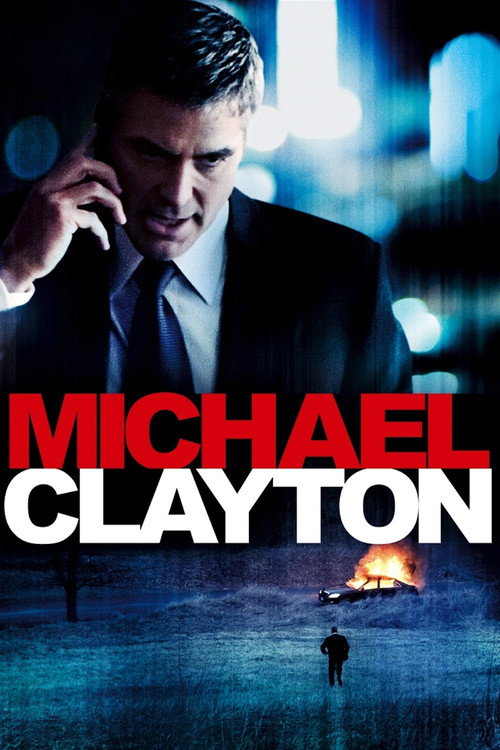
Michael Clayton2007
George Clooney navigating corporate conspiracy with the weariness of someone who's seen too much. Deliberately paced, morally complex, interested in systems rather than action beats.
But Plot-heavy in ways that can feel convoluted on first watch. The reveal isn't as satisfying as the atmosphere that precedes it.
The Killing1956
Kubrick's jewel-box noir about a racetrack heist. Fractured chronology, fatalism, the sense that everyone's already doomed before we meet them. Lean and nasty and perfect.
But It's 85 minutes and moves fast—some beats land subtly and you can miss them. No hand-holding.

L.A. Confidential1997
Three LA cops in the 1950s chasing darkness in their own department. Gorgeous period detail, genuine thrills, and the kind of ensemble cast that makes every scene snap.
But If you want moral ambiguity, this is slightly more conventional than The Public Eye. Cleaner story, which some will prefer and some will find less interesting.
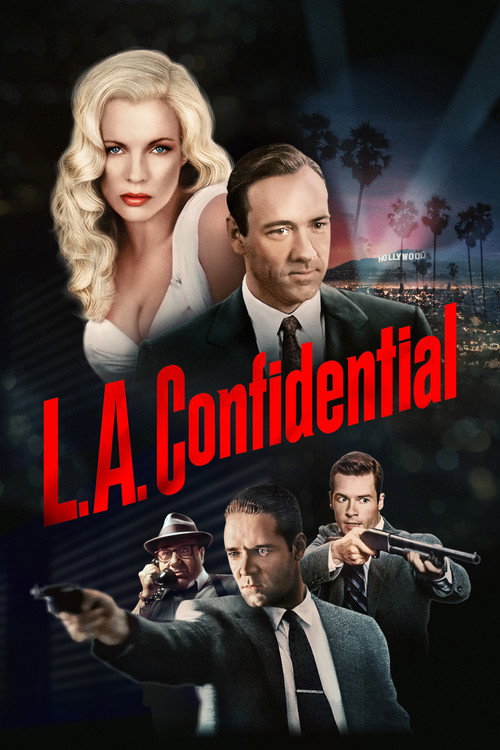
Serpico1973
Al Pacino as a cop trying to expose corruption from inside the NYPD. Angry, street-level, shot with genuine New York texture. A man versus a system that wants him gone.
But Takes its rage seriously—there's not much levity. If you want entertainment rather than indictment, it can feel grinding.
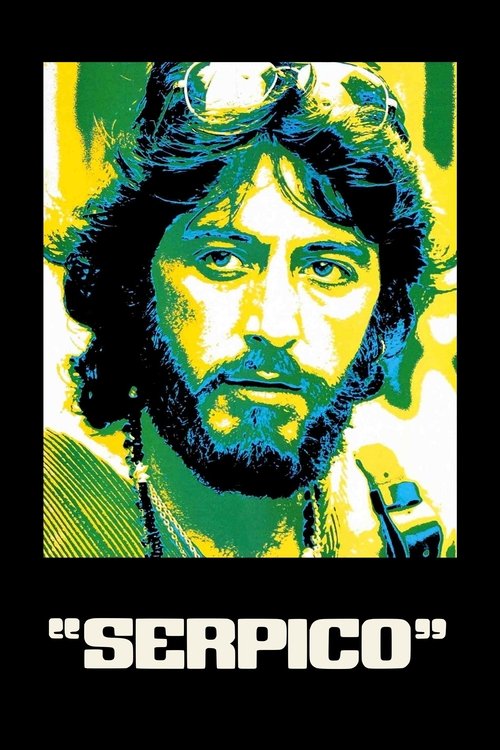
In a Lonely Place1950
Humphrey Bogart as a volatile screenwriter accused of murder. Paranoid, intimate, interested in how suspicion poisons everything. Hollywood noir from the inside.
But Bogart's character is genuinely difficult to like. The film is more interested in mood than plot, which can feel frustrating if you want forward momentum.

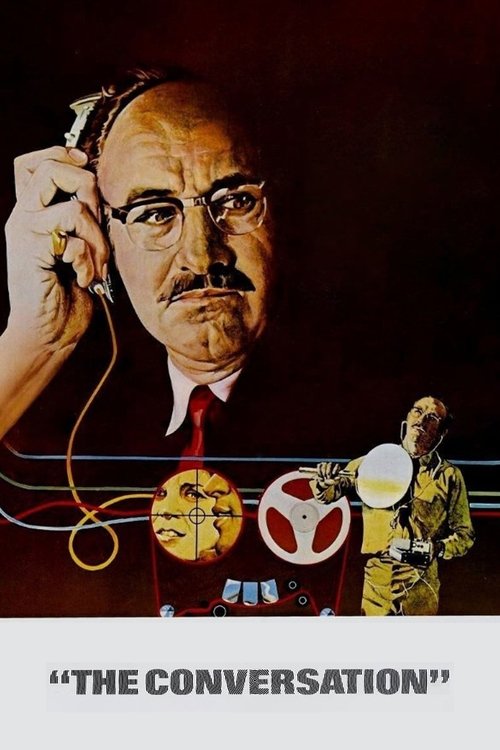
The Conversation1974
Both are about specialists (photographer, sound man) who become entangled in conspiracies larger than themselves. Both suggest that obsession with detail blinds you to the bigger picture. Both are absolutely paranoid about systems.
Coppola's paranoid masterpiece: Gene Hackman as a surveillance expert slowly destroyed by what he's heard. Meticulous, creeping dread, the inverse of The Public Eye—instead of chasing images, he's trapped by sound. A man consumed by evidence.
But Pacing that feels glacial to some. Long stretches of technical work with minimal dialogue. If you want plot momentum, this is not your film.
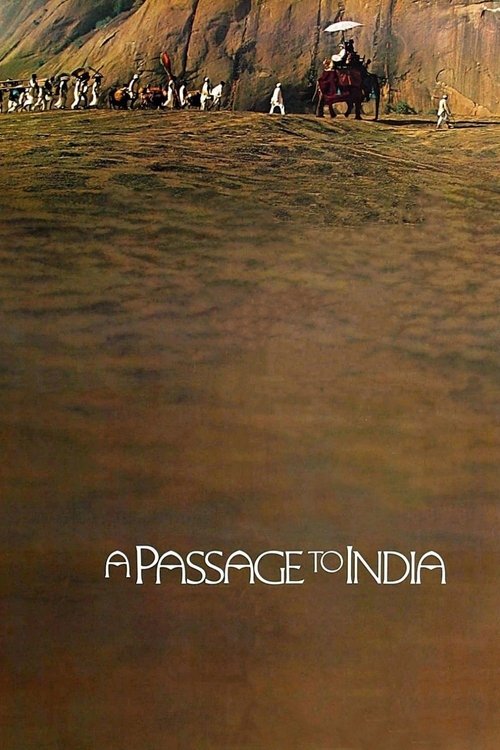
A Passage to India1984
Like The Public Eye, it's about documentation and evidence as unstable things. What someone sees, or claims to have seen, becomes more real and more dangerous than what actually happened. Both films distrust straightforward narrative.
Lean's final film: Judy Davis as a young woman in colonial India whose testimony during a trial becomes a weapon she can't control. Vast, intimate, about how a witness becomes a problem. Staggeringly beautiful and morally complex.
But Three-and-a-half hours. Epic in scale and can feel slow. The moral ambiguity extends all the way through—there's no comfortable resolution.
People
Cast
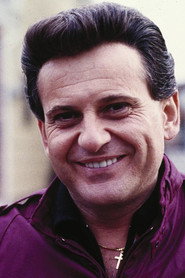 Joe PesciLeon Bernstein
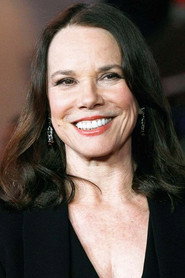 Barbara HersheyKay Levitz
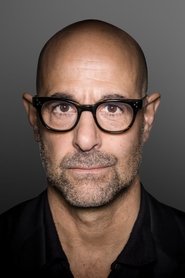
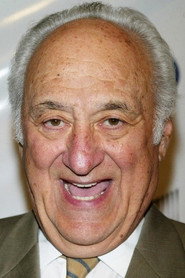 Jerry AdlerArthur Nabler
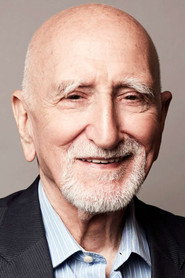 Dominic ChianeseSpoleto
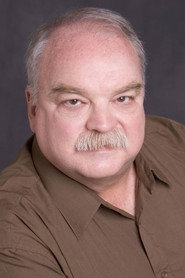 Richard RiehleOfficer O'Brien
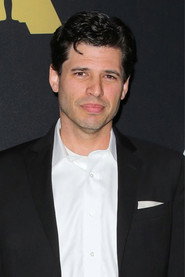 Max BrooksTeen at Thompson Street
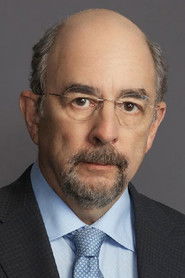 Richard SchiffPhotographer - Thompson Street
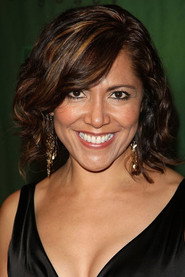 Laura CerónPuerto Rican Woman
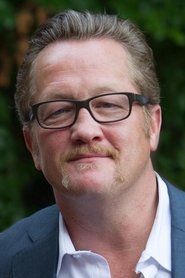 Christian StolteAmbulance Attendant
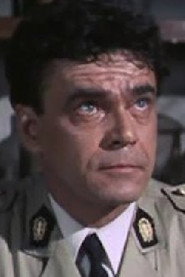 Jack DenboPhoto Editor
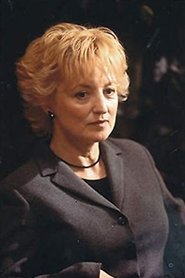 Ellen McElduffLonely Woman at Drugstore
Directing
- Howard FranklinDirector
- Charles MyersFirst Assistant Director
- Eric JewettFirst Assistant Director
- Gregory Kent SimmonsSecond Assistant Director
- W. Thomas SnyderSecond Assistant Director
Writing
- Howard FranklinWriter
Production
- Donna IsaacsonCasting
- Robert ZemeckisExecutive Producer
- Raquel OsborneExtras Casting
- Sue Baden-PowellProducer
- Laura GreenleeProduction Supervisor
- Sue Baden-PowellUnit Manager