
Film
Unprecedented: The 2000 Presidential Election
A rigorous documentary examination of the 2000 Florida recount and its constitutional aftermath. Directors Perez and Sekler methodically document voting irregularities, purged voter rolls, and the machinery failures that shaped a presidency. Essential viewing for anyone who lived through that moment or wants to understand how fragile electoral systems truly are.
Should you watch it?
Watch it if you want a tight, pointed case study in how a razor-thin vote got contested, and you enjoy watching archive footage and interviews build an argument piece by piece.
Skip it if you need balanced reporting or deep legal detail; this is a one-sided polemic under an hour, so nuance gets sacrificed for momentum.
What it asks of you: Roughly fifty minutes of sustained attention to counts, dates and procedure, moving at an indignant clip rather than a leisurely one.
Not sure? Find tonight's pick in a minute.
If you liked this
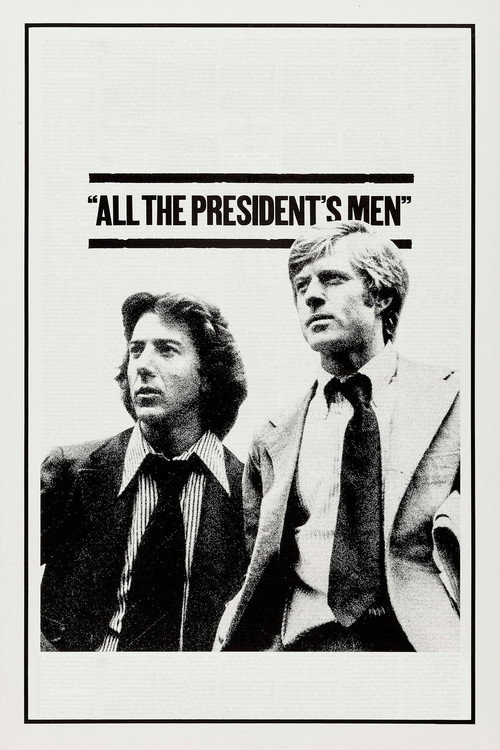
All the President's Men1976
The template for investigative journalism cinema. Woodward and Bernstein chase a conspiracy through bureaucratic labyrinths with the same meticulous patience Unprecedented brings to Florida's voting records. It asks the same question: who watches the watchers?
But The pacing is deliberate to the point of stateliness. If you want speed and revelation, you'll find neither here.
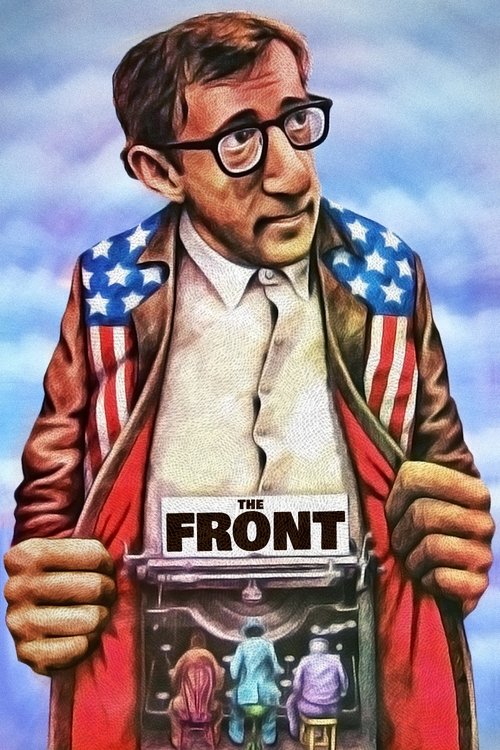
The Front1976
Sidney Lumet's sharp-toothed film about blacklisting and institutional cowardice. Like Unprecedented, it watches systems crush individuals and asks whether institutions can be trusted to police themselves.
But It's a message picture, and message pictures age. The writing can feel a bit on-the-nose.
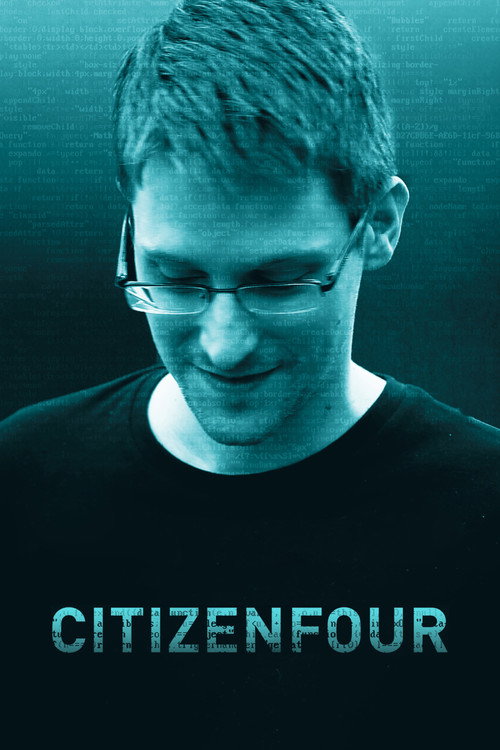
Citizenfour2014
Poitras's portrait of state power overreach in real time. Both films watch institutions operate in the shadows and ask what citizens deserve to know. The parallel is structural, not partisan.
But This is surveillance paranoia, which feels different from electoral mechanics. The connection requires some intellectual legwork.
Not sure tonight? Get a pick in a minute, starting from Unprecedented: The 2000 Presidential Election
The wildcard
Something you would not have found on your own.
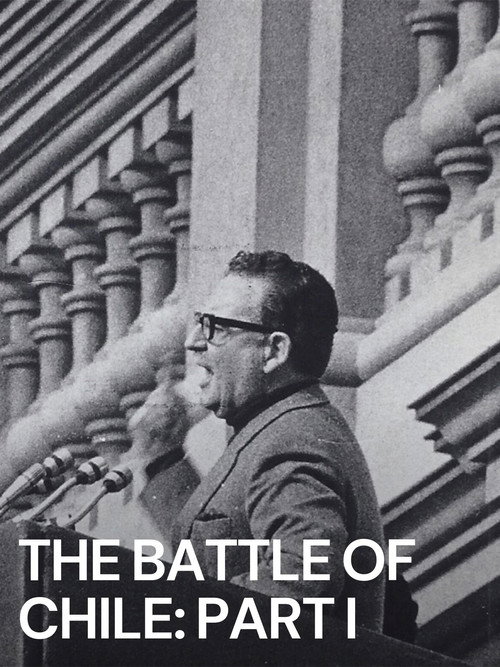
The Battle of Chile: Part I1975
Both documents the moment a democracy's machinery fails visibly, and asks viewers to understand that these systems are not automatic—they depend on people not breaking them.
Patricio Guzmán's three-part documentary about the 1973 Chilean coup and the machinery of democratic collapse. It watches institutional failure happen in real time, with the same forensic attention to how systems break. The political scale is enormous—a government falling, not an election decided—but the grammar is identical: watch the machinery, watch who controls it, understand that democracies are fragile.
But It's three hours, shot on 16mm in chaotic conditions, and emotionally devastating. The pacing is glacial and the outcome known. Tremendous endurance required.
More like this (5)
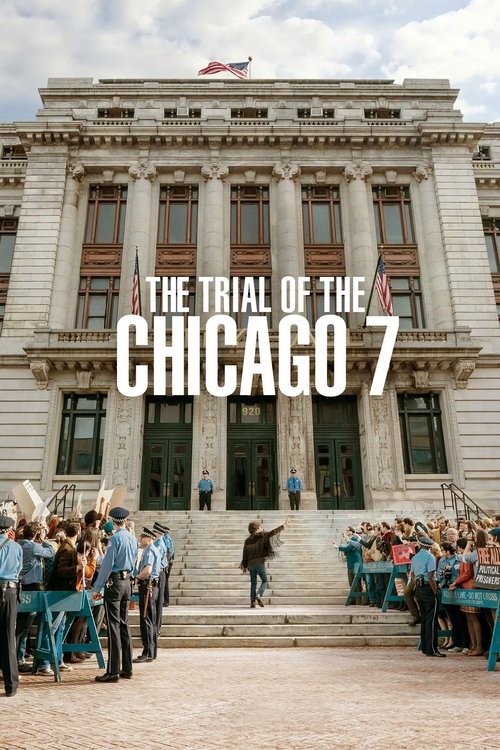
The Trial of the Chicago 72020
Sorkin's courtroom thriller about a system under stress and the question of who decides justice. It shares Unprecedented's fascination with what happens when institutions crack under pressure.
But It's a glossy prestige picture, not a documentary screed. The tone is completely different, which some will find tonally jarring.
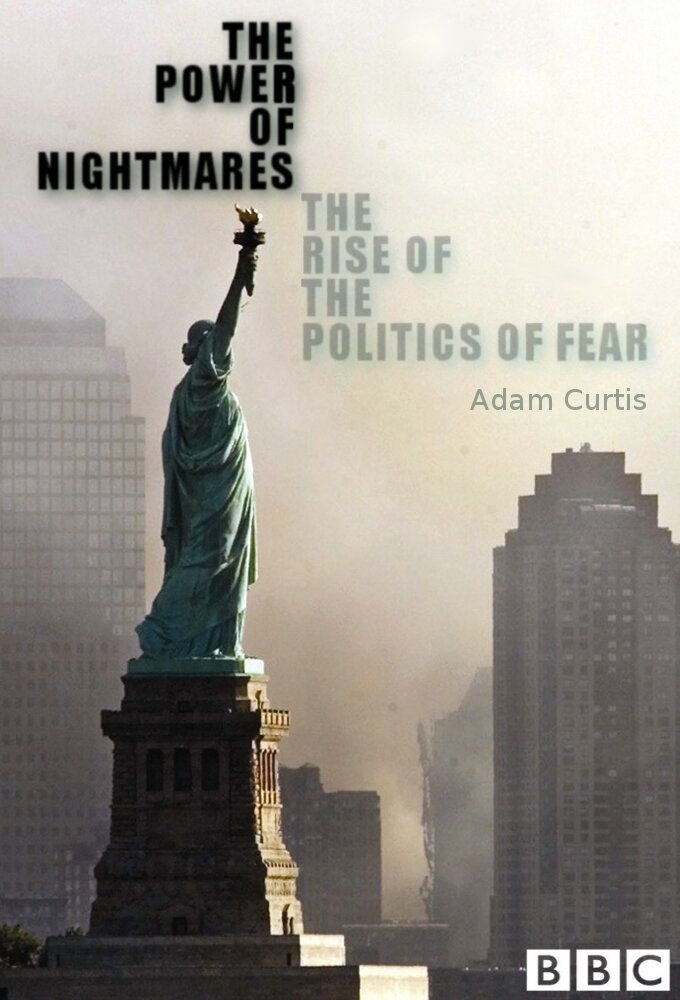
The Power of Nightmares: The Rise of the Politics of Fear2004
Curtis's three-part essay on how fear shapes politics and institutions. Like Unprecedented, it watches how narrative and machinery converge to reshape reality. Bracingly skeptical.
But It's a UK television essay, which means it's patient and theoretical. If you want facts hammered home, this meanders.
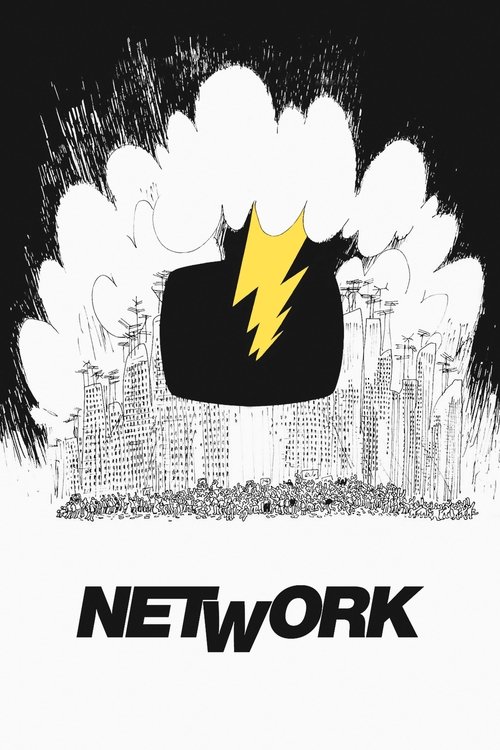
Network1976
Paddy Chayefsky's prophecy about media, power, and the systems that shape what people believe. Unprecedented is evidence that he was right about everything.
But It's shrill and theatrical, almost a farce. Some find its anger exhausting rather than clarifying.
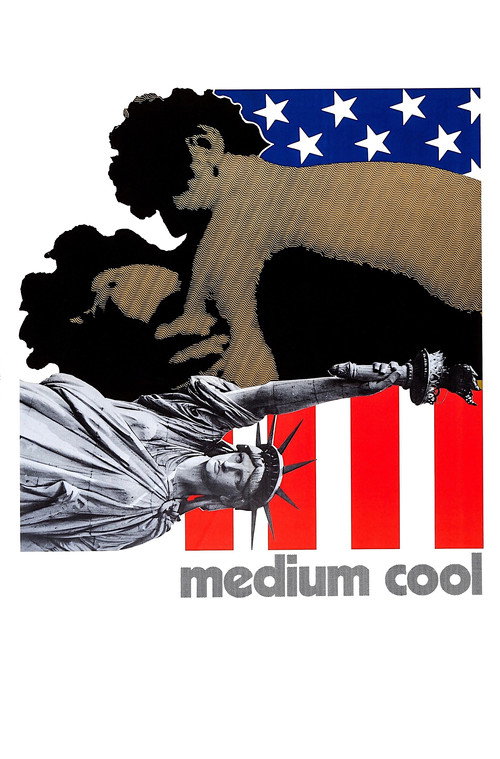
Medium Cool1969
Both collapse the boundary between documentation and participation, asking whether you can observe a system without becoming part of its machinery.
Haskell Wexler's hybrid fiction-documentary about the 1968 Chicago Convention and media complicity in chaos. It's shot like a documentary, uses real footage, stars a fictional character walking through historical events. The question it asks—can journalists be neutral, or are they always part of the system?—is the same Unprecedented asks about election officials and voting machines.
But The narrative frame is thin and sometimes confusing. It feels like a formalist exercise rather than a story, which can feel cold and distant.
The Act of Killing2012
Both examine systems that depend on narrative control and institutional opacity, and ask what accountability looks like when the machinery refuses to bend.
Joshua Oppenheimer's staggering film about Indonesian mass murder and impunity. It's not about elections or voting, but about a system that never answers for itself, and about power that becomes real through performance and narrative. Like Unprecedented, it watches how institutions survive by controlling the story. The scale is horrifying—genocide, not a recount—but the structure is the same: who decides what happened, and what happens when they decide wrong?
But It's extremely difficult. Interviews with perpetrators of mass murder who feel no shame. Some find it unbearable to watch, and ethically it's genuinely complicated.

People
Cast
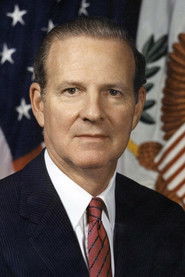 James Baker IIISelf (archive footage)
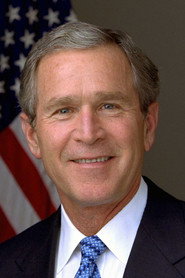 George W. BushSelf (archive footage)
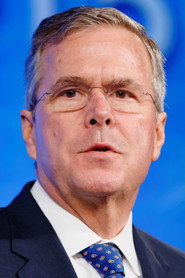 Jeb BushSelf (archive footage)
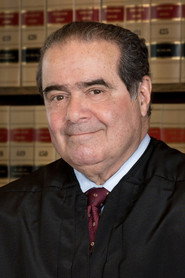 Antonin ScaliaSelf
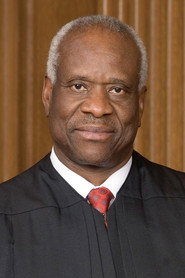 Clarence ThomasSelf
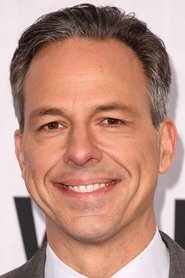 Jake TapperSelf
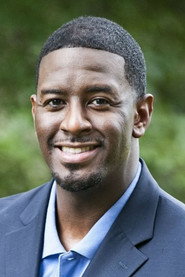 Andrew GillumSelf
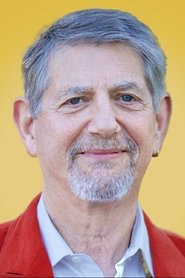 Peter CoyoteNarrator
- Jaimie RaskinSelf
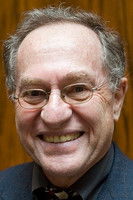 Alan DershowitzSelf
Directing
- Joan SeklerDirector
- Richard Ray PerezDirector