
Film
Dial H-I-S-T-O-R-Y
Dial H-I-S-T-O-R-Y splices archival footage of 1960s and '70s hijackings into a essay on spectacle, terror, and media appetite. Director Johan Grimonprez traces how skyjacking evolved from romantic gesture to anonymous atrocity, arguing that television's hunger for narrative shaped the violence itself. It's disorienting, layered, and feels urgently prescient—a film that thinks as it watches.
Should you watch it?
Watch it if you enjoy essay films that build meaning by collage, splicing archival footage, news clips and pop culture until the viewer starts seeing how the pieces talk to each other.
Skip it if you want a clear narrative or a film that tells you what to think; this one circles its argument through fragments and asks you to assemble the picture yourself.
What it asks of you: At around seventy minutes it is short but dense, rarely pausing, and it wants you to keep track of many overlapping images and voices at once.
Not sure? Find tonight's pick in a minute.
If you liked this
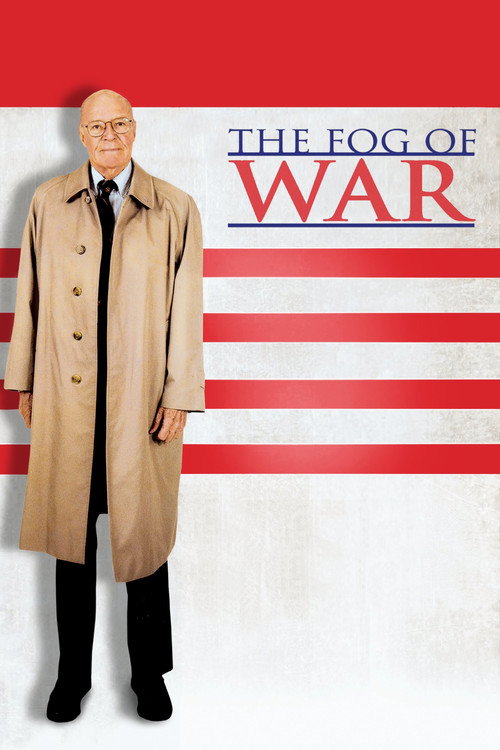
The Fog of War2003
Errol Morris interrogates Robert McNamara's decisions across Vietnam and the Cold War, asking how intelligent people rationalize catastrophe. Like Grimonprez, Morris finds buried logic in historical chaos.
But It's a monologue. McNamara dominates, and if you don't find his voice compelling, you'll feel lectured rather than engaged.
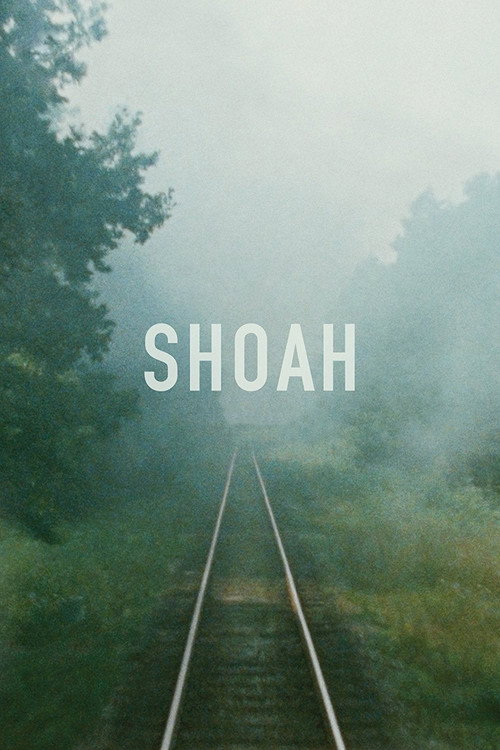
Shoah1985
Claude Lanzmann spends nine hours interviewing survivors and perpetrators of the Holocaust, refusing easy narrative or archival crutches. Both films trust viewers to sit with uncomfortable complexity and draw their own conclusions.
But The runtime and repetition are intentional but demanding. Patience is not optional; it's the entire point.
The Act of Killing2012
Joshua Oppenheimer asks Indonesian death-squad leaders to recreate their murders for the camera. Like Grimonprez, it explores how cinema and spectacle become entangled with real violence and collective memory.
But It's genuinely disturbing. The subjects are charismatic and unrepentant, which makes watching them perform their crimes feel complicit in ways the film intends but doesn't soften.

Not sure tonight? Get a pick in a minute, starting from Dial H-I-S-T-O-R-Y
The wildcard
Something you would not have found on your own.
Ghostdance
Both are essayistic documentaries that use montage and voiceover to think about how images construct history and how audiences become complicit in spectacle. Both distrust straightforward narrative.
Ken McMullen's film about Walter Benjamin, played by an actor, blends philosophy, cinema history, and archival footage to ask what we owe the dead. Like Grimonprez, it treats the image as a problem, not a solution.
But It's hermetic and demands real attention to critical theory. If you're not ready for a film that asks questions instead of answering them, it will feel deliberately opaque.
More like this (6)
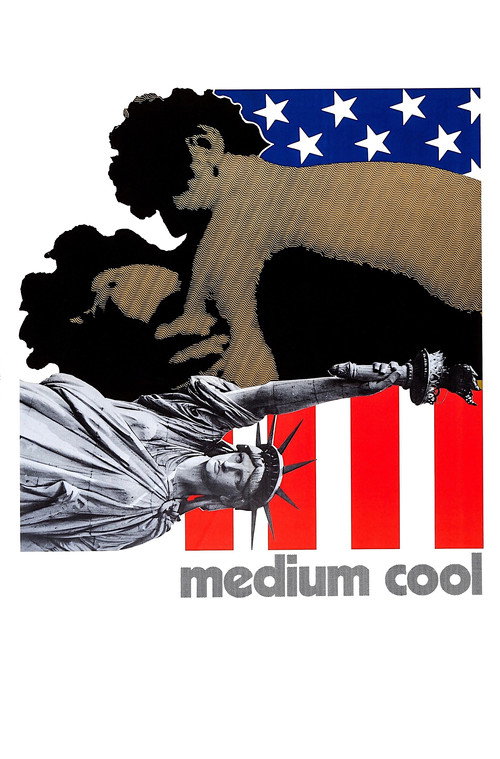
Medium Cool1969
Haskell Wexler's film about a TV cameraman at the 1968 Democratic Convention blurs documentary and fiction to ask whether media creates events or merely captures them. Central to Grimonprez's concern.
But It's formally experimental and sometimes feels dated. If you need plot momentum over political argument, it will frustrate you.
Sans Soleil1983
Chris Marker's essayistic documentary collages footage from Japan, Guinea-Bissau, and Iceland into meditations on memory, technology, and how images shape consciousness. Pure Grimonprez DNA.
But It's deliberately non-linear and fragmented. Expecting clarity will leave you adrift.

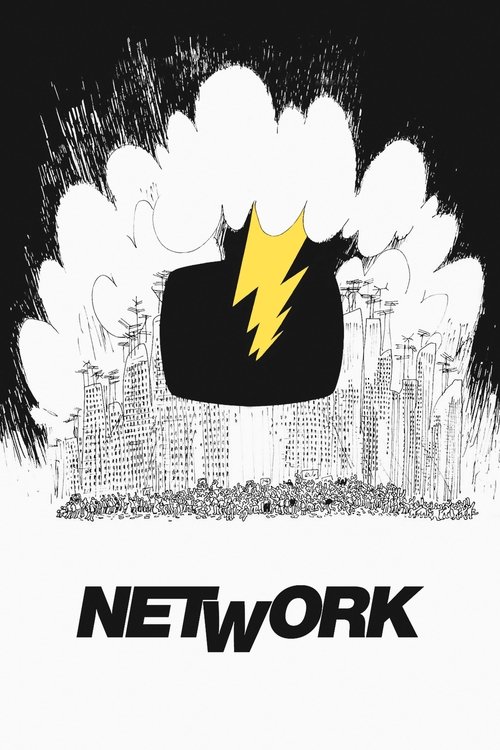
Network1976
Sidney Lumet's savage satire of television's hunger for ratings and spectacle. It's a comedy and a warning, and it anticipates Grimonprez's argument about media's appetite for disaster.
But It's a product of its moment. The satire can feel obvious to modern viewers, and the gender politics are of 1976.
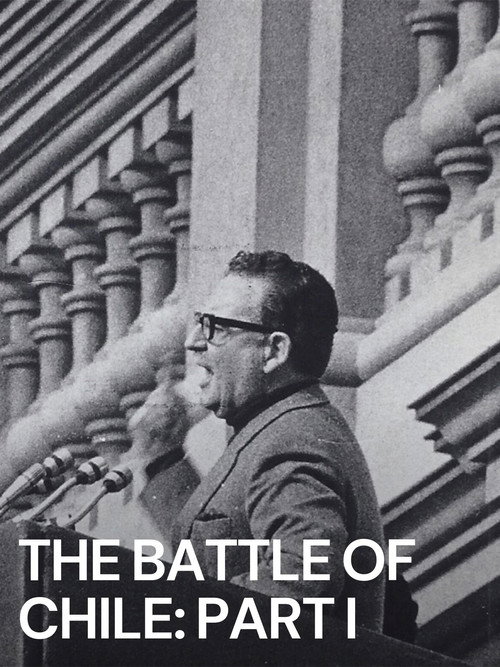
The Battle of Chile: Part I1975
Patricio Guzmán's three-part documentary captures Allende's rise and fall in real time, interrogating how footage functions as evidence and as propaganda. Grimonprez owes a debt here.
But Nearly five hours across three parts, and the pacing is archival rather than dramatic. Commitment required.
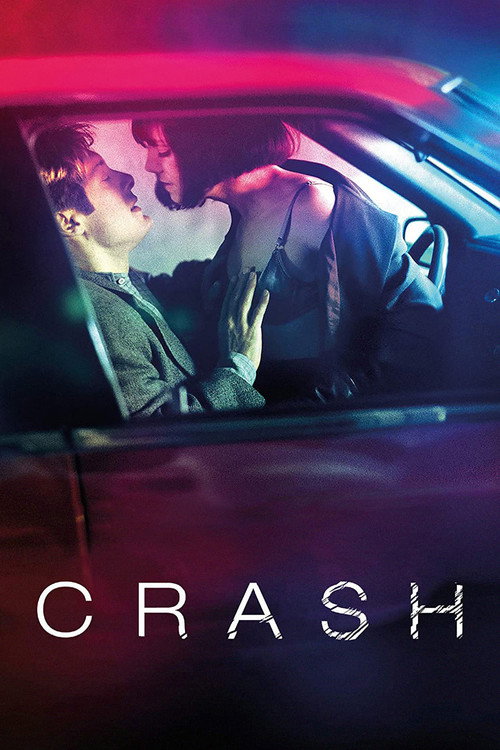
Crash1996
David Cronenberg's film about people aroused by car accidents explores spectacle, violence, and desire in ways that shadow Grimonprez's preoccupations. Both are unflinching about complicity.
But It's explicitly sexual and transgressive. If you're looking for detachment or moral clarity, you won't find either.
Come and See1985
Where Grimonprez traces how media shapes violence from a distance, Klimov puts you inside the body of someone living through it. Both refuse to let viewers off the hook for their own watching.
Elem Klimov's film follows a Soviet partisan boy through WWII's Eastern Front in brutal, hallucinatory detail. It's not a documentary, but it shares Grimonprez's conviction that cinema must show the cost of spectacle and ideology.
But It's one of the most difficult films ever made. The violence is not represented—it's endured. Some viewers find it unwatchable; others find it necessary.

People
Directing
- Johan GrimonprezDirector
Writing
- Johan GrimonprezWriter