
Film
The Committee
- Political drama
- Strange
- Slow-burning
A surreal 1968 British parable about bureaucracy and individual autonomy, shot in stark black-and-white. A man faces an all-powerful committee investigating a murder, but reality becomes increasingly slippery. Cerebral, unsettling, deeply of its era—for viewers who want cinema that asks hard questions and refuses comfort.
Should you watch it?
Watch it if you like allegorical, black-and-white films that treat the state and the individual as equally flawed, and don't mind a strange, dreamlike logic to get there.
Skip it if you need plot momentum or a clear moral verdict, since it deliberately withholds easy answers and its tone stays cool and unsettling throughout.
What it asks of you: Running just under an hour, it wants patience with a slow, austere black-and-white picture and a willingness to withhold judgement while its ideas take shape.
Not sure? Find tonight's pick in a minute.
If you liked this
Stalker1979
Tarkovsky's meditative sci-fi about desire and meaning within systems of control. Slow, hypnotic, built on existential dread. If The Committee's surrealism speaks to you, this will burrow in.
But Nearly three hours of philosophical wandering with minimal plot. Patience isn't optional—it's the entire point.

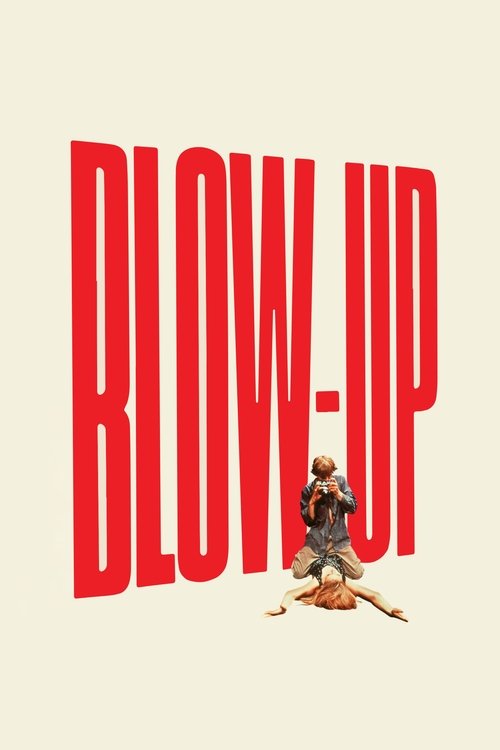
Blow-Up1966
Antonioni captures the same moment: swinging London, reality fragmenting, an ordinary man pulled into something unknowable. Visually dazzling and deeply disorienting in the best way.
But The ending refuses resolution. If you need answers, this will infuriate you.
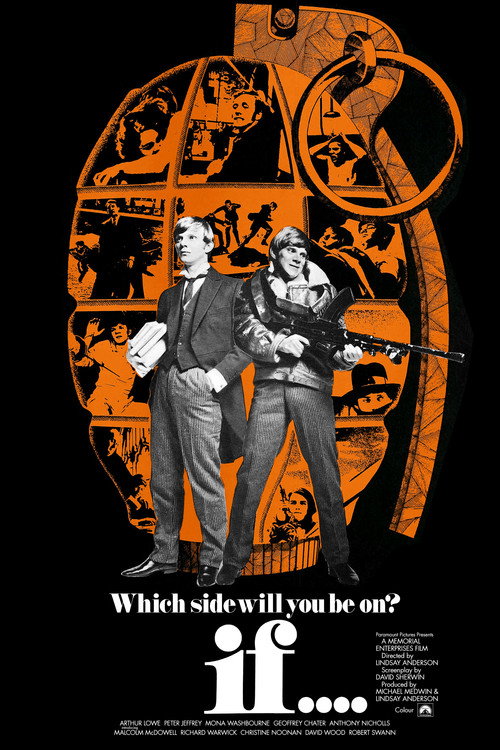
if....1968
Made the same year, also British, also visceral about authority and rebellion. Lindsay Anderson's film is rawer and more overtly political, but shares The Committee's willingness to make you uncomfortable.
But Switches between colour and black-and-white in ways that feel deliberate but can feel chaotic. Some find the tone scattered.
Not sure tonight? Get a pick in a minute, starting from The Committee
The wildcard
Something you would not have found on your own.
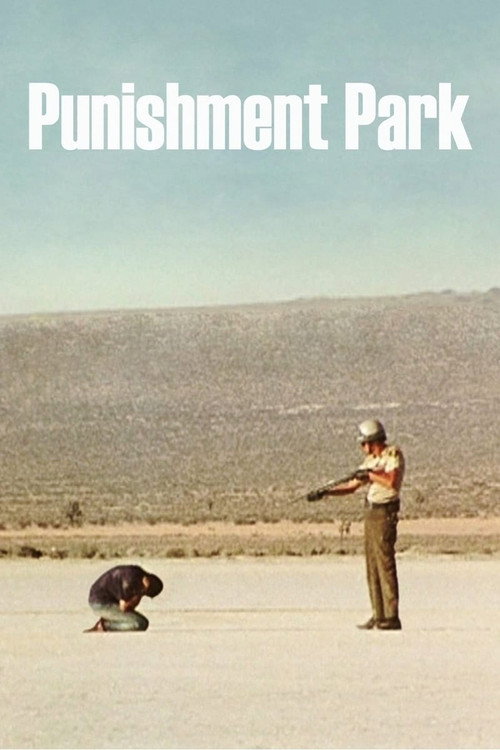
Punishment Park1971
Both use surrealism and bureaucratic horror to interrogate the state's power over the individual. Watkins shows you the machine's teeth; Steuer shows you the dizzying moment before you realize they exist.
Peter Watkins made this as a pseudo-documentary about a near-future America where dissidents are hunted in a brutal outdoor game. Raw, urgent, claustrophobic. It's The Committee's rage made concrete and visceral.
But Grainy, intentionally rough filmmaking that mimics documentary. Formally challenging and genuinely bleak in ways that don't comfort.
More like this (7)
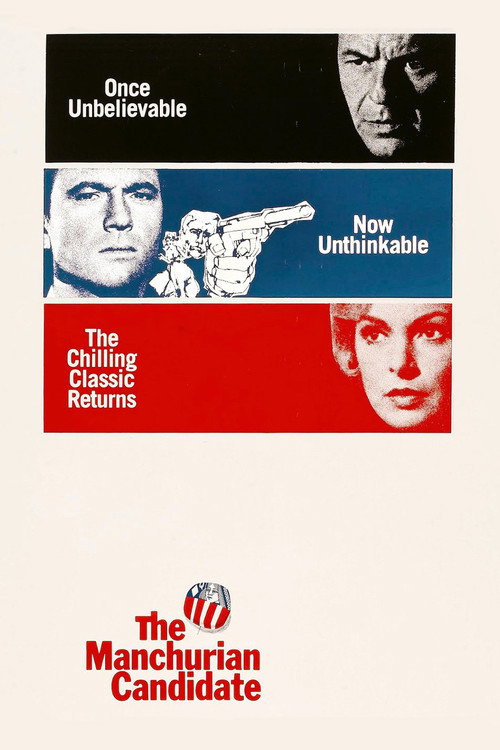
The Manchurian Candidate1962
A man suspects reality is not as it seems; shadowy forces control events from above. Tense, paranoid, brilliantly constructed. The Committee's gentler cousin, but from the same family tree.
But Fifty-year-old thriller craft. If you need contemporary pacing, this will feel slow.
Mulholland Drive2001
Lynch's masterpiece about identity, power, and the machinery that grinds people down. Surreal in structure, precise in mood. Rewards the same attentive watching The Committee demands.
But Deliberately cryptic. Many people finish it and immediately want a forum to argue about what happened.

Possession1981
Zulawski's acid nightmare of a marriage collapsing into surrealism and Cold War paranoia. Visually extreme, emotionally raw. The Committee's uglier, louder sibling.
But Genuinely transgressive and grotesque. Not easy to watch, even when it's brilliant.

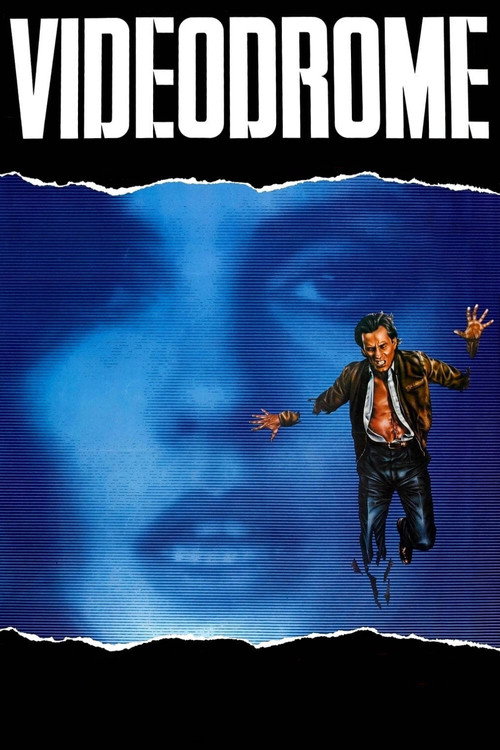
Videodrome1983
Cronenberg explores reality, media, and identity through body horror and technological dread. Nightmarish and precise. Same DNA as The Committee, different mutation.
But Graphic and deliberately nasty. The Committee is chilly; this one wants to make you squirm.
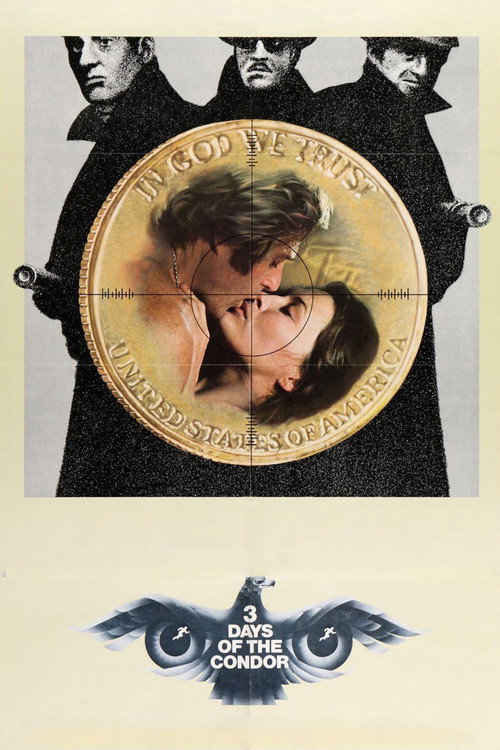
Three Days of the Condor1975
Pollack's paranoia thriller about a man hunted by his own government. Grounded where The Committee is surreal, but the same claustrophobia and suspicion drive both.
But Ultimately more conventional. If you want that slippery, unresolved quality, this ties things up.
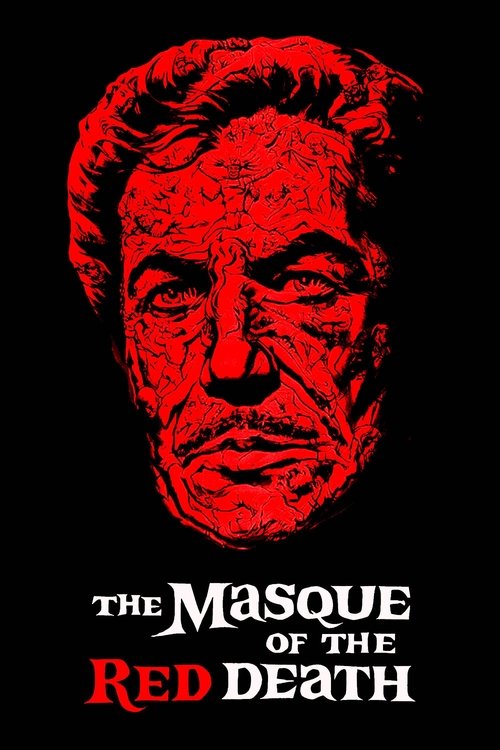
The Masque of the Red Death1964
Corman's Poe adaptation is gothic, allegorical, and visually extraordinary. About power, mortality, and the failure of authority. Literary without being stiff.
But Horror film language. If you're allergic to the genre's conventions, the style might keep you at a distance.
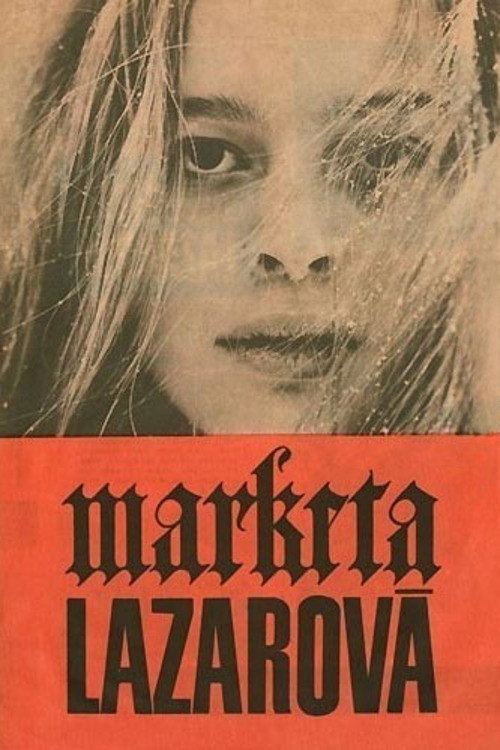
Marketa Lazarová1967
Both distrust straightforward narrative. Both use images and mood to communicate psychological and political truths that dialogue cannot touch. Both feel genuinely foreign to mainstream cinema.
Vlácil's Czech medieval epic is dreamlike, violent, visually intoxicating—a narrative that operates by symbol and mood rather than plot. Haunting and utterly strange. Nothing quite like it.
But Demands active viewing and rewards nothing obvious. The story is deliberately obscure. Subtitled, black-and-white, built for patience rather than pleasure.
People
Cast
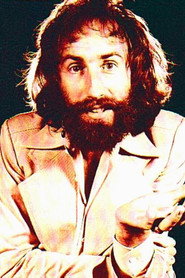 Arthur BrownHimself
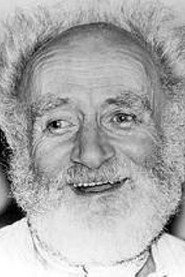 Jimmy GardnerBoss
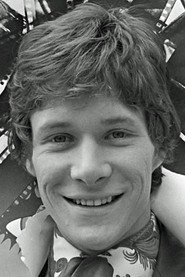 Paul JonesCentral figure
 Tom KempinskiVictim
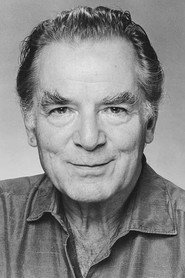 Robert Langdon LloydCommittee Director
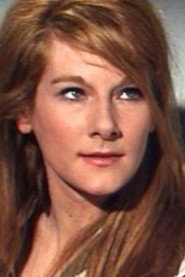 Pauline MunroGirl
Recommended by
Head, The Groove Tube, And Now for Something Completely Different