
Film
And Now for Something Completely Different
- Absurdist comedy
- Light-hearted
- Strange
- Relentless
- Dip in and out
Monty Python's debut film, a collection of sketches from their early TV series re-filmed for cinema. It's a series of rapid-fire comedy bits with almost no plot—absurdist, anarchic, deliberately silly, occasionally brilliant. If you love clever wordplay mixed with pure stupidity, or you're curious where modern sketch comedy learned its bones, this is essential.
If you liked this
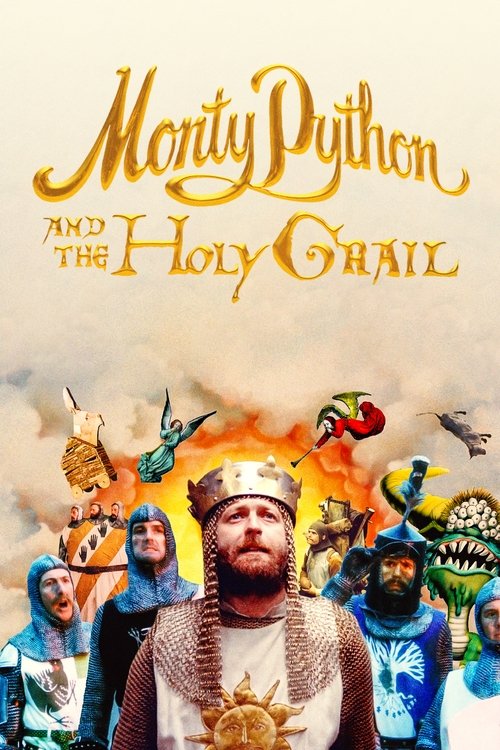
Monty Python and the Holy Grail1975
The full narrative feature that proved Python could sustain a film-length idea. Medieval quest comedy with the same anarchic energy, but held together by an actual (mad) story. Funnier and more inventive than the sketches that came before.
But The humor is deliberately corny and repetitive—designed to wear you down with nonsense rather than surprise you. Some sketches just aren't funny, and they sit there anyway.
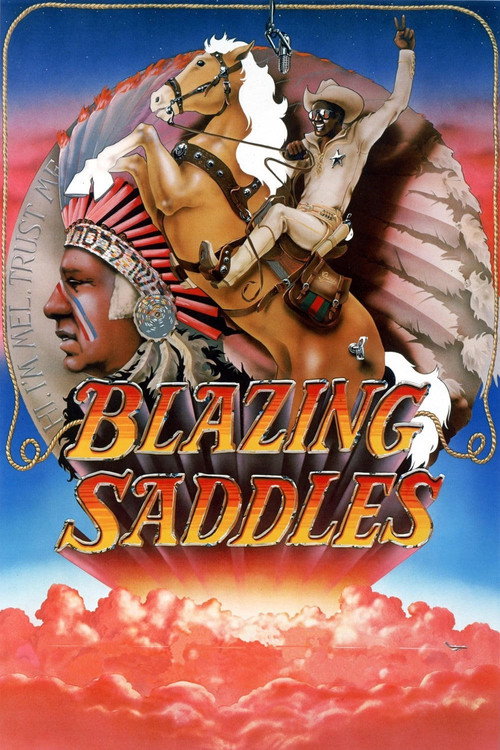
Blazing Saddles1974
Mel Brooks's sketch-comedy sensibility applied to a Western. Fast, vulgar, anarchic, absurdist. Proves that the Python template—randomness plus smart writing—was contagious and worked in other hands too.
But It's crude, offensive by design, and a product of the '70s in ways that don't always age well. Some of the targets don't land anymore.
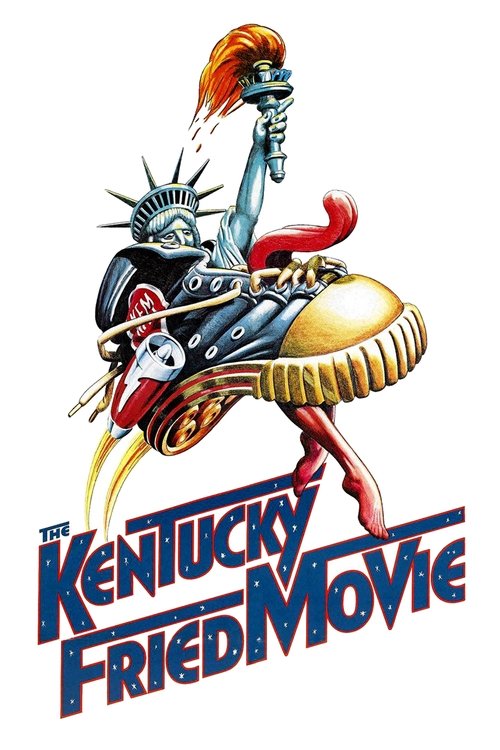
The Kentucky Fried Movie1977
Zucker, Abrahams, and Zucker's sketch-comedy film, made by comedy nerds for comedy nerds. Same DNA as Python—rapid-fire bits, no narrative, the energy comes from absurdity and surprise. Slightly trashier, always energetic.
But It's deliberately stupid and lowest-common-denominator in places. If you need your comedy pointed or meaningful, this will exhaust you.
Not sure tonight? Get a pick in a minute, starting from And Now for Something Completely Different
The wildcard
Something you would not have found on your own.
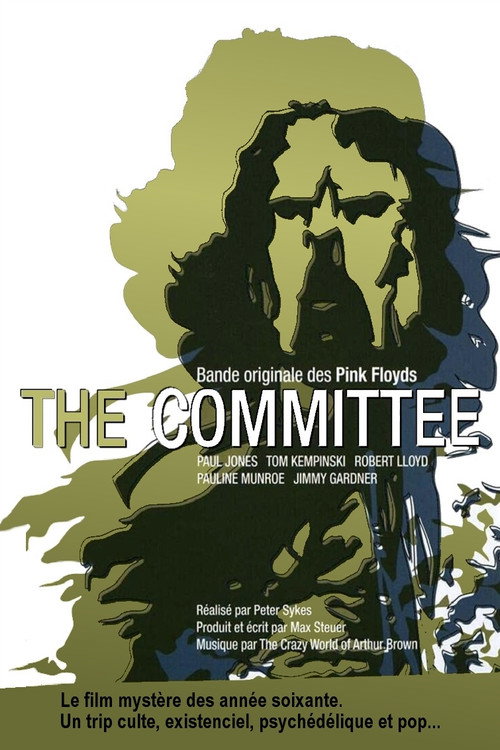
The Committee1968
Both are sketch-comedy films that capture a specific moment in comedy history, showing how sketch comedy was being reinvented in the late '60s. The Committee proves Python wasn't alone—it was a movement.
Documentary of a West Coast improv troupe doing live comedy sketches. It's watching Python's American cousins play the same game—sketch-based, anarchic, stream-of-consciousness. Shows the comedy movement happening in parallel across an ocean.
But It's a documentary of live performance from 1968, which means the pacing is slack and the energy is dispersed. Some sketches just aren't recorded well and die on film.
More like this (7)
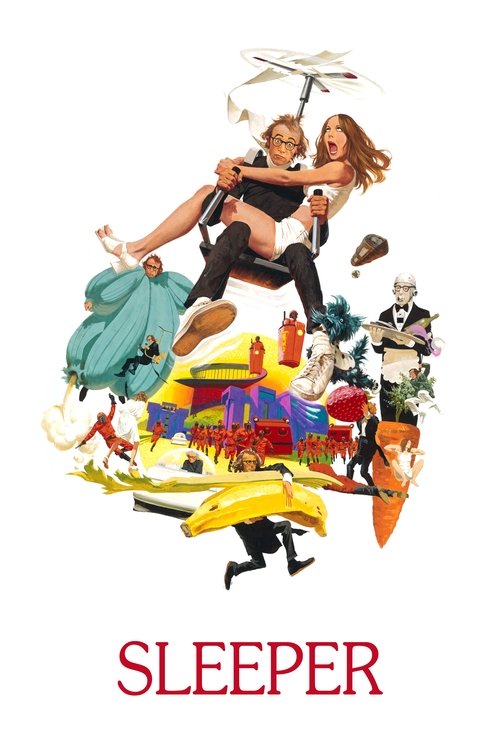
Sleeper1973
Woody Allen's sci-fi comedy builds a whole world of gags. Absurdist like Python but warmer and more romantic. Shows that the sketch sensibility could be stretched into something with actual emotional stakes.
But It's very '70s in its pacing—slower than you might expect. Some of the science-fiction jokes don't play for audiences that didn't grow up with them.
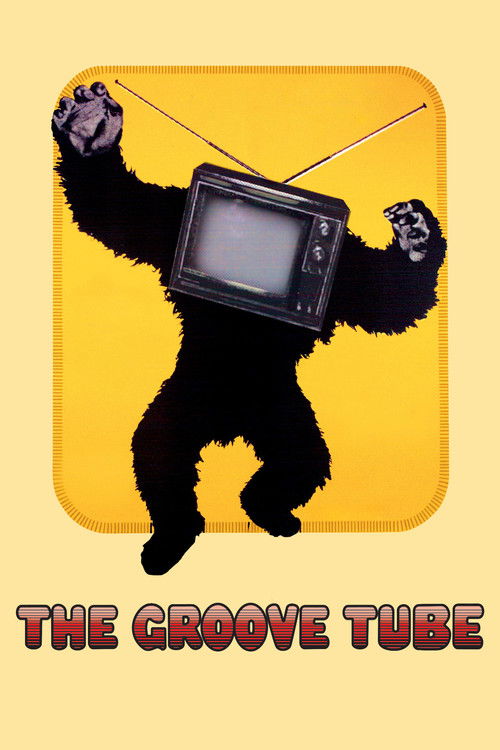
The Groove Tube1974
An obscure American sketch film that caught the same wave—TV-to-cinema comedy, absurdist bits, no throughline. Found-footage of a vanished comedy world. Closer to Python's feel than you'd expect from a rarity.
But It's genuinely obscure for a reason. Uneven, dated, and some sketches are just flat. You'll need to work to find this and you might resent the effort.
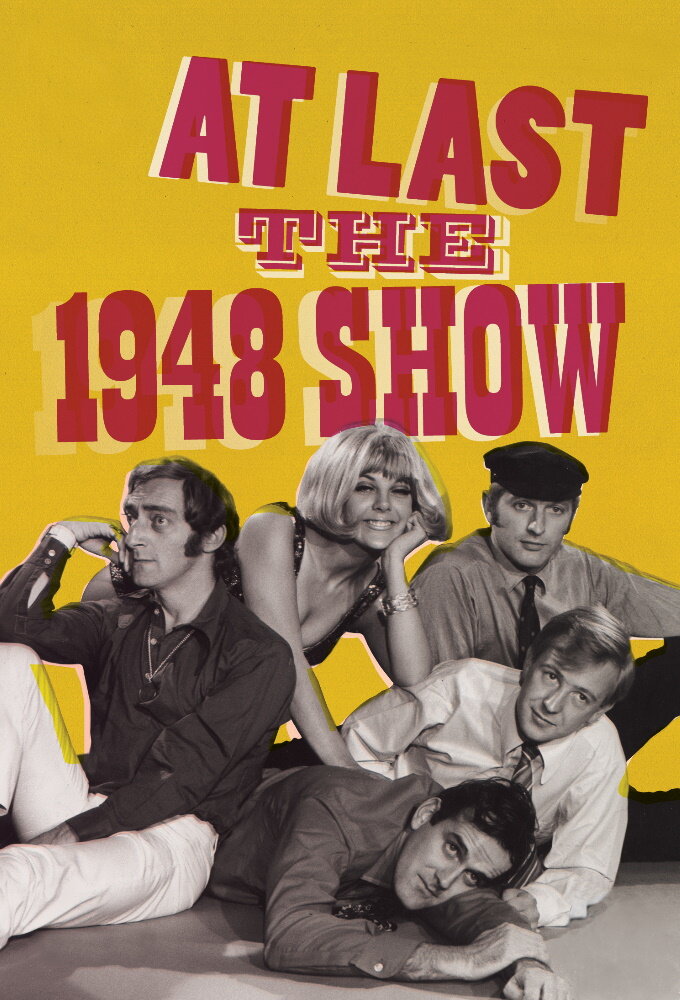
At Last the 1948 Show1967
Cleese and Chapman's earlier collaboration before Monty Python, with the sketch structure you know here. Younger, rougher, occasionally more inspired. Essential viewing for anyone who wants to trace the lineage of the Python style.
But The video quality is rough. Some sketches are genuinely confused, and the show hasn't quite found its voice yet. Feels like a museum piece.
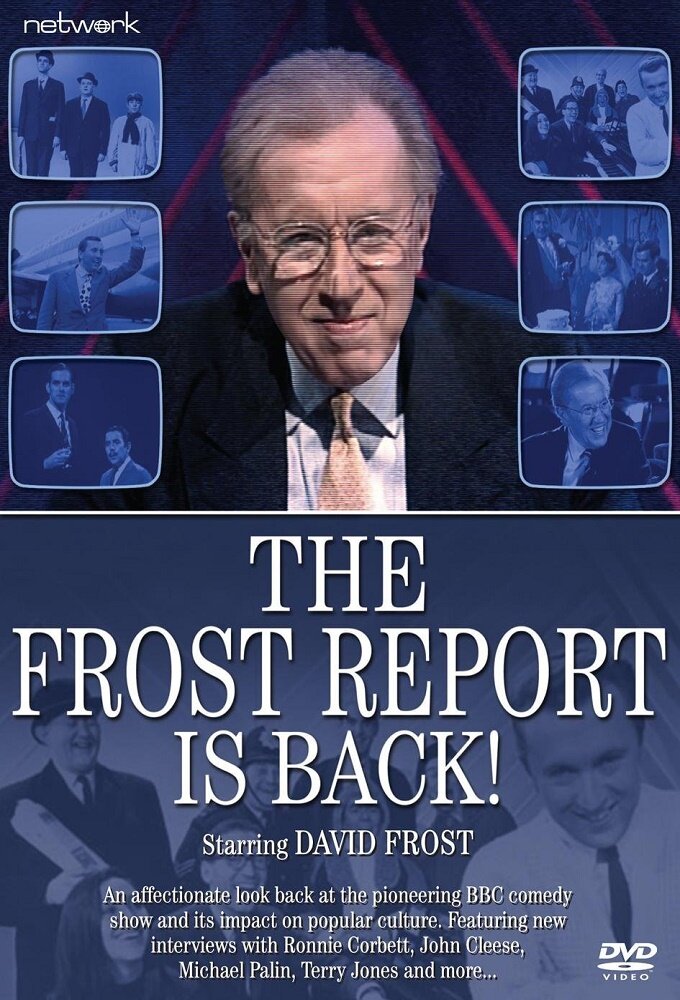
The Frost Report1966
Chapman, Cleese, and Palin's pre-Python sketch show. More structured than what they'd do later, but you can feel them straining against the format. Charming precisely because you can see them learning.
But It's earnest and relatively conventional compared to what comes next. If you love Python for the chaos, you'll find this cautious.
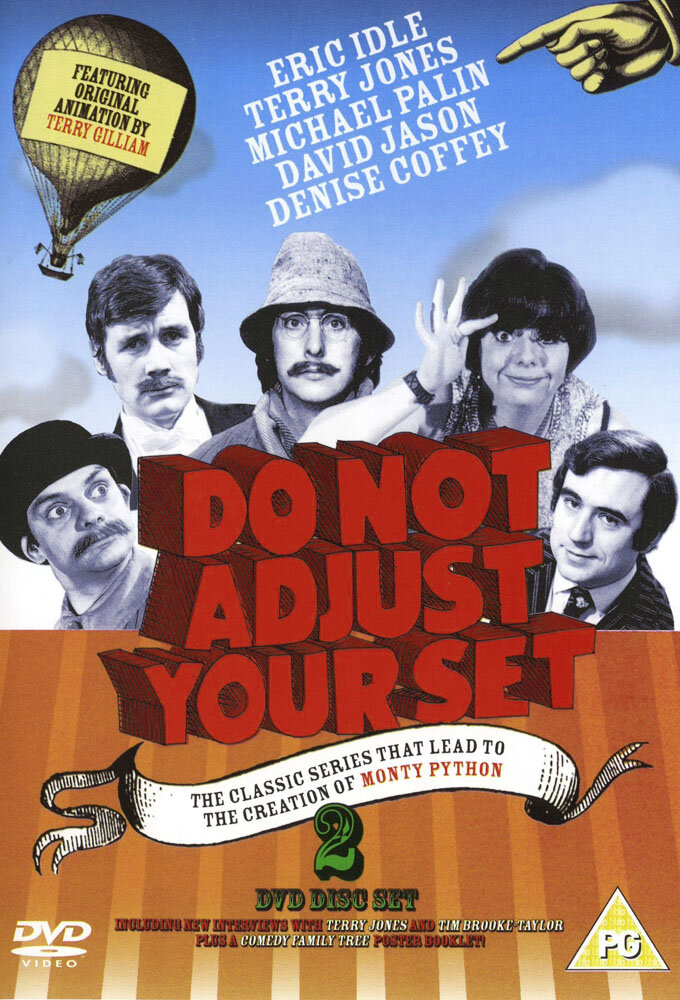
Do Not Adjust Your Set1968
Gilliam's early animation work, Idle's earliest sketch TV. The DNA of Python before Python, with proto-Gilliam animations. A time capsule of where these people were learning the form.
But It feels like homework. The sketches are short, sometimes half-baked, and the show is more charming in retrospect than it is funny to watch now.
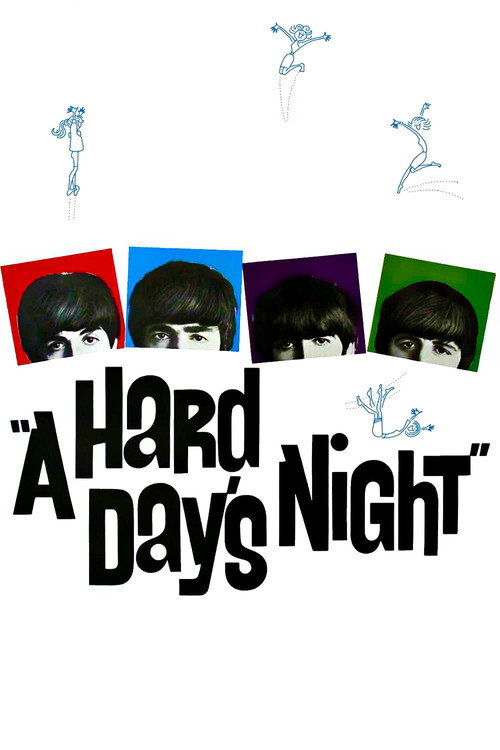
A Hard Day's Night1964
Both use rapid editing and absurdist juxtaposition as their primary comedic engine. Lester's influence on Python's visual style is direct and enormous—this is where that energy came from.
The Beatles' film uses rapid-cut editing, absurdist humor, and sketches-like vignettes. It's not comedy per se, but Lester's direction—the speed, the non-sequiturs, the anarchic energy—is the exact visual language Python would use. Watch it as a comedy and it clicks.
But It's a Beatles film, which means it's dated in a very specific way and heavy with Beatlemania. If you don't find them charming, the whole thing becomes harder to watch.
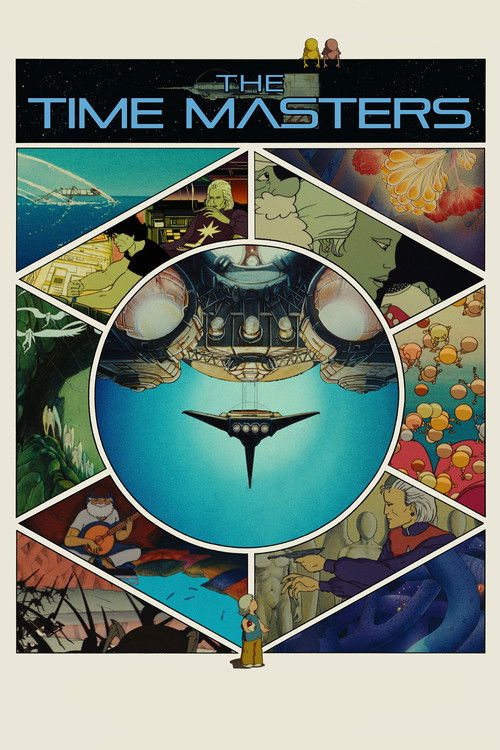
Time Masters1982
Both treat comedy as a fundamental reordering of logic rather than joke delivery. Python works through sketch; this works through animation and world-building. Same anarchist sensibility, different form.
Animated science-fiction film by Alain Resnais that plays comedy as pure concept and absurdity—logic turned inside out, reality that doesn't follow rules, jokes that are structural rather than punchline-based. It's how Python would approach sci-fi if they could animate.
But It's a French animated film from 1982 that's hard to find and deliberately experimental. The animation is crude, the pacing is alien, and it assumes you'll come halfway. Not easy viewing.
People
Cast
 Graham ChapmanBrother / Policeman / Defence attorney / British pedestrian / Mr. Harrison (Apricot) / The Colonel / 'Hell's Grannies' policeman / Jimmy Blankensop / Sir Edward Ross / Restaurant patron #1 / Letter Writer / Oliver St. John Mollusk / Mountie / Town Guild Lady
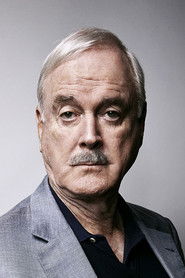 John CleeseAnnouncer / Hungarian Citizen / self - Defence Teacher / Sir George Head / Policeman / Interviewer / Mr. Praline / Second General / Christopher Columbus / Mungo the Cook / Bank Robber / Accountant #2 (falling past the window) / Vocational Guidance Counselor / Vivian Smith Smythe Smith / Mountie / Town Guild Lady
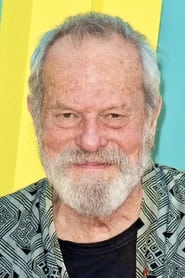 Terry GilliamSelf-Defence Nun / Flasher / Uncle Sam / Caterpillar Man / Sign Holder / Conrad Poohs
 Eric IdleProsecutor / Marriage Counselor / Arthur Nudge / Self-defence student #4 (interested in pointed sticks) / 'Hell's Grannies' analyst / Arthur Wilson / Arthur Wilson Two / Nightclub Emcee / Linkman / First General / Restaurant Manager / Lingerie Shop Owner / Accountant #1 (falling past the window) / Fairy Godmother / Rita Fairbanks / Simon Zinc Trumpet Harris / Mountie / Lady With Cookbook
 Terry JonesStage Manager / Tobacconist / 2nd Hungarian Man / Squire / Self-defence student #3 / Tenant #1 / Flasher / Mouse Organist Ken Ewing / Fat Soldier / Waiter / Nude Organist / Brian / Nigel Incubator Jones
 Michael PalinGumby / Man with tape recorder / Phrasebook Author / Arthur Pewtey / Second self - defence student / Second Tenant / Lost His Wallet / Shrill Petrol Announcer / Milkman / Ernest Scribbler / Pet shop employee / Lumberjack / Headwaiter Gilberto / Herbert Anchovy / Blackmail Presenter / Gervais Brookhamster / Town Guild Lady
 Carol ClevelandDierdre Pewtey / Storyteller / Milkman Collector / Restaurant Patron #2 / Elsbeth
 Connie BoothBest Girl
- Lesley JuddDistraught Mother
Directing
- Ian MacNaughtonDirector
Writing
- Eric IdleScreenplay
- Graham ChapmanScreenplay
- John CleeseScreenplay
- Michael PalinScreenplay
- Terry GilliamScreenplay
- Terry JonesScreenplay
Production
- David GilExecutive Producer
- Victor LownesExecutive Producer
- Patricia CaseyProducer
- Kevin FrancisProduction Manager
Recommended by
A Liar's Autobiography: The Untrue Story of Monty Python's Graham Chapman