
Television series
At Last the 1948 Show
- Satire
- Light-hearted
- Dip in and out
A sketch comedy show from 1967 that's essentially a rehearsal room for British comedy's future superstars. Five performers (Cleese, Chapman, Feldman, Brooke-Taylor, MacDonald) tear through absurdist sketches with anarchic energy and virtually no budget constraints—the title itself is a joke about outdated comedy conventions. Fast, weird, and genuinely inventive.
Should you watch it?
Watch it if you love sketch comedy that bounces between absurd non-sequiturs and sharp, deliberately rough-edged parody, the kind where a fake-serious premise collapses into pure silliness within a minute.
Skip it if you want a tight narrative or characters who develop across episodes, since this is a loose run of unconnected sketches with uneven hits and the occasional deliberately ragged, half-finished joke.
What it asks of you: Thirteen half-hour episodes of quick, disconnected segments you can dip into in any order, so it asks for attention in short bursts rather than a sustained commitment.
Not sure? Find tonight's pick in a minute.
If you liked this
Monty Python's Flying Circus1969
The natural evolution of this show's sensibility, with the same anarchic spirit and willingness to abandon punchlines mid-sketch. Cleese and Chapman are here too, and the collaboration is tighter and bolder.
But If you find sketch comedy repetitive or need narrative momentum, Python can feel like watching someone show you seventeen different ways to break a door.
The Frost Report1966
Same comedy universe, same production company, overlapping cast. A slightly more polished alternative to the 1948 Show that's easier to find and equally sharp at satirizing British institutions and class.
But The satirical targets feel dated now, and some sketches land with more ambition than comedy. Not quite as raw as the 1948 Show at its best.
Absolutely Fabulous1992
A sketch show in spirit: repetitive characters, wild tangents, no interest in genuine plot. Jennifer Saunders and Dawn French prove the anarchic energy of the 1948 Show era never really died in British comedy.
But It's twenty years later and much glossier, so the scrappiness that made 1967 comedy exciting is entirely gone. Also relies heavily on catchphrase repetition.
Not sure tonight? Get a pick in a minute, starting from At Last the 1948 Show
The wildcard
Something you would not have found on your own.
Danger: Diabolik1968
Both operate on the principle that style and absurdity matter more than sense. There's a comic sophistication in just committing absolutely to a ridiculous premise and never apologizing.
A wildly colorful, utterly camp Italian comic-book film that shares the 1948 Show's absolute refusal to take itself seriously. It's anarchic and absurd in a completely different language and medium, but with identical energy: style over substance, joke over sense.
But It's not a sketch show and not really American comedy—it's almost comedy by accident. If you need coherent plot or characters to care about, you'll be lost and bored.
More like this (3)
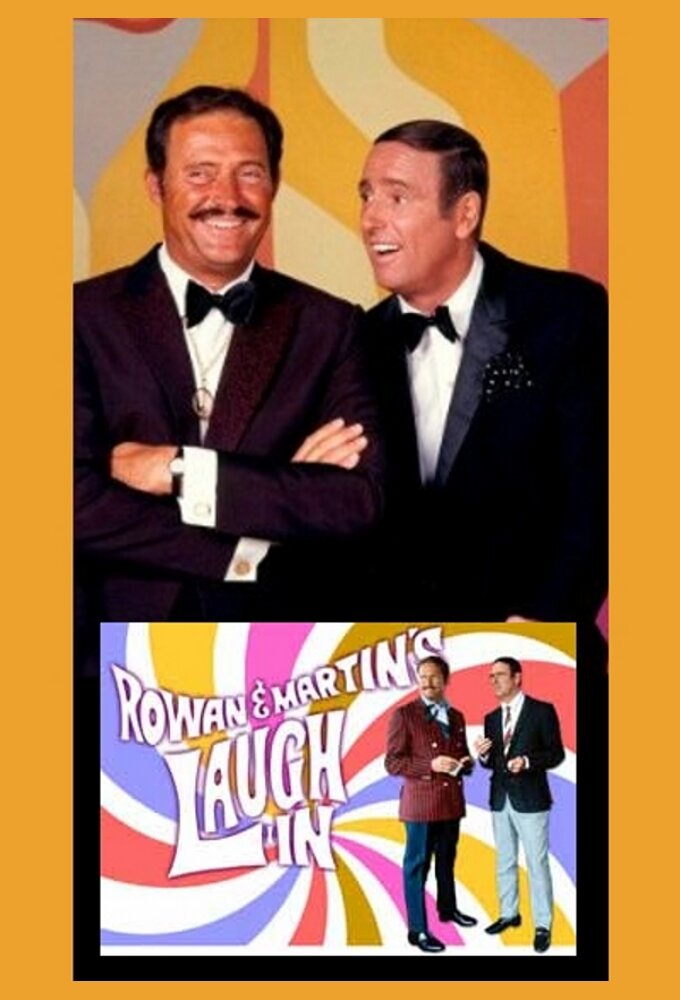
Rowan & Martin's Laugh-In1967
American TV discovering sketch comedy chaos at the same moment. Fast-cut, surreal, deeply strange jokes that don't wait for applause. It's proof the 1948 Show's DNA wasn't purely British—this impulse was everywhere.
But It's very much a product of its time (bell-bottoms, catchphrases, the Vietnam War as punchline material). The pacing can feel frenetic rather than clever.
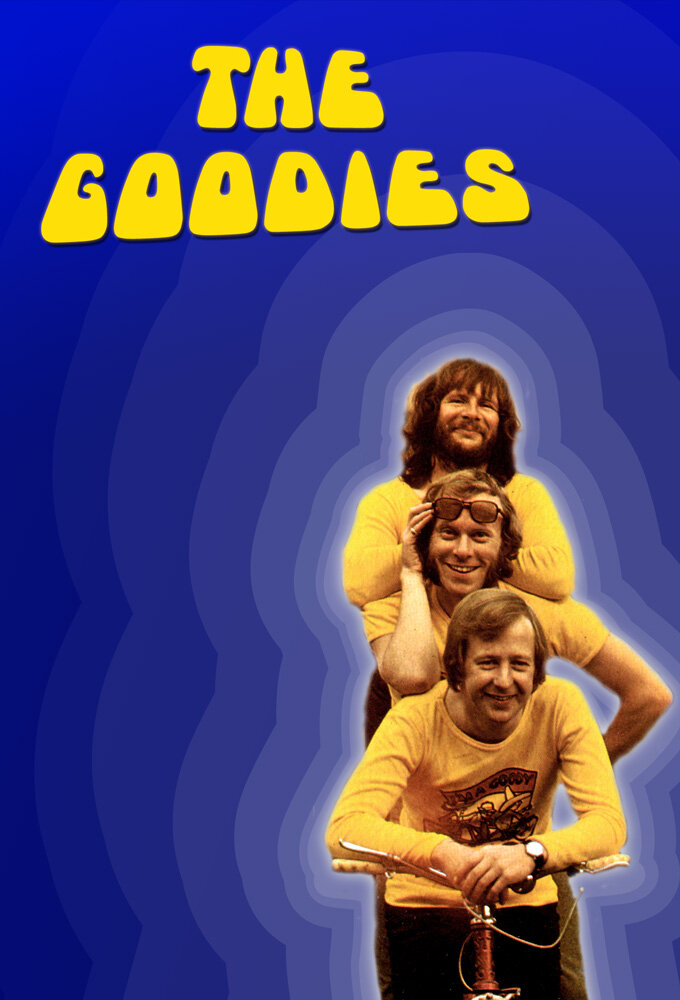
The Goodies1970
Tim Brooke-Taylor again, along with Graeme Garden and Bill Oddie, making sketch-adjacent comedy that's more narrative but just as inventive. Silly, weird, and genuinely imaginative in what it attempts.
But Less consistently funny than the best of sketch, and the physical comedy can feel like filler between the actual jokes. Some sketches go on well past their idea.
The Prisoner1967
Same era, same networks, same hunger to blow up what British television was supposed to be. The Prisoner is the dark mirror of 1948 Show's comedy chaos—both are using TV to say 'everything you thought was normal is actually mad.'
Patrick McGoohan's surreal, menacing drama that aired the same year as the 1948 Show and speaks the same language of anarchic, anti-establishment British television. Utterly strange, visually inventive, and genuinely mysterious—proof that the same creative ferment produced both comedy and uncanny drama.
But It's not funny and it's genuinely unsettling. If you want laughs, you'll feel punished. It's also slow and often obscure, and the final episode infuriates people to this day.
People
Cast
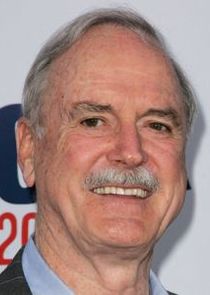 John CleeseVarious Characters
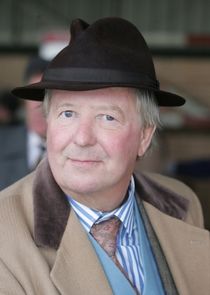 Tim Brooke-TaylorVarious Characters
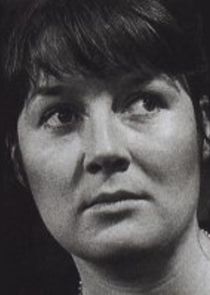 Jo KendallVarious Characters
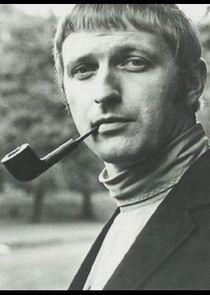 Graham ChapmanVarious Characters
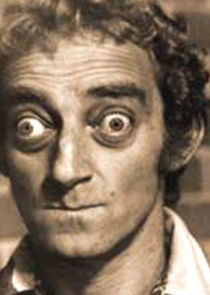 Marty FeldmanVarious Characters
 Aimi MacDonaldHost
Recommended by
Do Not Adjust Your Set, The Two Ronnies, The Frost Report, The Benny Hill Show, The Secret Policeman's Ball, And Now for Something Completely Different