
Film
Closed Curtain
A reclusive screenwriter shelters in a shuttered seaside house with his dog until a fugitive woman forces her way in. Jafar Panahi's meta-layered chamber piece collapses the boundary between cinema and reality, trapping us in escalating moral ambiguity and philosophical dread. It's claustrophobic, strange, and demands active intellectual engagement from viewers willing to sit with discomfort.
If you liked this
A Separation2011
Like Closed Curtain, it traps ordinary people in impossible ethical situations with no clear heroes or villains. Both films make you complicit in the characters' compromises and force you to examine your own judgment.
But It's a chamber drama sustained entirely by dialogue and moral pressure rather than plot momentum, which can feel slow and suffocating to some viewers.
The Seventh Seal1957
Bergman's meditation on mortality and meaning in isolation mirrors Panahi's exploration of artistic survival and philosophical reckoning. Both use confined spaces to magnify spiritual and intellectual crisis.
But The deliberately mannered, allegorical style feels very much of its era, and viewers seeking naturalism may find it theatrical and remote.

Stalker1979
Tarkovsky's glacial, meditative inquiry into desire and faith shares Panahi's refusal to provide easy answers. Both films operate in philosophical registers where plot serves introspection rather than narrative payoff.
But At three hours of deliberate pacing with minimal dialogue and no conventional stakes, it demands a particular patience that can feel like punishment.

Not sure tonight? Get a pick in a minute, starting from Closed Curtain
The wildcard
Something you would not have found on your own.
This Is Not a Film2011
Both are Panahi's response to censorship and house arrest, collapsing the boundary between filmmaking and survival.
Panahi filmed this under house arrest using only his iPhone and a webcam—it's the direct precursor to Closed Curtain, made during the same period of confinement. Watching both reveals his artistic strategy: turning surveillance and isolation into the substance of cinema itself.
But It's radically anti-cinematic by design: no plot, minimal production values, just Panahi talking to his camera and his lawyer. Audiences expecting narrative will find it conceptual to the point of frustration.
More like this (8)
Winter Light1963
Bergman's spare study of faith and despair in a locked setting parallels Panahi's confinement and existential pressure. Both make spiritual crisis feel physically claustrophobic.
But The theological abstraction and bleak Scandinavian minimalism offer no comfort or resolution, and the mood is relentlessly austere.

Holy Motors2012
Leos Carax's equally puzzling meditation on performance and identity shares Panahi's interest in collapsing cinema and reality. Both films are deliberately enigmatic in ways that reward obsessive interpretation.
But It's willfully opaque and bizarre, prioritizing mood and mystery over clarity. You may leave feeling you've been tested rather than entertained.
Come and See1985
Both films trap the viewer in escalating moral horror within confined scenarios. Elem Klimov's wartime nightmare has the same refusal to provide psychological relief or narrative catharsis.
But It's one of cinema's most harrowing experiences—not recommended for those seeking beauty or hope in their art.

Uncle Boonmee Who Can Recall His Past Lives2010
Apichatpong Weerasethakul's meditation on memory and presence shares Panahi's patience with stillness and philosophical registers. Both films operate at frequencies most cinema ignores.
But Nothing happens in any conventional sense; viewers impatient with contemplative cinema will find it maddening.
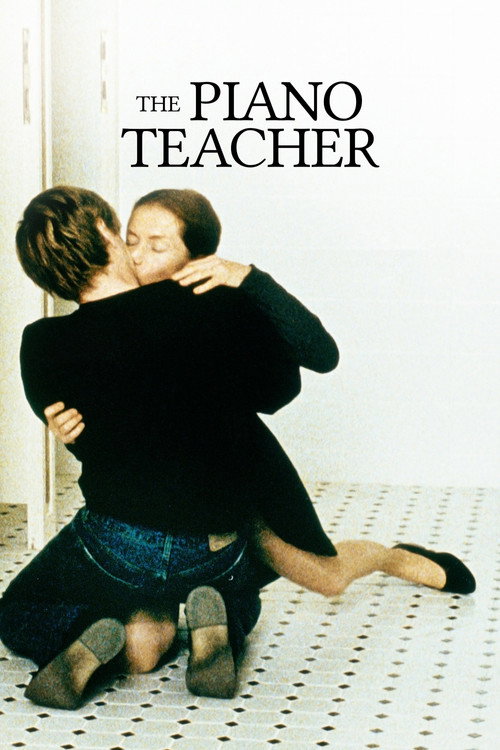
The Piano Teacher2001
Michael Haneke's confined psychological pressure cooker explores the collision of private worlds with similar intensity and moral discomfort to Panahi's scenario.
But It's sexually explicit and deeply disturbing; the psychopathology on display may repel viewers seeking lighter fare.
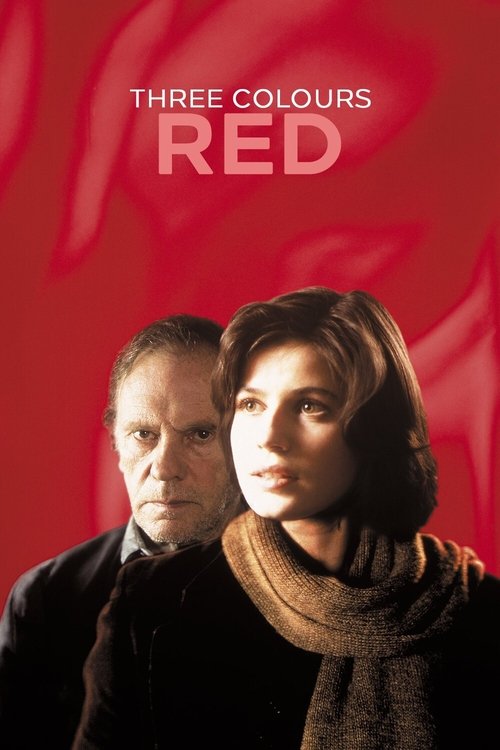
Three Colors: Red1994
Kieslowski's final meditation on fate and human connection uses a confined narrative space to explore moral interconnection, like Panahi's meditation on proximity and responsibility.
But It's deliberately fragmentary and philosophical, prioritizing thematic resonance over narrative clarity or emotional satisfaction.
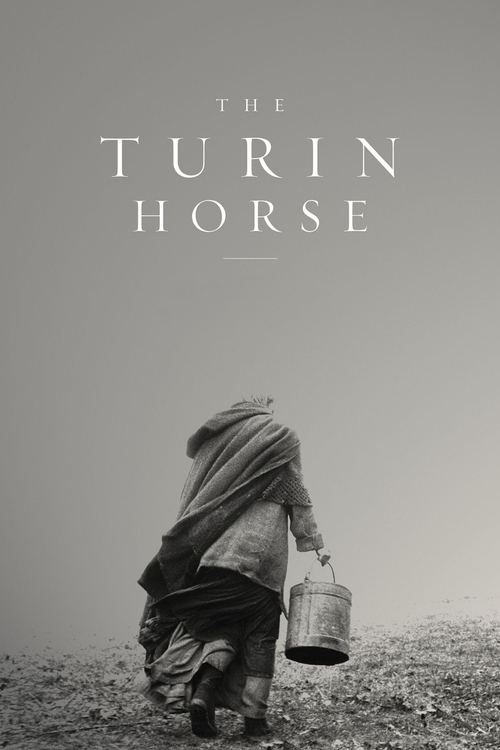
The Turin Horse2011
Both films use physical isolation and repetition as metaphors for artistic and spiritual exhaustion.
Béla Tarr's apocalyptic endgame—a final film about a man and woman in isolation as civilization collapses—shares Closed Curtain's hermetic dread and philosophical resignation. Tarr uses the same visual and emotional grammar of confinement as philosophy.
But It's filmed in black and white, moves at a funeral pace, and offers no narrative resolution or emotional catharsis. The worldview is unrelenting in its bleakness.
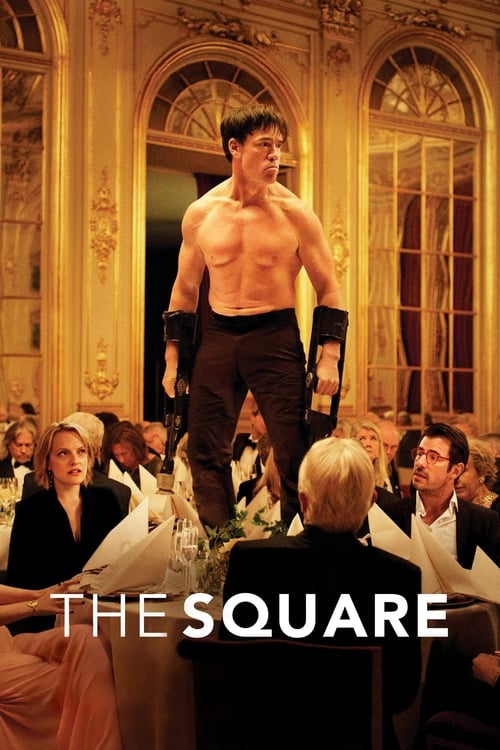
The Square2017
Both use confined social scenarios to expose the gap between what we profess and what we do, but register them in opposite keys.
Ruben Östlund's savage satire of art-world hypocrisy subverts Panahi's earnest moral inquiry by making the confined, performative scenario ridiculous instead of tragic. Where Closed Curtain asks what is right, The Square asks what is authentic, using absurdity rather than dread.
But It's a deliberately uncomfortable and often grotesque comedy; viewers seeking serious engagement or clear judgment will find its anarchic tone alienating or offensive.
People
Cast
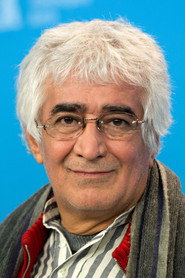 Kambuzia PartoviThe Writer
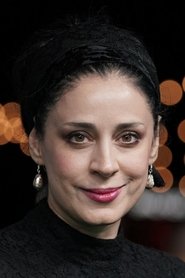 Maryam MoghaddamMelika
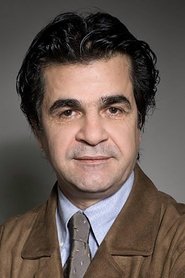 Jafar PanahiJafar Panahi
- Hadi SaeediMelika's Brother
- Azadeh TorabiMelika's Sister
- Abolghasem SobhaniAgha Olia
- Mahyar JafaripourYounger Brother
- Ramin AkharianiWorker
- Sina MashyekhiWorker
- Siamak AbedinpourWorker
- Zeynab KanoumHerself
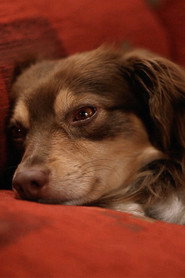 BoyBoy the Dog
Directing
- Jafar PanahiDirector
- Kambuzia PartoviDirector
Writing
- Jafar PanahiScreenplay
Production
- Hadi SaeediExecutive Producer
- Jafar PanahiProducer