
Film
The Man from London
A Hungarian railway worker finds a suitcase of money at a murder scene and says nothing, spiralling into moral corruption and paranoia. Béla Tarr's sparse, hypnotic vision transforms noir into something glacial and philosophical—less about solving crime than watching a man dissolve under the weight of his own silence. It's patient, sometimes punishing cinema for viewers who prize atmosphere and moral complexity over plot.
If you liked this
In the Mood for Love2000
Wong Kar-wai's jewelled meditation on longing and restraint, where characters communicate volumes through glances and colour. A masterclass in how cinema can render interior emotional life through pure visual language.
But Almost no dialogue, deliberately paced, plot is minimal. If you need narrative momentum to stay engaged, this will feel glacial.

The Third Man1949
The foundational noir about moral compromise in a corrupted city. Harry Lime's presence haunts the whole film. Orson Welles and Joseph Cotten navigate a Vienna fractured by ideology and greed.
But Post-war Vienna noir can feel dated. The zither score is eclectic and may distance rather than draw you in.

Memories of Murder2003
Bong Joon-ho's masterpiece about serial killing and police corruption in 1980s South Korea. Urgent, visceral, funny and devastating—it pivots between genres while remaining philosophically coherent.
But Blends tones aggressively. Its final act offers ambiguity rather than catharsis, which some find unsatisfying after such an involving build.

Not sure tonight? Get a pick in a minute, starting from The Man from London
The wildcard
Something you would not have found on your own.
Stalker1979
Both Tarr and Tarkovsky are metaphysical filmmakers who use crime, money, or desire as a framework for exploring moral paralysis and the weight of human consciousness. Neither rushes toward plot resolution.
Tarkovsky's philosophical science-fiction meditation on desire and faith. A guide leads travelers through a mysterious zone toward a wish-granting room. Hypnotic, metaphysical—cinema as philosophy rather than plot.
But Three hours of philosophical conversation punctuated by long, wordless sequences. Only for viewers willing to move at the film's own pace.

More like this (8)
The Killing1956
Kubrick's fractured heist film told in overlapping timelines. A racetrack robbery spirals into betrayal and death. It redefined how cinema could structure narrative and moral consequence.
But The fractured chronology can feel like a gimmick on first viewing. Dated in look and feel compared to modern crime drama.

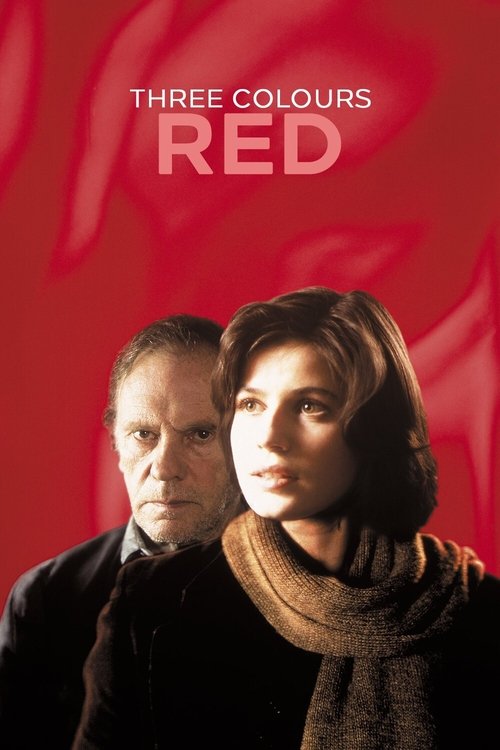
Three Colors: Red1994
Kieślowski's final masterpiece about chance, morality, and connection. A judge listens to others' conversations; a model becomes entangled in his life. Luminous, strange, deeply moving.
But Deliberately oblique. Narrative causality is metaphorical rather than literal. Requires emotional patience and intellectual surrender.
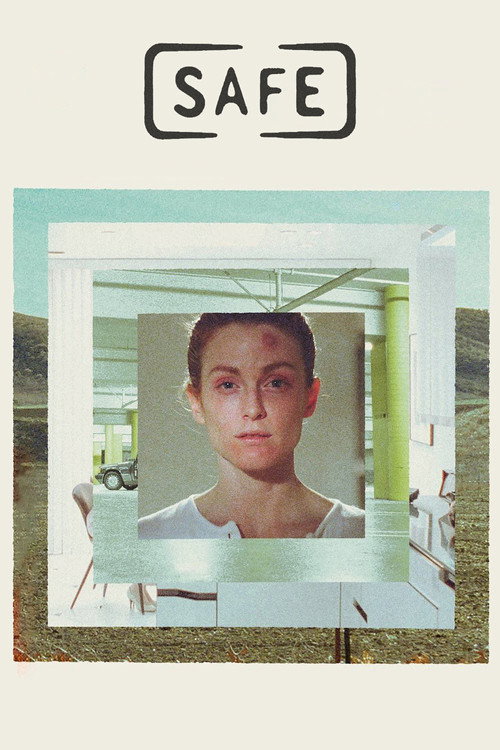
Safe1995
Todd Haynes's unsettling chronicle of a woman developing mysterious environmental illness. It's a portrait of isolation, paranoia, and medical gaslighting that feels increasingly prophetic.
But Deeply uncomfortable and offers no resolution. The slow dissolution of the protagonist can feel punishing rather than cathartic.
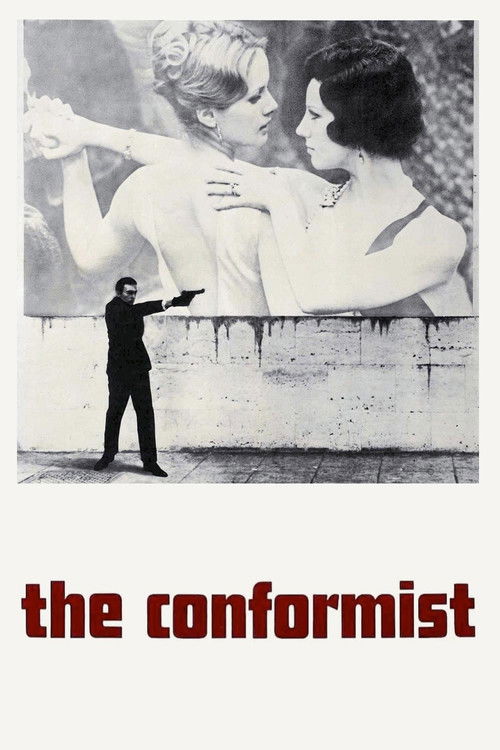
The Conformist1971
Bertolucci's baroque masterpiece about a man who betrays a friend to fascism. Visually intoxicating, morally complex, a tragedy about the seduction of moral surrender.
But Slow-burn plotting. Its glamour and decadence can overshadow the horror of its moral core if you're not attuned to subtext.
L'Avventura1960
Antonioni's elliptical mystery—a woman vanishes on an island and the search dissolves into romantic entanglement and existential malaise. A film about absence and modern alienation.
But Plot barely exists. If you want resolution or conventional mystery mechanics, this abandons them entirely for mood and psychology.

The Ballad of Little Jo1993
Maggie Greenwald's oddly tender western about a woman who disguises herself as a man to survive. Quietly radical, beautifully shot, morally surprising in its sympathies.
But Deliberately undramatic and low-key. Its revisionist approach to genre can feel subtle to the point of opacity.

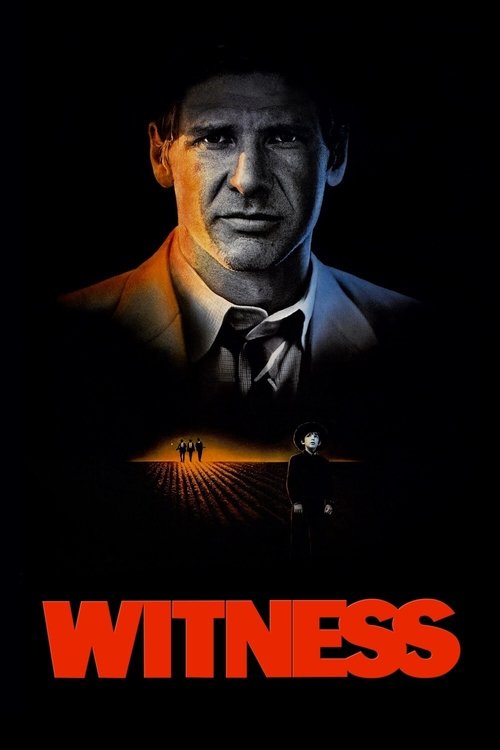
Witness1985
Both explore witness-silence as a moral crisis. But where Tarr's switchman stays silent out of complicity, Weir's thriller asks what we owe to those we protect, inverting the ethical equation entirely.
Peter Weir's Amish thriller: a cop hides in a rural community after a boy witnesses a murder. A genre film that becomes something richer—about belonging, violence, and cultural rupture.
But The script occasionally edges toward sentiment. Harrison Ford's emotional range is limited compared to the moral ambiguity the premise deserves.
Sexy Beast2001
Both use a corrupted pastoral setting as a stage for moral reckoning. But Glazer amplifies Tarr's restraint into visceral surrealism—the same dread, translated into a fever dream rather than a slow freeze.
Jonathan Glazer's hallucinatory crime film: a retired gangster's Spanish paradise is invaded by a terrifying enforcer. Surreal, visually startling, Ben Kingsley gives one of cinema's great performances of pure menace.
But Aggressively stylized and sometimes obscure. Its dream logic can feel more interested in surface than substance, and the sexual violence may alienate viewers.

People
Cast
 Miroslav KrobotMaloin
 Tilda SwintonCamélia
 János DerzsiBrown
 Ági SzirtesMrs. Brown
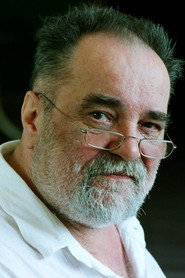 Gyula PauerKocsmáros
- Erika BókHenriette
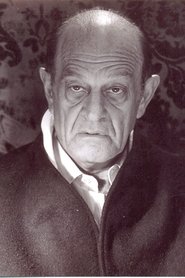 István LénártInspector Morrison




Directing
- László NemesAssistant Director
- Ágnes HranitzkyCo-Director
- Béla TarrDirector
Writing
- Georges SimenonNovel
- Béla TarrScreenplay
- László KrasznahorkaiScreenplay
Production
- Béla TarrAssociate Producer
- Miriam ZacharCo-Producer
- János Hevesi T.Executive Producer
- Juliusz KossakowskiExecutive Producer
- Lajos SzakácsiExecutive Producer
- Michael J. WernerExecutive Producer
- Wouter BarendrechtExecutive Producer
- Christoph HahnheiserProducer
- Gábor TéniProducer
- Humbert BalsanProducer
- Joachim von VietinghoffProducer
- Paul SaadounProducer