
Film
Until the End of the World
Wim Wenders' sprawling 1991 sci-fi odyssey follows a woman pulled into the orbits of criminals and a fugitive doctor racing across continents with a dream-recording device. It's patient, philosophical, sometimes baffling—a film that trusts you to find meaning in long takes and digression. For viewers drawn to ambitious genre cinema that meanders like a road trip and trusts silence.
Should you watch it?
Watch it if you love road movies where the journey matters more than the plot, and you don't mind a science-fiction idea treated as a melancholy backdrop for restless romance and wandering conversations.
Skip it if you need the plot to keep moving, because this one drifts for long stretches and its 158 minutes can feel like a lot of scenery.
What it asks of you: Long, unhurried stretches of attention: scenes linger on faces and landscapes, the pace stays slow, and the tone stays restless rather than explaining itself.
Not sure? Find tonight's pick in a minute.
If you liked this
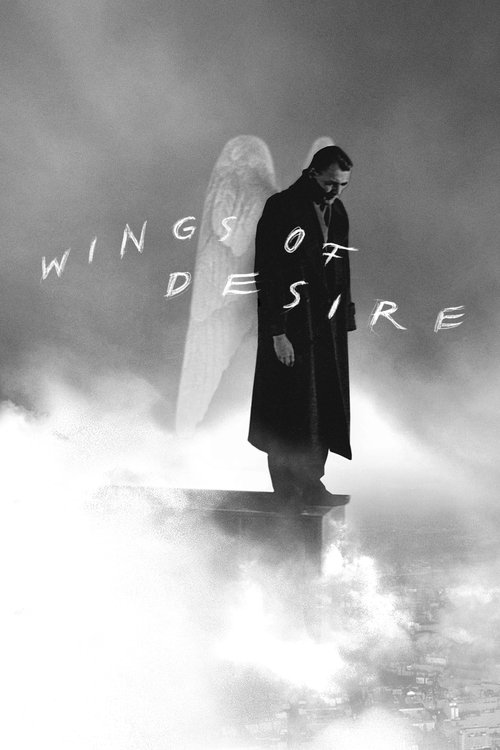
Wings of Desire1987
Another Wenders meditation on vision, mortality, and connection—angels observing Berlin. Shares the same patient, lyrical approach to big metaphysical questions and the visual poetry of watching people live.
But Slower than slow, and the angels can feel like an excuse for preciousness rather than a genuine framework. It asks a lot from stillness.
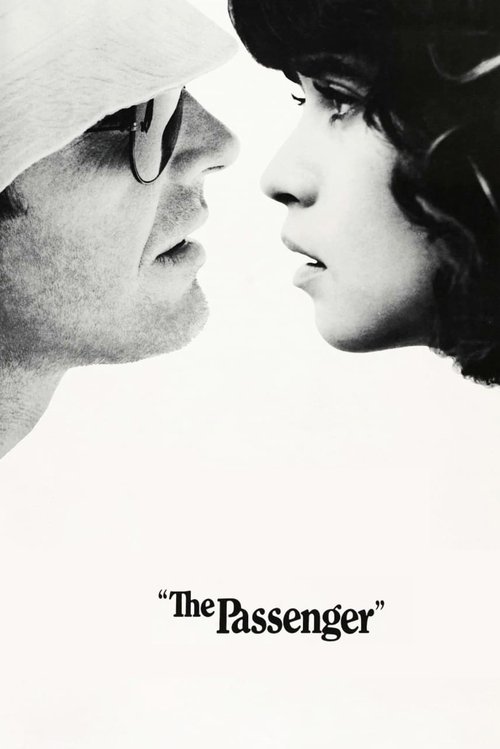
The Passenger1975
Antonioni's film about a man who assumes a dead man's identity and travels through Africa chasing an unknown purpose. Both are restless journeys about the unreliability of vision and the people we pretend to be.
But Deliberately obscure about its own meaning. The ending will either fascinate or infuriate you, and there's no middle ground.
Stalker1979
Tarkovsky's sci-fi pilgrimage to a mysterious room that grants wishes. Like Wenders, he builds dread and yearning from landscape and waiting. Both films treat technology as a doorway to the self, not a plot device.
But Glacially paced—163 minutes of walking through fields and corridors. If you need momentum, you'll fight it every step.

Not sure tonight? Get a pick in a minute, starting from Until the End of the World
The wildcard
Something you would not have found on your own.
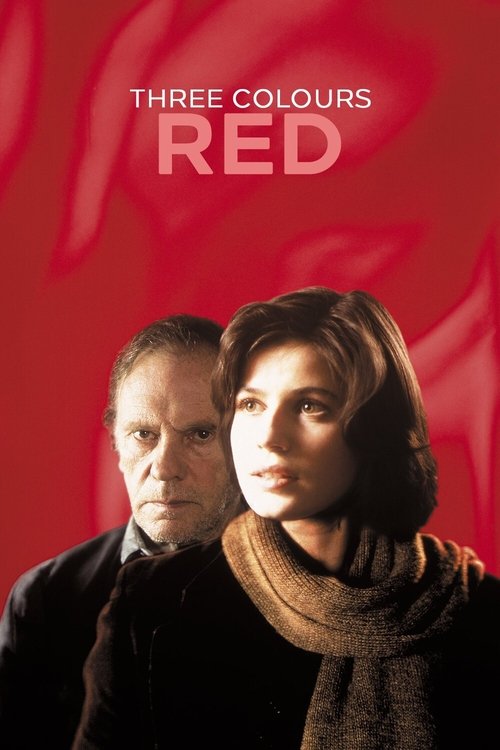
Three Colors: Red1994
Both films treat surveillance and the act of witnessing as a moral and spiritual practice; both believe strangers' lives are infinitely valuable when truly observed.
Krzysztof Kieślowski's final film, about a woman who discovers a retired judge eavesdropping on phone calls. Like Wenders, it treats voyeurism and accident as paths to revelation, and finds grace in the jumble of stranger's lives. More optimistic and crystalline where Wenders is diffuse.
But A meditation on fate told through overlapping strangers' stories. If you need a protagonist or clear throughline, it asks too much faith in coincidence.
More like this (8)
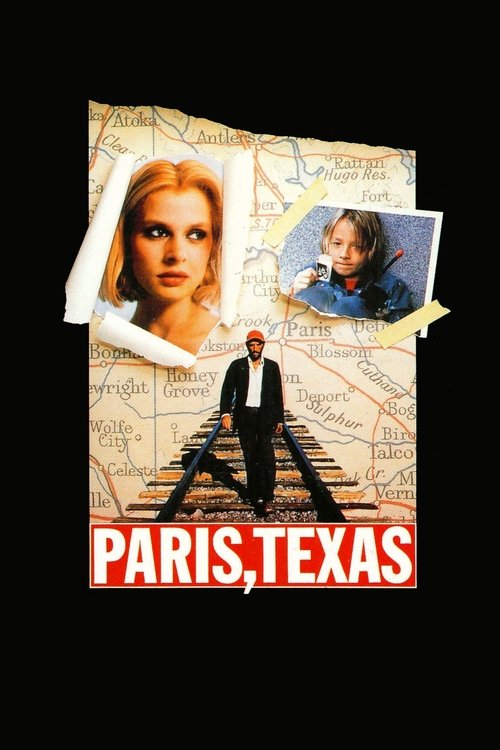
Paris, Texas1984
Wenders himself, returning to themes of fractured identity and the men who run from connection. Harry Dean Stanton's silence speaks louder than dialogue. Another road movie about people who can't quite arrive anywhere.
But Emotionally devastating in a way that feels relentless. The final sequence will gut you if you let it, and you might not want that.
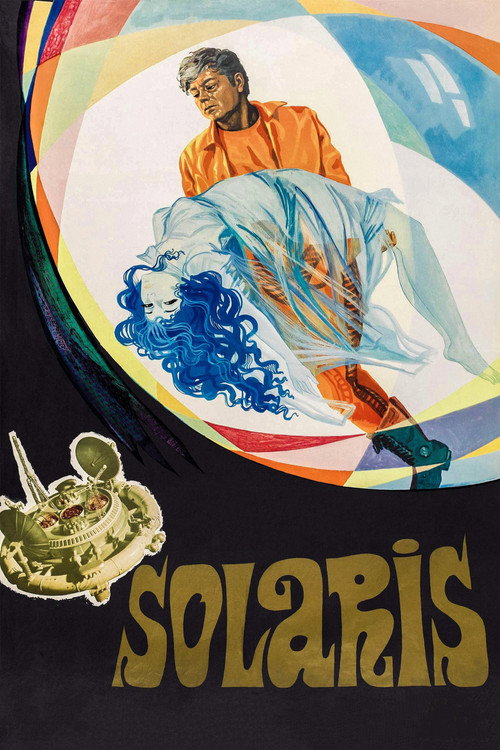
Solaris1972
Another sci-fi film about technology that forces us inward, about memory and the impossibility of truly knowing another person. Like Wenders, Tarkovsky uses the device to explore psychology, not plot.
But Three hours of Russian metaphysics. The pacing is punishing if you're looking for conventional drama or resolution.
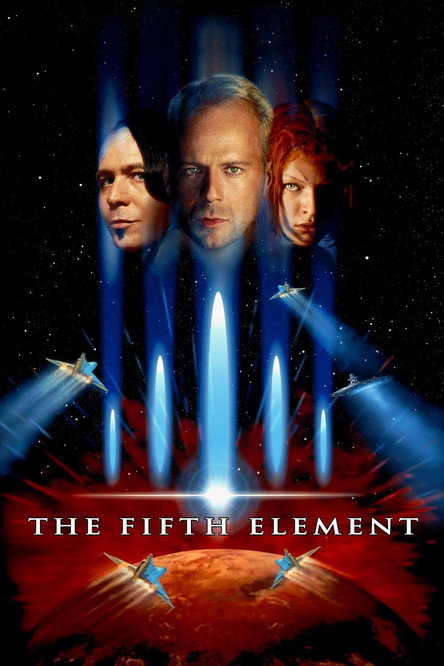
The Fifth Element1997
A sprawling action-adventure with heart, also set in the near future, also juggling romance and cosmic stakes across multiple continents. Lighter than Wenders, but the same appetite for visual spectacle and emotional sincerity.
But Cheerfully silly in ways that undercut the pathos. The camp can feel condescending if you want your sci-fi straight.
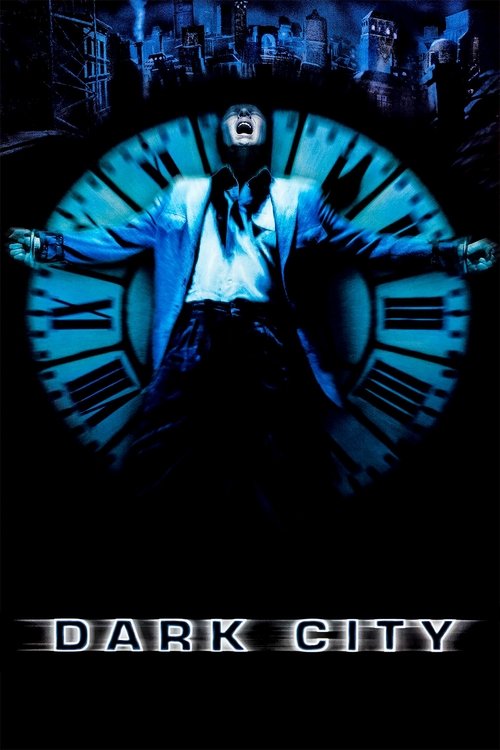
Dark City1998
A noir-inflected sci-fi about a man uncovering his true identity in a city that's not what it seems. Like Wenders, it uses memory and perception as the real subject, with the plot as a vehicle.
But The exposition-heavy finale deflates what came before. Knowing too much about the machinery sometimes ruins the mystery.
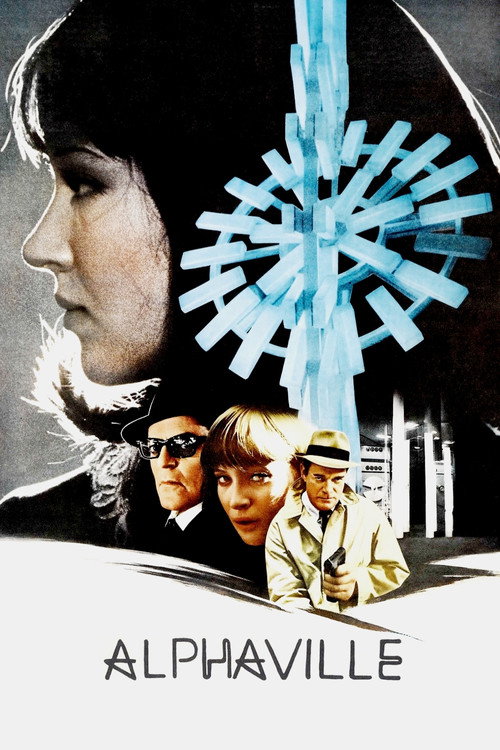
Alphaville1965
Godard's spy-fi film where a detective searches a computer-run future city for a missing scientist. It has Wenders' fascination with technology as a mirror for the human, wrapped in pulp narrative and formal experimentation.
But Aggressively avant-garde. If you want plot clarity or emotional accessibility, the deliberate alienation will feel like work rather than play.
Under the Skin2014
Scarlett Johansson as an otherworldly being moving through Glasgow, observing humanity. Shares Wenders' patience with observation and strangeness, its faith that mood and image can carry meaning beyond narrative.
But Virtually plotless and deliberately obscure. If you need your art to explain itself, this will feel like punishment disguised as cinema.

Memories of Murder2003
Both are road-movie narratives that span continents and time, where the journey matters more than arrival, and the real mystery is always about what lies inside people.
Bong Joon-ho's serial-killer mystery set in 1980s South Korea, vast in scope and moral ambition. Like Wenders, it refuses easy answers and tracks the corrosion of certainty across hundreds of miles and months. A genre film that becomes something deeper.
But The murders are graphically depicted and the tone is bleak without catharsis. It ends without resolution, which feels true but not soothing.

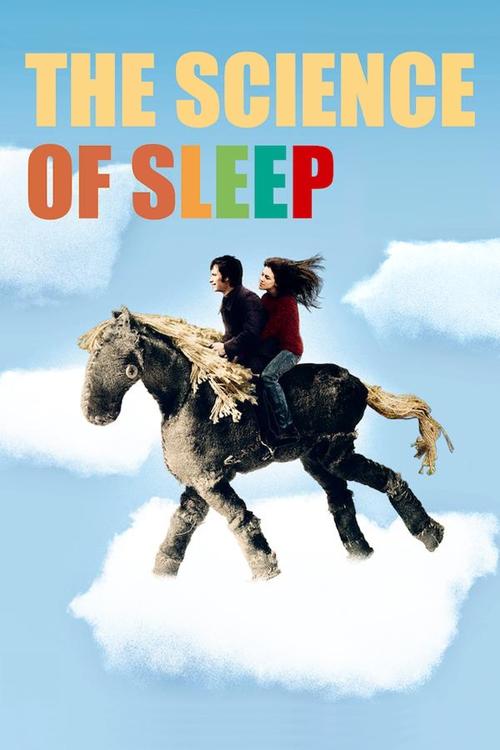
The Science of Sleep2006
Both films are fascinated by dreams as a technology of connection; both use surrealism as the grammar for intimacy and seeing another person's inner life.
Michel Gondry's fever dream about a man who can't distinguish his dreams from waking life, building fantastical devices to share them with a woman he loves. A whimsical, handmade answer to Wenders' dream-recording device—what if the dreams were more real than the world?
But The whimsy borders on twee, and the romantic subplot feels slight against the visual abundance. The protagonist's behavior reads as inconsiderate even if played for charm.
People
Cast
 Solveig DommartinClaire Tourneur
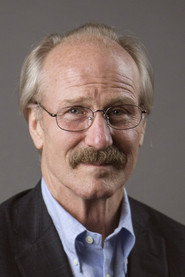 William HurtSam Farber, alias Trevor McPhee
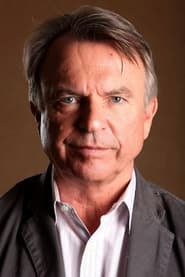 Sam NeillEugene Fitzpatrick
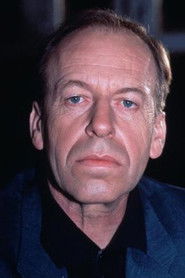 Rüdiger VoglerPhillip Winter
 Max von SydowHenry Farber
 Jeanne MoreauEdith Farber
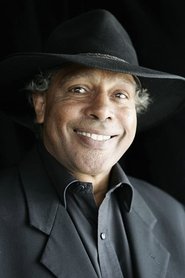 Ernie DingoBurt
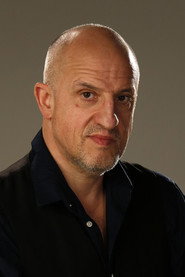 Chick OrtegaChico Remy
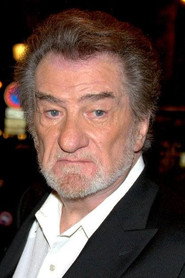 Eddy MitchellRaymond Monnet
 Chishū RyūMr. Mori
 Kuniko MiyakeMrs. Mori
 Adelle LutzMakiko
Directing
- Wim WendersDirector
Writing
- Peter CareyScreenplay
- Wim WendersScreenplay
- Solveig DommartinStory
- Wim WendersStory
Production
- Julia OvertonAssociate Producer
- Masa MikageAssociate Producer
- Walter DonohueAssociate Producer
- Wim WendersCo-Producer
- Greg CooteExecutive Producer
- Jean-Pierre Spiri-MercantonExecutive Producer
- Kim VeceraExecutive Producer
- Paulo BrancoExecutive Producer
- Rosanna RoditiLine Producer
- Anatole DaumanProducer
- Jonathan T. TaplinProducer
- Ulrich FelsbergProducer
- Paris ThemmenProduction Assistant