
Television series
The Men Who Made Us Spend
Jacques Peretti dissects the psychology and mechanics of consumerism in this sharp, accessible BBC documentary series. Through interviews with advertisers, designers, and psychologists, he reveals how planned obsolescence, emotional manipulation, and manufactured desire shape our spending habits. It's smart without being preachy—angry at systems rather than people—and genuinely eye-opening about the strategies that work on all of us.
Should you watch it?
Watch it if you enjoy tracing how everyday things were engineered to hook you, and you like a sharp presenter following the money trail through boardrooms and old marketing archives, much as Adam Curtis's documentaries make you think about the people behind a system.
Skip it if you want a rigorous economics lecture or a fresh take on consumerism; this is a populist, three-part overview, and its arguments can feel familiar if you already read about planned obsolescence.
What it asks of you: Three fifty-minute episodes, brisk and talky, with Peretti on camera asking questions and stopping to show you the evidence, so you need to be willing to follow an argument rather than just watch images.
Not sure? Find tonight's pick in a minute.
If you liked this
The Century of the Self2002
Adam Curtis traces how Freudian psychology was weaponized to engineer consent and desire in post-war capitalism. Deeply researched, visually inventive, and the foundational text for understanding modern consumer culture and political persuasion.
But It's four hours long, shot in a deliberately flat archival style, and Curtis's narration can feel dense. Requires active attention rather than passive viewing.
The Merchants of Cool2001
Douglas Rushkoff's MTV-era documentary about how youth marketing colonized teenage identity itself—how being yourself became a product. Eerily prescient about influencer culture and the monetization of authenticity before the internet made it obvious.
But The cultural references are very 2001, and the production style dates badly. Some arguments feel quaint now that Instagram has made everyone their own brand.
Super Size Me2004
Morgan Spurlock eats only McDonald's for a month and documents the physical and psychological effects. A direct, visceral look at how corporate health messaging contradicts their actual products, and how difficult it is to opt out.
But The stunt format can feel gimmicky, and the health science is actually shakier than it appears. Nutritionists have poked significant holes in his methodology.

Not sure tonight? Get a pick in a minute, starting from The Men Who Made Us Spend
The wildcard
Something you would not have found on your own.
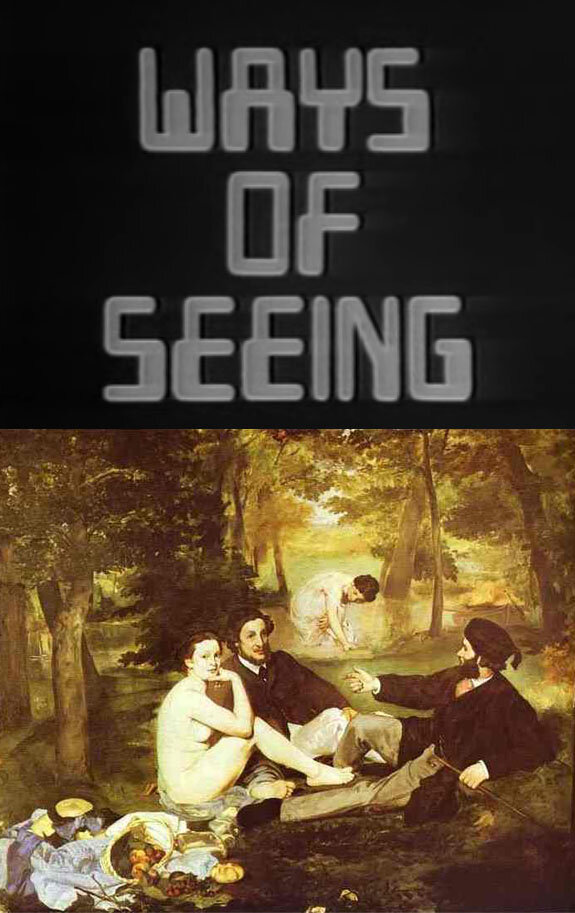
Ways of Seeing1972
Both are BBC documentaries that decode the hidden mechanics of how we're persuaded. Berger asks how images create desire; Peretti asks how desire is weaponized into spending. One is the theory, one is the contemporary application.
John Berger's foundational BBC series decodes how images and visual culture manufacture meaning and desire. Only five episodes, 25 minutes each, and utterly alive. It's the philosophical ancestor of everything Peretti is investigating—the grammar of how we're sold to before the methods got this sophisticated.
But Made in 1972 and the visual language is hypnotic but sometimes impenetrable to modern eyes. Very theoretical; if you want immediate practical takeaways, this goes deeper than that.
More like this (5)
The True Cost2015
Follows fast fashion from the high street back to garment factories in Bangladesh and Cambodia. Haunting, beautifully shot, and impossible to unsee—puts flesh on the abstract word 'consumption' by showing you who pays.
But Can feel like poverty tourism at moments. Also, once you know, shopping becomes ethically fraught without necessarily offering real alternatives you can afford.

Fyre2019
A wildly entertaining documentary about a failed music festival that was pure marketing manipulation and fraud. It's a case study in how social media and influencer culture can sell people an elaborate fiction if the story is attractive enough.
But The tone is sometimes mocking rather than investigative, and it can feel like spectacle rather than analysis. You'll enjoy the disaster without fully grasping why it worked.

The Marketing of Madness: Are We All Insane?2010
Examines how pharmaceutical companies market conditions and disorders to expand drug markets—turning normal human experiences into medical crises requiring consumption. Specific, well-documented, and unsettling about consent and information asymmetry.
But It has a conspiratorial edge that sometimes tips into dismissing psychiatric medicine itself. Worth watching but keep your critical eye on; the film's own agenda shows.
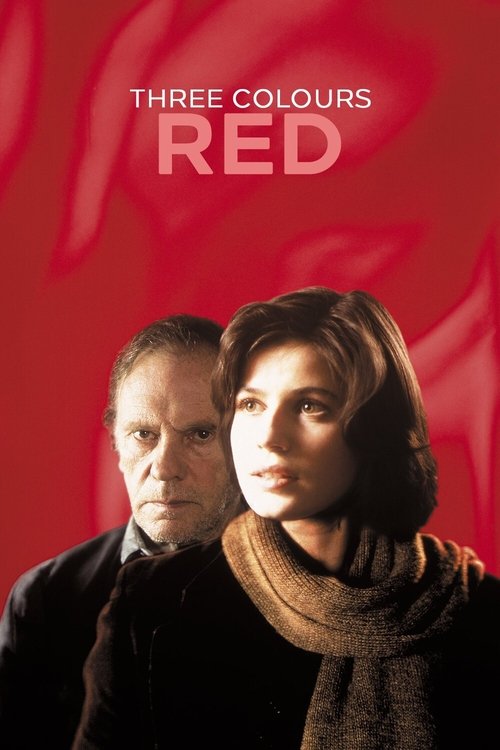
Three Colors: Red1994
Peretti investigates systems designed to know and manipulate us; Kieslowski investigates the voyeurism and surveillance that underlies those systems. One shows you how you're sold to; this shows you how you're watched, often by the same people.
Kieslowski's enigmatic final film about a model who stumbles into a judge's wiretapping hobby—a meditation on voyeurism, chance, and the invisible systems that connect strangers. Filmed as a mystery but it's really about surveillance and being watched without consent, which is consumption's evil twin.
But Oblique, slow, and refuses to explain itself. The plot barely matters; if you need narrative drive and resolution, this will frustrate you profoundly.
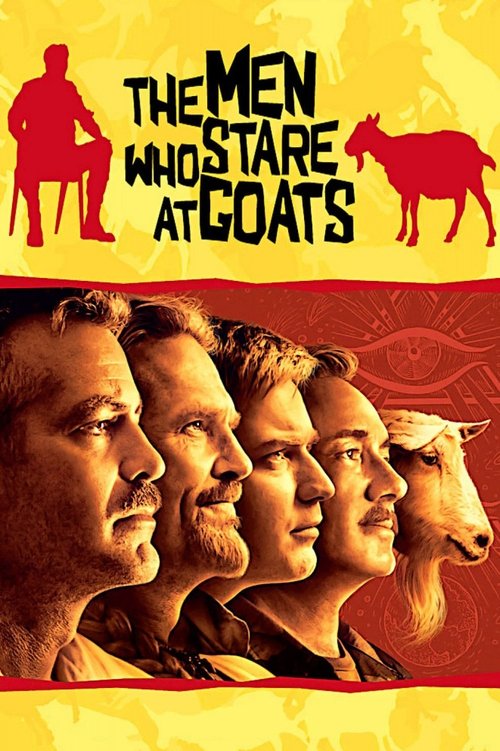
The Men Who Stare at Goats2009
Both investigate how persuasion works at a systemic level—how false needs and false belief systems get embedded in institutions. Peretti looks at commercial persuasion; this looks at military and ideological persuasion using identical psychology.
A darkly comedic thriller that follows American military programs attempting to weaponize New Age mysticism—a true story told as farce. It's nominally a spy film but really it's about how institutions sell themselves plausible nonsense, and how belief becomes a product to be manufactured and deployed.
But The tonal whiplash between comedy and espionage thriller is intentional but destabilizing. You'll never quite feel settled about whether to take it seriously, and the real scandal gets buried in the jokes.
People
Cast
 Jacques PerettiPresenter
Recommended by
The Toys That Built America, Car S.O.S, Civilization: Is the West History?, Once in a Lifetime: The Extraordinary Story of the New York Cosmos