
Television series
The Toys That Built America
A four-part docuseries that treats toy innovation as serious American history. Against wars and economic collapse, it tracks visionaries like Ruth Handler and Milton Bradley building billion-dollar empires from Barbie to Monopoly. Blends reenactments, archives, and expert interviews into a genuinely surprising story about how playthings shaped culture.
Should you watch it?
Watch it if you enjoy business and invention stories told as lively detective work, where a plain product turns out to have a bigger backstory than anyone expected.
Skip it if the reenactments and talking heads keep it tidy and surface-level, so if you want a deep or skeptical look at corporate history, this will feel light.
What it asks of you: Each episode is short, under an hour, so it moves in brisk, easy chunks that suit a lunch break or a loose evening.
Not sure? Find tonight's pick in a minute.
If you liked this
The Men Who Made Us Spend2014
Three-part BBC series examining how advertising and consumer psychology shaped modern commerce. Feels like the sophisticated older sibling to Toys—same inquiry into what drives markets, far deeper into manipulation and desire.
But Heavy on critique rather than celebration. If you want feel-good innovation stories, this gets grimmer about the machinery beneath them.
O.J.: Made in America2016
Airs on the same network with identical DNA: how ordinary products became cultural institutions. Watches briskly, hits the same nostalgic buttons, expands the lens beyond toys to sneakers, jeans, motorcycles.
But Follows the same template closely enough that back-to-back viewing can blur together. Less cinematically ambitious than you might hope.
A Brief History of Time1991
Stephen Hawking biopic that, like Toys, treats intellectual ambition as the real story. Shares the documentary's eye for how one person's obsession reshapes the world.
But Dense and cerebral where Toys is colorful and playful. Hard science against toy boxes. Tonal whiplash.
Not sure tonight? Get a pick in a minute, starting from The Toys That Built America
The wildcard
Something you would not have found on your own.
Mad Men2007
Both documents how consumer desire is manufactured and sold to America. Toys shows the product; Mad Men shows the con.
Seven seasons following advertising executives building American desire from the 1960s onward. Toys asks how toys shaped culture; Mad Men asks who shaped the desire for toys. It's the invisible machinery of the world Toys celebrates.
But Slow, character-driven, with office politics that move glacially. If you want quick facts and thrills, Mad Men is a 93-hour patience test.
More like this (3)
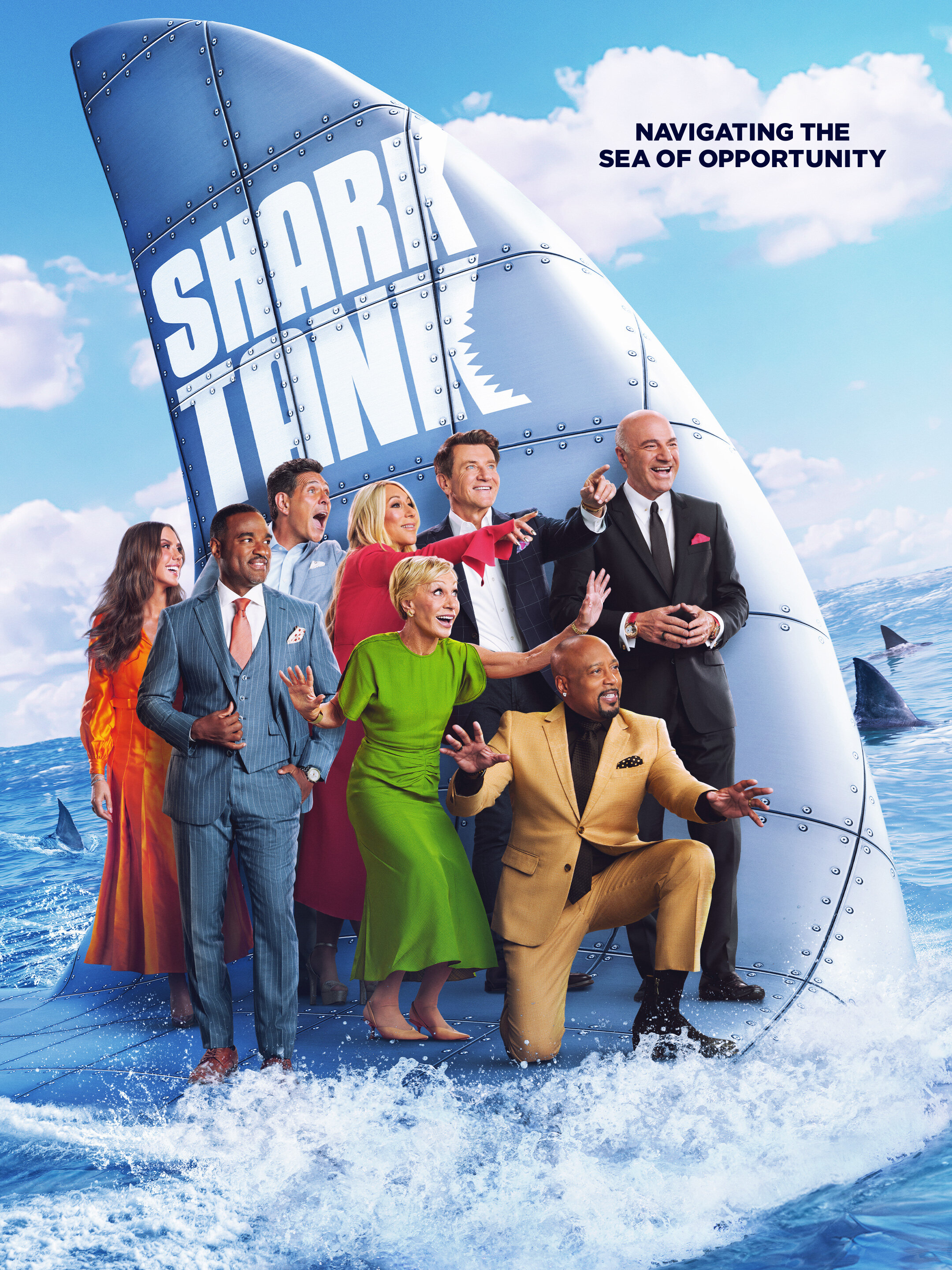
Shark Tank2009
Reality competition where entrepreneurs pitch product ideas to investors. If Toys sparked curiosity about how great products actually come to market, this shows the pitch-and-judgment process in real time.
But Most pitches are forgettable. The format can feel repetitive fast, and success rate is frustratingly low.
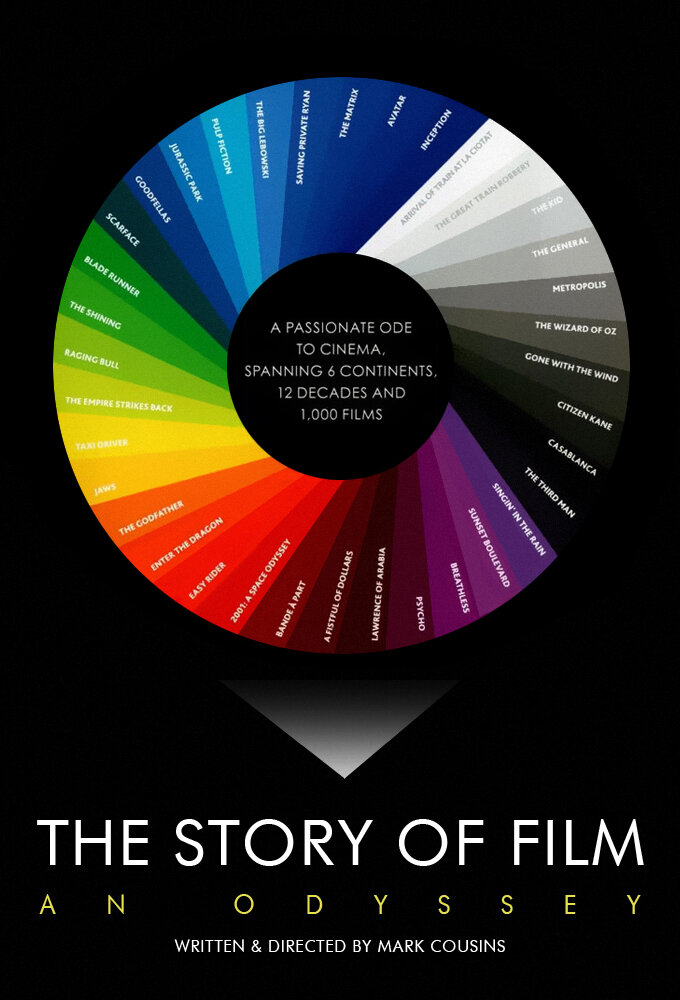
The Story of Film: An Odyssey2011
Both argue that seemingly frivolous popular culture—toys, movies—are actually the real engines of history. Same reverence for humble things.
Mark Cousins' 15-hour essay on cinema history using the same thesis as Toys: how a medium's evolution reflects and reshapes a nation. Treats movies the way Toys treats playthings—as serious cultural architecture.
But Glacially paced and wildly digressive. You need to sit with it like literature, not background noise. Some films are obscure enough to feel pretentious.
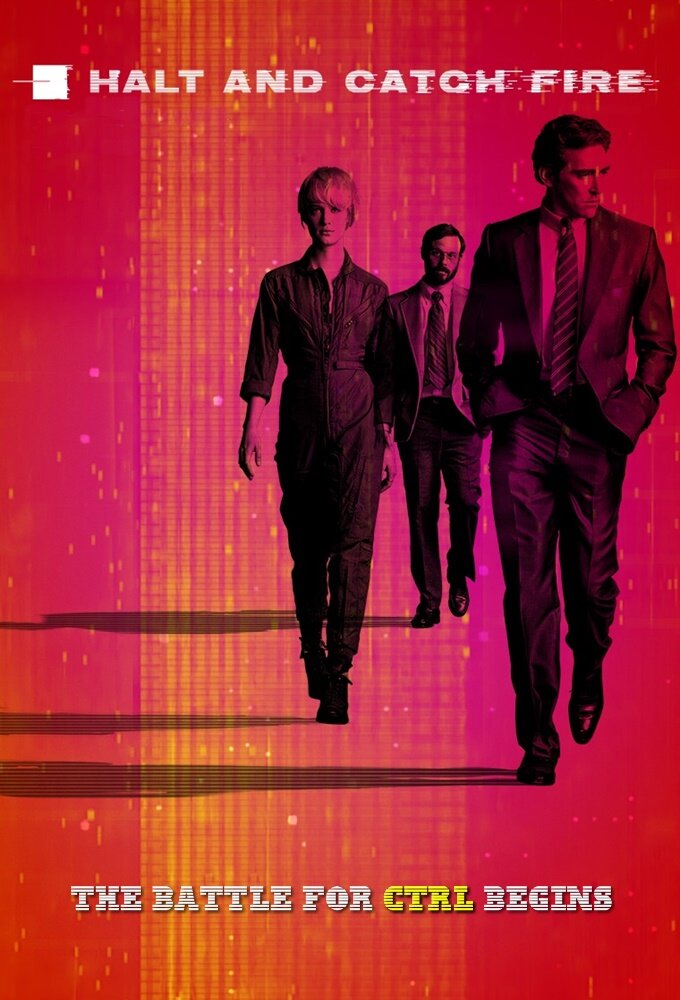
Halt and Catch Fire2014
Both honor the visionaries and underdogs who built modern America, but Halt and Catch Fire asks whether the cost was worth it. Toys celebrates; this interrogates.
Four seasons about personal computer engineers in the 1980s-90s, told with the same eye for how inventors and entrepreneurs reshape society. Less about the product's timeline, more about the obsessive humans driving innovation forward.
But Melodrama underneath. Relationships deteriorate; ambition corrodes friendships. If you want uncomplicated celebration of progress, this gets morally complicated.
People
Cast
- Ian KarrNarrator