
Television series
The Story of Film: An Odyssey
- Light-hearted
Mark Cousins' 15-hour love letter to cinema, tracing film history through innovation and invention rather than chronology. He moves fluidly across decades and continents, showing how techniques and ideas spread, collide, and transform. It's a masterclass that feels like a conversation with someone who's watched everything and actually understands why it matters. For anyone who suspects there's more to cinema than they've found.
Should you watch it?
Watch it if you already treat movies as a personal obsession and want an enthusiastic guide who argues for his favourites across the whole history of the medium, rather than a neat chronology of hits.
Skip it if you want a neutral, measured survey you can sit back and absorb; this is opinionated and restless, wandering off after its own enthusiasms.
What it asks of you: Fifteen hour-long episodes, a commitment spread over many evenings. Each is talky and essayistic, with clips doing much of the work, so keep your eyes on the screen.
Not sure? Find tonight's pick in a minute.
If you liked this
Singin' in the Rain1952
A perfect distillation of what cinema can do: joy, technical virtuosity, and narrative all moving together. The choreography alone justifies its place in any history of the medium.
But If you want plot momentum or contemporary pacing, this will feel deliberately slow. It's about savoring moments, not rushing through them.

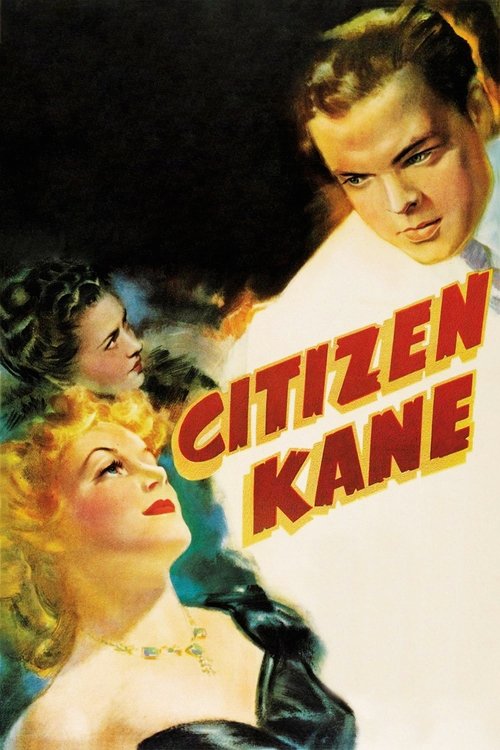
Citizen Kane1941
Welles doesn't just make a film here; he invents techniques that cinema is still using. Cousins circles back to it constantly because it's genuinely foundational—he shows you why.
But It can feel like homework if you're expecting narrative propulsion. The formal innovations matter more than the story, which some find distant.
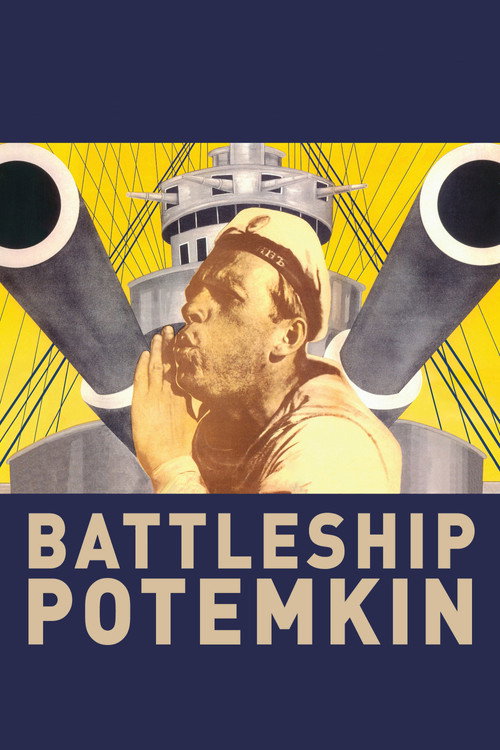
Battleship Potemkin1925
Eisenstein's montage sequences literally changed how filmmakers think about editing. Cousins unpacks the grammar he created, and suddenly you see it everywhere in modern cinema.
But It's silent, it's Soviet, and it's deliberately propagandistic. The emotional register is operatic, which isn't everyone's evening.
Not sure tonight? Get a pick in a minute, starting from The Story of Film: An Odyssey
The wildcard
Something you would not have found on your own.
Stalker1979
Both are meditations on what cinema can express that other art forms cannot. Cousins argues that film's power lies in duration and the patient accumulation of images; Tarkovsky proves it.
Tarkovsky's sci-fi parable about desire and the impossibility of revelation. It's a philosophical film disguised as a genre piece—slow, hypnotic, and quietly devastating. Cousins references Tarkovsky's influence on visual language, but this shows his deepest preoccupation.
But Nearly three hours of people walking through a landscape, talking obliquely about meaning. If you need plot momentum or spectacular sci-fi, this will feel airless and pretentious.

More like this (8)
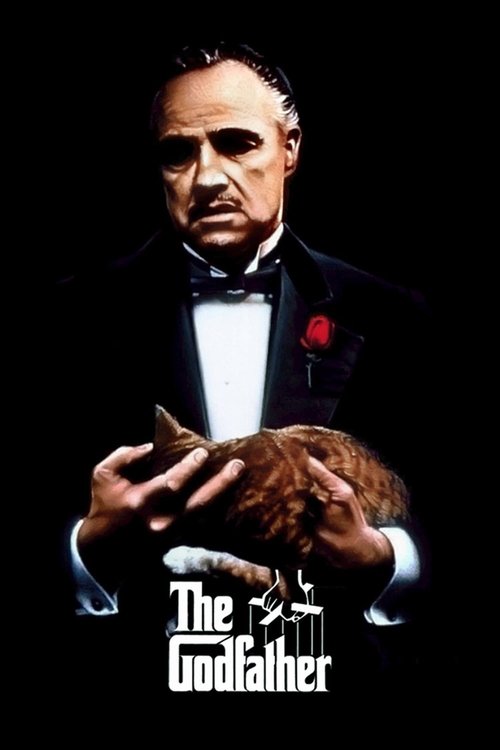
The Godfather1972
Coppola synthesizes decades of cinema history into one film. Cousins shows how Coppola learned from Italian neorealism, American noir, and theatrical tradition to build something entirely new.
But You've probably seen it. Revisiting it specifically for technical analysis might feel redundant if you're already familiar.
Tokyo Story1953
Ozu's stillness and compositional control represent an entirely different cinema philosophy from the Western tradition. Cousins makes the case that this is just as innovative as Welles, just quieter.
But Almost nothing happens. Characters sit, talk, pause. If you need narrative momentum or dramatic peaks, this will feel unbearably patient.

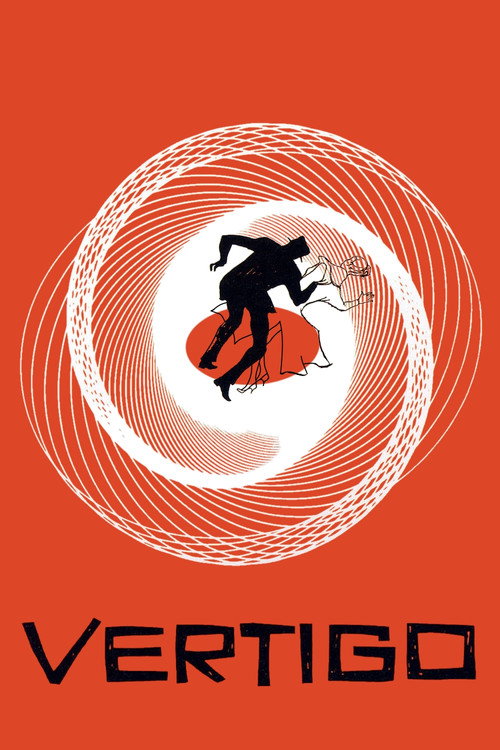
Vertigo1958
Hitchcock as formal experimenter, not just thriller-maker. Cousins examines the camera movement, color, and psychological architecture that make this endlessly rewatchable and genuinely unsettling.
But The gender dynamics are deeply uncomfortable and central to the film. If you need your heroes to be morally uncomplicated, this will trouble you.
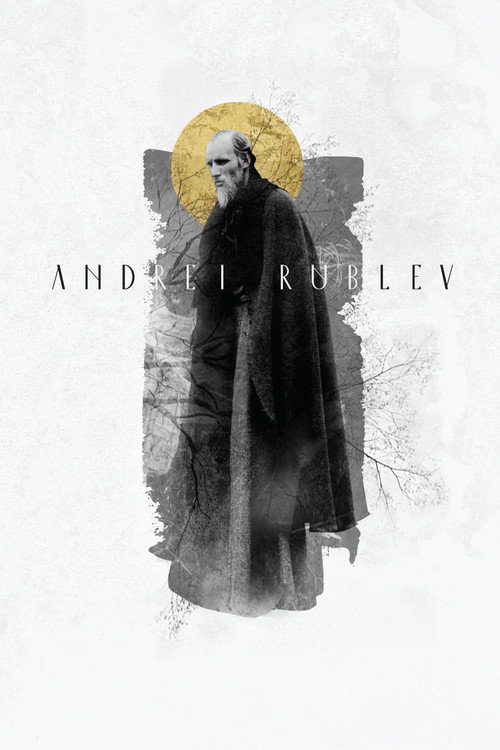
Andrei Rublev1966
Tarkovsky's three-hour meditation on art, faith, and creation. Cousins treats it as a watershed moment when cinema became genuinely philosophical, not just narrative or spectacle.
But It's a glacial masterpiece where very little happens externally. Long takes, minimal dialogue, and philosophical density will exhaust anyone wanting simple entertainment.
A Prophet2009
A contemporary film that proves cinema's formal language is still evolving. Audiard's control of space and violence shows how a modern director can work in the traditions Cousins charts.
But It's brutal and claustrophobic, set almost entirely in a French prison. The violence is unflinching and the emotional tone is cold.

Man with a Movie Camera1929
Vertov's experimental documentary is pure cinema—no plot, just the camera seeing the world in new ways. It's the moment someone realized film didn't need narrative to be profound.
But It's abstract and deliberately anti-narrative. If you came for story or character, you'll find neither. It demands active viewing, not passive watching.

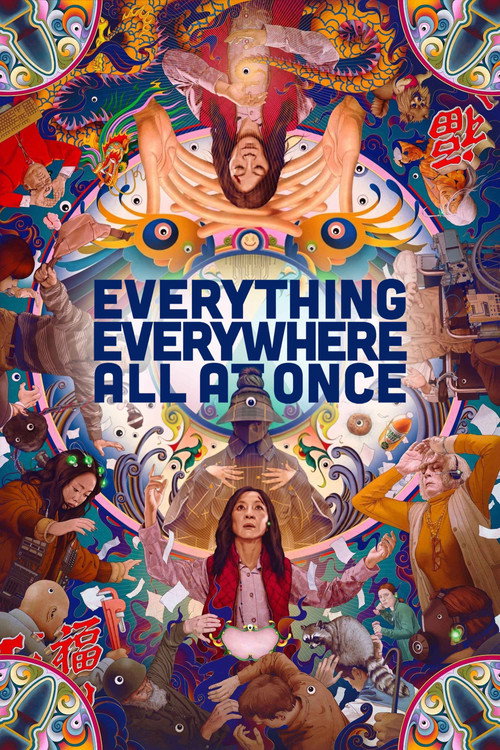
Everything Everywhere All at Once2022
Where Odyssey looks backward at cinema's history, this film synthesizes that history in real time—weaving silent comedy, martial arts, melodrama, and experimental technique into one present-tense argument about what movies are.
The Daniels' genre-colliding multiverse film speaks directly to Cousins' central thesis: that cinema is a language built by stealing from every tradition and combining them in new ways. It's a love letter to cinematic possibility.
But The visual excess and genre-hopping can feel chaotic. If you prefer classical clarity and focused storytelling, this will seem deliberately fragmented and exhausting.
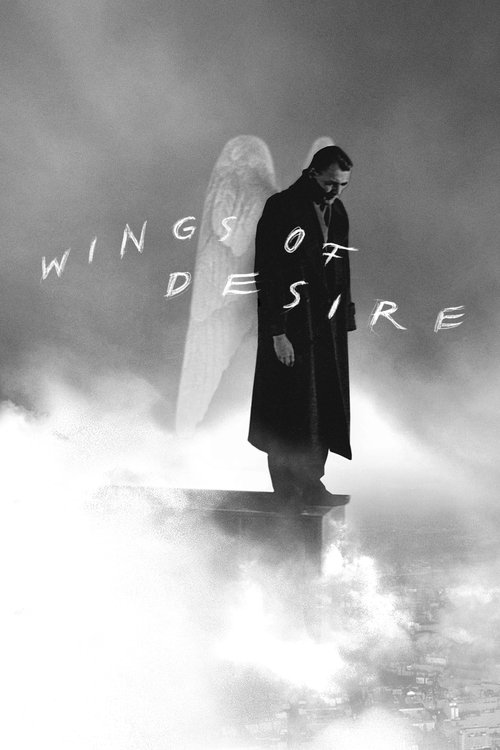
Wings of Desire1987
Cousins repeatedly argues that cinema's greatest strength is its ability to hold duration, to let time pass in image. This is cinema doing exactly that—making profound meaning from watching, waiting, and seeing.
Wim Wenders' Berlin poem about angels watching humanity is purely cinematic—what it expresses through image and duration could not exist in prose or theatre. It's the most moving argument for film as meditation that exists.
But It's structurally loose and philosophically languid. There's no traditional dramatic arc, just prolonged reflection. Some will find it precious; others will leave restless.
People
Production
- John ArcherProducer
Recommended by
The Toys That Built America, Tim's Vermeer, The Great American Read, Pyramid, The Silk Road