
Film
The Merchants of Cool
Douglas Rushkoff's essential 2001 investigation into how the music and entertainment industries manufacture cool for teenagers. Sharp-eyed and urgent, it captures a specific moment when corporate America realized it could profit enormously by studying, then repackaging, youth rebellion. Vital for anyone who wants to understand how we got here.
Should you watch it?
Watch it if you enjoy sharp media criticism that pulls back the curtain on how youth culture gets packaged and sold, and you like hearing the people doing the selling admit how it works.
Skip it if you want a film that moves briskly or dazzles visually; this one leans on talking heads and archival clips, so the pleasure is in the argument rather than the spectacle.
What it asks of you: Under an hour, mostly interviews and assembled footage, with a steady, unhurried pace that rewards you for keeping track of the ideas being built one after another.
Not sure? Find tonight's pick in a minute.
If you liked this
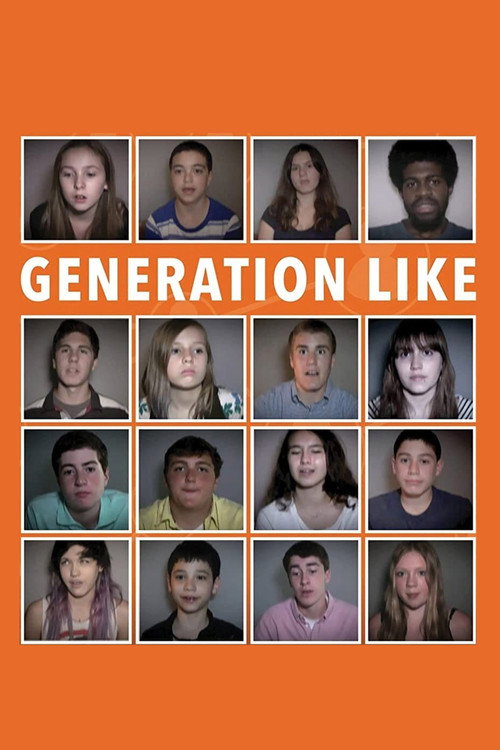
Generation Like2014
Chris Poole's follow-up explores how social media transformed the mechanisms Rushkoff identified—now teens perform coolness for algorithms and peer validation. Sees the full pipeline from manufacturing to internalization.
But Slower and more meditative than The Merchants of Cool, with less of the satirical bite. Some sections feel repetitive about influencer culture.
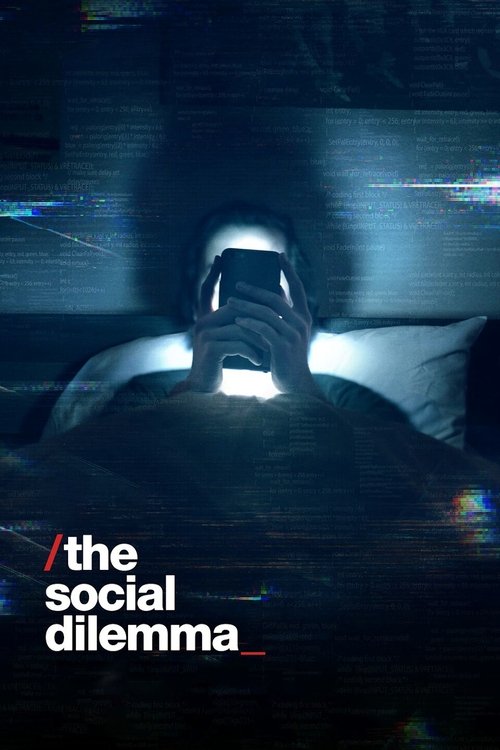
The Social Dilemma2020
Expands Rushkoff's thesis to the digital age, with Silicon Valley insiders revealing how platforms weaponize psychology to capture attention and shape behavior. Fast-paced and genuinely alarming.
But Sometimes simplifies complex systems into villain-versus-victim narratives. The dramatized sequences feel unnecessary and cheapen the argument.
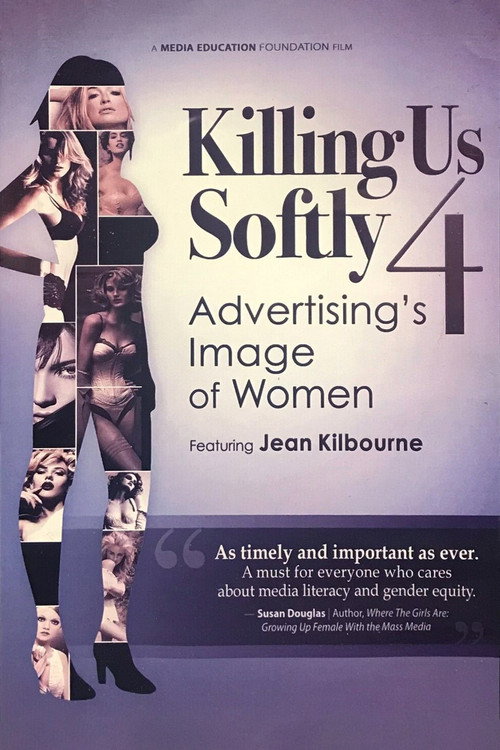
Killing Us Softly 4: Advertising's Image Of Women2010
Jean Kilbourne's masterclass in decoding advertising's assault on body image and identity. Complements Rushkoff by showing how marketing colonizes our deepest insecurities, not just our taste in music.
But Focuses entirely on advertising, so you don't get the entertainment-industry specifics. The examples can feel familiar if you've absorbed media criticism before.
Not sure tonight? Get a pick in a minute, starting from The Merchants of Cool
The wildcard
Something you would not have found on your own.
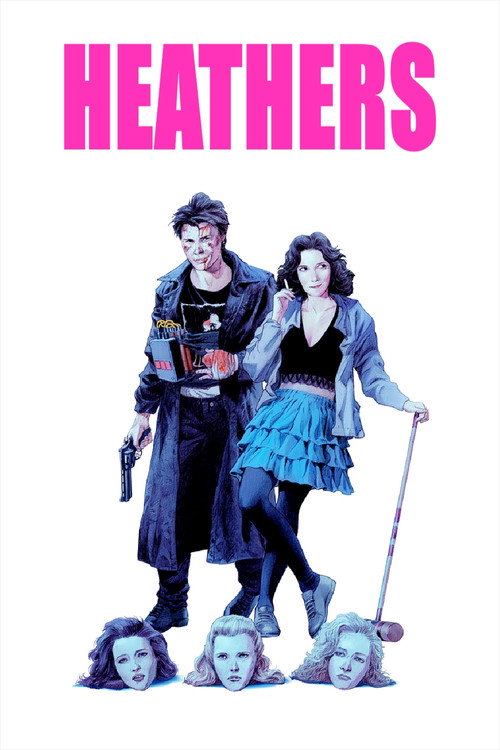
Heathers1989
Both are dissections of manufactured teenage cool and the desperation beneath the performance. Heathers shows the emotional cost; Merchants of Cool shows the corporate mechanism.
A dark comedy that savage-mines the exact machinery Rushkoff examines—how teens perform identity to survive social hierarchy, how rebellion gets commodified instantly. Before the internet, it saw everything coming.
But Thirty-two years old and satirizing a high school ecosystem that no longer exists. The '80s setting can feel distant and the pitch-black tone is exhausting.
More like this (6)
The Century of the Self2002
Adam Curtis's four-part series traces propaganda and consumer psychology from Bernays through the present. Epic in scope and deeply unsettling—the DNA of what The Merchants of Cool documents.
But Deliberately dense and formally challenging. Curtis doesn't hold your hand; you need patience and probably a second viewing to absorb it.
Super Size Me2004
Morgan Spurlock applies Rushkoff's investigative energy to corporate food marketing and its health consequences. Participatory and visceral in a way that makes abstraction tangible.
But The stunt-documentary format feels dated now. Some of the film's health claims have been disputed, which muddles its message.
The True Cost2015
Follows the supply chain of fashion marketing to expose the human cost behind the cool. Shows how the same corporate logic Rushkoff identifies applies across industries.
But Can veer into guilt-tripping rather than analysis. Some sequences prioritize emotional impact over clarity about systemic solutions.
Archer2009
An HBO documentary about the opioid crisis with a marketing angle: how corporations used the same psychological tactics discussed in Merchants of Cool to addict a generation.
But Bleak and infuriating in ways that can feel overwhelming. The marketing angle is one thread among many, not the primary focus.

Our Cartoon President2018
Satire about how Trump weaponizes pop culture and media spectacle. Darkly funny and surreal in a way that feels like a logical endpoint to Rushkoff's warnings about image management.
But The satire is blunt and occasionally mean-spirited. If you hated Trump, you've already seen this critique; if you liked him, nothing will sway you.
Joyride2022
Where Merchants of Cool was a warning, Joyride is what that warning looks like on the ground: teenagers internalizing the surveillance, turning it into art and survival.
A deceptively simple road movie about two teens learning to perform version of themselves for the internet. Less lecture, more lived experience—you feel the trap rather than being told about it.
But Quiet and character-driven in ways that can feel slow. Offers no answers, only the texture of what Rushkoff was warning about.

People
Cast
 Douglas RushkoffSelf
 Greg BerlantiSelf
 Jessica BielSelf
 Adam CarollaSelf
 Fred DurstSelf
 Malcolm GladwellSelf
 Carson DalySelf
- Lewis GoldsteinSelf
 Shaggy 2 DopeShaggy 2 Dope
- Brian GradenSelf
 Tom GreenSelf (archive footage)
Directing
- Barak GoodmanDirector
Writing
- Rachel DretzinWriter
Production
- Barak GoodmanProducer
- Rachel DretzinProducer
- Sam BaileyProducer
Recommended by
The Men Who Made Us Spend, Advertising and the End of the World