
Film
Advertising and the End of the World
Sut Jhally's sharp 46-minute essay argues that advertising doesn't just sell products—it sells a worldview fundamentally at odds with human flourishing and planetary survival. Using commercial imagery as primary text, he traces how marketing has colonized our desires and short-circuited our capacity for collective thinking. Essential viewing for anyone who wants to see the machinery laid bare.
Should you watch it?
Watch it if you like a lecture-style essay that takes ordinary ads seriously as evidence and builds its case patiently, one argument at a time.
Skip it if you want images, characters or any sense of story; this is mostly a speaker making points, and it may feel like a sermon if you already share its doubts.
What it asks of you: Under an hour of close attention to argument rather than spectacle; you listen more than you watch, so it rewards a quiet room and a willingness to follow reasoning.
Not sure? Find tonight's pick in a minute.
If you liked this
The Century of the Self2002
Adam Curtis traces how Freudian psychology became the blueprint for modern advertising and political manipulation. Four hypnotic hours on how corporations learned to engineer consent and desire itself.
But Dense, deliberately paced, and sometimes frustratingly digressive. Curtis requires your full attention and rewards impatience with confusion.
Killing Us Softly 4: Advertising's Image Of Women2010
Jean Kilbourne's definitive lecture-film on how advertising warps body image, especially for women. Clear-eyed, furious, and packed with evidence that lands harder than any argument.
But Focuses heavily on female objectification; male viewers sometimes miss the broader critique. The slideshow format can feel dated now.
The Social Dilemma2020
Concerns itself with attention as product and data as currency rather than sold goods, but hits the same nerve: how platforms engineer human behavior for profit. Accessible entry point to the deeper argument.
But Popular, which means it waters down some complexities. The dramatized scenes feel tacked on and can distract from the interviews.
Not sure tonight? Get a pick in a minute, starting from Advertising and the End of the World
The wildcard
Something you would not have found on your own.
La Haine1995
Both films argue that what's being sold isn't a product but a story about who you are and where you belong. Jhally examines the machinery; Kassovitz shows us the human cost of living inside it.
Mathieu Kassovitz's three-act structure follows a day in the lives of three young men in a Paris banlieue, where the real commodity being sold—by police, by media, by the state—is fear and social control. Not about advertising, but about the same architecture: how images are manufactured to maintain power.
But In French with subtitles. Brutal and unglamorous; no cathartic resolution. The formal perfection of the filmmaking can feel cold.

More like this (7)
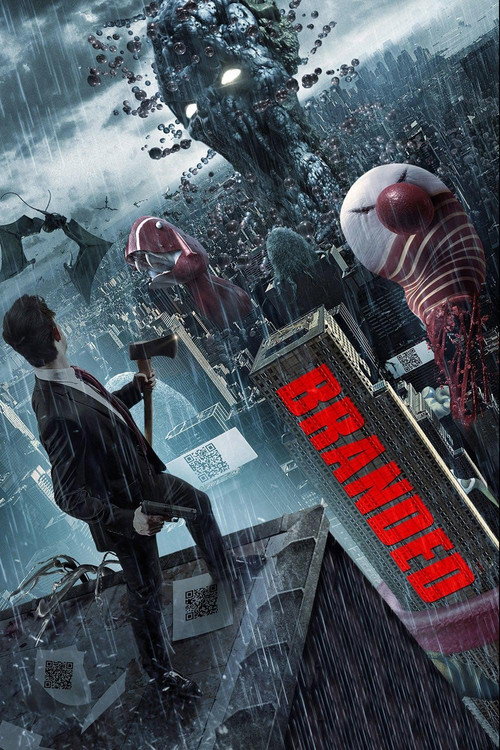
Branded2012
A narrative film that literalizes Jhally's argument—a man starts seeing brands and logos physically manifest in the real world. Meta, imaginative, and genuinely unsettling.
But The concept carries the film; the execution is uneven. Some scenes feel heavy-handed where subtlety would cut deeper.
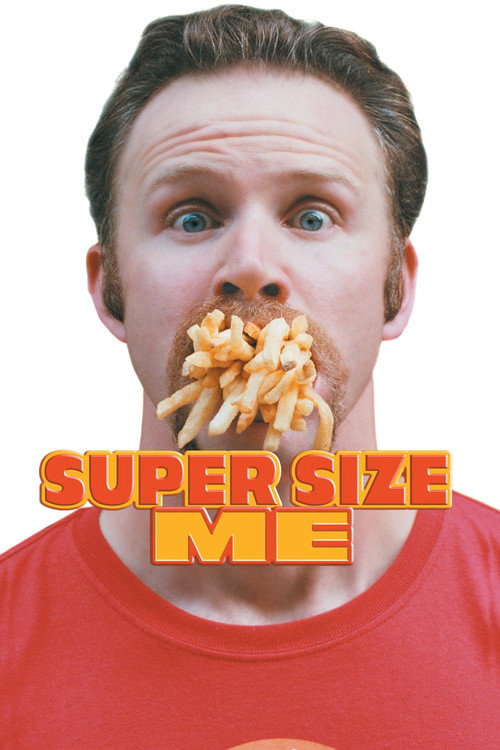
Super Size Me2004
Morgan Spurlock eats only McDonald's for a month and documents his physical and psychological decline. A visceral, almost gonzo approach to how marketing normalizes the abnormal.
But The stunt format prioritizes entertainment over rigor. His conclusions are looser than the science supports, and it's been partly debunked since.
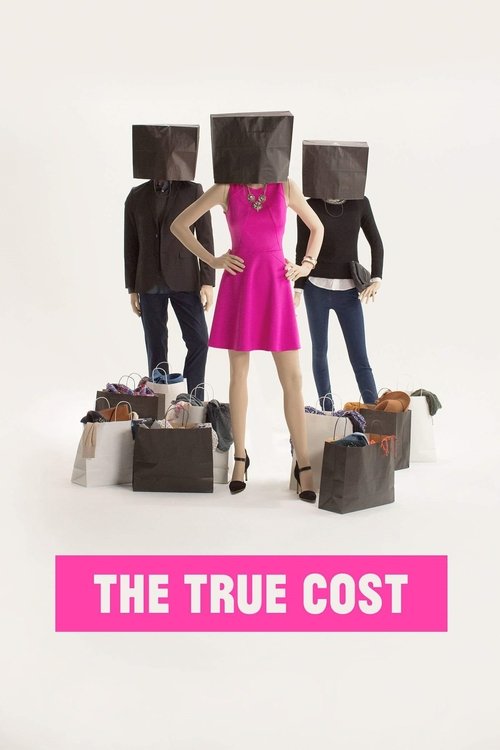
The True Cost2015
Follows clothing from catwalks to sweatshops to landfills, exposing the human and environmental cost of fast fashion marketing. Beautifully shot and genuinely haunting.
But Gets preachy at moments. Some solutions it proposes are vaguer than the problems it identifies.
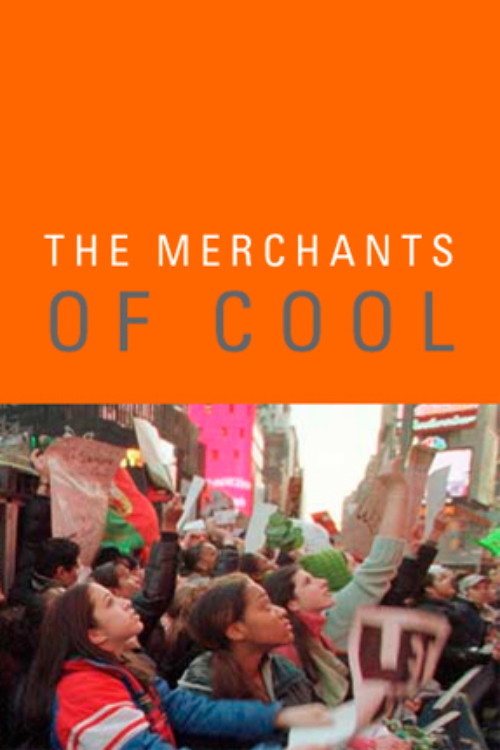
The Merchants of Cool2001
Douglas Rushkoff investigates how advertisers exploit youth culture by first co-opting it. Prescient about the internet's role in blurring marketing and authenticity.
But Dated visual language; the 2001 aesthetic can undercut the urgency. Some arguments have aged better than others.
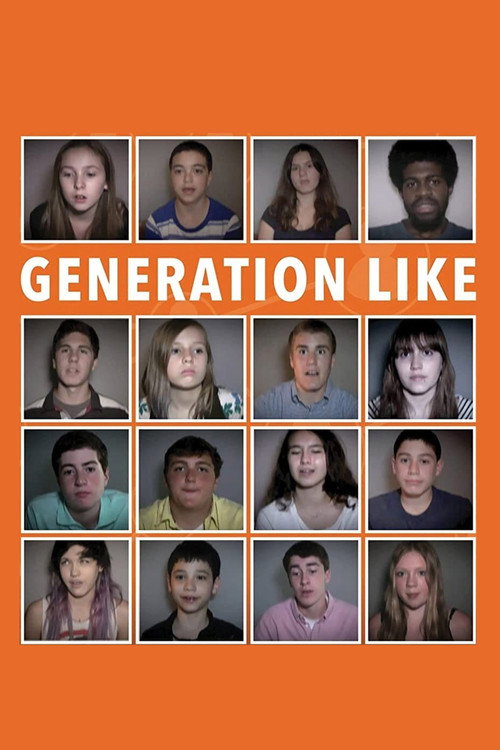
Generation Like2014
Rushkoff again, this time exploring social media's gamification of self-presentation. How do likes and metrics reshape identity? Shorter and more focused than his earlier work.
But Feels slight compared to his documentaries. Some sequences feel more artistic than analytical, which can blur his argument.
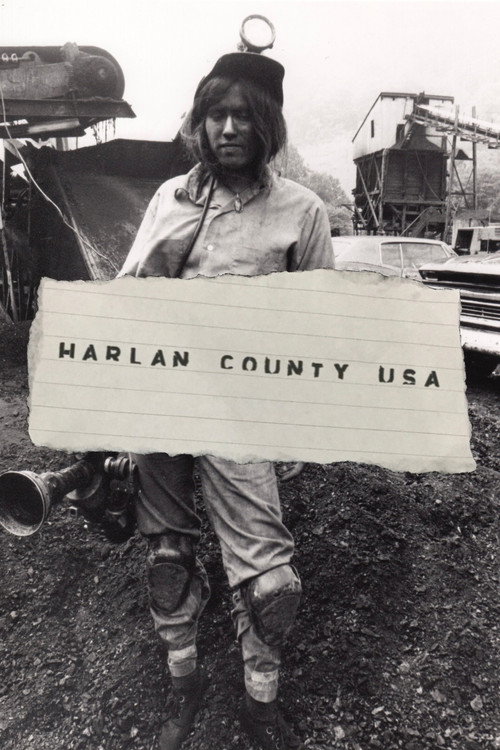
Harlan County U.S.A.1976
Where Jhally traces how advertising shapes desire, Kopple shows what happens when desire meets the actual world. Both are about the violence of the gap between the image and the real.
Barbara Kopple embeds herself with coal miners fighting for unionization. It's an essay on labor, dignity, and the gap between what a system sells you and what it actually delivers—capitalism's original pitch versus its lived reality.
But A strike film from the 1970s, so it's visually rough and deliberately unsentimental. Slow in places; assumes patience with process over drama.
Synecdoche, New York2008
Jhally asks whether advertising's images of the world are true. Kaufman asks whether any representation can be. One is an argument; the other is a fever dream of the same question.
Charlie Kaufman's only feature film is a narrative work that functions as an essay on representation itself: a theater director creates an ever-expanding replica of the world inside a warehouse, until he can no longer tell the copy from the original. Baroque, exhausting, and about the fundamental lie at the heart of all images.
But Deliberately obscure and repetitive. It asks you to sit with confusion and dread for two hours. Easy to dismiss as pretentious; harder to shake once it lands.
