
Film
Generation Like
Douglas Rushkoff investigates how social media has rewired teenage identity-seeking, turning self-expression into a marketplace where every like, share, and follow becomes currency. It's a sharp, accessible documentary that treats both teens and their parents seriously, examining the genuine appeal of digital connection alongside the corporate machinery quietly harvesting their attention and data.
Should you watch it?
Watch it if you are curious how brands slip into your feed and want a clear-eyed, talking-heads argument about influence rather than a breathless exposé.
Skip it if you want a film with cinematic invention or a deep dive into one subject; this is a brisk, essay-style lecture with a lot of interviews and little visual flair.
What it asks of you: It runs under an hour and rarely lingers, so it asks for steady attention rather than patience, with a dry, fairly light tone.
Not sure? Find tonight's pick in a minute.
If you liked this
The Social Dilemma2020
A broader examination of how social platforms manipulate users of all ages through algorithmic design and attention harvesting. Features tech insiders explaining the systems they built, lending urgent credibility to concerns about mental health and democracy.
But Feels alarmist at times, and the dramatized sequences with actors undercut the documentary's investigative weight. Some key points repeat across talking heads.
Fyre2019
Documents how savvy social media marketing can seduce millions into believing in something fundamentally hollow. Shows the gap between the influencer fantasy and reality with dark humour and genuine pathos for those caught in the scheme.
But Focuses on one spectacle rather than systemic patterns. The fraud feels distant if you weren't online during the hype cycle.

The Toys That Made Us2017
Each episode traces how a beloved toy brand became iconic by understanding what kids actually want—belonging, status, narrative. Shows how marketing to young people works best when it respects rather than manipulates their genuine desires.
But Nostalgic framing means it rarely critiques the marketing itself. More celebration than interrogation of the relationship between commerce and childhood.
Not sure tonight? Get a pick in a minute, starting from Generation Like
The wildcard
Something you would not have found on your own.
Eighth Grade2018
Where *Generation Like* explains social media's psychology from outside, *Eighth Grade* puts you inside the feeling. One diagnoses, the other embodies.
Bo Burnham's narrative fiction captures the texture of being a teen trying to perform confidence for strangers online. It doesn't preach about social media—it shows the loneliness and genuine creativity happening in that space, which is far more revealing than critique.
But Grainy digital aesthetic and lack of plot momentum will frustrate viewers wanting traditional narrative satisfaction. The awkwardness is authentically painful.
More like this (7)
Lo and Behold: Reveries of the Connected World2016
Werner Herzog brings philosophical weight to the internet's origins and consequences. Thoughtful without being preachy, he finds both wonder and unease in how connectivity has reshaped human behaviour and community.
But Herzog's meandering style means it touches many themes without drilling deep into any one. Some segments feel more poetic than substantive.
Merchants of Doubt2014
Exposes how corporations manufacture doubt about inconvenient facts—a playbook now applied to social media and tech. Watching the same rhetorical games play out across different industries clarifies how consistently we're being manipulated.
But Stylish presentation of serious material sometimes prioritizes cleverness over clarity. The scope is so broad it can feel abstract.
The Great Hack2019
Focuses on Cambridge Analytica's weaponisation of social data to influence politics and behaviour. Personal stakes and thriller pacing make the abstract problem of data harvesting suddenly concrete and frightening.
But Some key figures refused to be interviewed, leaving explanatory gaps. The documentary sometimes settles for indignation when analysis would serve better.
HyperNormalisation2016
Adam Curtis argues that social media and digital life have made us numb to contradiction and manipulation. Dense with archive footage and unexpected juxtapositions, it's intellectually ambitious and genuinely disorienting in the best way.
But Deliberately challenging and sometimes opaque—Curtis assumes you'll follow leaps of logic that aren't always explained. The three-hour runtime demands real commitment.
Project Nim2011
A documentary about a chimp taught sign language exposes how we project identity and ambition onto subjects that cannot consent. Uncomfortably relevant to how we treat social media users as subjects for experimentation and control.
But The animal welfare content is distressing. The connection to social media is thematic rather than explicit, requiring you to make the interpretation yourself.
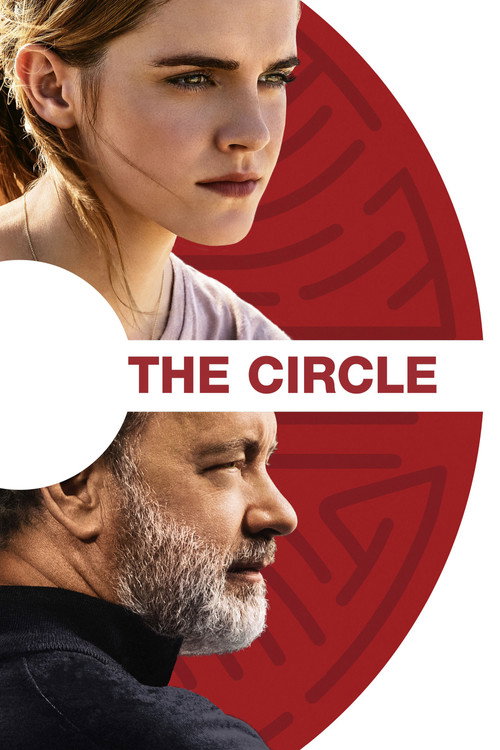
The Circle2017
Takes the logic Rushkoff identifies—turning human connection into a system—to its totalitarian conclusion. Where the documentary observes the game, this shows what happens when everyone loses.
A thriller where transparency and sharing become totalitarian. The cast (Emma Watson, Tom Hanks, John Boyega) gives weight to the speculative premise that social media's drive toward constant visibility could become genuinely dystopian.
But Blunt allegory with little subtlety. The film struggles to make surveillance as entertaining as Rushkoff makes marketing, and the result feels preachy.
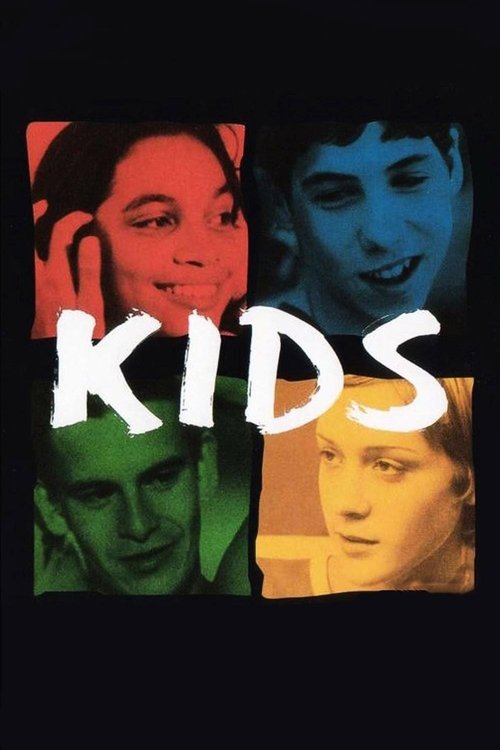
Kids1995
*Generation Like* shows how modern tools exploit timeless adolescent drives toward identity and status. *Kids* is what those drives look like raw—the footage that corporations learned to package and sell.
Larry Clark's unflinching portrait of teenage New York captures the pull toward transgression, peer status, and boundary-testing that social media now amplifies and monetises. Shot like a nightmare, it explains the vulnerability Rushkoff identifies as corporations target.
But Deliberately ugly and confrontational content. The lack of narrative structure or moral judgment will alienate viewers seeking reassurance or solutions.
People
Cast
 Will LymanNarrator (voice)
 Douglas RushkoffSelf
 Fred DurstSelf (archive footage)
 Tyler OakleySelf
- Bonin BoughSelf
 Stephen ColbertSelf (archive footage)
- Charles DuhiggSelf
 Oli WhiteSelf
- Louise PentlandSelf (archive footage)
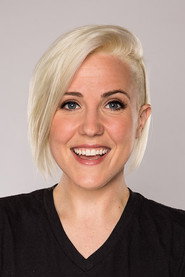 Hannah HartSelf (archive footage)
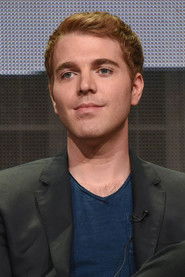 Shane DawsonSelf (archive footage)
- Liam HorneSelf
Directing
- Douglas RushkoffDirector
- Frank KoughanDirector
Writing
- Douglas RushkoffWriter
- Frank KoughanWriter
Recommended by
Where Soldiers Come From, Bigger Stronger Faster*, Fauda, The Persuaders, Hitler's Children, Take Your Pills, Web Junkie, The Merchants of Cool, The Marketing of Madness: Are We All Insane?, Advertising and the End of the World, My Super Sweet 16, POM Wonderful Presents: The Greatest Movie Ever Sold, Pink Ribbons, Inc., Terror Studios