
Film
POM Wonderful Presents: The Greatest Movie Ever Sold
Morgan Spurlock turns his camera on the machinery of corporate sponsorship and product placement, making a documentary about advertising that is itself a gleaming advertisement. It's a cheeky, self-aware experiment that walks a tightrope between satire and complicity, with enough genuine insight into how brands colonize our minds to justify the playful provocation.
Should you watch it?
Watch it if you enjoy a sharp, self-aware documentary that turns its own sponsorship into the joke, the way a clever prankster exposes a con from the inside while still grinning at the marks.
Skip it if you want a rigorous, neutral investigation of advertising; this is openly partisan, leans on stunts and cheerful irony, and its argument often feels more like a sales pitch than a sober critique.
What it asks of you: It runs about an hour and a half, moves briskly through a string of set pieces and interviews, and asks you to keep track of the joke while it keeps tugging the frame sideways.
Not sure? Find tonight's pick in a minute.
If you liked this
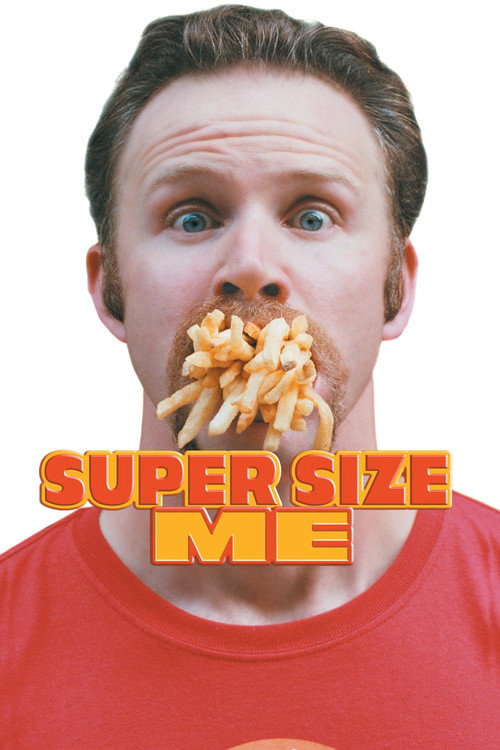
Super Size Me2004
Spurlock's breakthrough uses his own body as a testing ground for corporate excess, blending personal stakes with systemic critique. Funny, shocking, and undeniably memorable in a way that launched a thousand imitations.
But The argument has been picked apart since; some of the methodology doesn't hold up, and it occasionally trades nuance for spectacle. Also, it's essentially a feature-length argument you've probably already heard.
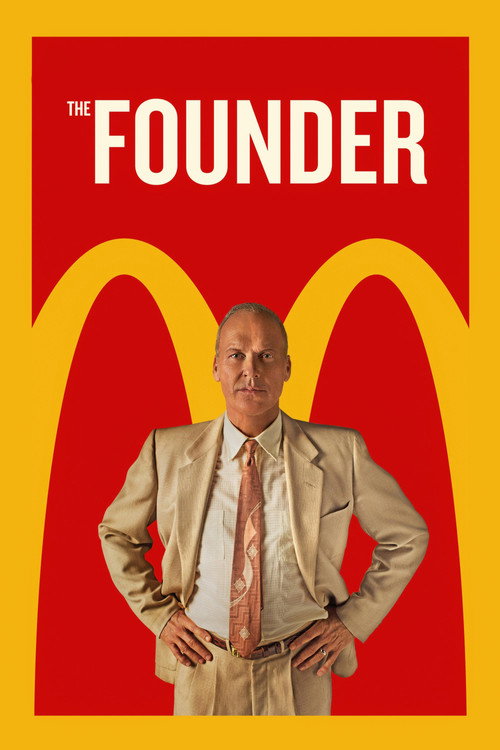
The Founder2016
Michael Keaton gives a masterclass in playing ambition as pathology, showing how McDonald's became less about food than about real estate and systematized control. It's slick, darkly funny, and structurally brilliant about how systems corrupt.
But It can feel a little pleased with its own cleverness, and if you're not interested in business history, the second half softens into convention. Some viewers find it more interested in being smart than being moved.
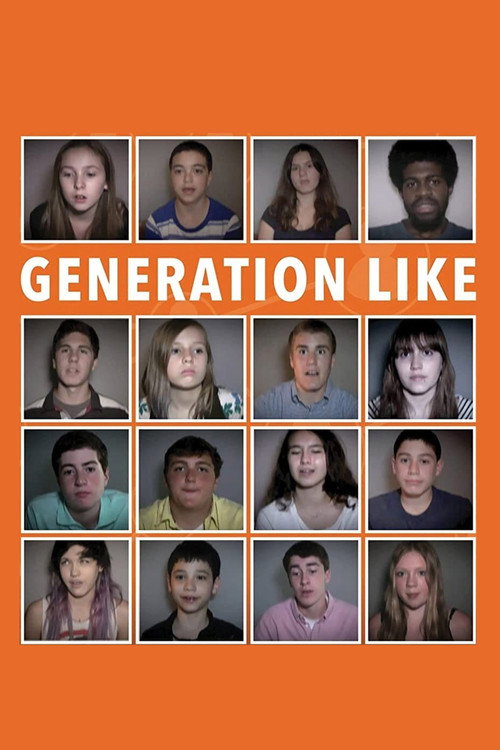
Generation Like2014
Another Curtis meditation, this time on social media's architecture of narcissism and how platforms have rewired our need for approval. Genuinely unsettling in ways that feel more prescient now than they did at release.
But It can feel didactic and ponderous, treating teenagers like subjects in a lab rather than people navigating genuine social complexity. The tone is doom-laden in a way some find pretentious.
Not sure tonight? Get a pick in a minute, starting from POM Wonderful Presents: The Greatest Movie Ever Sold
The wildcard
Something you would not have found on your own.
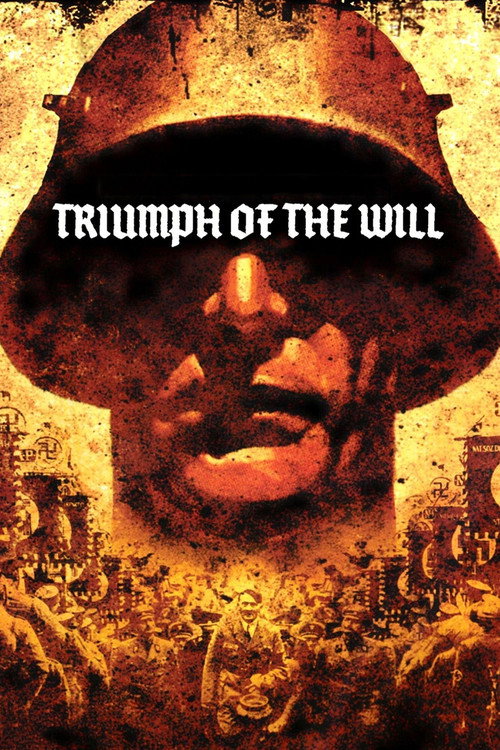
Triumph of the Will1935
Both films are about the invisible persuasion apparatus—how systems use beauty, emotion, and spectacle to make us want what they're selling. Spurlock's film is funny about it; Riefenstahl's is terrifying. Same machinery, different registers.
Leni Riefenstahl's Nazi propaganda film is a masterwork of visual language being weaponized for control—it shows how form, music, and spectacle can bypass thought entirely. Essential for understanding how propaganda architecture works.
But It's a beautiful Nazi film, which creates the sickening paradox the filmmakers intended. Watching it means sitting with the power of fascistic aesthetics without the shield of irony or distance. Morally queasy and technically brilliant in equal measure.
More like this (6)
The Social Dilemma2020
A sharper, more direct reckoning with algorithmic manipulation, featuring actual Silicon Valley insiders admitting what they built and what it does. Terrifying, clear, and impossible to unsee.
But It simplifies complex systems into villain-and-victim narratives, and some of the dramatic recreations are clumsy. If you've been paying attention, it won't reveal much you didn't suspect.
Helvetica2007
A 90-minute meditation on a typeface becomes a meditation on design, corporate culture, and how the invisible shapes us. Hypnotic and unexpectedly moving for something about a font.
But You have to buy into the premise that a typeface matters philosophically. If you don't, watching designers wax poetic about kerning will feel self-indulgent. It's very design-world.
Objectified2009
Gary Hustwit's design documentary shows how objects are made to want us, tracing the psychology and capitalism embedded in consumer goods. Beautiful to look at and quietly devastating about manipulation.
But It's meditative and slow, occasionally to the point of abstraction. Some sections feel more like a design museum film than a narrative argument, which can test patience.
The King of Kong: A Fistful of Quarters2007
A documentary that treats Donkey Kong scores with the seriousness of Olympic competition, but reveals itself to be about ego, obsession, and how we construct meaning in systems designed to destroy us.
But The good-guy-versus-villain framing simplifies real people into archetypes, and some viewers find the tone patronizing toward gamers. The narrative certainty can feel false once you research what actually happened.
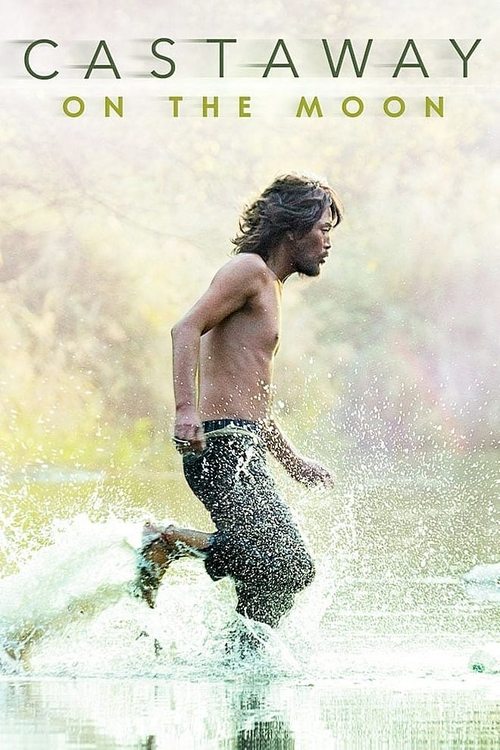
Castaway on the Moon2009
Where Spurlock treats product placement as a joke, *Castaway* treats it as existential—brands as the only language left when everything else fails. Both films ask what fills us when we're otherwise empty.
A South Korean magical-realist film about a man stranded on an island in Seoul's river, sustained by billboard advertisements and brand imagery. Surreal, tender, achingly strange, and obsessed with how commerce fills the void of disconnection.
But The tone lurches between whimsy and melancholy in ways that can feel unbalanced. It's deliberately artificial in a way some find mannered, and the magical realism requires you to surrender to mood over plot.
The Yes Men Fix the World2009
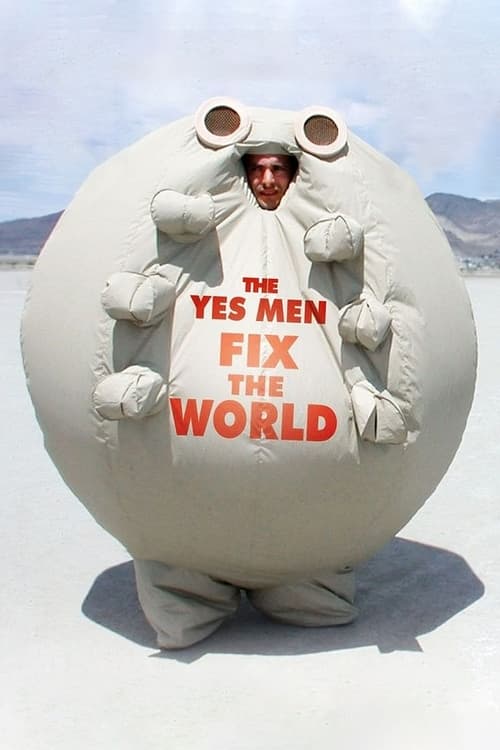
Both use the language of advertising and spectacle against itself—but where Spurlock documents how the machine works, the Yes Men ask what happens when you short-circuit it. Same target, opposite tactics.
Prankster activists impersonate corporations and politicians, revealing the absurdity already baked into their messaging. Brilliant, hilarious, and genuinely disruptive—it's what radical culture jamming looks like when it works.
But The optimism can feel naive in retrospect; their pranks haven't actually changed anything, and the film sometimes mistakes making a point for making a difference. Some viewers find the anarchist glee insufferable.
People
Cast
 Morgan SpurlockSelf
 Peter BergSelf
- Paul BrennanSelf
 Ralph NaderSelf
 Brett RatnerSelf
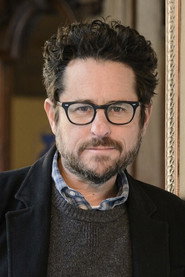 J.J. AbramsSelf
 Donald TrumpSelf
Directing
- Morgan SpurlockDirector
Writing
- Morgan SpurlockWriter