
Film
The Cup
Other titles called The Cup: the 2011 film.
- Comedy
- Light-hearted
A 1999 comedy about two young Tibetan refugee monks who smuggle a television into their monastery in India to watch the 1998 World Cup final. It's a film of genuine warmth and humor, working as both a meditation on tradition versus modernity and a completely unironic celebration of soccer. Made by Khyentse Norbu, a Buddhist lama-turned-filmmaker. It's small, funny, and moving.
Should you watch it?
Watch it if you enjoy gentle, low-key comedy where a monastery's solemn routine collides with a schoolboy-level obsession, and you like warmth more than gags.
Skip it if you need brisk plotting or sharp jokes, since this is a slight, leisurely film that trades momentum for mood and sometimes lingers longer than its premise deserves.
What it asks of you: It runs about ninety minutes at an unhurried pace, asking you to settle into quiet monastery rhythms and let the small, obsessive quest build slowly.
Not sure? Find tonight's pick in a minute.
If you liked this
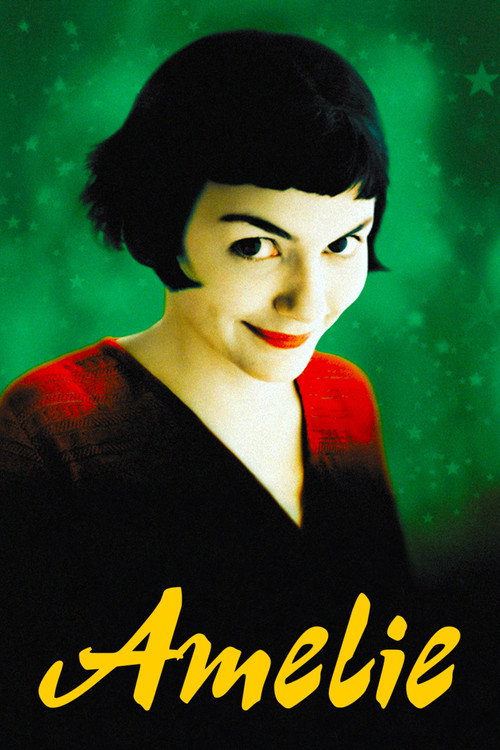
Amélie2001
A film about small joys and human connection that finds deep tenderness in everyday moments. Like The Cup, it radiates genuine affection for its characters and celebrates beauty in unexpected places with visual inventiveness.
But It's whimsical to the point some find it saccharine. The quirky-indie aesthetic hasn't aged flawlessly, and Amélie's manic pixie energy exhausts certain viewers.
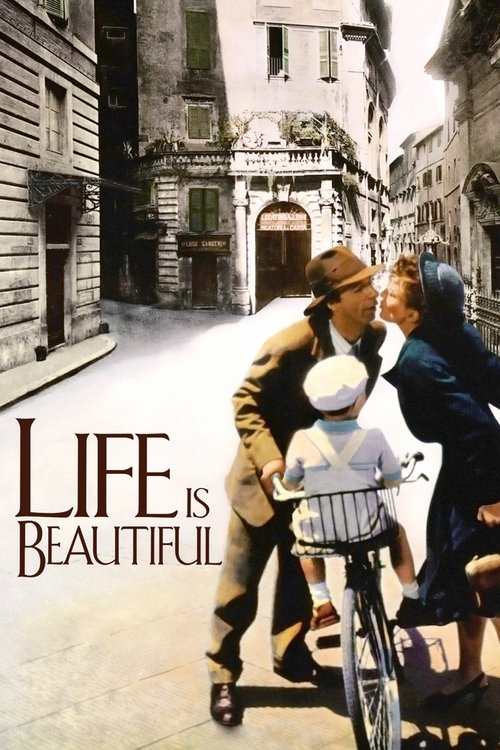
Life Is Beautiful1997
An Italian film about a father's love, set in a concentration camp, that uses humor and imagination as survival and grace. It shares The Cup's belief that lightness and depth aren't opposites—they're companions.
But Some argue its tone trivializes profound suffering. It's sincere in a way that can feel naive, and the sentimental register isn't for everyone.
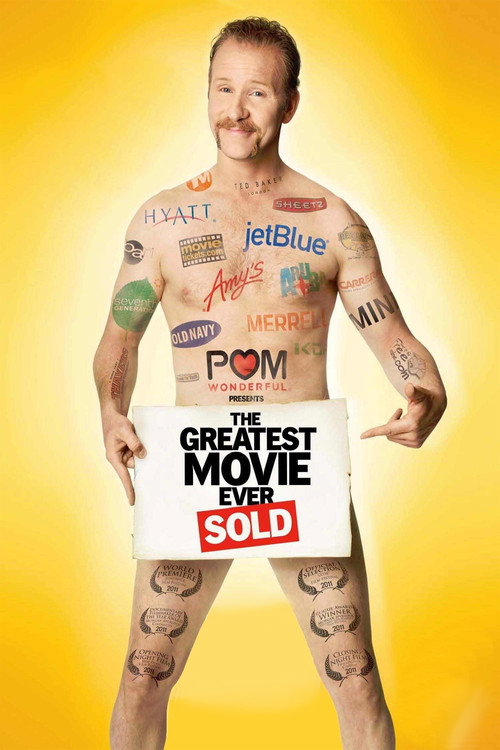
POM Wonderful Presents: The Greatest Movie Ever Sold2011
Morgan Spurlock's documentary about product placement. Absurd and playful, it has The Cup's mischievous humor about how we get what we want, and the same generous spirit toward imperfect people making things work.
But It's self-aware to the verge of exhaustion. Some viewers find its postmodern joke structure more clever than actually funny.
Not sure tonight? Get a pick in a minute, starting from The Cup
The wildcard
Something you would not have found on your own.
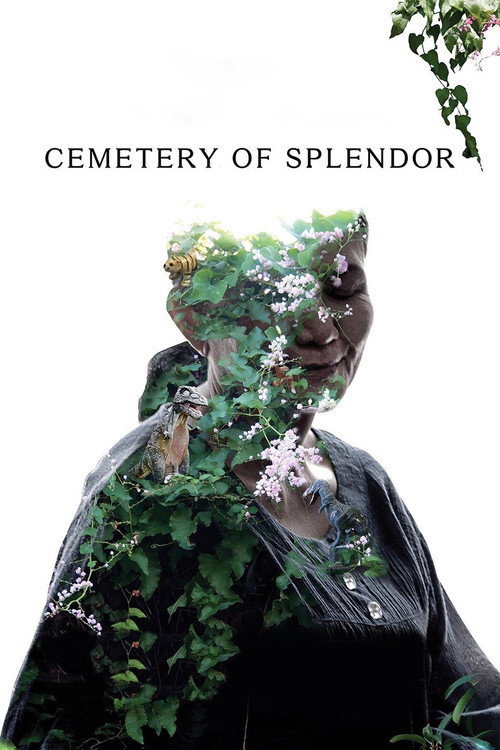
Cemetery of Splendor2015
Both rooted in Buddhist worldview; both treat daily ritual and spiritual life as inseparable; both patient with time and silence.
Apichatpong Weerasethakul's Thai film about a woman tending to soldiers in a mysterious sleeping sickness. Like The Cup, it's rooted in Buddhist philosophy and daily ritual. It treats the spiritual and the mundane as seamless. The connection: both films understand monasticism—not as escape, but as a way of seeing.
But It moves at its own meditative pace, almost nothing happens, and Western narrative grammar doesn't apply. For many viewers it will feel like watching paint dry, not dry thoughtfully.
More like this (8)
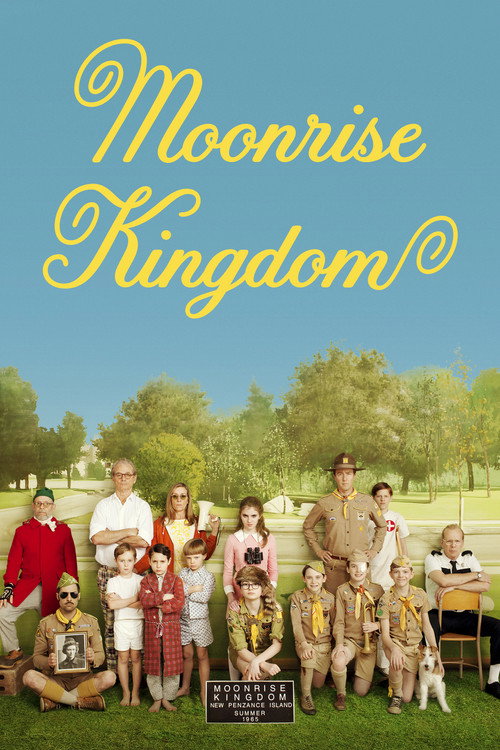
Moonrise Kingdom2012
Wes Anderson's film about young scouts on an island. A perfectly contained world with genuine warmth and humor. It understands The Cup's secret: small-scale stories with specific detail can matter as much as grand ones.
But Anderson's whimsy and symmetry-obsession isolates some viewers. It can feel like a dollhouse rather than a story, precious rather than moving.
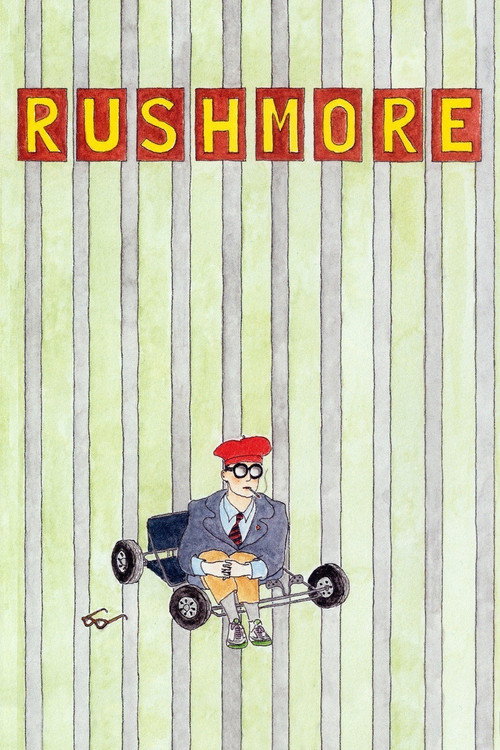
Rushmore1998
Anderson and Jason Schwartzman's film about a young man's theatrical ambitions. Close in tone to The Cup—funny, sincere, about finding your people and what you'll do to belong.
But Schwartzman's character is often insufferable, and the film doesn't always undercut his ego. Some find it more smug than sympathetic.
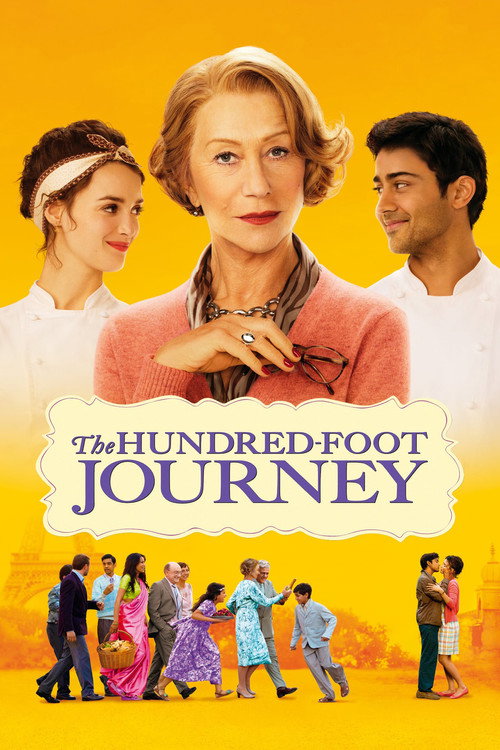
The Hundred-Foot Journey2014
A light film about a migrant family opening a restaurant across from a Michelin-starred French one. Like The Cup, it's about cultures colliding with warmth rather than cynicism, and finds humor in genuine misunderstanding.
But It's aggressively gentle, almost to the point of blandness. The conflict resolves with uncommon smoothness, which some find unsatisfying.
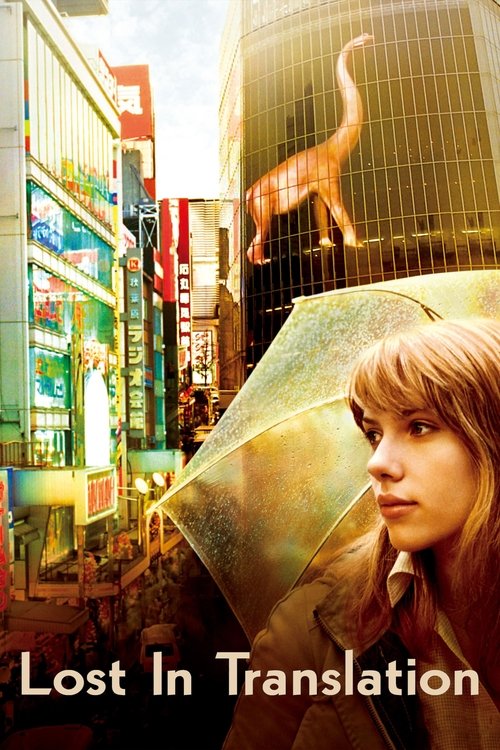
Lost in Translation2003
Sofia Coppola's film about connection and disconnection. Like The Cup, it's unhurried, finds comedy in small moments of human awkwardness, and suggests that tenderness matters more than plot.
But Nothing happens for long stretches. Its reflective melancholy won't work if you're looking for movement or external conflict.
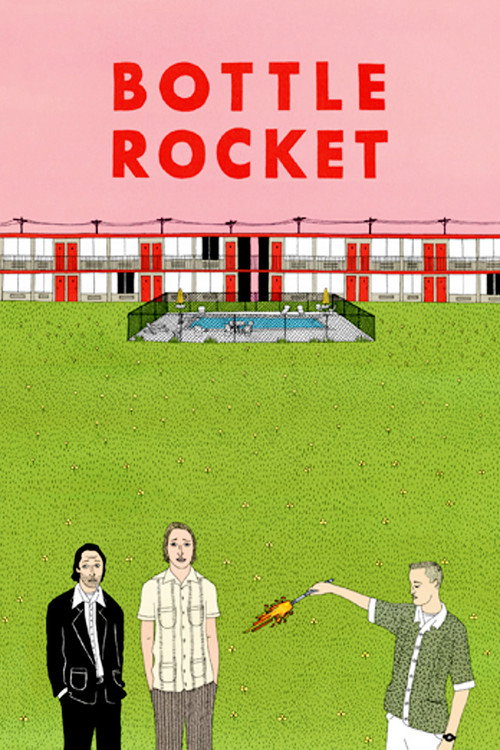
Bottle Rocket1996
Wes Anderson and Owen Wilson's debut about two friends and small-time crime. Quiet, specific, funny in a mumbling way. Shares The Cup's interest in the interior lives of people society marginalizes.
But It's deliberately flat and slow. Expectations for narrative momentum or conventional character arc will leave you frustrated.
The Florida Project2017
Sean Baker's film about childhood in a budget motel near Disney World. It captures The Cup's spirit: absolute sincerity about small lives, humor from genuine human detail, and the belief that ordinary people deserve cinema.
But It's handheld and unglamorous. Some viewers find its refusal to judge or resolve morally unsettling, and the poverty it depicts can feel exploitative depending on your reading.

Kes1970
Both find profound humanity in marginalized youth; both use humor not as escape but as truth-telling; both made by artists who actually revere their subjects.
Ken Loach's film about a working-class Yorkshire boy and his hawk. A realist drama that is nonetheless tender and alive with humor about its protagonist's inner world. Like The Cup, it's about dignity and connection across boundaries. It proves cinema can celebrate ordinary people without condescension.
But It's in dialect-heavy English (subtitles help). It's also bleak—the warmth exists alongside real hardship—and doesn't offer easy comfort.

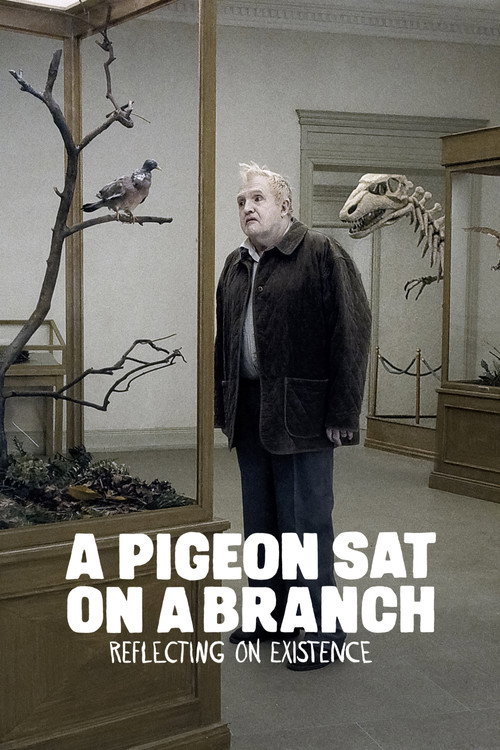
A Pigeon Sat on a Branch Reflecting on Existence2014
Both use deadpan humor to explore spiritual questions; both find grace in unlikely moments; both refuse sentimentality while remaining deeply humane.
Roy Andersson's Swedish film: absurdist vignettes about loneliness, small kindnesses, and what it means to be alive. Deadpan and strange, yet deeply compassionate. Like The Cup, it finds the sacred in the everyday and uses comedy as philosophy.
But It's conceptual and fragmented. There's no plot, character development, or conventional resolution. It requires patience and a taste for the oblique.
People
Cast
- Orgyen TobgyalGeko
- Neten ChoklingLodo
- Jamyang LodroOrgyen
- Lama ChonjorAbbot
- Lama GodhiOld Lama
- Jamyang NyimaSleeping Monk
 Tracy MannNewsreader
- DorjeTV House Spectator
- Ugyen DorjiTV House Spectator
- Tshewang DendupTV House Spectator
Directing
- Khyentse NorbuDirector
Writing
- Khyentse NorbuWriter
Production
- Hooman MajdExecutive Producer
- Jeremy ThomasExecutive Producer
- Glenn FawcettProducer
- Malcolm WatsonProducer
- Maree Tenzin-SteinerProducer
- Patrick JacquelinProducer
- Pema WangchuckProducer
- Raymond SteinerProducer