
Film
A Place for Lovers
A 1968 romance between a wealthy woman and an Italian architect who meet for an intense, doomed affair in Capri. Visually sumptuous but emotionally austere, it's a film about beautiful people in beautiful places keeping secrets. For anyone drawn to style over substance, or to European cinema's cooler register of passion.
If you liked this
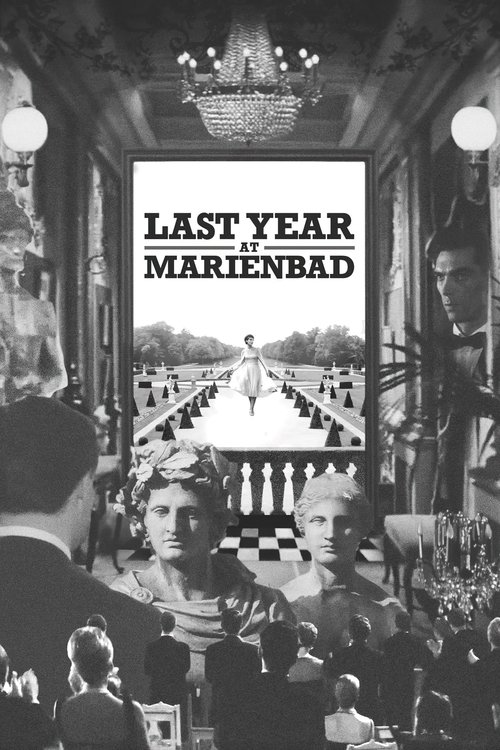
Last Year at Marienbad1961
A hypnotic, deliberately opaque love story set in a grand hotel. Like *A Place for Lovers*, it privileges atmosphere and visual composition over emotional clarity, and treats uncertainty as the point.
But The narrative deliberately refuses to cohere. If you need plot to drive you forward, this will feel like watching someone else's dream.
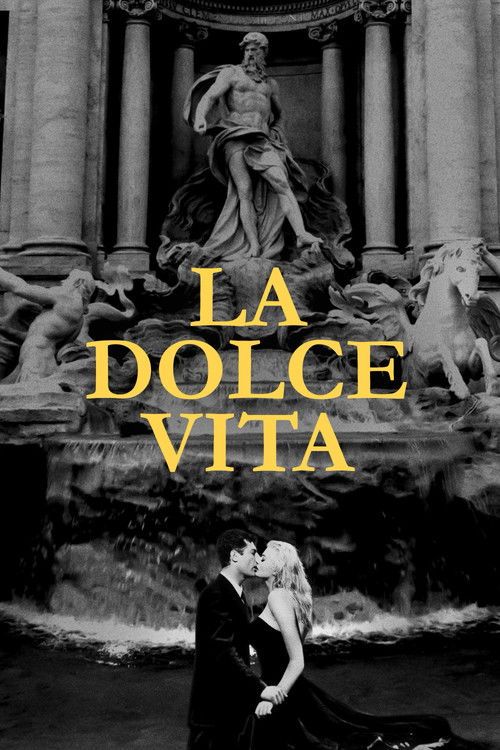
La Dolce Vita1960
Fellini's portrait of Rome's beautiful set, full of gorgeous aimlessness and moral drift. Mastroianni at his most magnetic, caught between appetite and emptiness—the same territory *A Place for Lovers* explores.
But It's three hours, episodic, and more interested in surfaces than resolution. Patience required; payoff is cumulative, not dramatic.
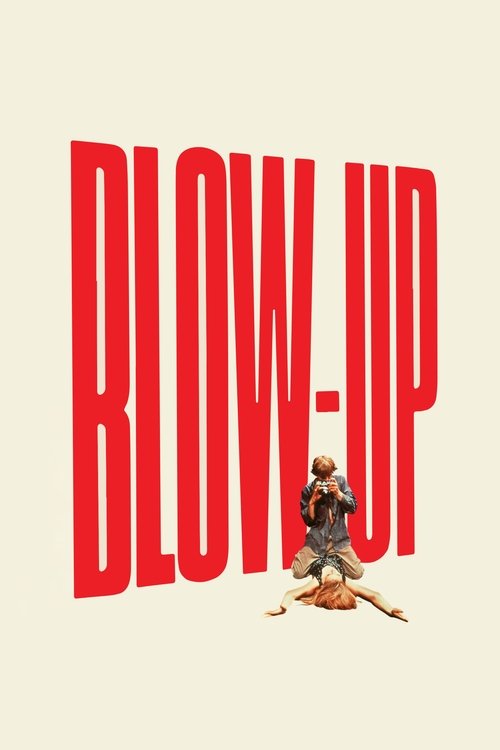
Blow-Up1966
Michelangelo Antonioni's London thriller about a photographer who may or may not have witnessed a crime. The same cool 1960s aesthetic, the same focus on gorgeous surfaces concealing unknown depths.
But The mystery never fully resolves. Some find it liberating; others find it frustrating and a bit precious.
Not sure tonight? Get a pick in a minute, starting from A Place for Lovers
The wildcard
Something you would not have found on your own.
Contempt1963
Both set in Italy, both about a marriage or affair dissolving amid perfect beauty, both made at the tail end of the era when Mastroianni embodied European romantic sophistication. Godard went abstract with the same material.
Godard's film-about-filmmaking, where a marriage dissolves on the set of a Homeric epic. Brigitte Bardot in Capri, Italy (where *A Place for Lovers* is also set), surrounded by beauty that cannot save it. Same aesthetic moment, same helpless romantic despair, but Godard's intellectual ruthlessness cuts deeper.
But It's self-conscious and essayistic in a way that deflates traditional emotional investment. The beauty feels deliberate, even argumentative. Watching it requires accepting the film's skepticism about romance itself.

More like this (8)
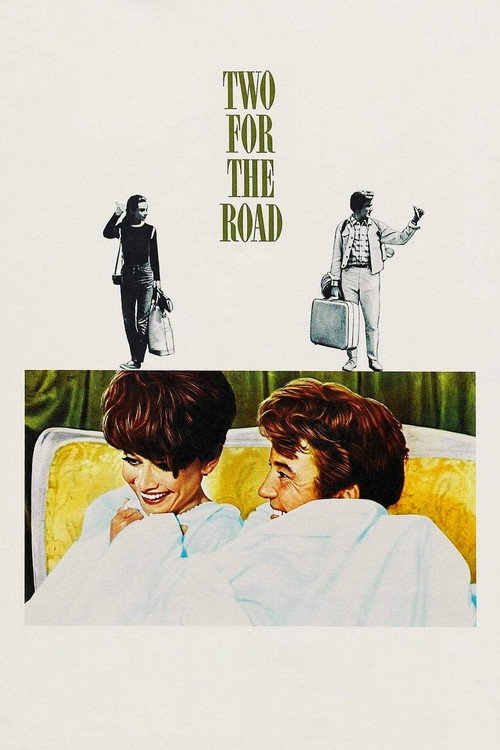
Two for the Road1967
A marriage in fragments, told across a decade. Audrey Hepburn and Albert Finney are scorching together. European locations, mod sensibility, and genuine emotional pain underneath the style.
But The non-linear structure can feel like show-off filmmaking rather than a storytelling choice that earns its place.
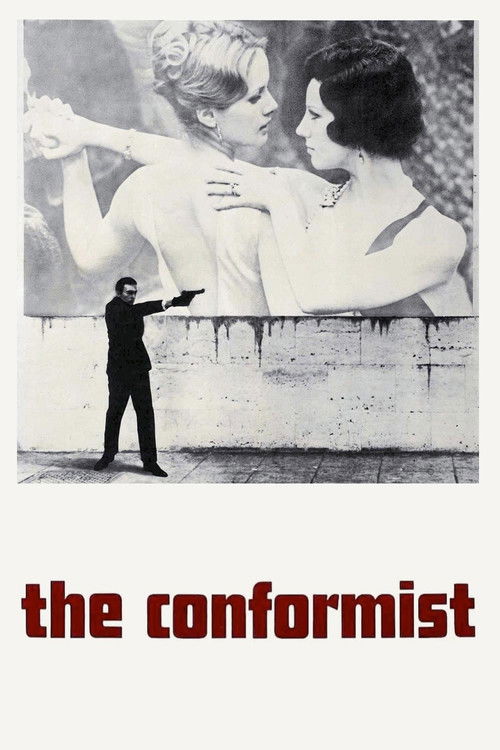
The Conformist1971
Bertolucci's Italian masterpiece about a man seduced into fascism. Another Duni beauty, another doomed affair, another meditation on complicity. Visually and morally complex in ways that linger.
But It's dense, slow-moving, and the politics require some investment to untangle. Not a film that rewards passive watching.
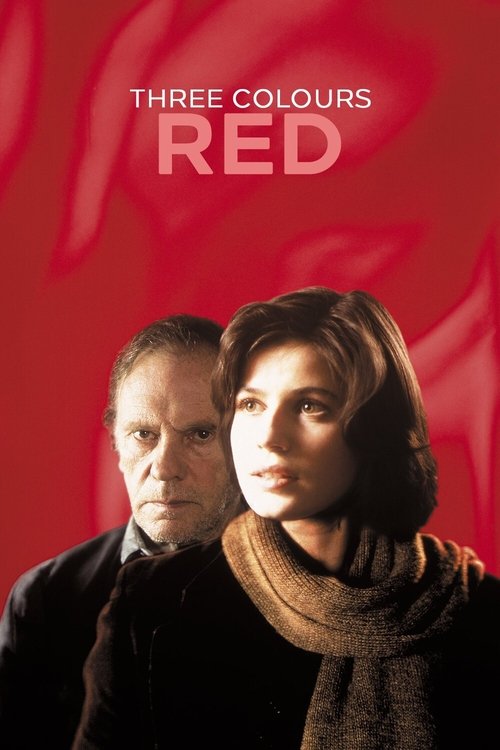
Three Colors: Red1994
Kieslowski's final film about a woman, a man, and a telephone line that connects them without letting them meet. Contemplative, gorgeous, haunted by what remains unsaid—very much in *A Place for Lovers*' register.
But Plotless and meditative to the point of abstraction. If you're looking for narrative momentum, look elsewhere.
The Leopard1963
Visconti's sumptuous Sicilian epic about an aristocracy in decline. Burt Lancaster and Claudia Cardinale in scenes of almost unbearable beauty. A masterclass in using setting as character.
But It's long, stately, and treats politics with as much weight as romance. The pacing is deliberate to the point of testing.

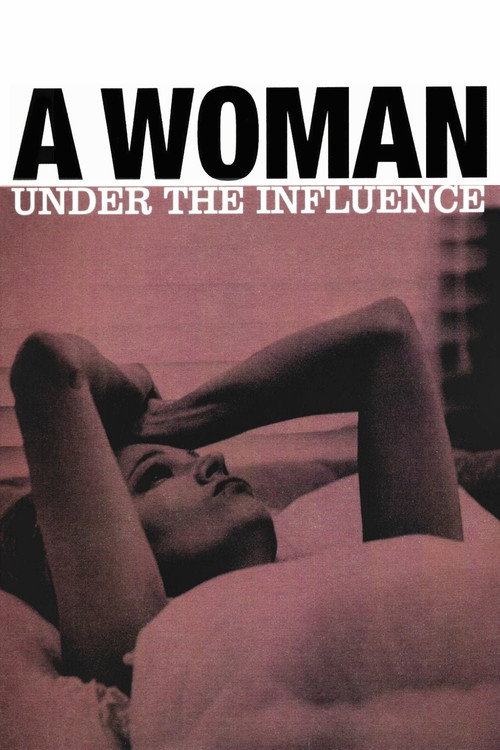
A Woman Under the Influence1974
Gena Rowlands in Cassavetes' brutal dissection of a marriage cracking under strain. Raw and unvarnished where *A Place for Lovers* is polished, but both understand how little we know of those closest to us.
But It's ugly, sometimes hard to watch, and offers no comfort. Cassavetes' naturalistic acting style will feel abrasive if you prefer traditional performance.
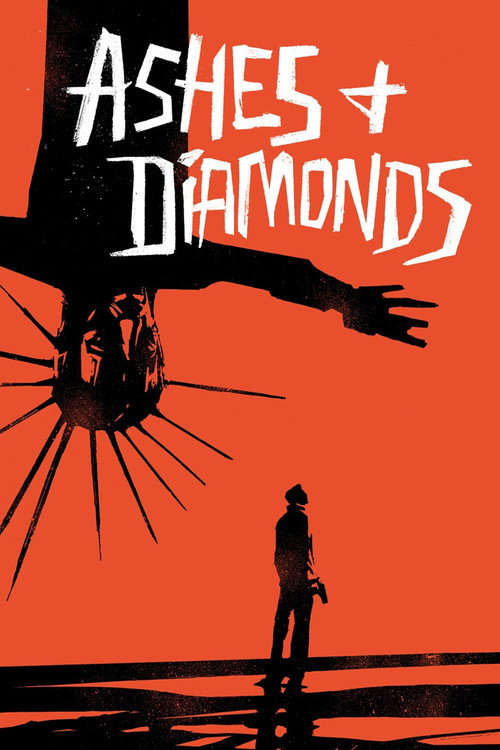
Ashes and Diamonds1958
A Polish Resistance fighter and a woman meet in a hotel after the war. Intense, brief, colored by the knowledge that everything is temporary. Wajda made the same film about beauty and doom.
But It's in black and white, subtitled, and from 1958—the register is entirely different from the lush Technicolor romance you're starting with. Requires adjustment.
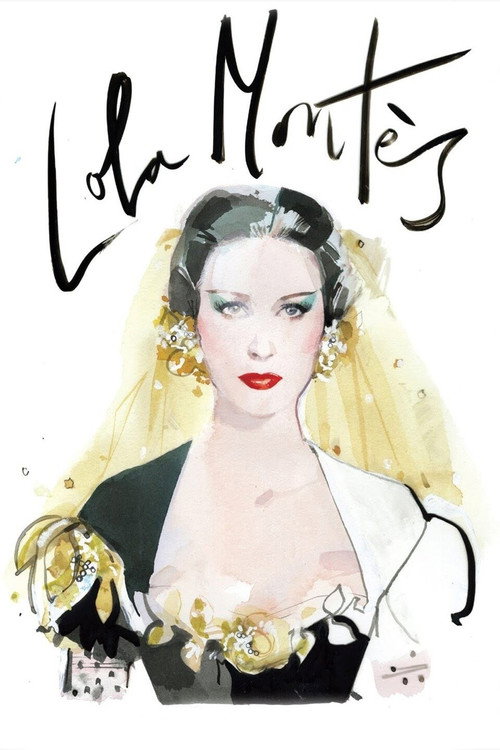
Lola Montès1955
Both films treat beautiful women as the subject of male gaze and male story-making. Ophüls asks what that costs her; *A Place for Lovers* mostly accepts it. One is a critique of the other, made seven years earlier.
Max Ophüls' final film, a circus-framed biography of a legendary courtesan. Like *A Place for Lovers*, it's about a woman with secrets, beautiful men, and constant motion. But it's a baroque tragedy in VistaVision, not a measured affair—more operatic, more desperate, ultimately more moving.
But It's long, digressive, and structurally strange. The framing device some find brilliant, others find mannered. Ophüls' camera never stops moving; the restlessness exhausts some viewers.
Stalker1979
Both films are about journeys taken by people carrying secrets, both trust visual composition to convey what dialogue cannot, both suggest that the most important things remain unknowable. One is intimate; one is metaphysical. But the register of yearning is identical.
Tarkovsky's science-fiction parable about three men traveling through a mysterious zone to reach a room that grants wishes. Hypnotic, slow, about desire and its costs. Completely different genre, but the same commitment to mood over plot, beauty as a form of meaning, and the gap between what we want and what we're willing to risk.
But It's 163 minutes of deliberate pacing. Soviet science fiction from 1979. If you need conventional narrative or dialogue-driven drama, you'll be checking your watch within twenty minutes.

People
Cast
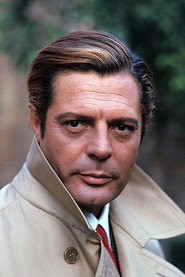 Marcello MastroianniValerio
 Faye DunawayJulia
 Enrico SimonettiParty Host
- Karin EughGriselda
 Esmeralda RuspoliGriselda
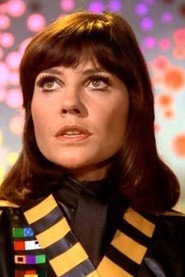 Caroline MortimerMaggie
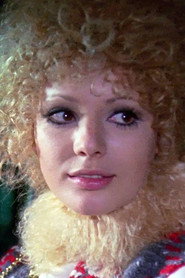 Mirella PamphiliParty Guest (as Mirella Panfili)
- Yvonne GilbertMarie
Directing
- Vittorio De SicaDirector
- Peter BaldwinFirst Assistant Director
- Elvira D'AmicoScript Supervisor
- Luisa AlessandriSecond Assistant Director
Writing
- Brunello RondiNovel
- Cesare ZavattiniScreenplay
- Ennio De ConciniScreenplay
- Julian ZimetScreenplay
- Peter BaldwinScreenplay
- Tonino GuerraScreenplay
Production
- Arthur CohnProducer
- Carlo PontiProducer
- Jone TuziProduction Supervisor