
Film
Ghost Stories
Other titles called Ghost Stories: the 2020 film.
A skeptical professor who debunks paranormal claims is forced to investigate three genuinely unsettling cases—each stranger and more personal than the last. This is a film that trusts atmosphere over jump scares, building dread through suggestion and unease. It's for people who like their horror thoughtful, tense, and willing to sit with discomfort.
If you liked this
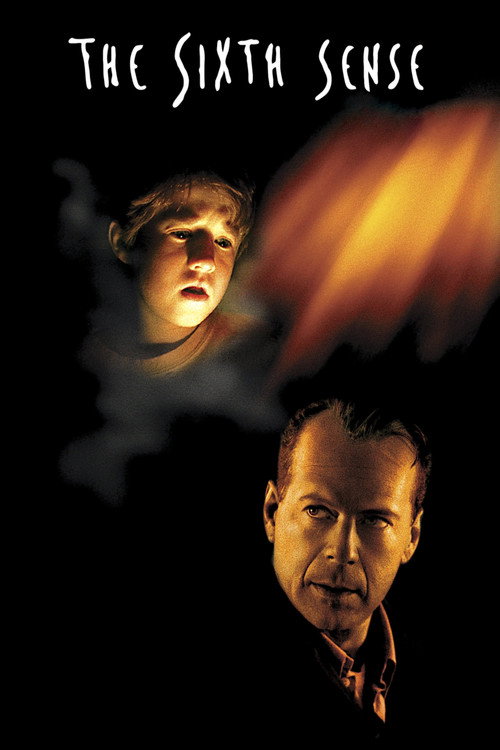
The Sixth Sense1999
A masterclass in supernatural mystery that respects both the audience and the twist. Like Ghost Stories, it builds conviction through character and mood rather than spectacle, and the ending recontextualizes everything.
But It's been discussed to death, and if you somehow know the ending, the rewatching experience changes significantly. Also quite slow by modern standards.
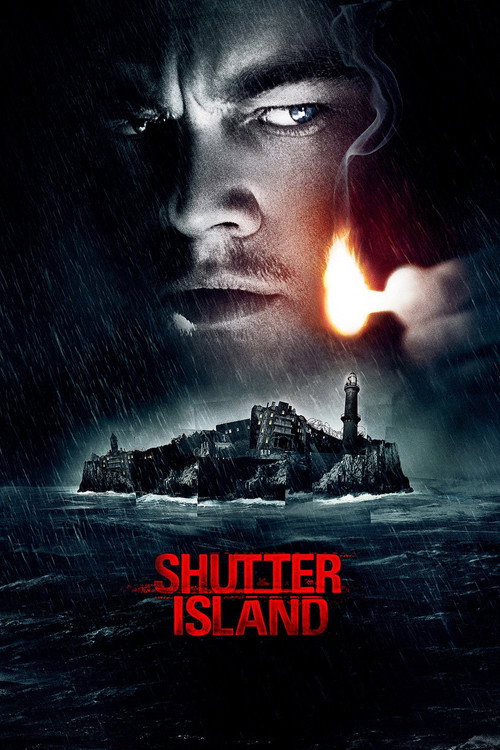
Shutter Island2010
A deliberately constructed puzzle where what you're seeing might not be what's happening. Shares Ghost Stories' willingness to unsettle through psychological pressure and its interest in how trauma distorts perception.
But Scorsese's style is baroque where Ghost Stories is spare. Some find the twist frustrating rather than earned, and it's genuinely depressing in ways that linger.
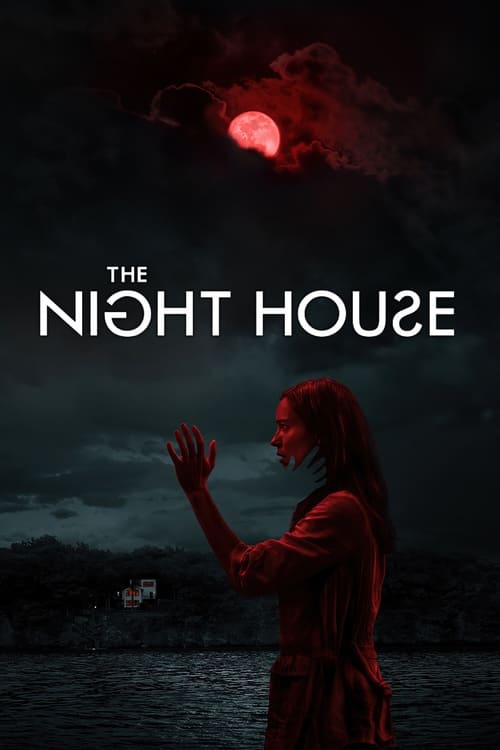
The Night House2021
Grief and horror fused into one. Like Ghost Stories, it uses the supernatural to explore real loss, and it's made with genuine craft—every image means something. Rebecca Hall is extraordinary.
But It's about bereavement, so it's heavy. The pacing is deliberate, which some experience as slow. Not a crowd-pleaser.
Not sure tonight? Get a pick in a minute, starting from Ghost Stories
The wildcard
Something you would not have found on your own.
Mulholland Drive2001
Both films use the supernatural or impossible as a way to interrogate reality itself; both feature protagonists whose perception becomes unreliable; both end by suggesting the truth we want to believe matters more than objective fact.
Lynch's Los Angeles fever dream is structured around a central mystery that the film actively undermines. Like Ghost Stories, it asks whether the story you're watching is real or a construction—but it's far more baroque and dreamlike about it. The emotional truth matters more than the plot truth.
But It's 147 minutes of increasingly abstract material that requires active engagement. Some sequences are gratuitous. If you need narrative clarity, this will infuriate you. Feels self-indulgent on first viewing.

More like this (8)
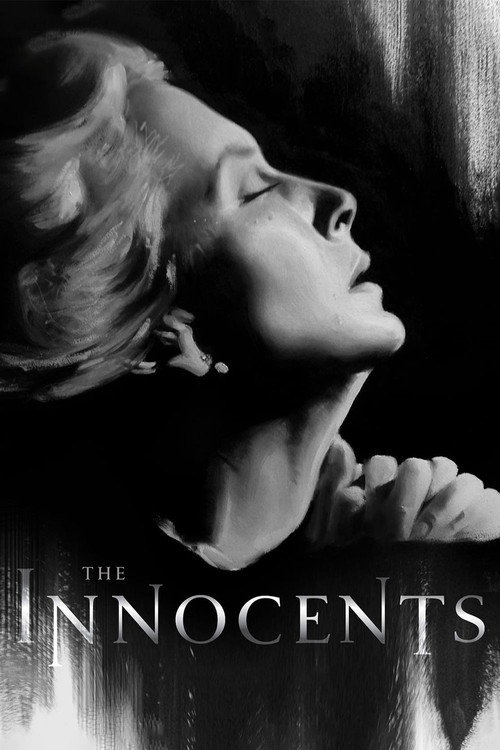
The Innocents1961
An old-fashioned ghost story that suggests rather than shows, letting ambiguity do the work. The black-and-white cinematography and restraint create an atmosphere that lingers for days. Influenced everything that came after.
But Very much a product of its era—mannered performances, slow setup. The question of what's real is never answered, which infuriates some viewers.
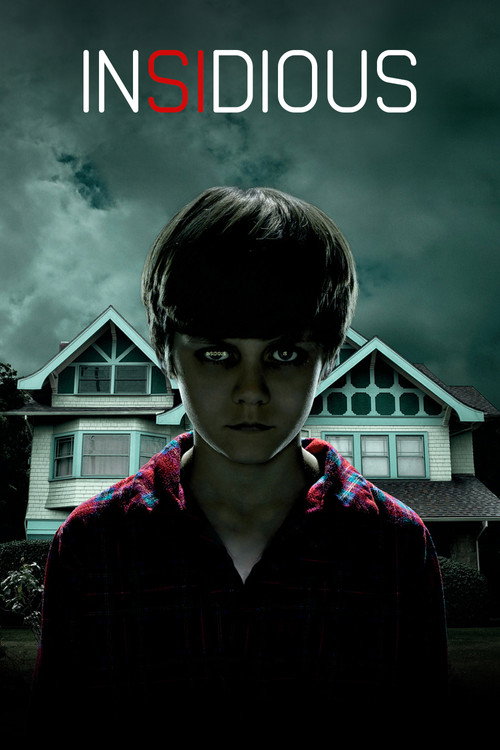
Insidious2011
James Wan proves you can make genuinely frightening horror on a modest budget by understanding sound design and composition. The rules of its world are clear and the stakes escalate smartly.
But Leans harder into traditional scares than Ghost Stories does. The sequels got progressively sillier, which might taint the original in retrospect.
The Vanishing1988
A Dutch thriller about obsession and the need for answers that refuses to provide comfort. Its structure—showing both victim and perpetrator—creates a queasy complicity in the viewer. Utterly original.
But Genuinely nihilistic and bleak. The ending is deliberately punishing. Not rewarding in any conventional sense. Also subtitled.
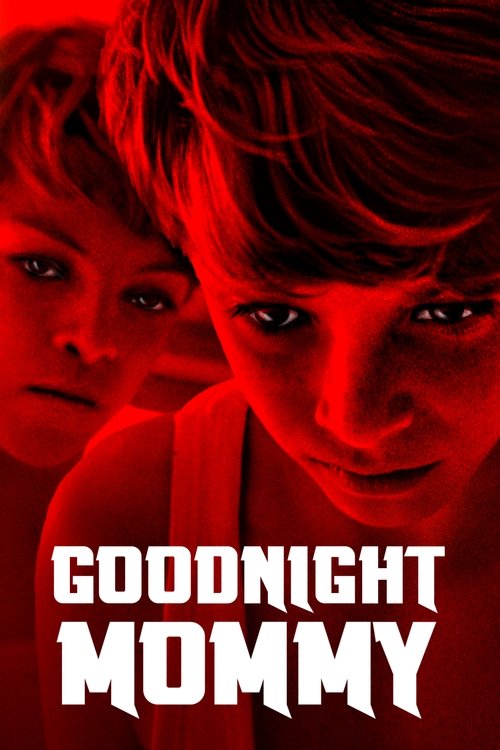
Goodnight Mommy2015
An Austrian horror film that unsettles through domesticity and wrongness. It trusts you to feel that something is fundamentally off before it explains what. Visually precise and deeply uncomfortable.
But The twist is polarizing—some feel betrayed. It's also quite graphic in one sequence, and the family-horror premise might hit too close to home.
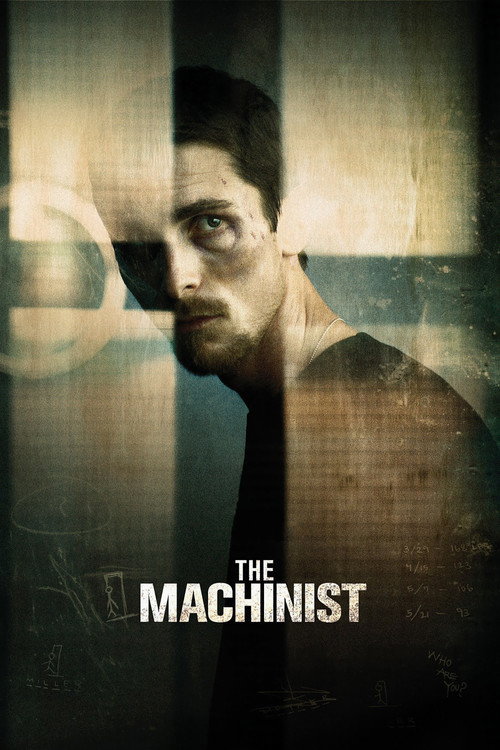
The Machinist2004
Christian Bale in a spiral of paranoia and guilt. Like Ghost Stories, it's about a man unraveling through psychological pressure, using the supernatural or possibly delusion as a language for inner collapse.
But Relentlessly grim with no relief. Bale's transformation is disturbing to watch. The pacing is glacial and some find it pretentious rather than profound.
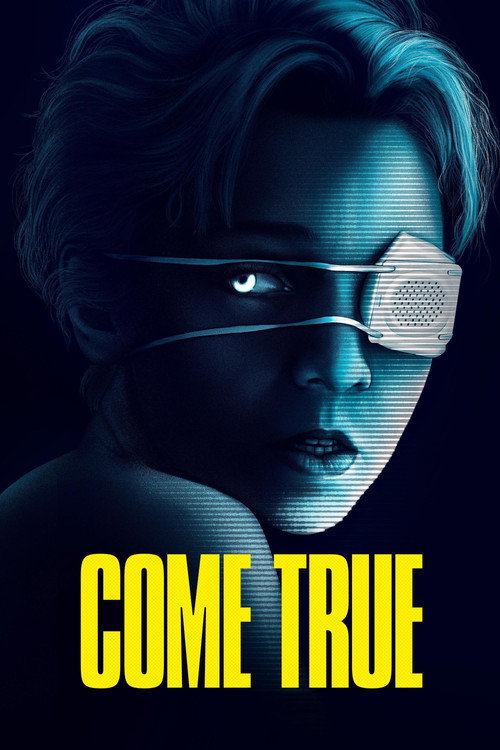
Come True2020
A low-budget sci-fi horror about sleep studies that's more interested in dread and strange imagery than plot coherence. It has Ghost Stories' commitment to mood over explanation and a genuinely haunting score.
But Deliberately obscure and resistant to interpretation. Very slow. The lack of traditional narrative structure will frustrate anyone wanting a clear story.
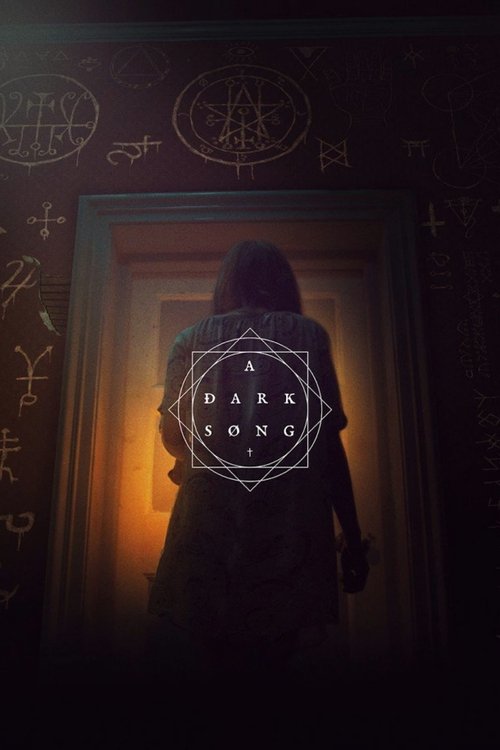
A Dark Song2016
Both interrogate the difference between skepticism and faith; both use the supernatural to explore psychological wounds; both end by suggesting that the journey matters regardless of whether anything was real.
An Irish occult drama about grief and ritual that's almost meditative in its pacing. It's interested in the mechanics of belief and whether what's real matters if the transformation is real. Astonishing performances from its two-person cast.
But Nothing happens in a conventional sense. It's two people in a house for two hours. The ending is ambiguous and spiritual rather than explanatory. Patience is not optional.
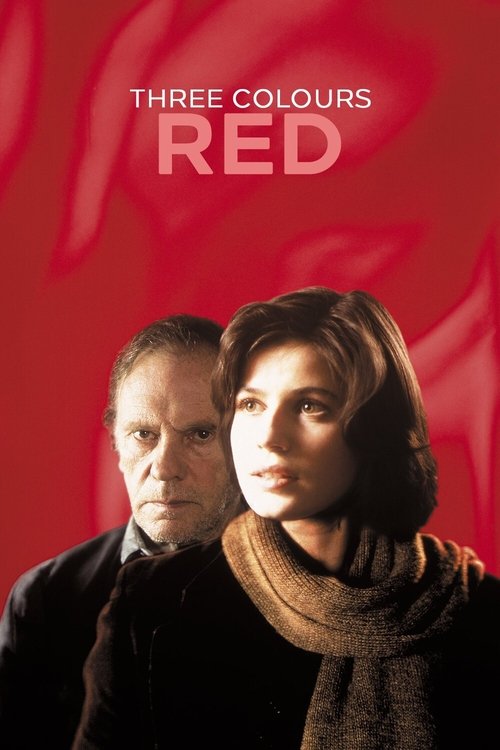
Three Colors: Red1994
Both Ghost Stories and Red are structured around hidden connections that bind their characters to their pasts; both use visual and narrative architecture to suggest fate or inevitability; both end with reversals that reframe everything you've watched.
Kieślowski's meditation on coincidence, connection, and fate told through the lives of a retired judge, a model, and a truck driver. It suggests that invisible threads connect us all—not through horror but through the almost unbearable weight of proximity. Gorgeous and deeply strange.
But Aggressively slow and plotless. Kieślowski's style is austere and painterly. The ending is cryptic rather than satisfying. If you want conventional narrative, this is not it.
People
Cast
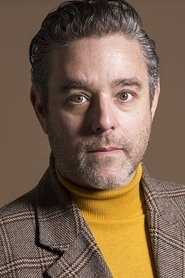 Andy NymanProfessor Goodman
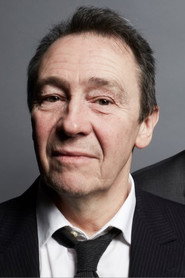 Paul WhitehouseTony Matthews
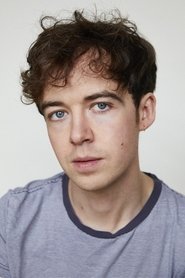 Alex LawtherSimon Rifkind
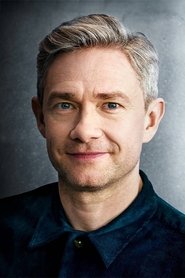 Martin FreemanCharles Cameron / Mike Priddle
 Samuel BottomleyYoung Goodman
- Deborah WastellMrs. Goodman
- Amy DoyleEsther Goodman
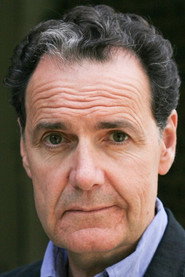 Daniel HillMr. Goodman
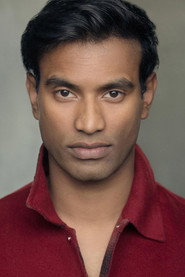 Ramzan MiahEsters's Boyfriend
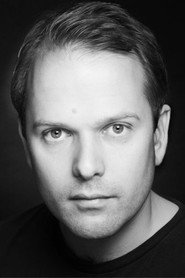 Nicholas BurnsMark van Rhys
- Louise AtkinsSteph
 Neil FinnighanSecurity Guard
Directing
- Andy NymanDirector
- Jeremy DysonDirector
- Jude CampbellFirst Assistant Director
- Terry BamberFirst Assistant Director
- Anita ChristyScript Supervisor
- Gemma NunnSecond Assistant Director
- Mike GallivanSecond Assistant Director
- Arizona EastwoodThird Assistant Director
Writing
- Andy NymanTheatre Play
- Jeremy DysonTheatre Play
- Andy NymanWriter
- Jeremy DysonWriter
Production
- Jonny BoutwoodCasting Assistant
- Layla Merrick-WolfCasting Assistant
- Shaheen BaigCasting Director
- Al HardimanCo-Executive Producer
- Lesley WiseCo-Executive Producer
- Ally GippsDevelopment Producer
- Andy MaysonExecutive Producer
- Andy NymanExecutive Producer
- Barry RyanExecutive Producer
- Charlotte WallsExecutive Producer
- Gideon LyonsExecutive Producer
- Graham BeggExecutive Producer
- Hugo HeppellExecutive Producer
- Jeremy DysonExecutive Producer
- Mike RunagallExecutive Producer
- Niall ShammaExecutive Producer
- Peter BalmExecutive Producer
- Will ClarkeExecutive Producer
- Zygi KamasaExecutive Producer
- Tim DennisonLine Producer
- Barry PetersLocation Manager
- Leon SethLocation Manager
- Richard KnightLocation Manager
- Claire JonesProducer
- Robin GutchProducer
- Rachel JonesProduction Coordinator
- Andrew BonnerProduction Manager
- Katie BleakleyProduction Manager
- Cat MarshallProduction Supervisor
- Richard RuckUnit Manager