
Television series
Inside No. 9
Every episode is a sealed box: new cast, new genre, new twist, all unfolding behind a door numbered 9. Pemberton and Shearsmith write and usually star, shape-shifting between farce, ghost story and outright horror inside a single half hour. It rewards close attention—red herrings are laid with real cunning—and it's best watched not knowing what kind of story you're about to get.
If you liked this
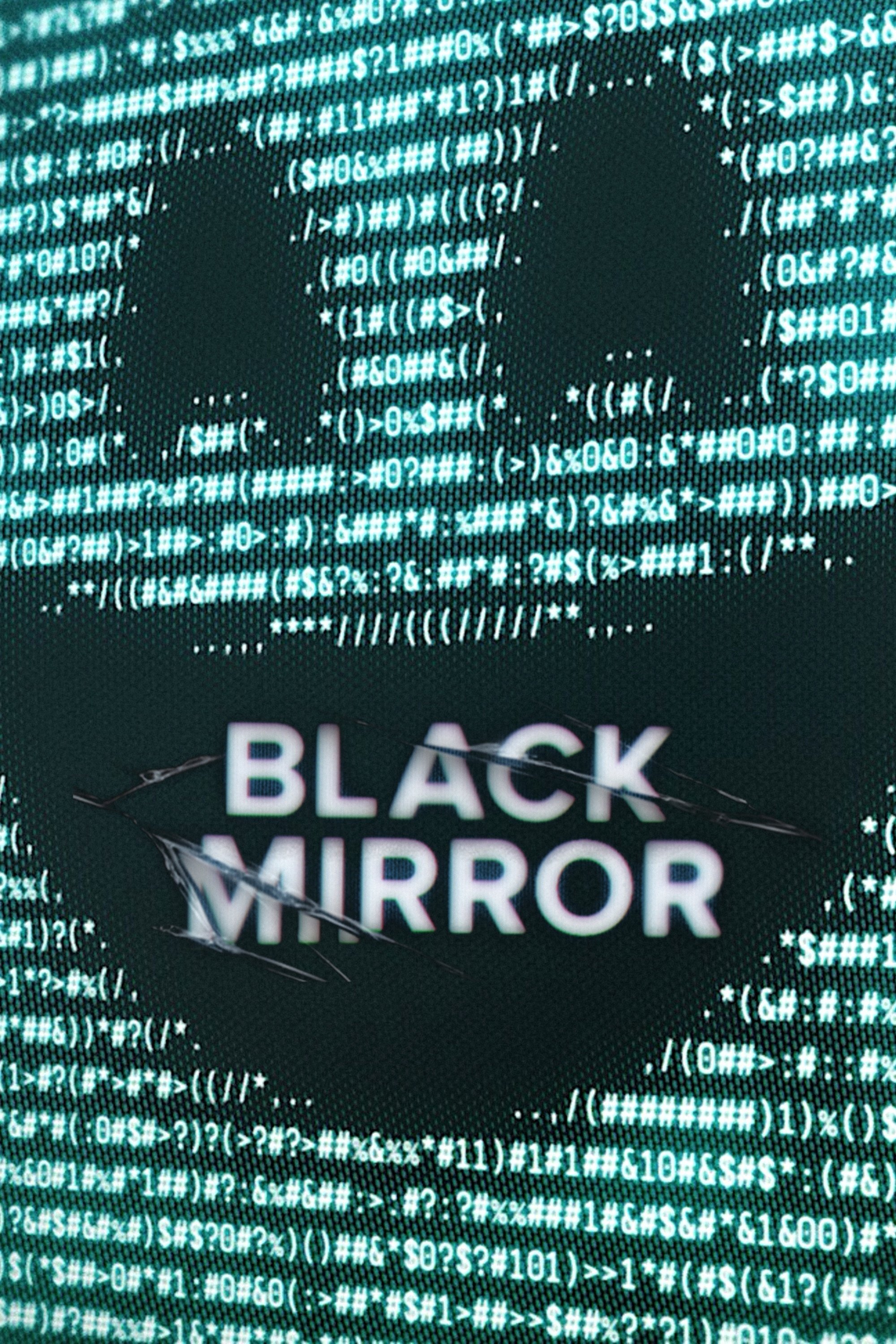
Black Mirror2011
The other great British anthology of the decade—same appetite for a gut-punch final scene, swapped for technological dread instead of parlour-trick plotting. Binge a season and the shared DNA is obvious.
But Bleaker and far less interested in comedy; No. 9's playfulness is mostly absent here.
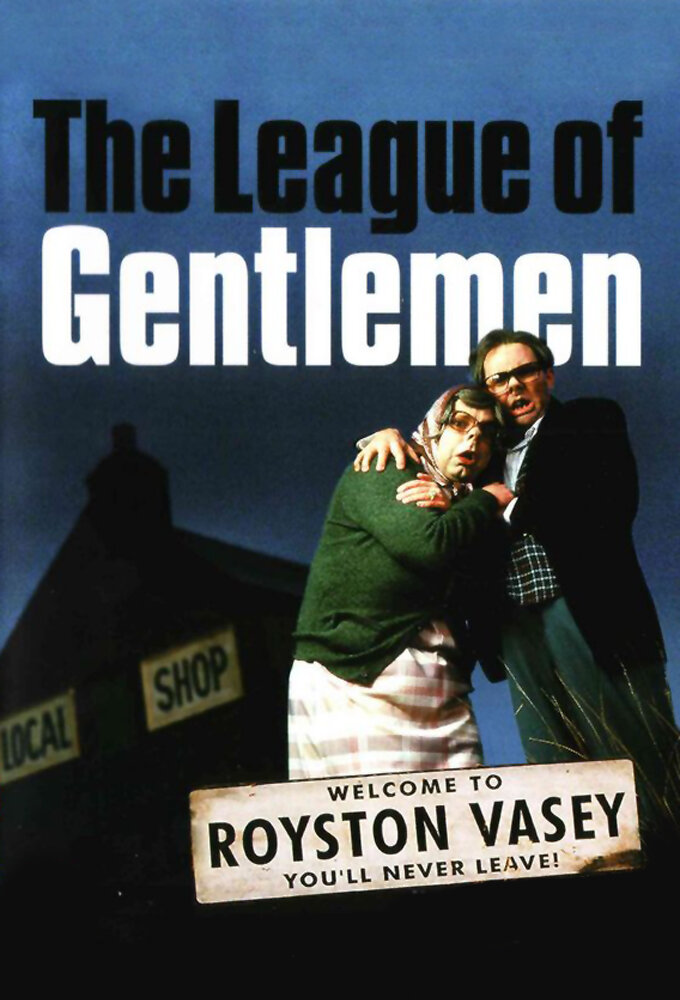
The League of Gentlemen1999
Pemberton and Shearsmith's earlier show, rougher and stranger, set in one grotesque fictional town rather than nine different rooms. See where their comic sensibility was forged.
But More sketch-based and deliberately grubby—less structural elegance, more panto-grotesque.
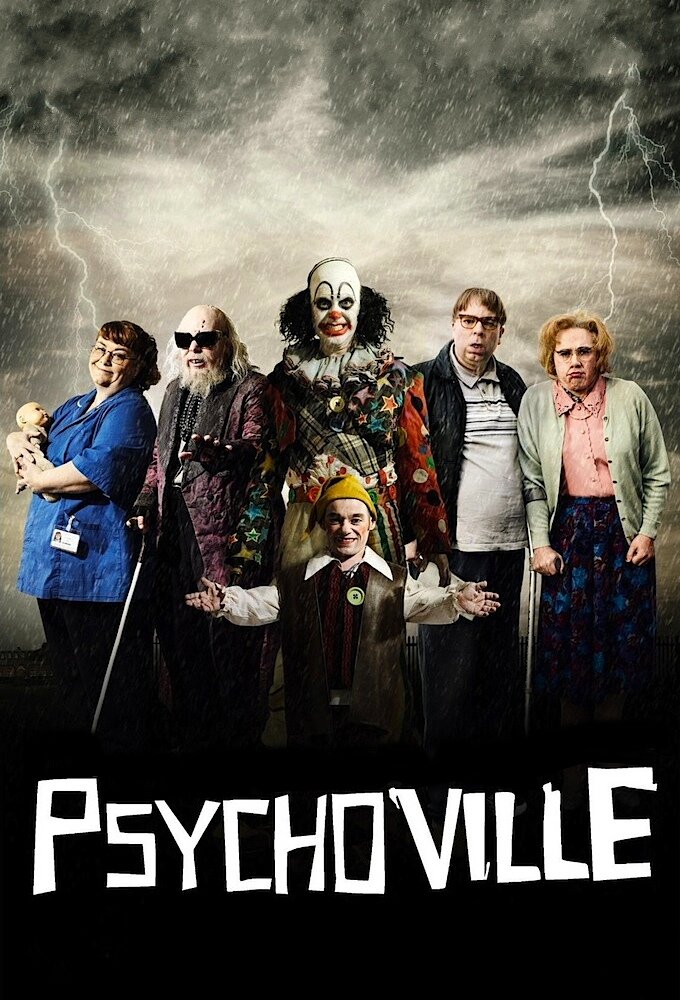
Psychoville2009
The direct rehearsal for No. 9: same two writers, same love of prosthetics and misdirection, but serialised across six episodes instead of self-contained. A missing link worth knowing about.
But Uneven pacing and a finale that divides fans; less polished than what came after.
The wildcard
Something you would not have found on your own.
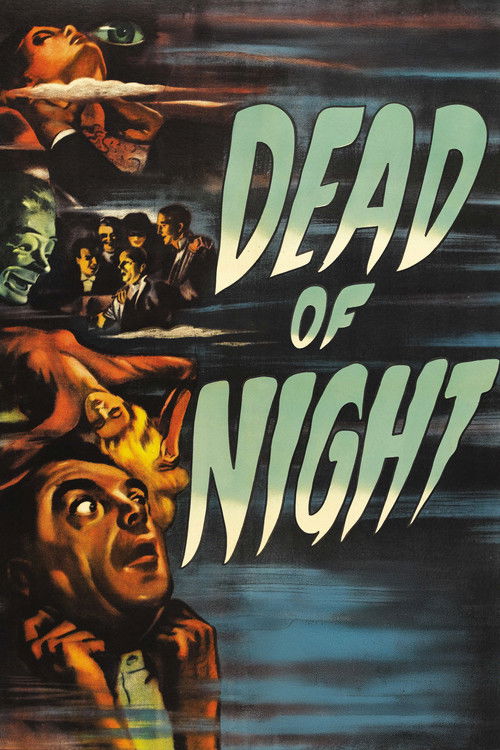
Dead of Night1945
Inside No. 9 borrows its favourite trick—the story that circles back on itself—directly from this film's nested-tales structure and framing device; watching it is watching the blueprint.
The British portmanteau horror film that invented half of what No. 9 still does—a framing story containing several uncanny tales, ending on a loop back to the start. Genuinely unsettling, even eighty years on.
But Stagey by modern standards, with gentle pacing that demands patience for its payoff.
More like this (8)
Tales of the Unexpected1979
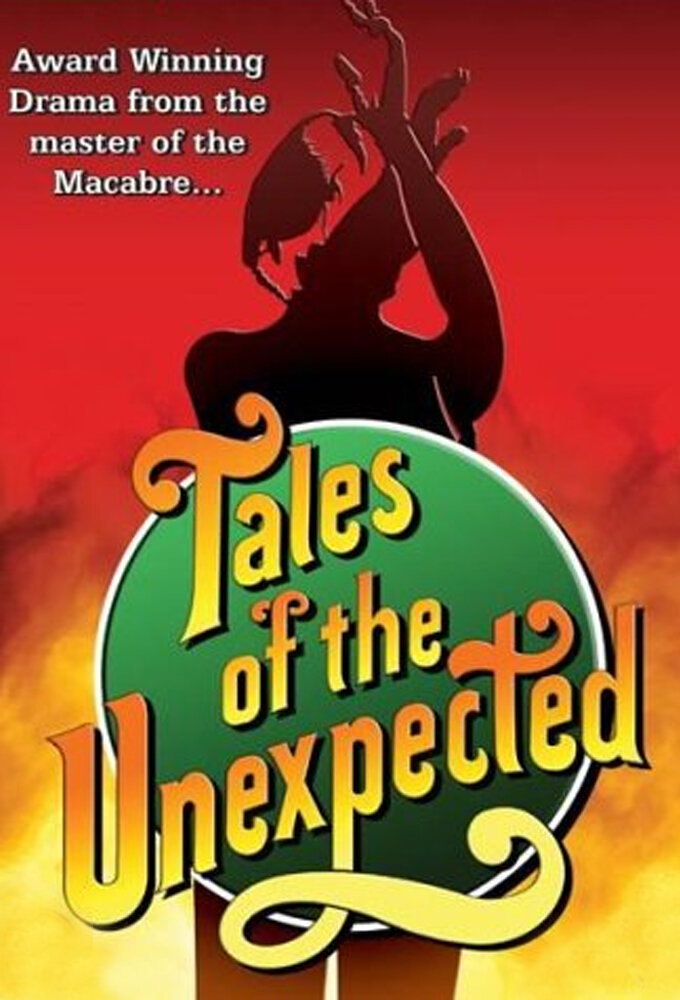
The template. Roald Dahl-adapted stories with sting-in-the-tail endings, decades before No. 9 refined the trick. Watching it shows how old this British obsession with the twist really is.
But Dated production values and a slower, more theatrical pace than modern audiences may tolerate.
American Horror Story2011
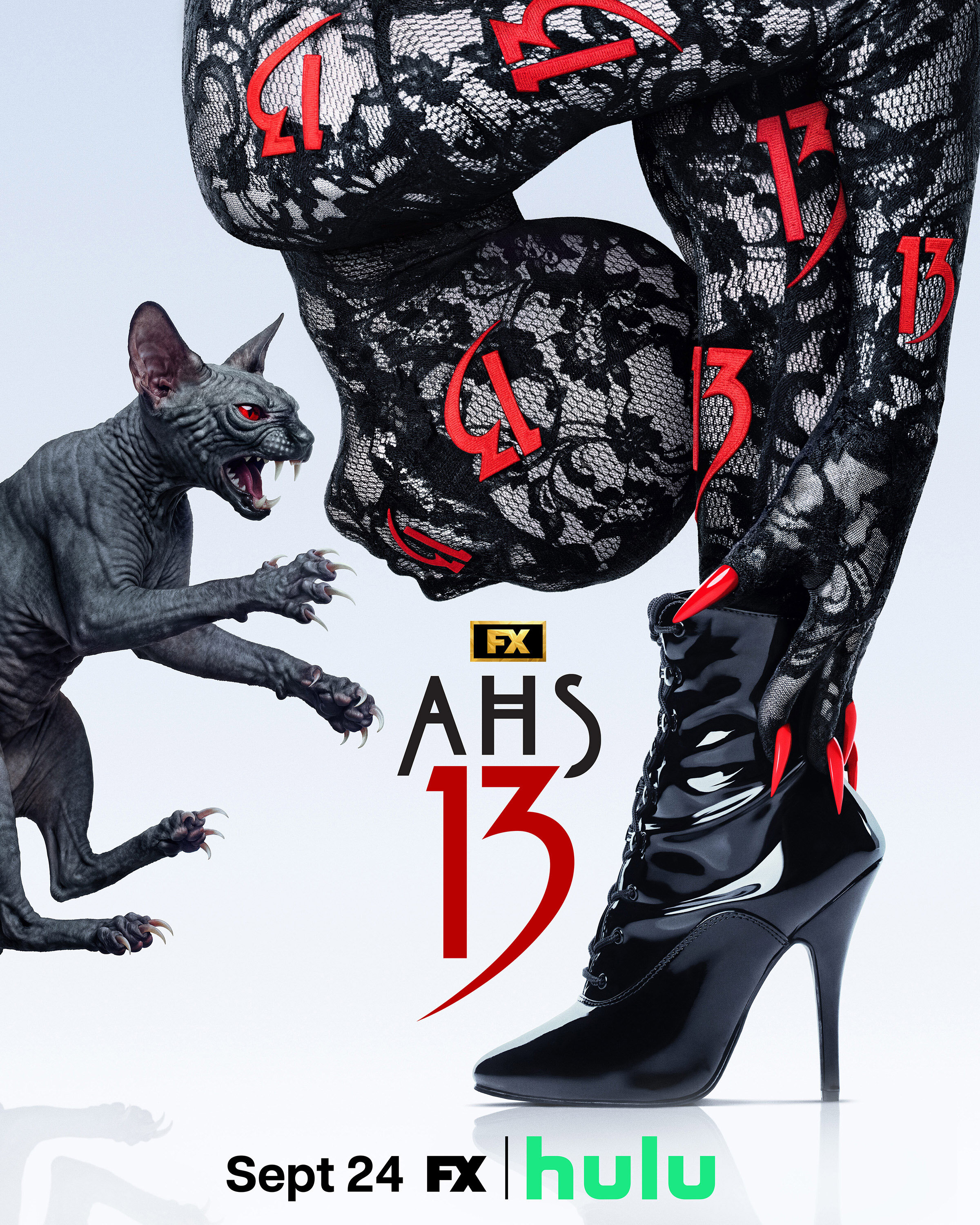
Anthology horror pushed to maximalist extremes—new story, new nightmare every season. Good for viewers who want No. 9's shape-shifting with the blood turned up to eleven.
But Far campier and less economical; some seasons sprawl where No. 9 stays lean.
Fargo2014
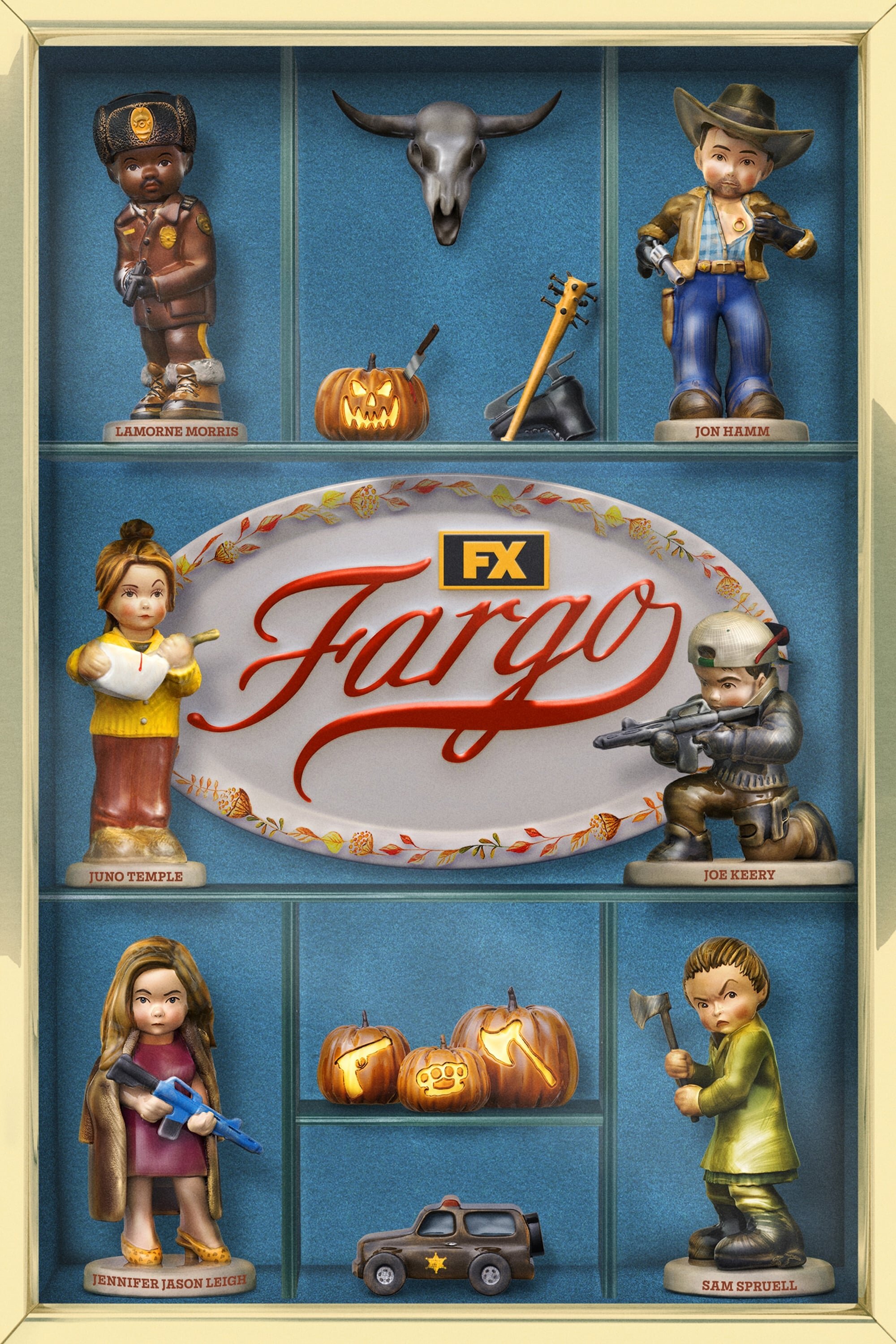
Proof the anthology format works for crime as well as horror—each season a self-contained fable of small-town violence and dark comedy. The tonal control feels familiar.
But Ten-hour seasons rather than thirty-minute jolts; a much slower burn overall.
Ghost Stories2018no page yet
A horror anthology film co-written by League of Gentlemen alumnus Jeremy Dyson, built from three uncanny tales inside one framing story. Same UK horror-comedy lineage, condensed into ninety tense minutes.
But Plays it straighter and scarier, with far less comic relief than No. 9 typically allows.
Creepshow2019no page yet
A gleefully trashy horror anthology wearing its comic-book roots on its sleeve. If you love No. 9's gorier episodes, this scratches the same itch with more splatter and less subtlety.
But Broader and pulpier, with much less interest in clever plotting than in gore for its own sake.
The Twilight Zone1959
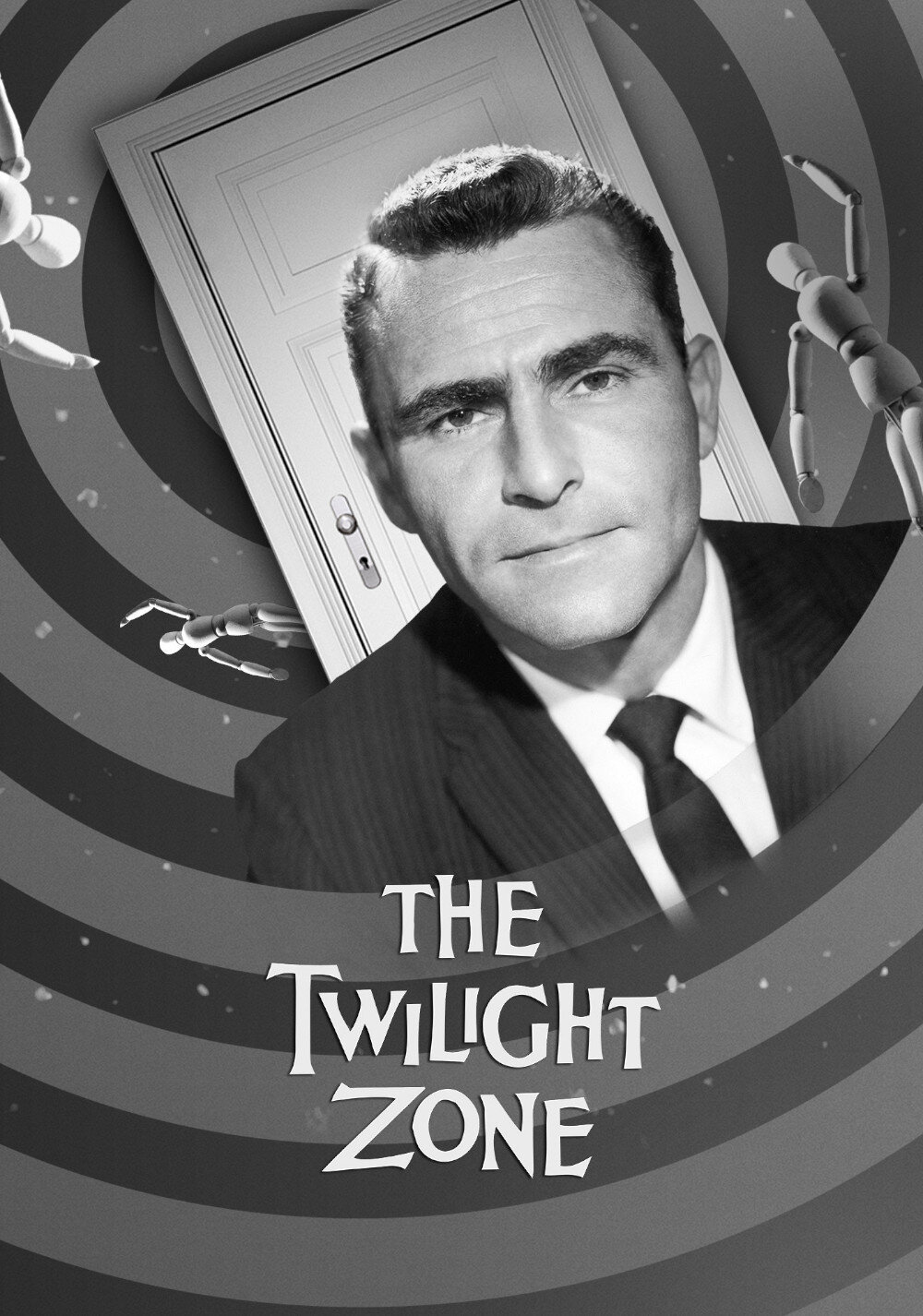
The granddaddy of the twist-ending anthology, still sharp after sixty years. Essential viewing for anyone who loves the mechanics of a good final-scene reveal.
But Black-and-white, studio-bound, and paced for a very different television era.
Wild Tales2014no page yet
Same engine—self-contained vignettes building to a vicious final twist—but reset in another language and register, showing how universal the anthology-with-a-sting format really is.
Six vicious, darkly funny short stories about people pushed past their limits, told in a single film instead of a series. Same anthology pleasure, dialled up into gleeful, operatic revenge fantasy.
But Subtitled, and considerably more violent and cynical than No. 9 usually allows itself to be.
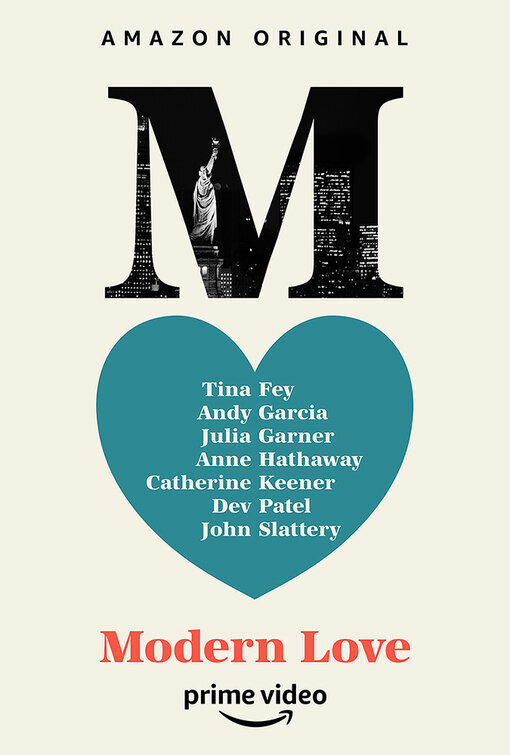
Modern Love2019
Strips the format to its bones—the anthology conceit, the self-contained episode, the twist of feeling rather than plot—proving the engine survives a total genre transplant into romantic drama.
An anthology built from real New York Times essays, a different cast and story every episode. It proves the No. 9 structure—new world each time—works just as well without a single drop of horror.
But Warm and sentimental where No. 9 is sly and unsettling; expect tears, not shivers.
People
Cast
 Reece ShearsmithVarious Characters
 Steve PembertonVarious Characters
Writing
- Reece ShearsmithCreator
- Steve PembertonCreator
Production
- Reece ShearsmithAssociate Producer
- Steve PembertonAssociate Producer
- Adam TandyExecutive Producer
- Jon PlowmanExecutive Producer
- Josh ColeExecutive Producer
- Kim CrowtherProducer
- Steve RydeProducer
Recommended by
Black Mirror, The Twilight Zone, Philip K. Dick's Electric Dreams, Tales from the Crypt, Dead of Night, The League of Gentlemen, Tales of the Unexpected, Love, Death & Robots, Ripping Yarns, Alfred Hitchcock Presents, The Kids in the Hall, A Bit of Fry and Laurie, Psychoville