
Television series
Big Train
- Absurdist comedy
- Strange
- Dip in and out
Two writers who'd go on to create Father Ted and The IT Crowd built a sketch show with no studio audience, no punchlines and no mercy — just deadpan actors sliding ordinary British life (queues, offices, school runs) into the surreal, the violent, and the quietly deranged. It's cult, unnerving, occasionally hilarious in a way that takes a beat to land, and stuffed with future stars nobody had heard of yet.
Should you watch it?
Watch it if you love sketch comedy built on ordinary situations tipping into the absurd, the way a Python sketch lands when a dull premise quietly goes somewhere strange and stays there.
Skip it if you want a story that carries through from one episode to the next, since each sketch restarts from scratch and the surreal turns can feel like a lot of blackout punchlines in a row.
What it asks of you: Thirty-minute episodes, twelve in all, with no plot to keep track of; you dip in, let the odd becomes the point, and accept that some sketches will fall flat.
Not sure? Find tonight's pick in a minute.
If you liked this
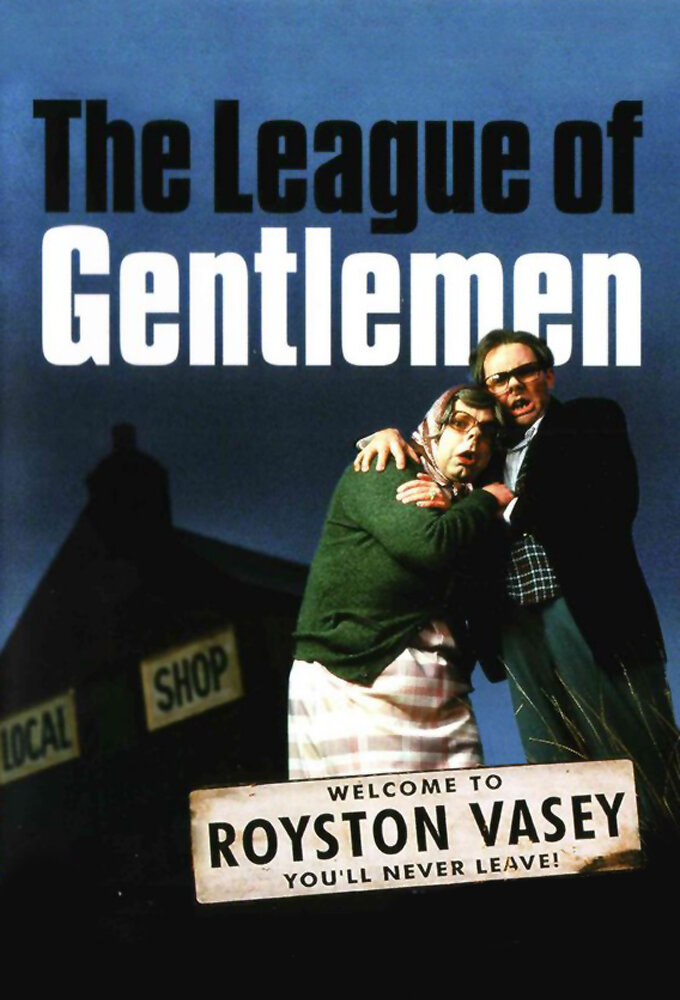
The League of Gentlemen1999
The closest tonal relative: the same appetite for turning parochial Britishness macabre and grotesque, but with recurring characters and a proper small-town mythology to sink into.
But Broader, more theatrical, and much gorier — the deadpan restraint of Big Train gives way to full grand guignol.
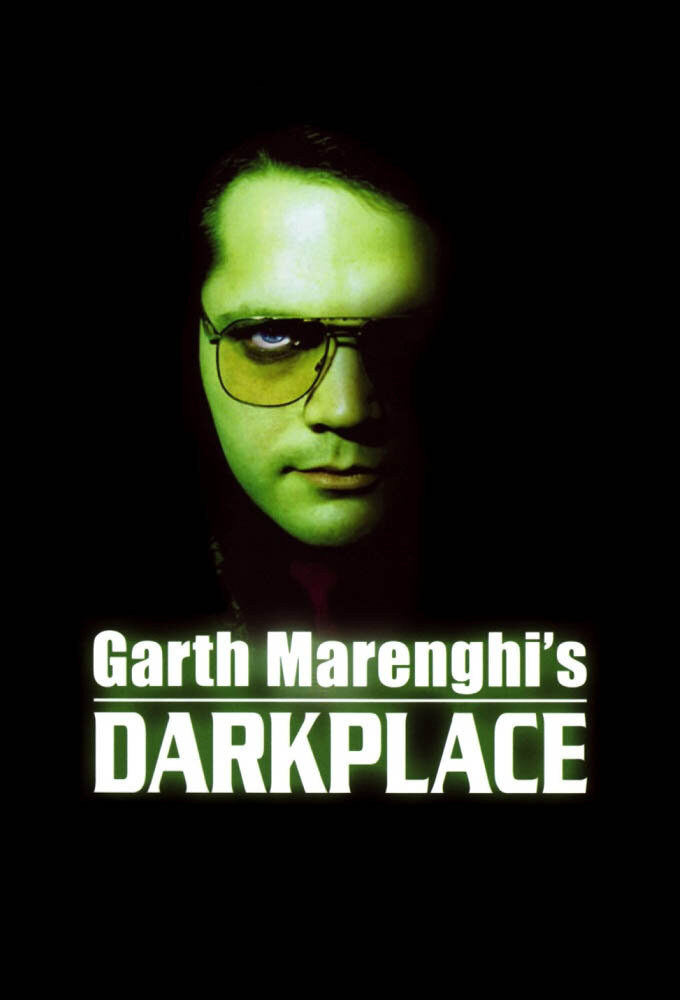
Garth Marenghi's Darkplace2004
Made by people from the same comedy ecosystem, it takes absurdism and commits to a single deranged bit — a terrible 80s horror show — with total conviction and zero winking.
But It's a parody of a genre, not sketch-based, so if you wanted more Big Train's format you won't get it here.
Monty Python's Flying Circus1969
The show Big Train is quietly arguing with — same non-sequitur logic, same refusal to explain a joke, but looser, sillier, and more interested in silly voices than dread.
But Some sketches have aged into pure nostalgia rather than comedy, and the pacing is slower than modern sketch shows.
Not sure tonight? Get a pick in a minute, starting from Big Train
The wildcard
Something you would not have found on your own.
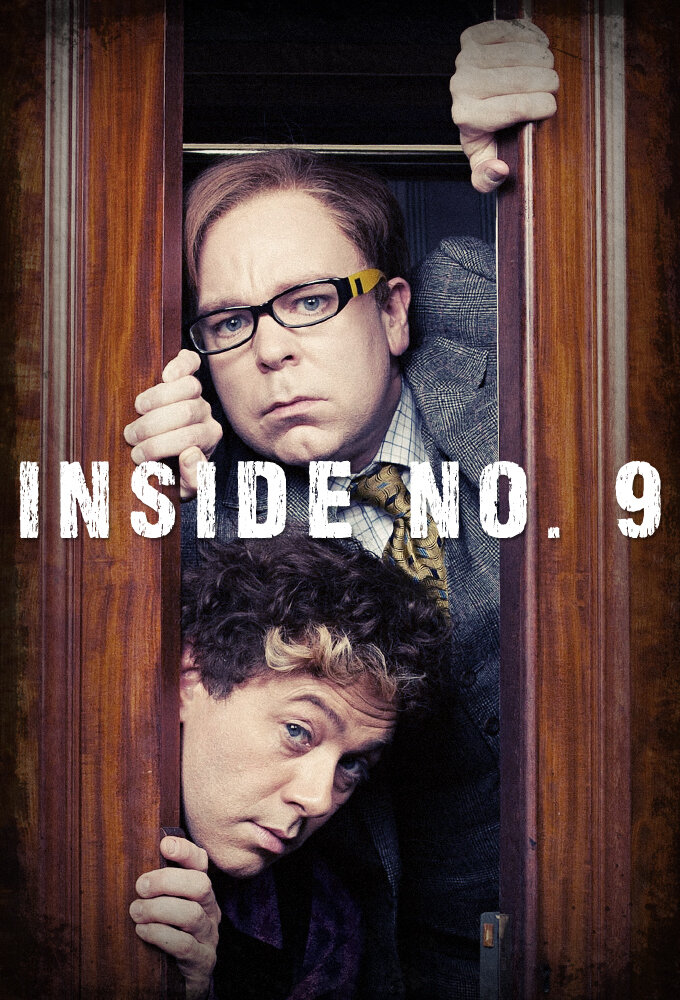
Inside No. 92014
Same structural trick — mundane setting, mounting unease, a hard turn into the macabre — just played as suspense instead of sketch comedy.
Each episode is a self-contained twist on ordinary British life curdling into something macabre — Big Train's DNA stretched into proper tense, often genuinely upsetting drama.
But It's frequently not funny at all — some episodes are straight horror or tragedy with barely a laugh in them.
More like this (8)
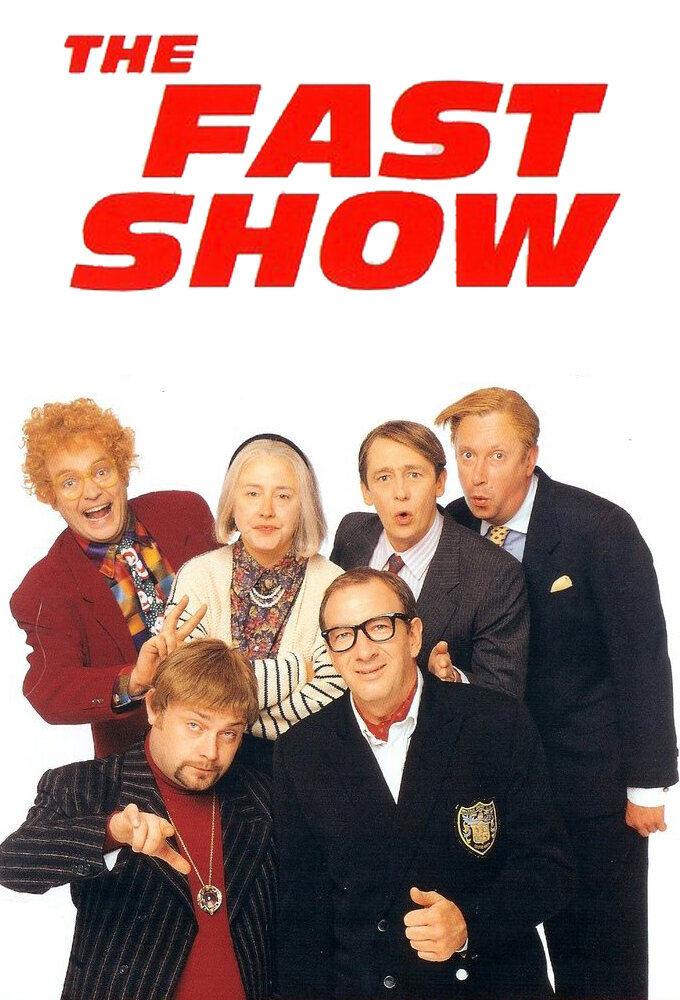
The Fast Show1994
Proof that British sketch comedy can be warm and catchphrase-driven rather than cold and unsettling — a good palate cleanser after Big Train's chill.
But Reliant on catchphrases and repetition rather than escalating dread, so the comic engine is completely different.
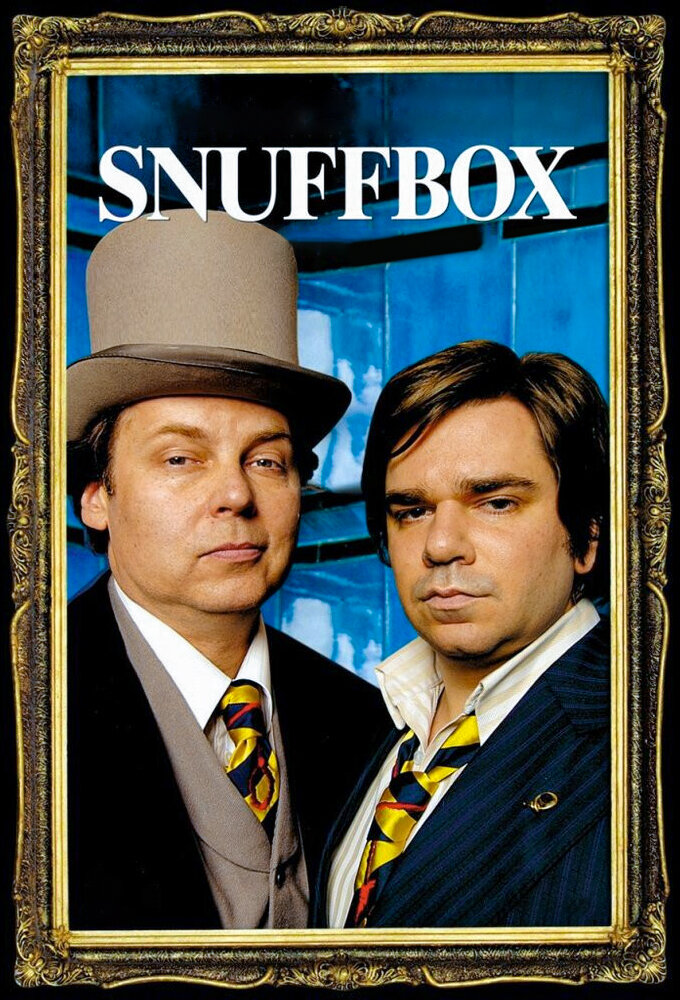
Snuff Box2006
Matt Berry and Rich Fulcher at their most unhinged, framed as two hangmen doing sketches between executions — the same commitment to a straight face while everything gets stranger.
But Even more plotless and abstract; some viewers find it style over substance.
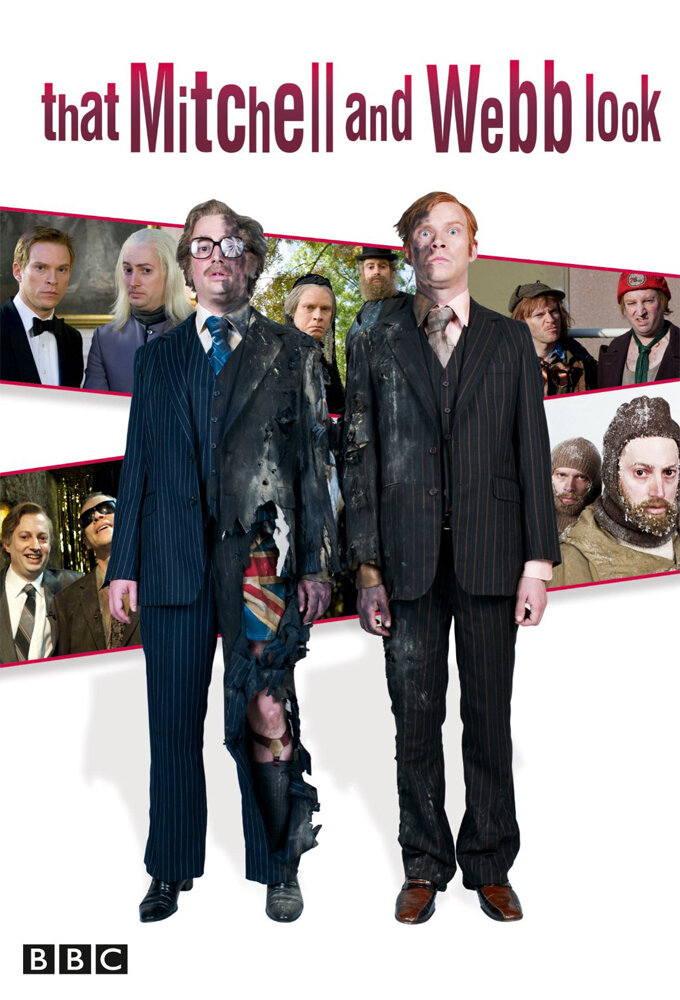
That Mitchell and Webb Look2006
A more polished heir — sharper premises, faster turns, and a similar love of letting an ordinary conversation curdle into something absurd or horrifying.
But More conventionally structured and joke-forward; less interested in atmosphere than Big Train.
The Mighty Boosh2004
Takes the same willingness to abandon reality mid-scene and points it at fantasy and music instead of menace — a lighter, weirder cousin.
But Much more whimsical and psychedelic; the deadpan dread of Big Train is largely absent.
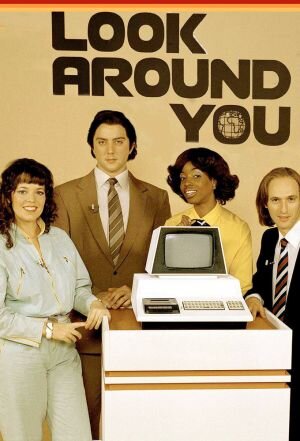
Look Around You2002
A deadpan parody of educational TV that shares Big Train's love of a completely straight face delivering nonsense with total institutional confidence.
But Very format-specific joke — if you didn't grow up with British schools TV, some of it won't land.
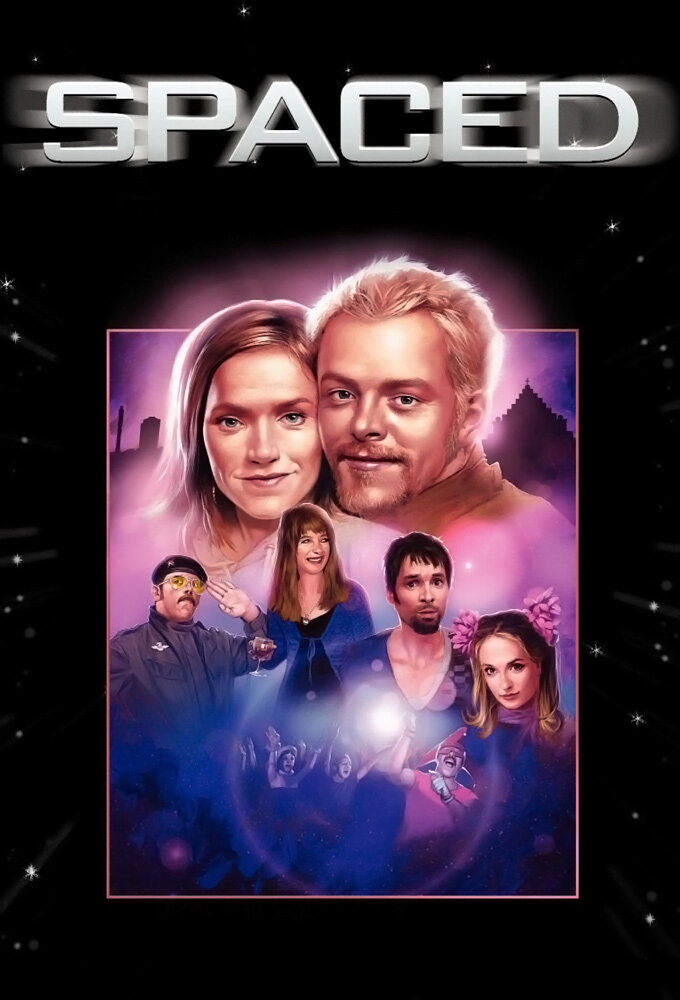
Spaced1999
Simon Pegg's other early-career show, and a good sense of what he does with actual character and plot rather than blackout sketches — warmer, more sitcom, still odd.
But Conventional sitcom structure with running gags and relationships — none of Big Train's formal strangeness.
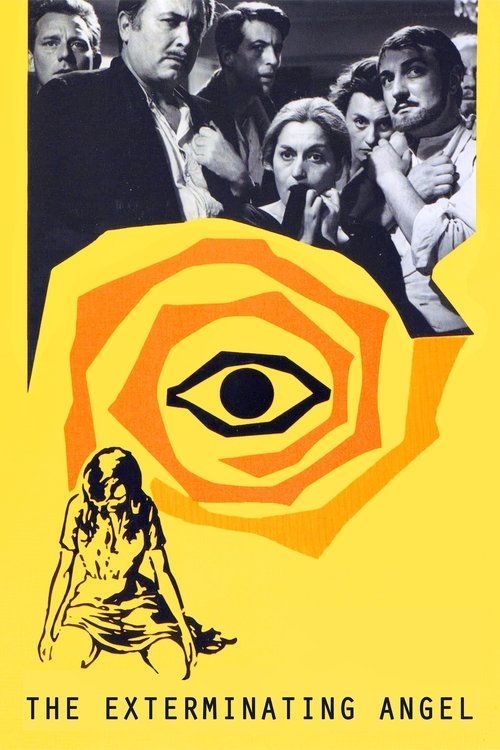
The Exterminating Angel1962
Buñuel does exactly what Big Train does — trap ordinary social behaviour and let it curdle into the surreal — but as deadly serious art cinema rather than sketch comedy.
A dinner party's guests inexplicably cannot leave the room, and Buñuel lets social ritual disintegrate into absurdity with total deadpan seriousness — a masterclass in the joke of manners breaking down.
But Black-and-white Spanish-language arthouse cinema from 1962 — no jokes in the conventional sense, and it demands patience.
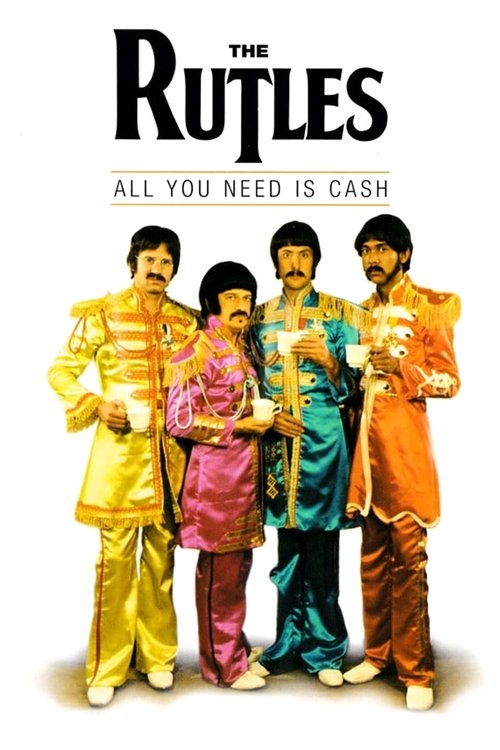
The Rutles: All You Need Is Cash1978
Same lineage of deadpan British absurdism, stretched into full mockumentary film rather than blackout sketches — a different format doing a related joke.
A dead-straight mockumentary about a fake Beatles-esque band, made by the generation of British comics who fed directly into everything Big Train later did.
But It's a specific Beatles parody, so unfamiliarity with 60s pop history dulls a good chunk of the jokes.
People
Cast






Writing
- Arthur MathewsCreator
- Graham LinehanCreator
Recommended by
Monty Python's Flying Circus, Look Around You, The Kids in the Hall, A Bit of Fry and Laurie, Spaced, The Fast Show, French and Saunders, The Catherine Tate Show, Limmy's Show, Harry Enfield & Chums, Absolutely, Smack the Pony, David Mitchell's Soapbox