
Film
The Rutles: All You Need Is Cash
A 1978 mockumentary that spoofs The Beatles' entire career in 73 gleeful minutes. Written by and starring Monty Python's Eric Idle and Neil Innes, it's a perfect-pitch parody with actual songs that are disturbingly good. Absurd, affectionate, and so precisely aimed that Beatle-fanatics laugh hardest.
Should you watch it?
Watch it if you adore mockumentaries that parody a band's legend with a straight face, catching every affectionate jab at the Beatles-style myth, from the matching suits to the press conferences that take themselves far too seriously.
Skip it if you need a fresh story or sharp modern gags, since this is a loving copy of 1960s pop-band lore, and its humour depends on knowing the originals well enough to spot each wink.
What it asks of you: Seventy-three minutes of brisk sketches and faux interviews, played deadpan and mostly light, asking you to keep up with the in-jokes rather than follow a plot.
Not sure? Find tonight's pick in a minute.
If you liked this
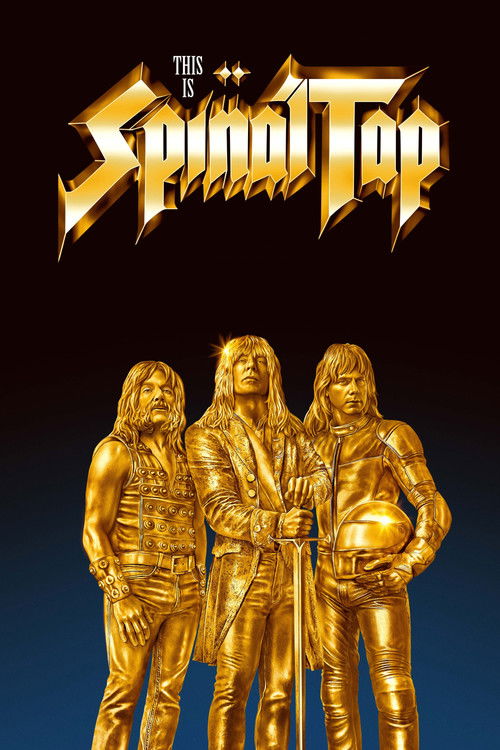
This Is Spinal Tap1984
The template for all music mockumentaries that came after. Same deadpan format, same commitment to the bit, and the songs are genuinely funny—plus it has the added pleasure of being about a band that actually sounds terrible.
But It's relentlessly narrow in its targets and can feel more like one long sketch than a full film. The running gags lose steam by the end.
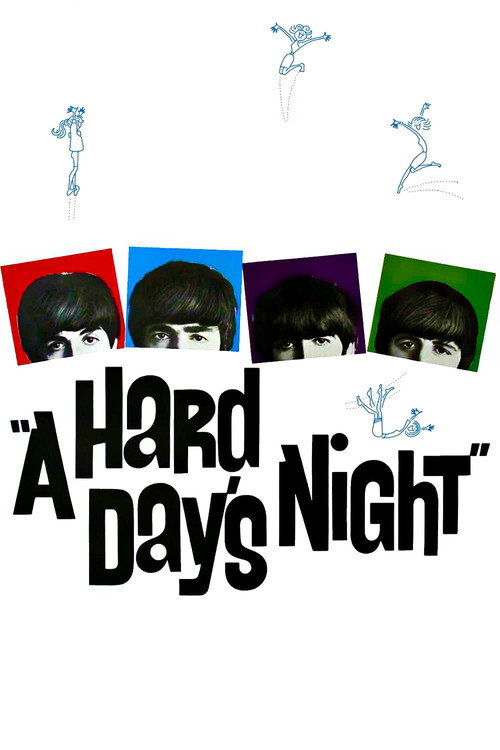
A Hard Day's Night1964
The Beatles film that inspired the whole parody. Frantic, witty, and genuinely inventive with form—watching it back-to-back with *Rutles* is the ideal double feature. You'll see exactly what Idle was riffing on.
But It's purely of its moment in a way that can feel quaint now, and there's not much plot to speak of. The appeal is almost entirely the band's charm and the novelty of seeing them onscreen.
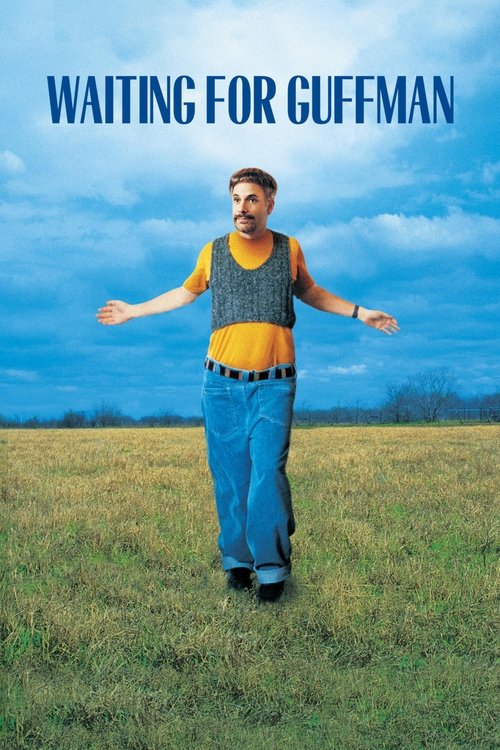
Waiting for Guffman1997
Christopher Guest's team perfected the mockumentary format here. A small-town theater production becomes absurdist comedy gold. Same commitment to character and plausibility, different subject matter—proves the template works everywhere.
But It's quieter and more understated than *Rutles*, which means the humor lands less immediately. The ensemble cast is strong but no breakout star carries it.
Not sure tonight? Get a pick in a minute, starting from The Rutles: All You Need Is Cash
The wildcard
Something you would not have found on your own.
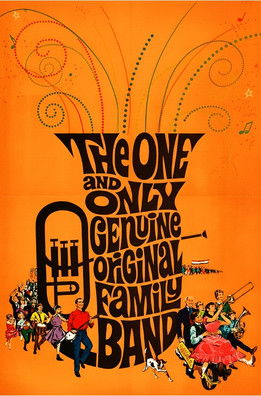
The One and Only, Genuine, Original Family Band1968
Both examine how groups construct collective identity and how the story of a band/family becomes more 'true' than the people in it.
A real, earnest Disney musical about a wholesome family touring America in 1888. The connection: both films are fascinated with how myth gets built around groups, how narrative shapes reality, how we construct identity collectively. This one's completely sincere where *Rutles* is parodic, but they're asking the same questions about fame, legacy, and family.
But It's genuinely sentimental in ways that feel corny now, and the musical numbers are long. You need patience for earnest 1960s Disney family values to get anything from it.
More like this (7)
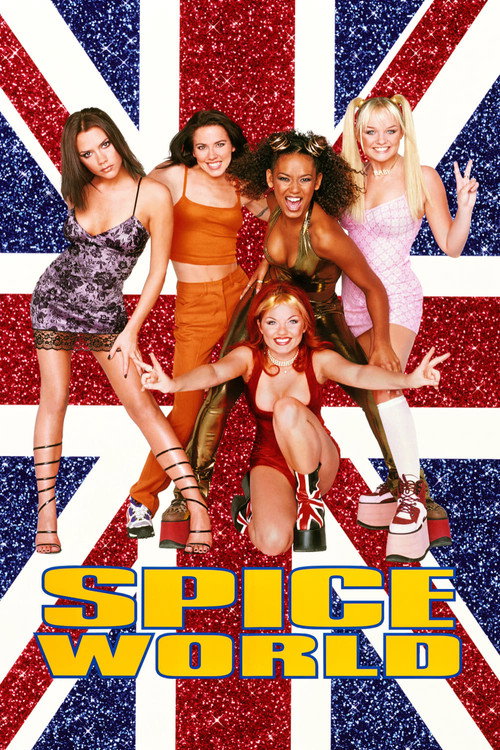
Spice World1997
A genuine pop-culture mockery, but from the other side—this one's *about* the hype machine, not the band. It's messier and more chaotic than *Rutles*, but that's part of the charm. Watch it as a time capsule of late-90s absurdity.
But It's genuinely scattered and sometimes feels like it doesn't know what it's doing. If you want precision, this isn't it—it's more conceptually ambitious but less cleanly executed.
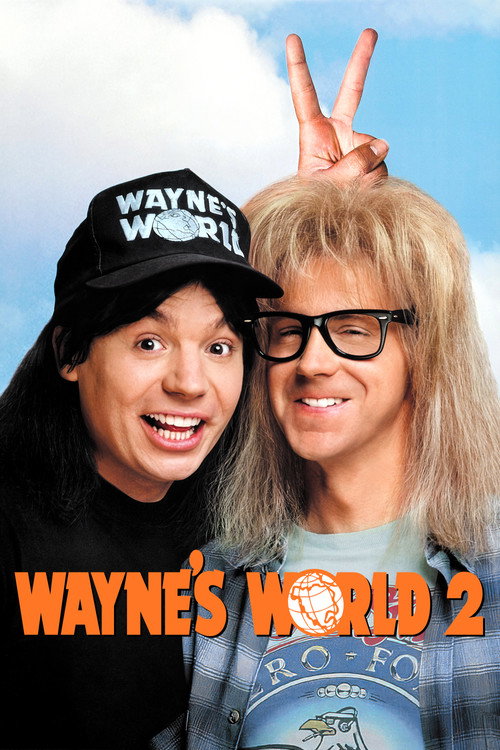
Wayne's World 21993
Another music-adjacent comedy that understands fandom from the inside. It's sincere about loving rock and roll even as it's mocking the movie form itself. Good-natured in the same way *Rutles* is, but with broader appeal.
But It's played much straighter and the satire is gentler. If you love *Rutles*' precise, nerdy wit, this might feel a bit obvious.
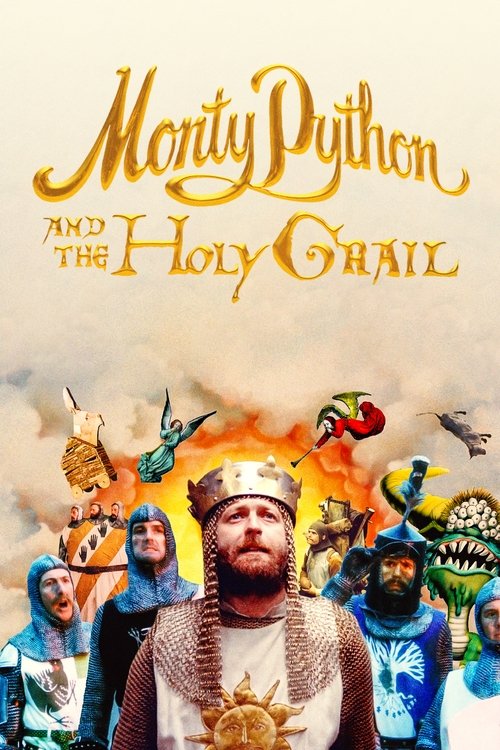
Monty Python and the Holy Grail1975
Idle's Monty Python teammates did the same thing to medieval legend. If you love the comedy sensibility in *Rutles*, this proves it's not a fluke—they were genuinely brilliant at committed absurdism.
But It's a sketch group's feature film, which means it has the structural issues you'd expect. The ideas are better than the execution, and it drags in patches.
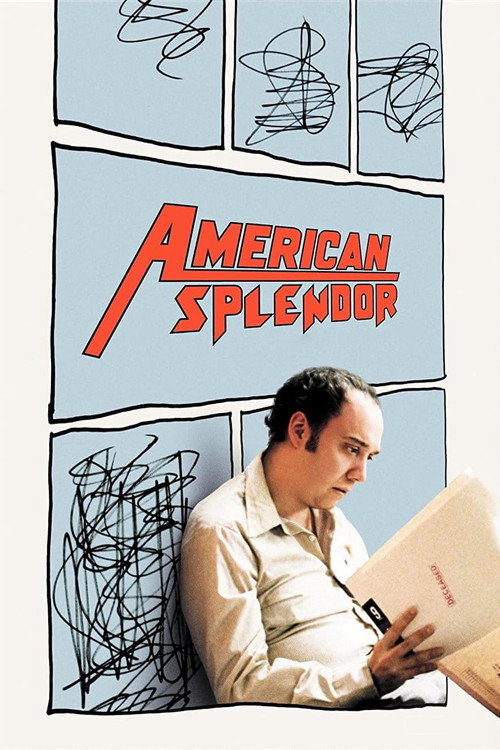
American Splendor2003
A documentary-hybrid about a comic artist that plays with form the way *Rutles* does with the rockumentary format. It's funny, surprising, and genuinely creative about how to tell a story on film. Love letter to a creative person, disguised as formal experimentation.
But It's deliberately fractured and moves between styles constantly. Some people find that exciting; others find it exhausting. The subject matter is niche, too—indie comics aren't everyone's thing.
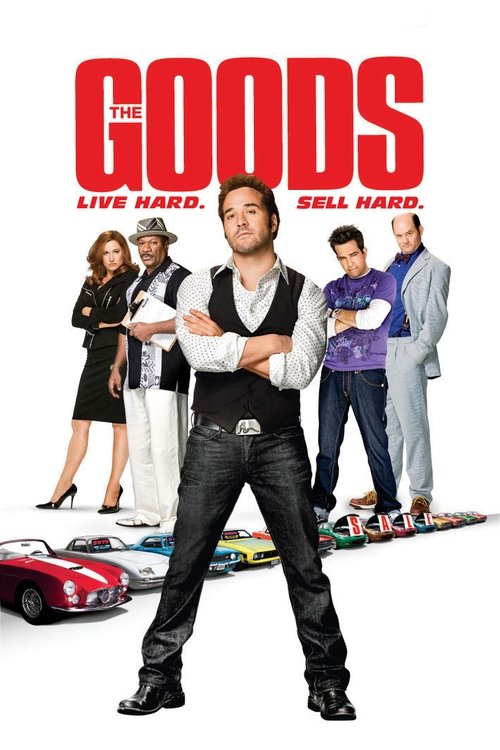
The Goods: Live Hard, Sell Hard2009
Will Ferrell leads a used-car salesman comedy that's sweaty, absurd, and committed to its bit in the *Rutles* tradition. Fast-paced, clever, and unafraid to be silly. Proves the mockumentary impulse lived on.
But It's broader and louder than *Rutles*, which means it loses some of the precision. Also very much a product of 2009—some jokes have aged badly.
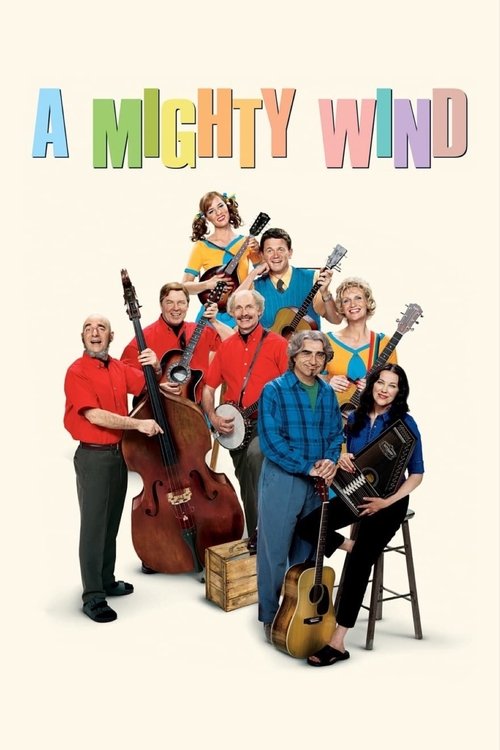
A Mighty Wind2003
Both are music mockumentaries built on impeccable parody of a specific genre and era; *Wind* just adds a layer of actual pathos underneath.
Christopher Guest's mockumentary about a 1960s folk music reunion concert. The precision of *Rutles* meets genuine emotional stakes—these fake characters have real relationship histories, real sadness. It's funny without losing sight of how music actually connects people, which is what *Rutles* never pretends to do.
But The folk-music-as-punchline structure might alienate people who genuinely love folk. It's also more melancholic than you'd expect, which derails the comedy momentum.
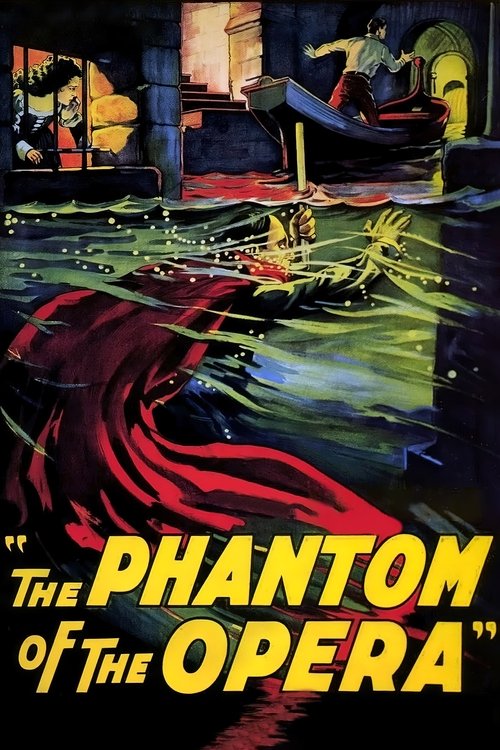
The Phantom of the Opera1925
Both are about how culture gets built in layers—the original, the parody, the versions that outlive both. *Rutles* is the parody that became as real as the thing it mocked.
Lon Chaney in the silent classic—seems unrelated until you realize: *Rutles* is the same thing as this, structurally. A beloved original work gets parodied, reinvented, passed down through culture until the parody becomes canonical in its own right. Silent film, creaky as hell, but genuinely eerie. Watch it to understand how cultural meaning actually works.
But It's a 1925 silent film, which means it moves slowly, it's in B&W, and you're reading intertitles. If you want modern entertainment, this will feel like a chore.
People
Cast
 Eric IdleDirk McQuickly/The Narrator/S.J. Krammerhead
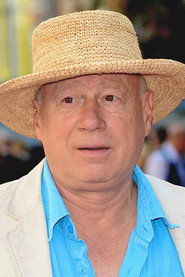 Neil InnesRon Nasty
 Ricky FataarStig O'Hara
- John HalseyBarry Womble
 Michael PalinEric Manchester
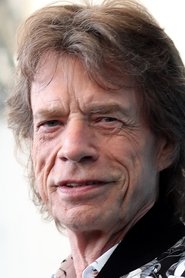 Mick JaggerSelf - Rock Star
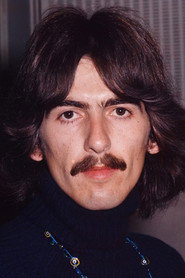 George HarrisonThe Interviewer (Jimmy “The Wallasey Warbler” Climmer)
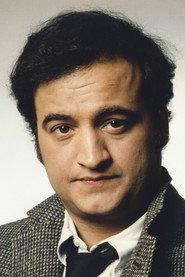 John BelushiRon Decline
 Dan AykroydBrian Thigh
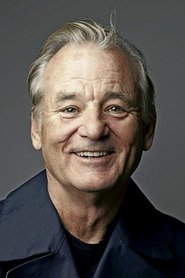 Bill MurrayBill Murray the K.
 Bianca JaggerMartini McQuickly
 Gilda RadnerMrs. Emily Pules
Directing
- Eric IdleDirector
- Gary WeisDirector
- Clive HedgesFirst Assistant Director
Writing
- Eric IdleWriter
Production
- Lorne MichaelsExecutive Producer
- Craig KellemProducer
- Gary WeisProducer